Glossy cranberry sauce should taste bright first, then settle into something deeper and rounder as the berries burst and the sugars cook down. This version lands right in that sweet spot: tart cranberries, orange juice, a little brown sugar for warmth, and a cinnamon stick that gives the whole pot a gentle spice without turning it into dessert.
The trick is cooking it just long enough for most of the berries to pop while a few stay whole. That mix gives you the best texture — thick, spoonable sauce with little bursts of berry still intact. Adding the orange zest and vanilla at the end keeps the citrus fresh and the vanilla from disappearing into the boil.
Below, I’ll walk you through the small details that matter, including how to know when it’s thick enough, what to do if you want it smoother, and how far ahead you can make it before the big meal.
The sauce thickened up exactly as you said, and the orange zest at the end made it taste fresh instead of just sweet. I made it the day before, and it was even better after chilling overnight.
Save this glossy cranberry sauce for Thanksgiving, roasted turkey, and every meal that needs a bright, make-ahead side.
The Boil That Keeps Cranberry Sauce from Turning Watery
The mistake most people make with cranberry sauce is stopping too early. The pot looks loose at first, then the berries start to pop, and it’s tempting to pull it off the heat before the juices have enough time to reduce. That leaves you with a thin, sharp sauce that slides off the spoon instead of clinging to it.
What you want is a lively simmer after the berries go in, not a hard, aggressive boil that blasts them apart too fast. The sauce should move from foamy and watery to glossy and slightly jammy, with enough body that a spoon dragged through the pan leaves a brief trail before filling in.
- Fresh cranberries — Fresh berries hold their shape long enough to give you that mix of whole fruit and burst fruit. Frozen cranberries work too; don’t thaw them first, just add a minute or two to the simmer.
- Orange juice — This does more than sweeten. It softens the berries and gives the sauce a brighter edge than water alone could manage.
- Brown sugar — The molasses note rounds out the tartness. White sugar alone makes the sauce taste flatter, though you can use it if that’s all you have.
- Cinnamon stick — Whole spice gives a cleaner, gentler warmth than ground cinnamon, which can make the sauce muddy. If you must substitute, use a small pinch of ground cinnamon and add it sparingly.
- Orange zest and vanilla — Add both off the heat so they stay fragrant. If you cook them too long, the citrus fades and the vanilla loses its lift.
What Each Ingredient Is Doing in the Pot
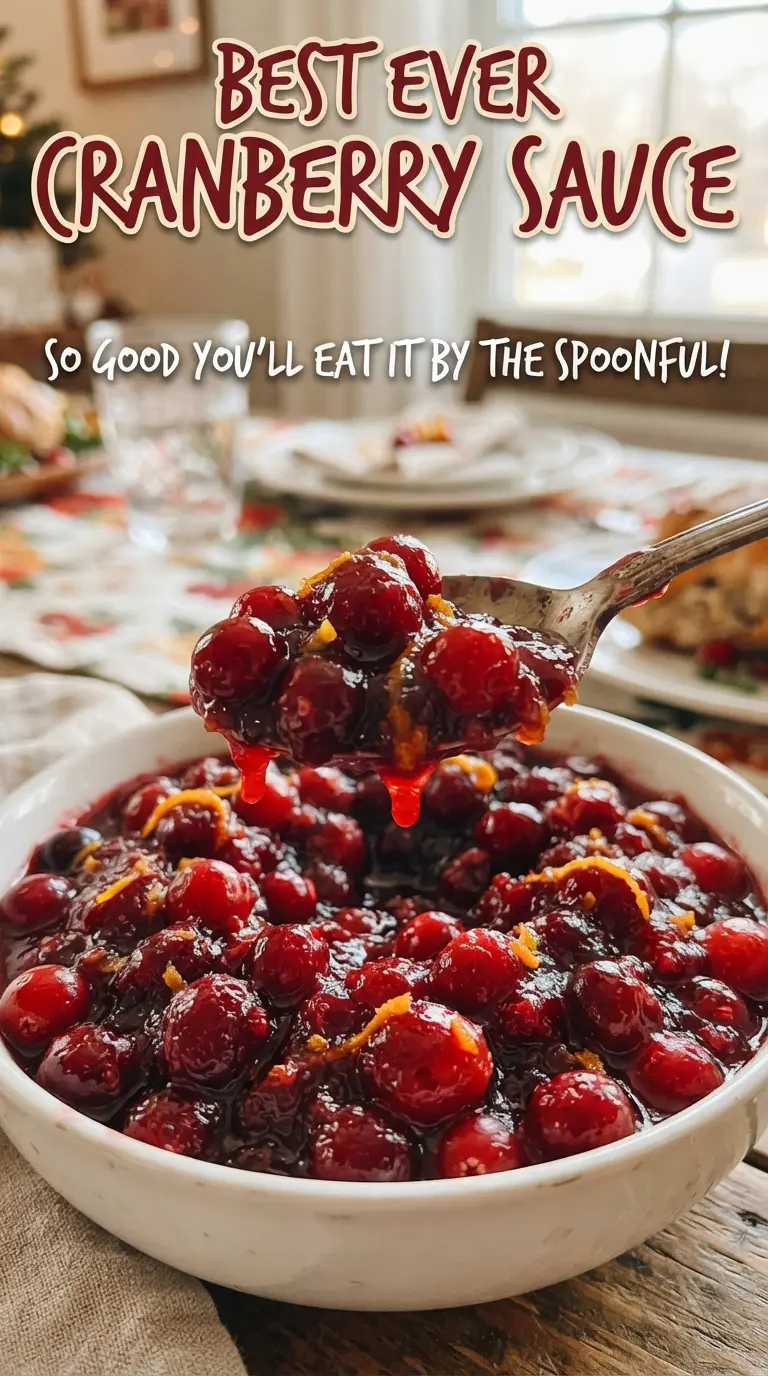
- Fresh cranberries — They’re the backbone of the sauce and the source of that classic pop. Their natural pectin helps the sauce thicken as it cools, which is why it looks looser in the pan than it does on the table.
- Granulated sugar and brown sugar — Using both keeps the sauce from tasting one-note. The granulated sugar gives clean sweetness, while the brown sugar adds depth without making the sauce taste like caramel.
- Orange juice — Use a juice you’d actually drink. Cheap, overly sweet juice can flatten the flavor, while a bright, tangy orange juice keeps the sauce lively.
- Water — Just enough to help the sugars dissolve and give the cranberries room to cook without scorching. Don’t add much more or you’ll lengthen the simmer and dilute the flavor.
- Cinnamon stick — It infuses the liquid from the start and disappears behind the fruit instead of sitting on top of it. Pull it out at the end so it doesn’t keep getting stronger as the sauce chills.
- Orange zest and vanilla extract — These finish the sauce with aroma, not extra sweetness. Stir them in after cooking so the finished sauce tastes fresh and layered.
How to Cook It Until It Thickens, Not Gums Up
Start with the syrup base
Combine the sugars, orange juice, water, cinnamon stick, and salt in a saucepan and bring it to a boil, stirring until the sugar disappears. You’re looking for a clear, smooth syrup with no gritty layer at the bottom. If the sugar sits undissolved when the cranberries go in, it can settle and make the sauce taste uneven.
Let the berries burst at their own pace
Add the cranberries and return the pan to a boil, then drop it to a steady simmer. Stir often so the berries on the bottom don’t stick and scorch, but don’t mash everything immediately — some whole berries give the sauce its best texture. As they heat, you’ll hear soft pops and see the mixture thicken from watery to syrupy.
Stop when it still looks a little loose
Simmer 10 to 12 minutes, until most of the berries have burst and the sauce coats the spoon. Don’t chase a fully thick finish in the pan; cranberry sauce tightens a lot as it cools. If it looks perfect while hot, it usually ends up too stiff once chilled.
Finish off the heat
Take the pan off the burner, remove the cinnamon stick, then stir in the orange zest and vanilla. That last step keeps the citrus bright and the vanilla from tasting cooked out. Cool the sauce to room temperature before chilling so condensation doesn’t thin the top layer and make the texture uneven.
How to Adapt This Cranberry Sauce for Different Tables
Make it smoother and more jam-like
Keep simmering for a couple extra minutes and gently mash the berries with the back of a spoon. The sauce will lose some of its chunky texture but gain a thicker, spreadable consistency that works well on biscuits, toast, or leftover sandwiches.
Make it less sweet
Cut the granulated sugar slightly and leave the brown sugar in place, or add an extra spoonful of orange juice for balance. The sauce will taste sharper and more tart, which works well if you’re serving it alongside rich meats or buttery sides.
Make it vegan or dairy-free
This recipe is already naturally vegan and dairy-free, which is part of why it’s such an easy holiday side. Just check that your orange juice is 100% juice with no added dairy-based ingredients, though that’s rare in practice.
Swap in frozen cranberries
Use the same amount straight from the freezer and add them to the pot without thawing. The sauce may need a minute or two longer to reach the right thickness, but the flavor stays just as bright.
Storage and Reheating
- Refrigerator: Store in a covered container for up to 1 week. It thickens more as it chills, so don’t judge the final texture while it’s still warm.
- Freezer: Cranberry sauce freezes well for up to 2 months. Cool it completely, then pack it into an airtight container with a little headspace because it will expand slightly.
- Reheating: Warm gently over low heat or let it come to room temperature on its own. High heat can make it splash and loosen the texture before it’s had a chance to settle back together.
Answers to the Questions Worth Asking
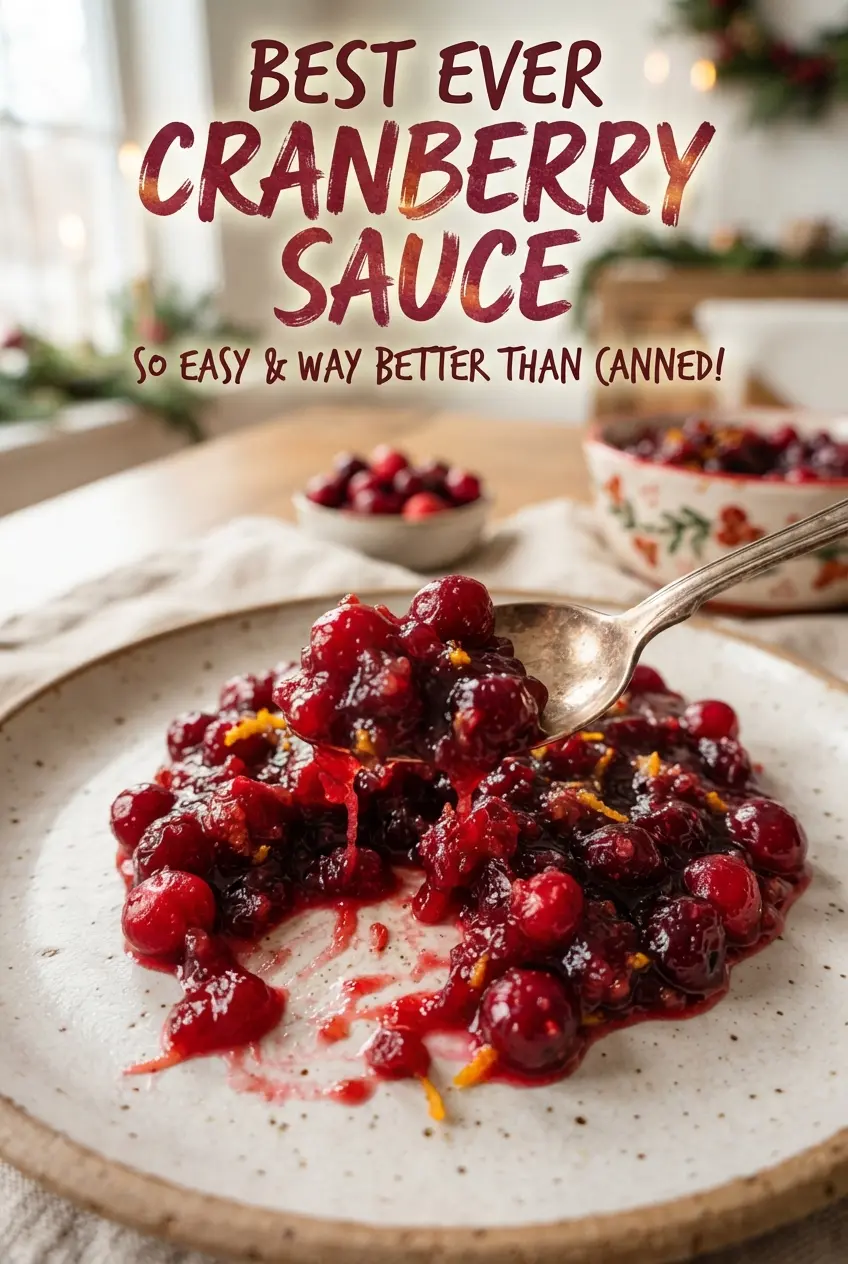
Best Ever Cranberry Sauce
Ingredients
Equipment
Method
- Combine granulated sugar, brown sugar, orange juice, water, cinnamon stick, and salt in a saucepan. Bring to a boil over medium-high heat, stirring until the sugar dissolves, about 2 minutes, with a thick syrupy look.
- Add fresh cranberries to the boiling mixture and return to a boil. Once it bubbles again, reduce heat to a gentle simmer (about 2/3 power) and cook 10-12 minutes, stirring often, until most berries burst and the sauce visibly thickens.
- Remove from heat, then stir in orange zest and vanilla extract. Discard the cinnamon stick and keep stirring until the sauce looks uniformly glossy and smooth.
- Cool the cranberry sauce to room temperature. Then chill until it thickens further, about 2 hours, for a spoonable, sliceable texture.