Silky strands of capellini coated in lemon, herbs, and Parmesan make this salad feel light without tasting flimsy. The pasta stays tender but never heavy, and the chilled dressing clings to every strand instead of pooling at the bottom of the bowl. It’s the kind of side dish that disappears fast because it wakes up a plate of grilled chicken, salmon, or anything coming off the grill.
What makes this version work is restraint. Capellini cooks in minutes, so the texture stays delicate as long as you rinse it cold and toss it gently. The dressing uses lemon juice and zest together, which gives you both brightness and that floral citrus note you miss when you use juice alone. Parmesan adds salt and body, while fresh basil and parsley keep the whole bowl tasting fresh instead of sharp.
Below, I’ve included the small details that matter most: how to keep the pasta from clumping, why the chilling time changes the texture, and a few swaps that still keep the salad balanced.
The lemon dressing soaked into the capellini just enough after chilling, and the pasta stayed separate instead of turning into a clump. I added a little extra basil and it tasted bright all the way through.
Love the bright lemon, basil, and Parmesan combination in this capellini salad? Save it to Pinterest for the next time you need a chilled pasta side that feels fresh and elegant.
The Part Most Capellini Salads Get Wrong: Overmixing the Pasta
Capellini is thinner than spaghetti, which means it goes from perfectly tender to broken and sticky faster than most pastas. The mistake is usually aggressive tossing after the dressing goes on. If you stir it like a bowl of sturdier pasta salad, the strands clump, tangle, and snap.
This salad works because the dressing goes on while the pasta is still relaxed and slightly warm from the rinse, then the bowl gets a gentle toss instead of a rough stir. That lets the lemon and oil coat the strands before the Parmesan and herbs go in. The 30-minute chill matters too: it gives the pasta time to absorb the seasoning without soaking up so much dressing that the salad turns dry.
- Capellini — The delicate texture is the point here. Thicker pasta won’t give you the same light, silky finish, and it will hold onto the dressing differently.
- Lemon juice and zest — Juice brings the acidity, but the zest gives you the fragrant citrus edge that keeps this from tasting flat. Use both lemons before you juice them so the zest stays easy to grate.
- Olive oil — A good extra-virgin oil gives the dressing enough body to cling to the pasta. A very bitter or harsh oil stands out here, so use one you’d actually enjoy on bread.
- Parmesan — This is the salt and depth in the bowl. Pre-grated cheese works in a pinch, but freshly grated melts more evenly into the dressing and clings better to the strands.
What Each Ingredient Is Actually Doing in This Bowl
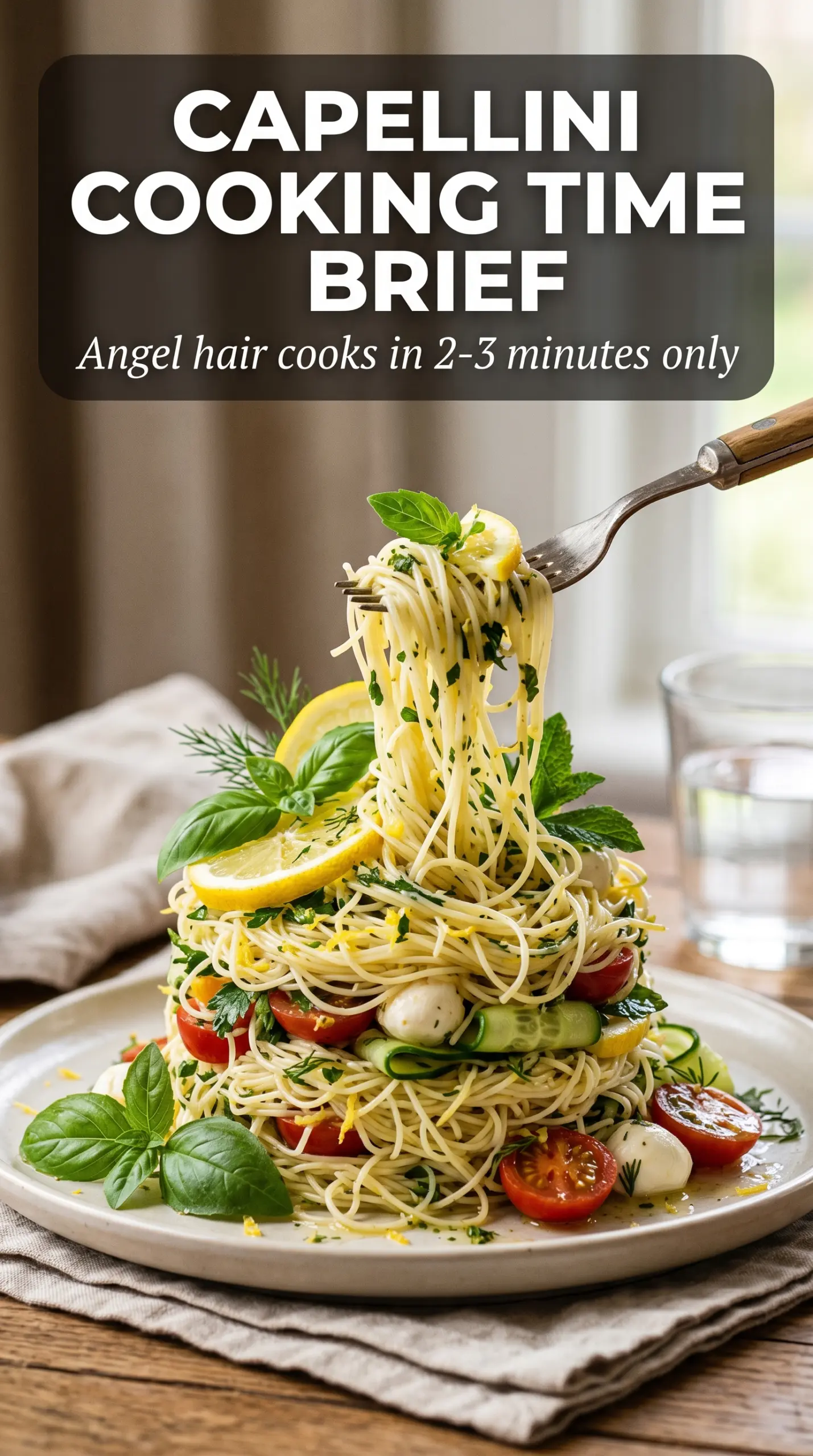
Olive oil and lemon juice form the dressing base. The oil softens the sharpness of the lemon and carries the flavor across the pasta, while the juice keeps the salad bright and clean-tasting. If your lemons are small or not very juicy, add the zest first and taste before you reach for more acid.
Garlic needs to be minced fine so it disappears into the dressing instead of landing in harsh little bites. Raw garlic can take over a delicate pasta salad if it’s too coarse, so keep it tiny or grate it on a microplane for a smoother result.
Parsley and basil give the salad its fresh, green finish. Basil brings sweetness; parsley keeps the flavor grounded. If basil is out of season or wilted, use more parsley and a small pinch of dried oregano, but don’t skip the fresh herb element entirely.
Cherry tomatoes add little bursts of juice that keep the salad from feeling one-note. Halve them so they release just enough flavor into the bowl without turning the dressing watery.
Getting the Dressing to Coat the Pasta Instead of Sitting Under It
Cook the Pasta Just to Tender
Boil the capellini only until it’s tender with no chalky center. Thin pasta keeps cooking fast after you drain it, so a minute too long can leave you with limp strands that break when you toss them. As soon as it’s done, drain it and rinse with cold water to stop the cooking and cool the surface down for the dressing.
Build the Lemon Dressing First
Whisk the olive oil, lemon juice, zest, garlic, salt, and pepper in a large bowl before the pasta goes in. That gives the garlic time to soften in the acid and keeps the seasoning even from the start. If you add everything in layers after the pasta is already in the bowl, the capellini tends to clump before the dressing is distributed.
Toss Gently, Then Chill
Add the pasta and lift it through the dressing with tongs or clean hands, using a light folding motion. Once the strands are coated, add the herbs, Parmesan, and tomatoes and toss just until combined. The salad needs 30 minutes in the refrigerator so the flavors settle and the pasta absorbs the lemon without drying out.
Make It Gluten-Free
Use a good gluten-free angel hair pasta, but watch the cook time closely because many versions go soft fast. Rinse it well and toss it immediately with the dressing so it doesn’t turn gummy as it chills.
Make It Dairy-Free
Swap the Parmesan for a salty dairy-free Parmesan alternative or leave it out and add a little extra salt plus a spoonful of finely chopped olives for depth. Without the cheese, the salad tastes sharper and lighter, so taste before serving and adjust the lemon carefully.
Add Protein for a Main Dish
Toss in chilled grilled chicken, shrimp, or white beans and keep the dressing slightly loose so the extra ingredients don’t make the bowl dry. Beans make this more filling without changing the lemon-herb character, while chicken and shrimp turn it into a full meal.
Use It as a Picnic Salad
If you’re serving it later, hold back a tablespoon or two of dressing and add it right before serving. Capellini soaks up moisture faster than sturdier pasta, and that last little refresh keeps the salad glossy instead of tight and dry.
Storage and Reheating
- Refrigerator: Store covered for up to 3 days. The pasta will absorb more dressing as it sits, so the texture gets a little tighter by day two.
- Freezer: Don’t freeze this salad. The pasta turns soft and the fresh herbs lose their clean taste after thawing.
- Reheating: Serve it cold or let it sit at room temperature for 10 to 15 minutes. Warming it changes the texture and can make the herbs wilt and the Parmesan clump.
Answers to the Questions Worth Asking
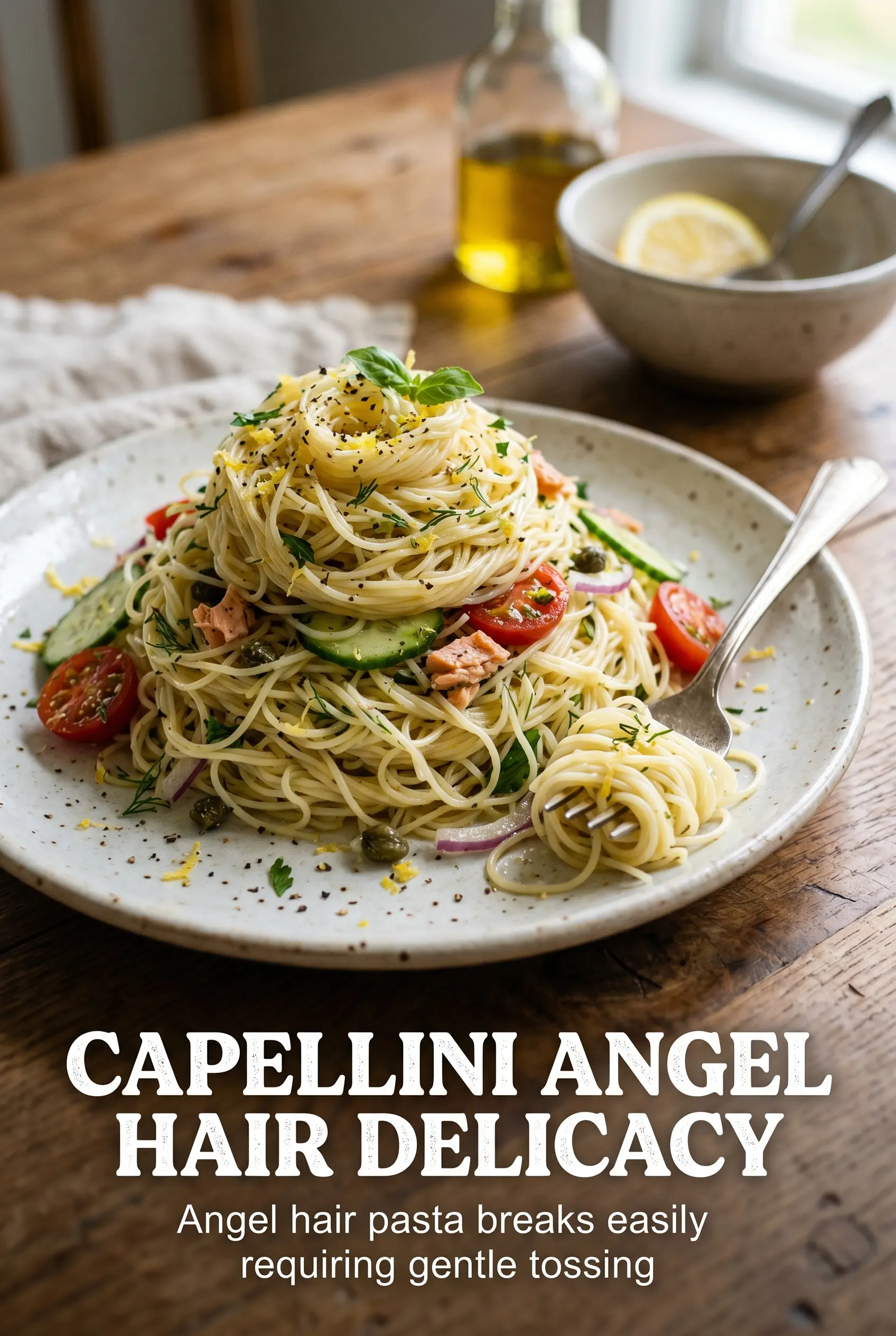
Lemon Capellini Salad
Ingredients
Equipment
Method
- Bring a large pot of water to a boil and cook the capellini according to package directions, about 3-4 minutes, until tender. Visual cue: the strands should be flexible but not mushy.
- Drain the capellini and rinse with cold water until cool to the touch. Visual cue: pasta looks glossy and individual strands separate.
- Transfer pasta to a sheet pan and spread into an even layer to cool slightly before dressing. Visual cue: thin strands lie in a single layer without tangling.
- In a large bowl, whisk olive oil, lemon juice, lemon zest, minced garlic, salt, and pepper until the dressing looks smooth and slightly opaque. Visual cue: garlic is evenly distributed with a bright lemon aroma.
- Gently toss the cooled capellini with the lemon dressing, using light folding motions to avoid breaking the delicate strands. Visual cue: every strand is lightly coated, not clumped.
- Add parsley, basil, Parmesan, and halved cherry tomatoes, then toss gently again just until combined. Visual cue: green herbs and red tomatoes are visible throughout.
- Refrigerate for 30 minutes before serving. Visual cue: the pasta firms up slightly and the dressing clings better to the strands.
- Serve chilled as a light side dish. Visual cue: a glossy, lemony sheen with herbs and zest on top.