Greek pasta salad works best when the pasta stays firm, the vegetables stay crisp, and the dressing settles into every ridge instead of pooling at the bottom of the bowl. That balance is what makes a good version worth repeating: briny olives, cool cucumber, juicy tomatoes, and feta that stays tangy instead of disappearing into the dressing.
The trick is handling each part with a little restraint. Rinsing the pasta cools it fast and washes off excess starch so the salad doesn’t turn gummy. A lemon-oregano vinaigrette gives you brightness without drowning the vegetables, and letting the bowl rest in the fridge gives the pasta time to drink in the dressing while the cucumber and onion mellow just enough.
Below, I’ve included the small details that keep this salad from going flat after chilling, plus the best swaps if you need to work with what’s in the fridge.
The dressing soaked into the pasta after chilling, but it never got soggy. The cucumbers stayed crunchy, and the feta on top made every bite taste fresh.
Greek pasta salad with lemon-oregano dressing is the kind of make-ahead side that gets better after chilling.
The Step That Keeps Greek Pasta Salad from Going Watery
The biggest problem with pasta salad is moisture management. Cooked pasta holds onto steam, tomatoes release juice, cucumbers shed water, and if the dressing goes in too soon, the whole bowl turns dull and slippery. Rinsing the pasta under cold water stops the cooking fast and cools the noodles enough that they won’t soften the vegetables on contact.
The other place this recipe succeeds is the order of assembly. Most of the feta goes in with the salad so some of it melts slightly into the dressing, but leaving a handful for the top keeps the final bowl from looking flat. The chill time matters too: two hours is enough for the lemon and oregano to settle in without breaking down the vegetables.
- Pasta shape — Rotini and penne both trap dressing well, but rotini gives you more ridges for the lemon vinaigrette to cling to. If you use a smooth pasta, the salad will taste a little less seasoned in each bite.
- Cold rinse — Don’t skip it here. This is one of the few pasta dishes where rinsing helps, because you want the noodles cool, separate, and ready to absorb dressing without turning sticky.
- Chilling time — The salad can be eaten sooner, but the flavor is better after a rest in the fridge. The pasta softens slightly and the onion loses its harsh edge.
What Each Ingredient Is Actually Doing in the Bowl
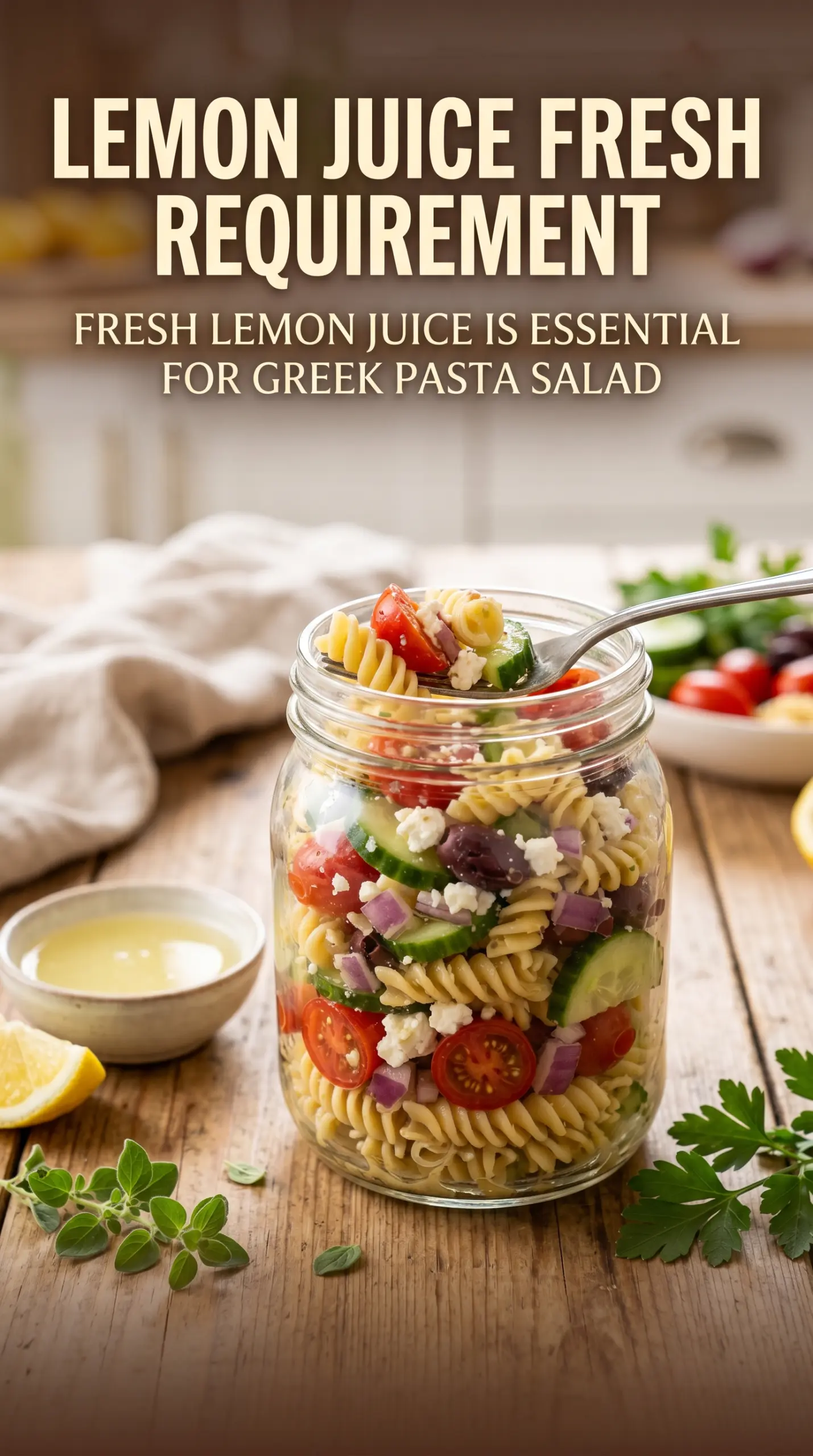
- Cherry tomatoes — Halved cherry tomatoes hold their shape better than chopped large tomatoes, and they bring enough juice to make the salad taste fresh without flooding it.
- Cucumber — Use a firm cucumber and dice it evenly so every forkful gets crunch. If the seeds are very large, scoop them out first; that keeps excess water out of the bowl.
- Kalamata olives — These bring the briny, salty backbone of the salad. Black olives can work in a pinch, but they’re milder and less complex.
- Feta — Buy a block if you can and crumble it yourself. Pre-crumbled feta is drier and loses some of that creamy-tangy finish that makes the salad taste complete.
- Lemon juice and red wine vinegar — Lemon gives brightness, vinegar adds depth, and together they keep the dressing sharp after it’s chilled. You need both for a dressing that still tastes awake the next day.
- Garlic and oregano — Fresh garlic gives the dressing bite; oregano gives it the Greek salad note people expect. Dried oregano works fine, but crush it between your fingers before adding it so it opens up in the dressing.
How to Build the Salad So It Stays Crisp After Chilling
Cooking the Pasta to the Right Point
Boil the pasta in well-salted water until it’s just tender with a little bite left in the center. If it goes soft in the pot, it will go limp after it sits in dressing. Drain it promptly, then rinse under cold water until the steam is gone and the noodles feel cool to the touch.
Whisking a Dressing That Can Stand Up to the Fridge
Whisk the olive oil, lemon juice, vinegar, garlic, oregano, salt, and pepper until the mixture looks slightly thickened and no longer separated. If you add the dressing while the pasta is warm, the oil can coat the outside too heavily and keep the flavor from soaking in. A quick whisk is enough; you’re building an emulsion, not a sauce.
Combining Without Crushing the Vegetables
Add the pasta, tomatoes, cucumber, olives, onion, and most of the feta to a large bowl before pouring in the dressing. Toss gently with a large spoon so the tomatoes stay intact and the feta doesn’t smear into paste. The last little bit of feta goes over the top after chilling, which gives the salad a clean finish and a better look on the table.
Letting the Flavor Settle In
Cover the bowl and refrigerate it for at least two hours. That pause is where the salad turns from separate ingredients into one dish, because the pasta absorbs seasoning and the onion softens just enough to blend in. If the salad seems a little dry after chilling, add a small splash of olive oil and lemon juice, then toss again.
How to Adjust Greek Pasta Salad Without Losing What Makes It Work
Gluten-Free Version
Use a sturdy gluten-free pasta shape with ridges or curls. Cook it just until done, then rinse and cool it well; gluten-free pasta can turn brittle if it’s overcooked, and it tends to soften a little more after chilling.
Dairy-Free Version
Leave out the feta and add a handful of chopped artichoke hearts or extra olives for more punch. You lose the creamy-salty contrast from the cheese, so lean a little harder on lemon and vinegar to keep the salad bright.
Make It More Filling
Toss in chickpeas or diced grilled chicken. Chickpeas keep the Mediterranean feel and hold their shape well, while chicken turns the salad into a sturdier lunch without changing the dressing.
Storage and Reheating
- Refrigerator: Store covered for up to 4 days. The pasta softens a little as it sits, but the flavor stays good.
- Freezer: Don’t freeze this salad. The cucumber and tomatoes turn watery and the feta loses its texture after thawing.
- Reheating: Serve it cold or let it sit at room temperature for 15 to 20 minutes. Reheating makes the vegetables limp and dulls the lemon dressing.
Questions I Get Asked About This Recipe
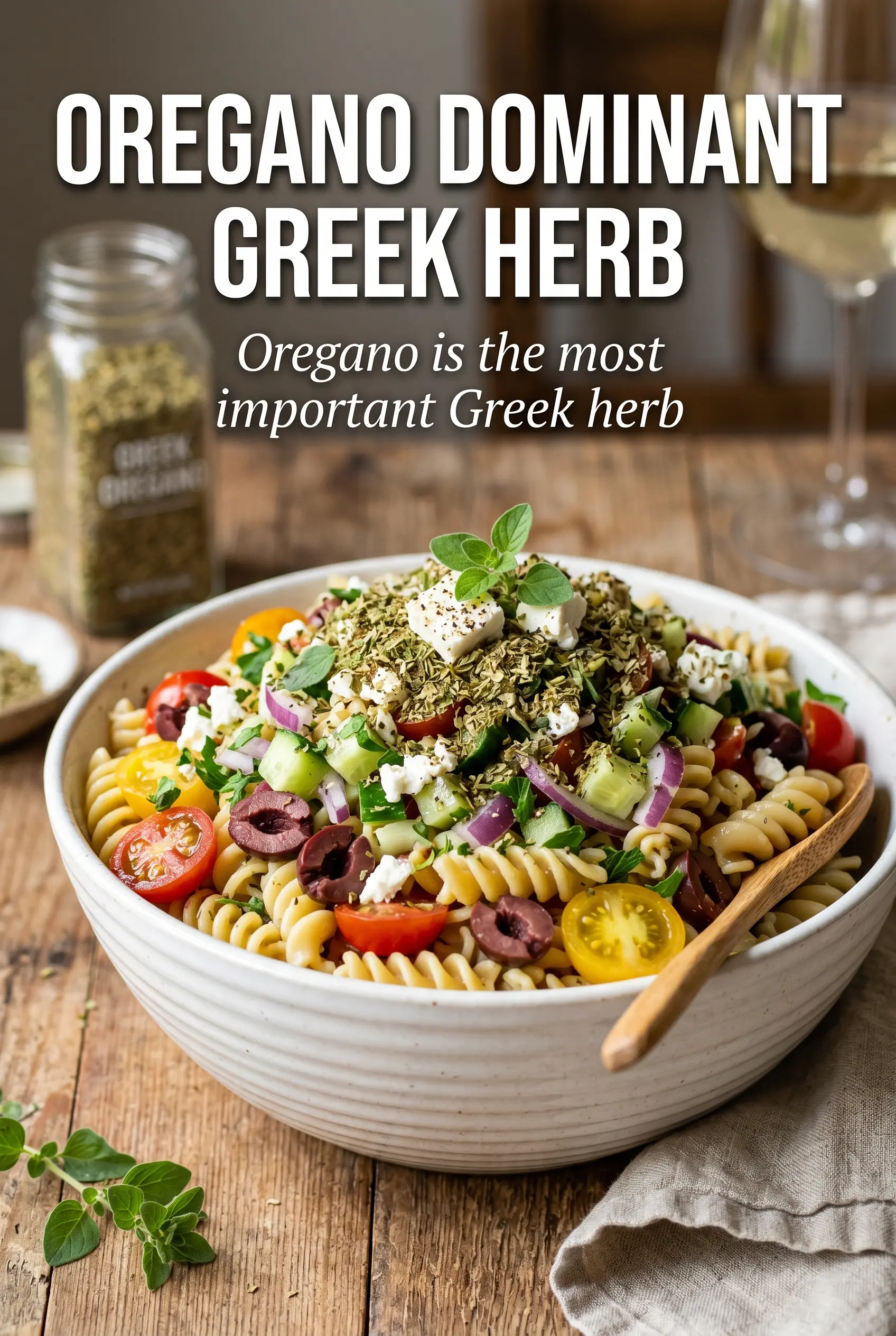
Greek Pasta Salad
Ingredients
Equipment
Method
- Cook the penne or rotini pasta according to package directions, then drain. Rinse with cold water until cool to help keep the pasta from clumping.
- Whisk olive oil, lemon juice, red wine vinegar, minced garlic, oregano, salt, and pepper until combined. Continue whisking until the mixture looks uniform and glossy.
- Combine the cooled pasta, halved cherry tomatoes, diced cucumber, Kalamata olives, thinly sliced red onion, and most of the crumbled feta in a large bowl. Toss to distribute the ingredients evenly.
- Pour the lemon-oregano dressing over the salad and toss gently until the pasta is lightly coated. Visual cue: you should see dressing pooling lightly on the pasta and vegetables.
- Refrigerate for at least 2 hours to chill and let the pasta absorb the flavors. Cover the bowl to prevent the salad from drying out.
- Top the chilled salad with the remaining feta before serving. Serve cold for the cleanest feta-and-vegetable contrast.