Baked mac and cheese earns its place when the sauce clings to every noodle and the top turns into a browned, bubbling lid with a little crunch at the edges. The best versions aren’t watery in the middle or greasy on top. They hold together on the spoon, stretch when you lift them, and still feel creamy after the casserole rests.
The trick is building a sauce that’s thick enough before the cheese goes in, then stopping the pasta early so it finishes in the oven instead of turning soft and mushy. Evaporated milk brings extra body without making the sauce heavy, and the mix of sharp cheddar and Gruyere gives you both punch and melt. Smoked paprika and dry mustard don’t make it taste “spiced”; they round out the cheese flavor so it tastes fuller and more balanced.
Below you’ll find the small details that keep the sauce smooth, the topping golden, and the texture right from the first scoop to the last.
The sauce stayed silky and didn’t split, and the top baked into that perfect golden crust my kids kept picking off first.
Save this baked mac and cheese for the nights when you want that creamy center and browned cheese crust without a fussy sauce.
The Part Where Most Baked Mac and Cheese Turns Grainy
The sauce for baked mac and cheese fails in two common ways: it never thickens enough, or the cheese goes in over heat that’s too high and turns stringy or grainy. A proper roux gives you the body this dish needs before the dairy even hits the pan. Once the milk goes in, the sauce should simmer long enough to lose that raw flour taste and look glossy and slightly elastic when you drag a spoon through it.
That thickness matters because the oven is only finishing the dish. If the sauce is thin in the pot, it’ll still be thin in the casserole, and the macaroni will drink up even more moisture as it bakes. Pull the pan off the heat before adding the cheese, then stir until it melts smooth. That’s how you keep the sauce creamy instead of split.
- Roux — The butter and flour mixture is what gives the sauce structure. Cook it for a full minute so the flour loses its raw taste, but don’t let it brown or you’ll change the flavor and color of the finished dish.
- Whole milk — This gives the sauce richness without making it too heavy. Lower-fat milk works in a pinch, but the sauce won’t have the same body.
- Evaporated milk — This is the quiet advantage in the recipe. It brings concentrated dairy flavor and extra creaminess, which helps the sauce stay stable in the oven.
- Sharp cheddar and Gruyere — Cheddar gives the familiar mac and cheese bite; Gruyere melts smoothly and adds depth. Pre-shredded cheese works, but freshly shredded melts cleaner and smoother.
What Each Cheese Is Doing in the Sauce
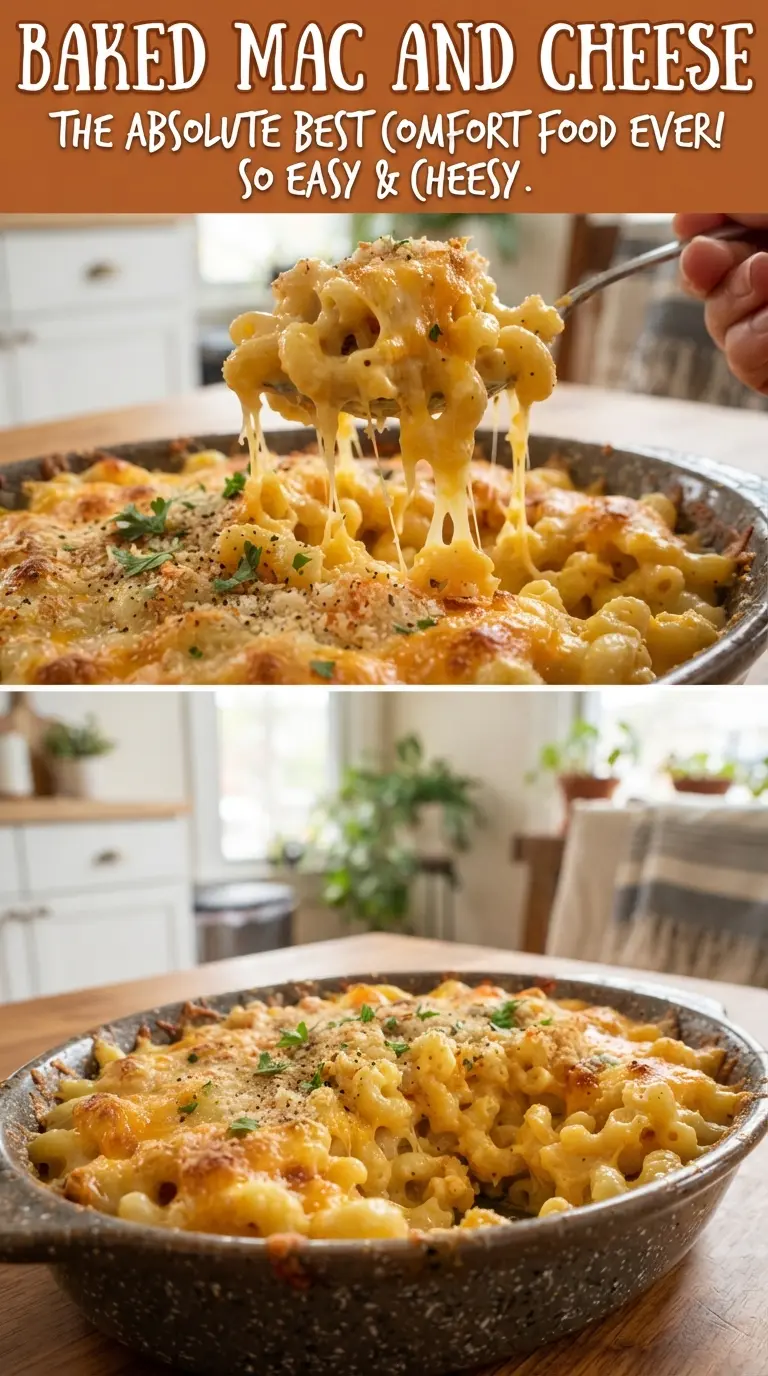
Sharp cheddar is the backbone here. It brings the classic mac and cheese flavor people expect, but on its own it can turn a little oily or stiff once baked. That’s why it gets paired with Gruyere or Colby jack, which melt more smoothly and help the sauce stay lush instead of dense.
The pasta matters more than it looks like it should. Elbow macaroni traps sauce inside its curves, and undercooking it by a couple minutes keeps it from collapsing in the oven. The butter, flour, and milk base is there to coat every piece, not drown it, so the finished casserole slices and scoops instead of running across the plate.
- Elbow macaroni — Short pasta with ridges or curves catches sauce best. Cook it until it still has a firm center so it can finish in the oven without turning soft.
- Dry mustard — It doesn’t make the dish taste mustardy. It sharpens the cheese flavor and keeps the sauce from tasting flat.
- Smoked paprika — This adds a warm background note and a little color. It’s subtle, but it gives the finished dish more depth.
- Colby jack instead of Gruyere — This is the easiest swap if you want a milder, more familiar flavor. The sauce will still melt well, but it won’t have quite the same nutty edge.
Building the Casserole So It Bakes Creamy, Not Dry
Cooking the Pasta Short on Purpose
Boil the macaroni until it’s just shy of done, then drain it well. If it’s fully cooked before it goes into the oven, the final texture goes soft fast. The pasta should still have a slight bite because it’s going to absorb sauce while it bakes.
Thickening the Sauce Before the Cheese Goes In
Whisk the milk in slowly and keep it moving until the sauce turns smooth and glossy. Let it simmer long enough to coat the back of a spoon. If it still looks loose in the pot, it won’t magically tighten in the oven.
Melting the Cheese Off the Heat
Take the pan off the burner before stirring in the cheese. High heat is what makes dairy seize or turn oily, especially with sharper cheeses. Add the cheese in batches and stir until the sauce looks silky before folding in the pasta.
Baking Until the Top Blisters
Spread the mixture into the buttered dish and top it with the remaining cheese. Bake until the edges are bubbling and the top has deep golden spots. Let it rest for 10 minutes before serving so the sauce settles back into the pasta instead of running everywhere on the plate.
Make It a Little Smokier
Swap half of the Gruyere for smoked Gouda if you want a deeper, woodsy flavor. The texture stays creamy, but the finished dish leans richer and a little more savory. Keep the cheddar in the mix so the sauce still has that familiar sharp mac and cheese backbone.
Gluten-Free Version
Use a sturdy gluten-free elbow pasta and a 1:1 gluten-free flour blend for the roux. Cook the pasta just until barely tender, because gluten-free noodles can soften faster in the oven. The sauce will still bake up creamy as long as you simmer it until thick before adding the cheese.
Lighter Cheese Blend
If you want a milder dish, replace the Gruyere with Colby jack and keep the cheddar sharp. The casserole will still melt well, but it will taste gentler and less nutty. That’s a good move if you’re serving a mixed crowd or kids who like a softer cheese flavor.
Storage and Reheating
- Refrigerator: Store covered for up to 4 days. The sauce will firm up as it chills, and the pasta will keep absorbing moisture.
- Freezer: It freezes well in portions. Wrap tightly once cooled, then thaw overnight in the fridge before reheating for the best texture.
- Reheating: Warm covered in a 325F oven with a splash of milk stirred in if it looks dry. Microwave reheating works for individual portions, but stop and stir halfway through so the cheese sauce doesn’t separate.
Questions I Get Asked About This Recipe
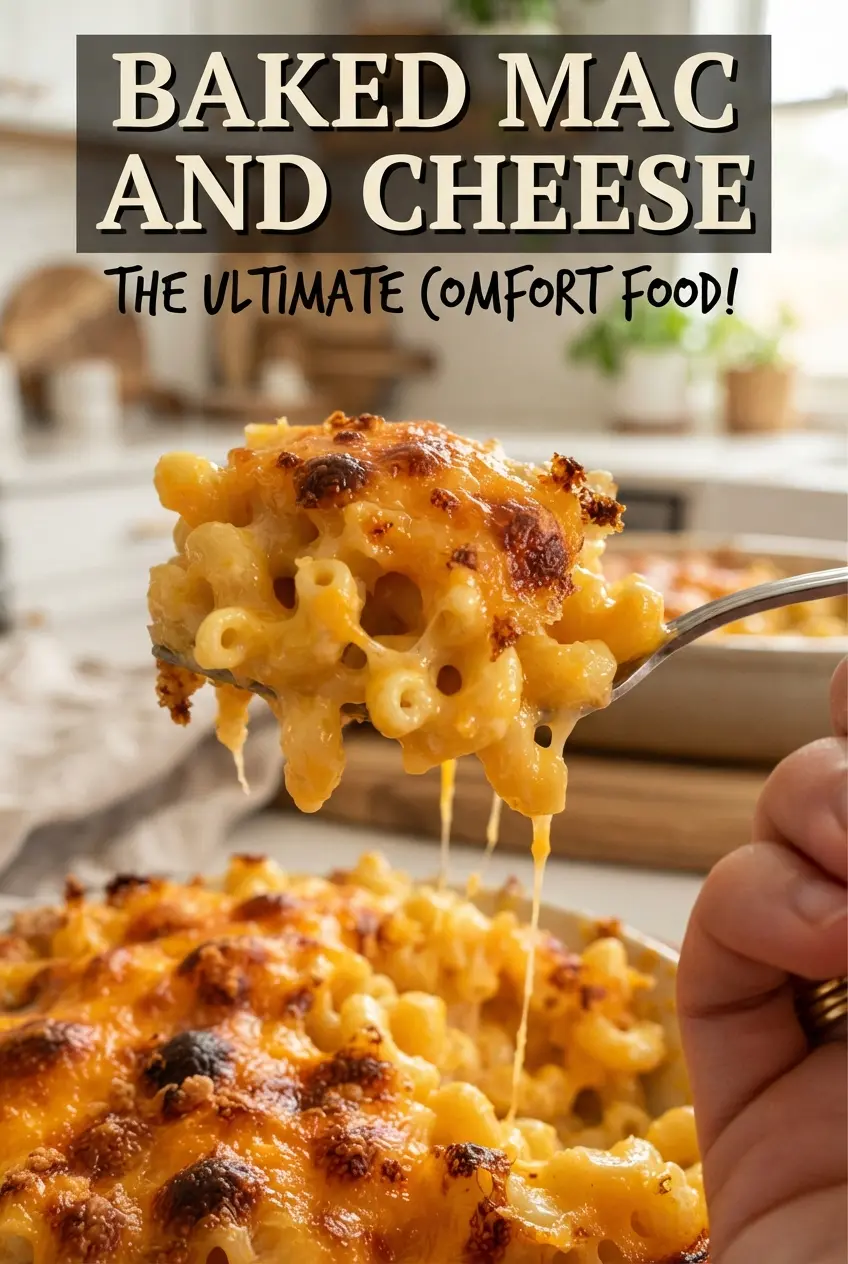
Baked Mac and Cheese
Ingredients
Equipment
Method
- Preheat the oven to 350F, then butter a 9x13-inch baking dish.
- Cook the macaroni 2 minutes less than package directions, then drain.
- Melt the butter in a saucepan, whisk in the flour, and cook for 1 minute.
- Slowly whisk in the whole milk and evaporated milk, keeping the mixture smooth.
- Simmer for 5-6 minutes until thickened, then season with salt, black pepper, dry mustard, and smoked paprika.
- Stir in 3 cups shredded sharp cheddar and 1 1/2 cups Gruyere until fully melted, then fold in the pasta.
- Pour the mac and cheese into the baking dish and top with the remaining cheese.
- Bake for 25-30 minutes until bubbly and golden, then rest 10 minutes before serving (cheese will set as it cools).