Thick, glossy cranberry sauce that tastes bright instead of cloying earns a permanent place on the table. This version sets up with that jammy spoonable texture that clings to turkey, biscuits, and leftover sandwiches without running all over the plate. The whole berries burst just enough to give you a mix of soft skins, tender fruit, and a sauce that looks as good as it tastes.
The trick is starting the sugar and water together so the syrup is fully dissolved before the cranberries go in. That keeps the sauce smooth and prevents gritty pockets of sugar at the bottom of the pan. A short simmer is enough here; once the berries pop, the natural pectin does the rest as the sauce cools.
Below you’ll find the small timing details that matter, plus a few smart ways to adjust the sweetness or make it ahead without losing that set texture.
The sauce thickened up perfectly after chilling, and the berries stayed just a little chunky instead of turning into purée. It tasted bright, not overly sweet, and I used the leftovers on toast all week.
Save this jammy 3 Ingredient Cranberry Sauce for the side dish that thickens as it cools and slices cleanly on the holiday plate.
The Reason Cranberry Sauce Turns Thin, and How This One Sets Up
Most cranberry sauce looks finished in the pan and only reveals its true texture after it cools. That’s where people get tripped up. If you stop cooking too early, the berries won’t break down enough to release their pectin, and the sauce stays loose. If you boil it hard for too long, the berries collapse completely and you lose that nice mix of whole fruit and jammy sauce.
This recipe lands in the middle. The syrup is fully dissolved first, which keeps the base smooth, then the cranberries simmer just long enough to burst and thicken the liquid. The sauce will still look a little thin when you pull it off the heat. That’s normal. It tightens up a lot as it chills.
- Fresh cranberries — They bring the tartness and natural pectin that make this set without any extra thickeners. Frozen cranberries work too; add them straight from the freezer and expect the simmer to take a minute or two longer.
- Granulated sugar — This balances the sharp berries and helps the sauce take on that glossy finish. Brown sugar changes the flavor toward caramel and molasses, which is fine, but it stops tasting classic.
- Water — It creates the syrup that gently cooks the berries. Orange juice can replace part of it if you want a citrus note, but keep some plain water in the mix so the sauce doesn’t turn sticky-sweet.
What Each Ingredient Is Doing in the Pot
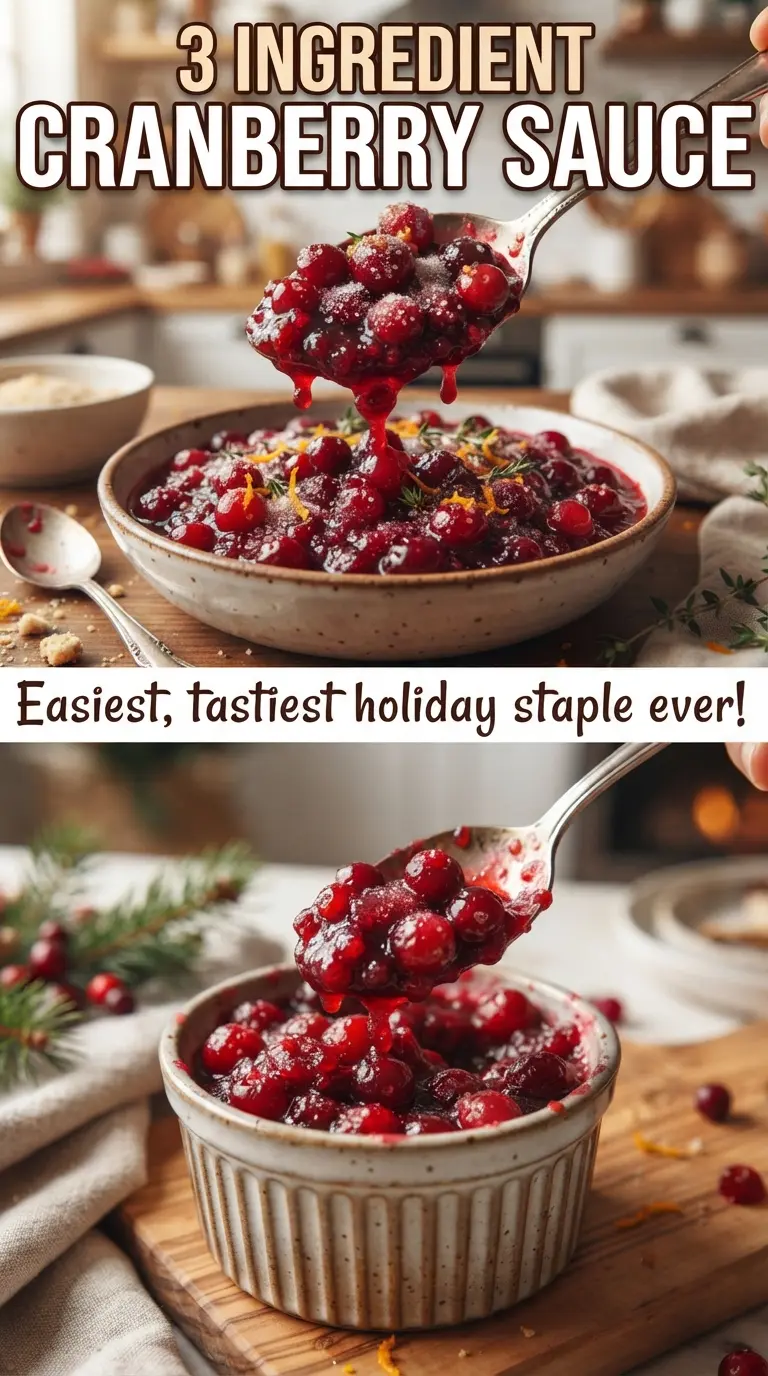
- Fresh cranberries — They’re the whole point of the recipe, and their skins hold enough structure to give you texture after cooking. Pick through them first and toss any soft or shriveled berries, since one bad berry can dull the batch.
- Granulated sugar — It doesn’t just sweeten; it helps the sauce thicken by drawing liquid from the fruit and creating a syrup that turns glossy as it reduces. If you cut the sugar too far, the sauce can taste harsh and stay loose.
- Water — The cranberries need enough liquid to move freely and burst evenly. Use the full cup; too little liquid and the sugar can catch before the berries start releasing their juice.
Cooking the Berries Until They Burst, Not Until They Collapse
Dissolving the Sugar First
Combine the water and sugar in a saucepan and bring them to a boil, stirring until the crystals disappear. You want a clear syrup before the fruit goes in, not a grainy base with undissolved sugar hiding on the bottom. If you add the cranberries too early, they can cool the liquid before the sugar is fully dissolved and leave you with a sandy texture.
Letting the Cranberries Pop
Add the cranberries and bring the pot back to a boil, then lower the heat and let it simmer for about 10 minutes. Stir occasionally so the berries on the bottom don’t scorch, and listen for the pops as they burst. The sauce should look loose and glossy when it comes off the heat, with some berries still intact for texture.
Cooling for the Set
Remove the pan from the heat and let the sauce cool completely before chilling. This is the part that does the real work of thickening. If you judge it while it’s hot, it will look too thin and tempt you to cook it longer, which is how you end up with a jammy paste instead of a spoonable sauce.
Make It Brighter with Orange
Swap 1/4 to 1/2 cup of the water for orange juice and add a little orange zest at the end. The sauce gets a fresher, more aromatic finish and a softer sweetness. Keep the total liquid the same so the texture still sets properly.
Less Sweet, More Tart
Reduce the sugar by up to 1/4 cup if you like a sharper cranberry edge. The sauce will taste brighter and less candy-like, but it will also set a little less firmly, so chill it longer before serving.
Dairy-Free, Gluten-Free, and Naturally Vegetarian
The base recipe already fits all three without any changes. That’s part of why it works so well on a crowded holiday table: it brings a fresh, sharp contrast without needing special substitutions or separate prep.
Storage and Reheating
- Refrigerator: Store in a covered container for up to 1 week. It gets firmer as it sits, which is exactly what you want.
- Freezer: It freezes well for up to 2 months. Thaw overnight in the refrigerator and stir before serving if any liquid separates.
- Reheating: Cranberry sauce is usually best served cold or at room temperature. If you want it warm, heat it gently over low heat just until loosened. Don’t boil it again or the texture can turn too soft and watery.
Answers to the Questions Worth Asking
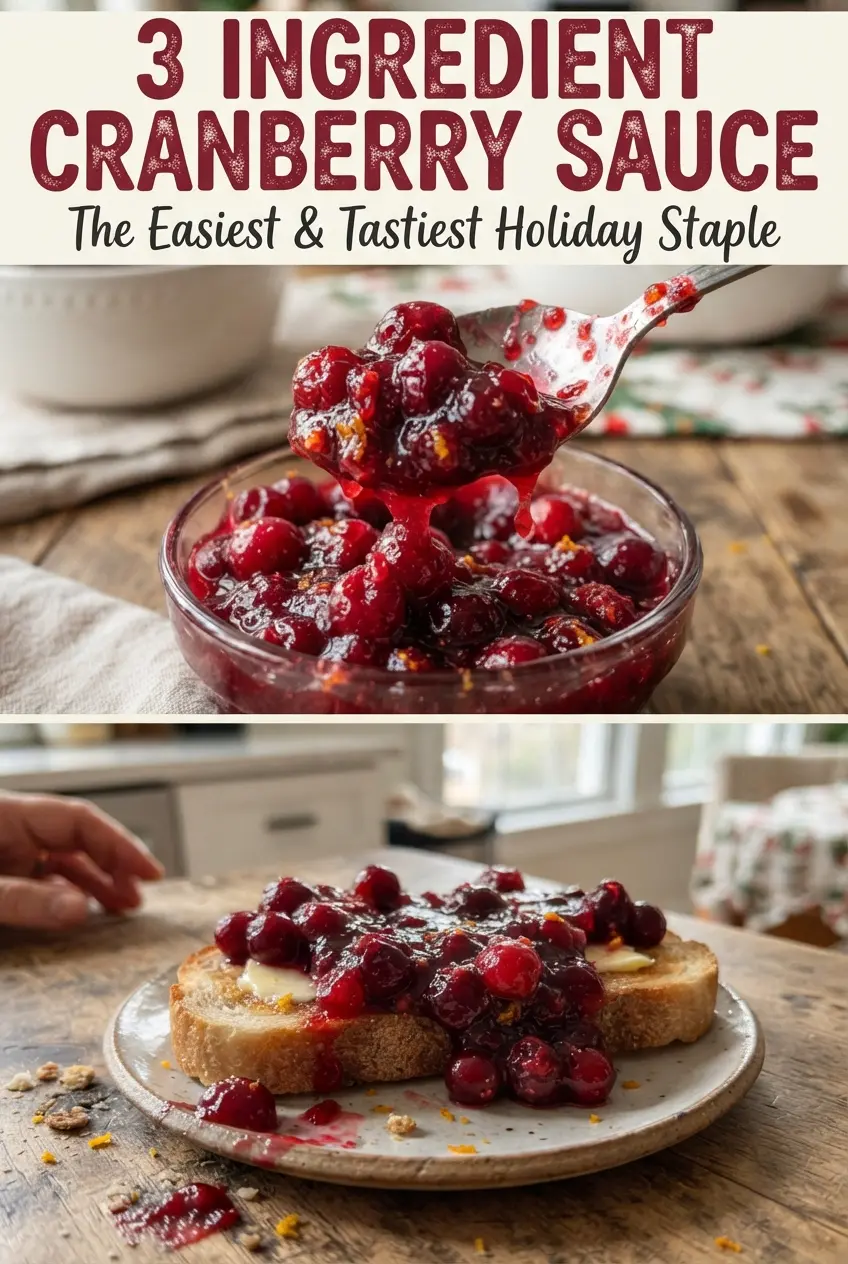
3 Ingredient Cranberry Sauce
Ingredients
Equipment
Method
- In a saucepan, bring the sugar and water to a boil over medium-high heat, stirring until the sugar dissolves (about 1–2 minutes). Look for clear syrup with no visible sugar granules.
- Add the fresh cranberries and return the mixture to a boil, stirring to coat the berries. Watch for the mixture to bubble again at a steady boil.
- Reduce the heat to medium-low and simmer for 10 minutes, stirring occasionally. The berries should burst and the sauce should look glossy and thicker.
- Remove from heat and cool completely at room temperature. The sauce will thicken as it cools.
- Chill until serving. Serve cold for a spoonable, jammy texture.