Vegan pasta salad works best when it’s bright, crisp, and coated in a dressing that clings instead of pooling at the bottom of the bowl. The good versions have contrast in every bite: tender pasta, juicy tomatoes, cool cucumber, sweet peppers, and chickpeas that make the whole thing feel substantial enough to stand on its own.
What sets this version apart is the tahini dressing. Tahini gives you that creamy, nutty body without dairy, and lemon juice loosens it into something pourable while keeping the flavor sharp. The pasta gets rinsed cold so it doesn’t soak up all the dressing before serving, and the salad chills for an hour so the garlic mellows and the dressing settles into the noodles.
Below, I’m walking through the ingredient choices that matter, the one step that keeps the salad from turning heavy, and a few variations that make this easy to fit whatever’s in your fridge.
The tahini dressing coated every piece of pasta without turning gluey, and after an hour in the fridge the flavors were balanced instead of flat. Even the cucumber stayed crisp.
Love the creamy tahini dressing and crunchy vegetables in this vegan pasta salad? Save it to Pinterest for easy lunches, potlucks, and make-ahead side dishes.
The Dressing Needs a Little More Than Just Whisking
Tahini can seize up fast when lemon juice hits it, which is why this dressing looks thick and almost stubborn at first. That’s normal. Keep whisking and add water a tablespoon at a time until it turns smooth and glossy, like a loose hummus that can coat the back of a spoon.
The other mistake is overdressing the salad before the pasta cools. Warm pasta drinks in the dressing and softens the vegetables. Cold pasta holds its shape, keeps the cucumbers crisp, and gives the tahini time to settle into a creamy coating instead of disappearing.
- Tahini — This is the backbone of the dressing. It gives body and richness that olive oil alone can’t match. If yours is thick or separated, stir it well before measuring.
- Lemon juice — This wakes up the dressing and cuts the earthiness of the tahini. Fresh lemon matters here because bottled juice can taste flat in a simple dressing like this.
- Dijon mustard — A small amount helps emulsify the dressing and gives it a sharper finish. You don’t taste mustard specifically, but you’d miss it if it were gone.
- Chickpeas — These turn the salad from a side dish into something you can actually eat as lunch. They soak up dressing without falling apart, so canned chickpeas are perfect.
Building the Salad So the Vegetables Stay Crisp
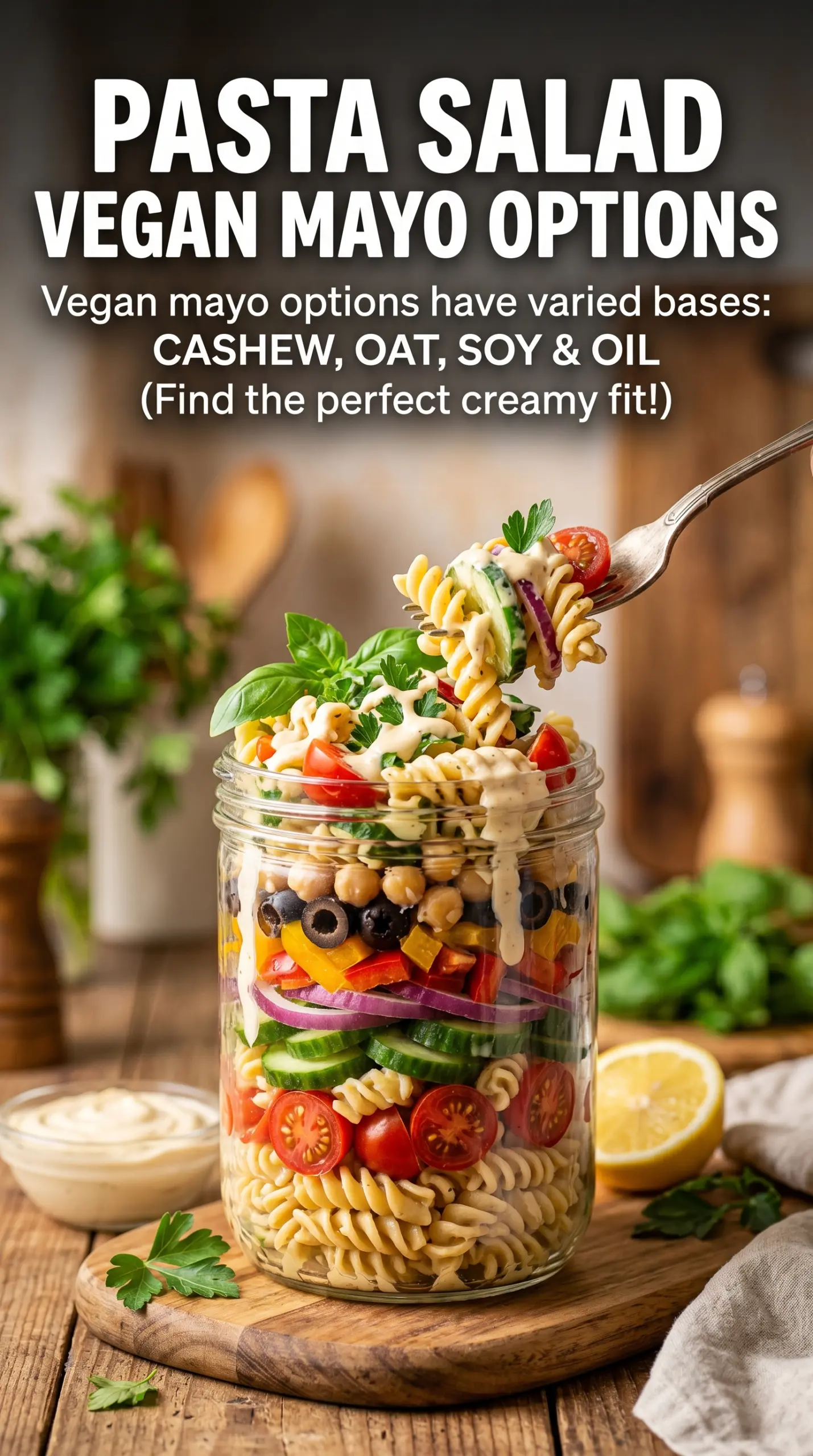
Cook the pasta until it’s just tender, then drain it and rinse it under cold water right away. That stops the cooking and keeps the noodles from turning soft after chilling. If you skip the rinse, the pasta keeps steaming in the bowl and the whole salad leans mushy.
Mix the Dressing First
Whisk tahini, lemon juice, olive oil, garlic, Dijon, salt, and pepper together before you touch the vegetables. The dressing needs a minute to smooth out, and the garlic tastes better once it sits in the acid for a few minutes. Add water slowly until it’s creamy but pourable; if it’s too thick, it won’t coat evenly.
Toss While the Pasta Is Dry
Combine the cooled pasta with the vegetables and chickpeas in a large bowl, then pour the dressing over top. Toss until every piece looks lightly coated. If there’s standing dressing at the bottom, the pasta was still too wet or the dressing was too thin, so give it a minute and toss again.
Chill Before Serving
Refrigerate the salad for at least an hour. This resting time matters because the flavors settle and the dressing thickens slightly as it sits. Give it one more toss before serving, then finish with fresh herbs for a clean, fresh note.
How to Adapt This for Different Fridges and Different Diets
Make It Gluten-Free
Use a sturdy gluten-free pasta with a shape that traps dressing, like rotini or shells. Cook it just until tender, then rinse it well and toss with the dressing while it’s cool so it doesn’t break down and turn gummy in the fridge.
Swap the Chickpeas for White Beans
Cannellini beans or great northern beans work if that’s what you have. They’re softer and a little creamier than chickpeas, which makes the salad feel milder, but they don’t hold their shape quite as well after a day or two.
Use a Different Nut or Seed Dressing
If tahini isn’t your thing, sunflower seed butter works in the same amount. It keeps the dressing dairy-free and creamy, though the flavor is a little more rustic and less nutty. Add the water slowly either way, because seed butters can thicken fast.
Storage and Reheating
- Refrigerator: Store covered for up to 4 days. The pasta will soften a little and the vegetables will lose some crunch, but the flavor stays good.
- Freezer: This doesn’t freeze well. The vegetables turn watery and the dressing separates after thawing.
- Reheating: Don’t reheat this salad. It’s meant to be served cold or cool. If it looks dry after chilling, stir in a splash of lemon juice or a spoonful of water to loosen the dressing before serving.
Questions I Get Asked About This Recipe
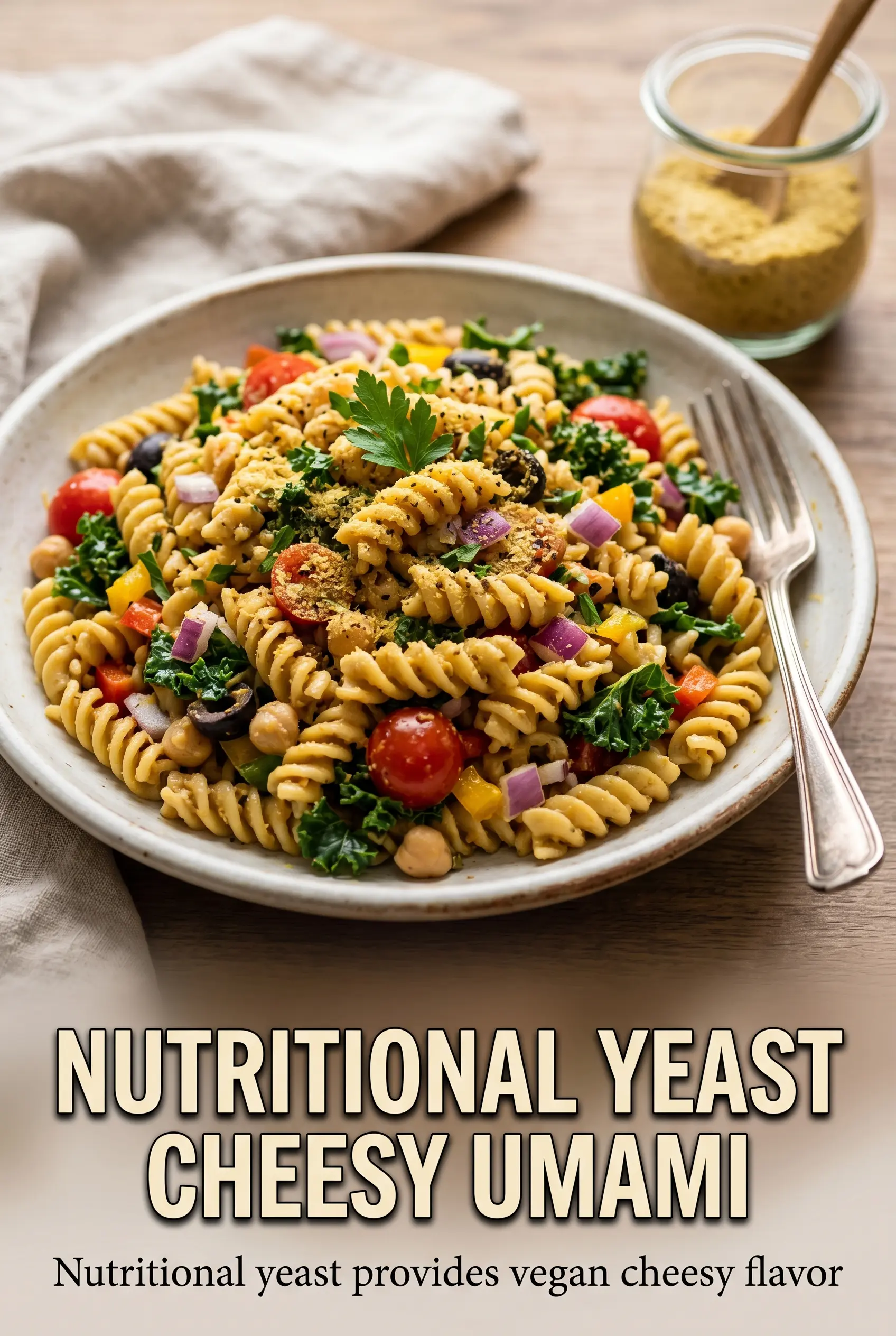
Vegan Pasta Salad
Ingredients
Method
- Cook pasta according to package directions until tender, then drain and rinse with cold water to stop the cooking (visual cue: pasta is cool and no longer sticky).
- Whisk tahini, lemon juice, olive oil, garlic, Dijon mustard, salt, and pepper, adding water a little at a time to reach desired consistency (visual cue: dressing becomes smooth and pourable).
- Combine pasta, cherry tomatoes, cucumber, bell peppers, red onion, and chickpeas in a large bowl (visual cue: colors are evenly distributed).
- Pour dressing over the salad and toss to coat thoroughly (visual cue: pasta and vegetables look lightly glossy with creamy dressing).
- Refrigerate for at least 1 hour to let flavors meld and the dressing thicken slightly (visual cue: salad looks more cohesive after chilling).
- Garnish with fresh herbs before serving (visual cue: bright green flecks on top).