Juicy grilled chicken starts with a marinade that actually seasons the meat all the way through, not just a surface coating that tastes fine for the first bite and fades after that. This one balances salt, acid, fat, and a little sweetness so the chicken comes off the grill tender, deeply savory, and browned in all the right places.
The trick is in the balance. Soy sauce and Worcestershire bring the backbone, lemon juice keeps the flavor bright, Dijon helps the marinade cling, and brown sugar encourages those caramelized grill marks without turning sticky or burnt. Letting the chicken sit long enough matters, but so does not pushing the acid too far — enough time gives you flavor, too much can make the texture mushy, especially on thin cuts.
Below you’ll find the small details that make this marinade work on everything from breasts to thighs, plus the timing ranges I actually use so the chicken stays juicy instead of drying out over the fire.
The chicken stayed juicy even after a hot grill, and the marinade caramelized just enough without burning. I used thighs and the flavor went all the way through, not just on the outside.
Grilled chicken marinade with lemon, Dijon, and garlic is the one to keep for juicy, well-browned chicken every time.
The Marinade Won’t Save Dry Chicken Unless You Handle the Heat Right
Marinade helps, but it doesn’t forgive overcooking. The most common reason grilled chicken turns tough is that the outside looks done before the center actually is, especially with breasts or thin cutlets. Pulling the chicken at 165°F and letting it rest for a few minutes keeps the juices in the meat instead of on the cutting board.
This marinade also walks a line between flavor and texture. The lemon juice brightens the chicken, but it shouldn’t sit for days on delicate pieces or the surface can start to tighten up. Four to 24 hours is the useful window here, with thighs forgiving a longer soak than breasts.
What Each Ingredient Is Doing in the Marinade
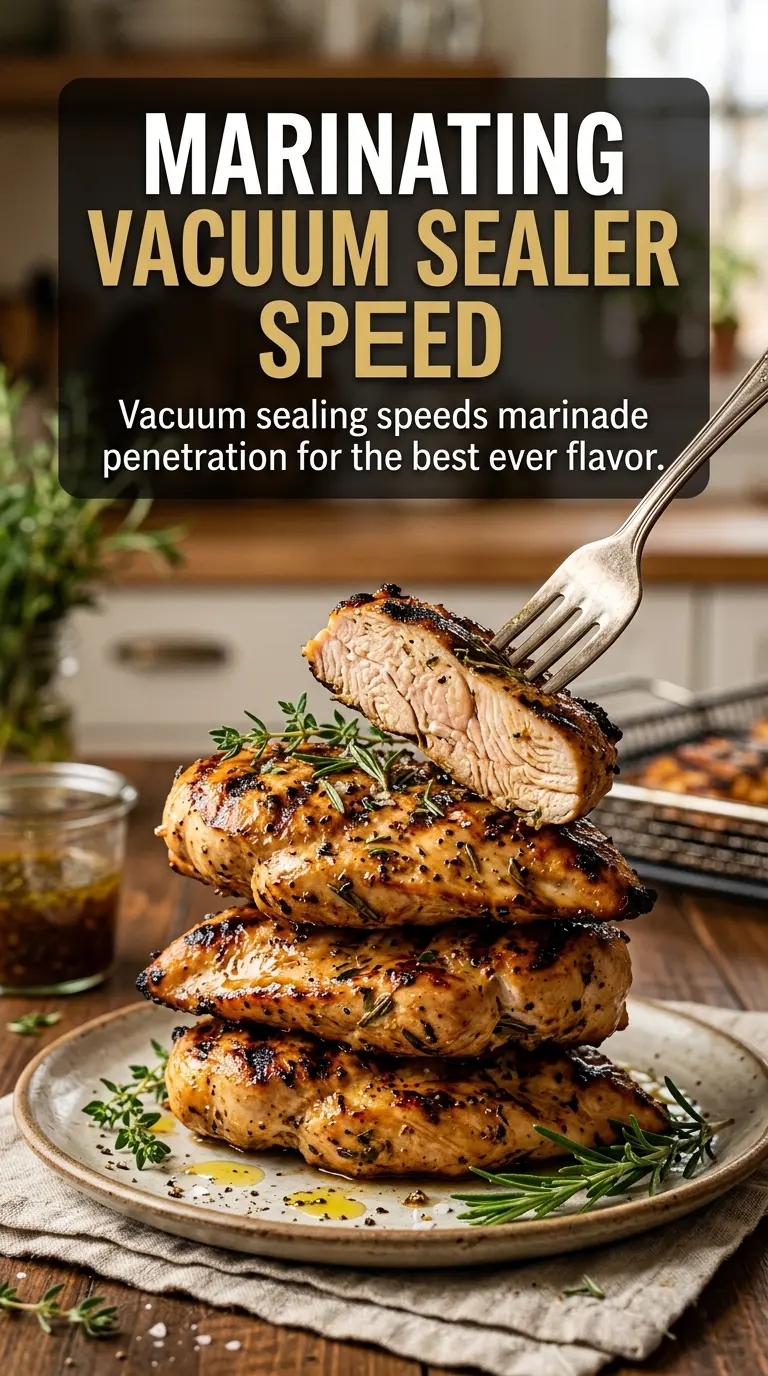
- Olive oil — Carries the seasonings and helps the chicken brown instead of sticking to the grates. A plain, mid-range oil is fine here; save the fancy finishing oil for the table.
- Soy sauce — This does the heavy lifting for salt and savory depth. Use regular soy sauce, not low-sodium, unless you want to bump the seasoning elsewhere.
- Lemon juice — Adds brightness and helps the marinade penetrate. Fresh juice tastes cleaner than bottled here, and that little difference shows up once the chicken hits the grill.
- Worcestershire sauce — Gives the marinade a deeper, rounded savoriness that plain salt can’t mimic. If you need a swap, use a small splash of balsamic plus a bit more soy sauce, but the flavor won’t be quite as layered.
- Dijon mustard — Helps emulsify the marinade so it clings to the chicken instead of sliding off the moment you add it. This is one of the ingredients that makes the coating look glossy and stay put.
- Brown sugar — Balances the acid and encourages caramelization on the grill. Too much sugar can scorch, so don’t increase it unless you’re grilling over a gentler fire.
- Garlic and dried herbs — These make the marinade smell like something you want to eat before it even hits the grill. Mince the garlic fine so it distributes evenly and doesn’t burn in clumps.
Building the Marinade, Grilling the Chicken, and Knowing When to Stop
Whisk the Marinade Until It Looks Unified
Start by whisking the oil, soy sauce, lemon juice, Worcestershire, Dijon, brown sugar, garlic, pepper, and herbs until the sugar dissolves and the mixture looks thickened and glossy. If the marinade looks separated right away, keep whisking; the Dijon helps bring it together. You want the garlic and herbs suspended, not sunk in a puddle at the bottom.
Give the Chicken Enough Time to Absorb Flavor
Place the chicken in a zip-top bag or shallow dish and coat it evenly with the marinade. Four hours is enough for good flavor, while overnight gives you the fullest result on thicker pieces and thighs. Don’t push this past 24 hours, especially with lemon juice in the mix, or the texture can turn a little stringy on the outside.
Grill Hot Enough for Marks, Not So Hot That It Burns
Preheat the grill to medium-high and let the grates get fully hot before the chicken goes on. Lift the chicken out of the marinade and let the excess drip off so the sugars don’t flare up immediately. If the fire is too aggressive, the outside will darken before the inside cooks through, so keep one cooler area on the grill in case you need to move it.
Rest Before You Slice
When the chicken reaches 165°F at the thickest point, transfer it to a plate and let it rest for 5 to 10 minutes. That pause keeps the juices in the meat instead of spilling out the second you cut in. If you slice too early, even perfectly grilled chicken can look dry.
How to Adapt This Marinade for Different Cuts and Eating Styles
For chicken breasts that dry out fast
Use thinner, even pieces and keep the marinating time closer to 4 to 8 hours. Breasts are lean, so they take on flavor quickly but lose moisture just as fast if they sit too long or cook past 165°F.
For thighs or drumsticks with more forgiveness
Thighs can handle the full 24 hours and still stay tender. Their extra fat stands up to the acid better, and they brown beautifully on the grill without needing constant babysitting.
For a gluten-free version
Use gluten-free soy sauce or tamari and keep everything else the same. You’ll still get the same balance of salt, sweetness, and acidity without changing the way the chicken grills.
For a lower-sugar version
Cut the brown sugar in half if you want less sweetness and a little less browning. The chicken will still taste balanced, but the grill marks will be a touch subtler.
Storage and Reheating
- Refrigerator: Store cooked chicken for up to 4 days. It stays usable for salads, sandwiches, and bowls, though the grill crust softens a bit in the fridge.
- Freezer: Cooked chicken freezes well for up to 2 months. Slice it first and freeze in a tight container so it thaws evenly instead of drying in one thick block.
- Reheating: Reheat gently in a covered skillet with a splash of water or in the oven at low heat. High heat makes grilled chicken tough fast, especially breast meat, so warm it just until hot.
Answers to the Questions Worth Asking
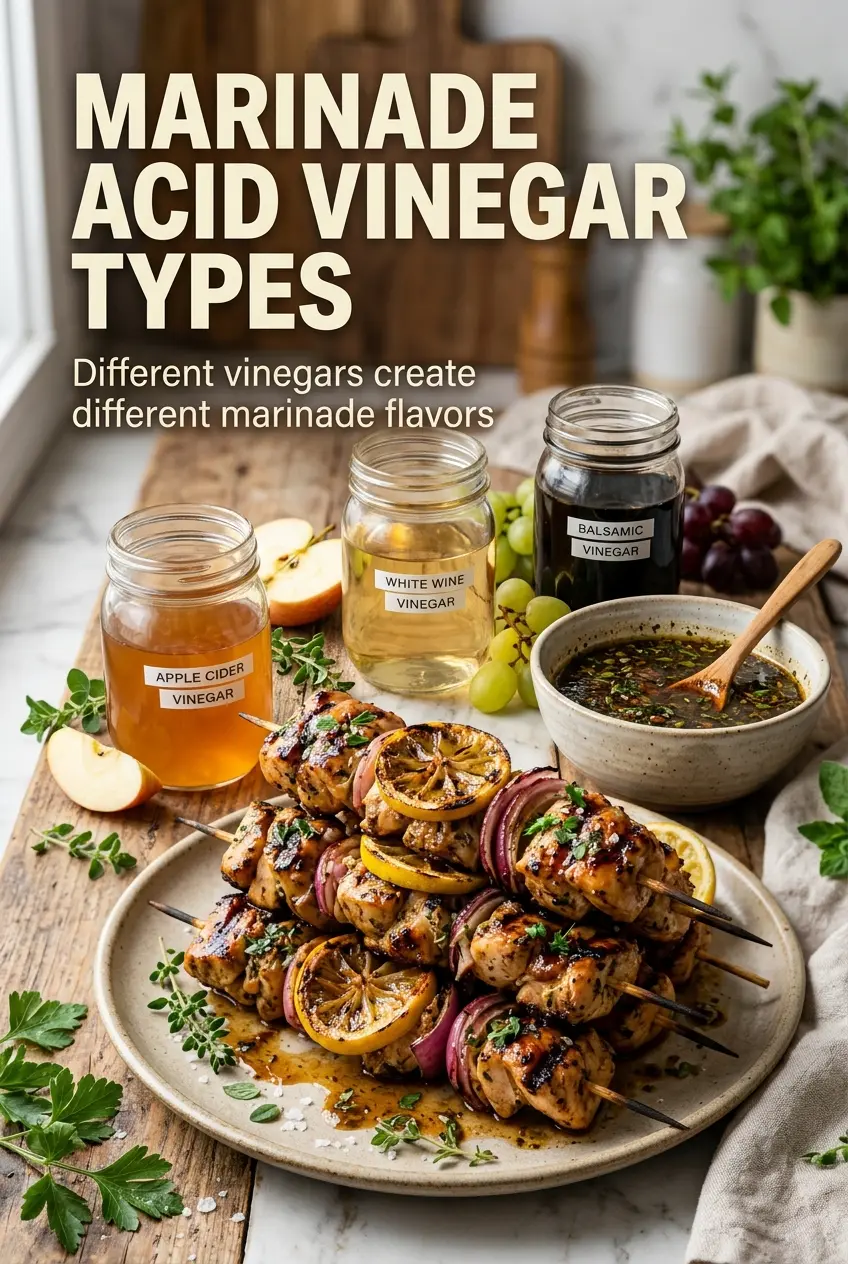
The Best Ever Grilled Chicken Marinade
Ingredients
Equipment
Method
- Whisk together olive oil, soy sauce, lemon juice, Worcestershire sauce, Dijon mustard, minced garlic, brown sugar, black pepper, and dried herbs until evenly combined and glossy.
- Place the chicken in a large zip-top bag and pour the marinade over it, pressing out excess air so the surface is coated.
- Marinate in the refrigerator for 4-24 hours for best results, turning the bag once halfway through when convenient.
- Preheat the grill to medium-high heat so the grates are hot enough to sear on contact.
- Grill the chicken until the internal temperature reaches 165°F, adjusting timing based on cut and thickness.
- Let the chicken rest for 5-10 minutes before serving to keep juices inside and improve texture.