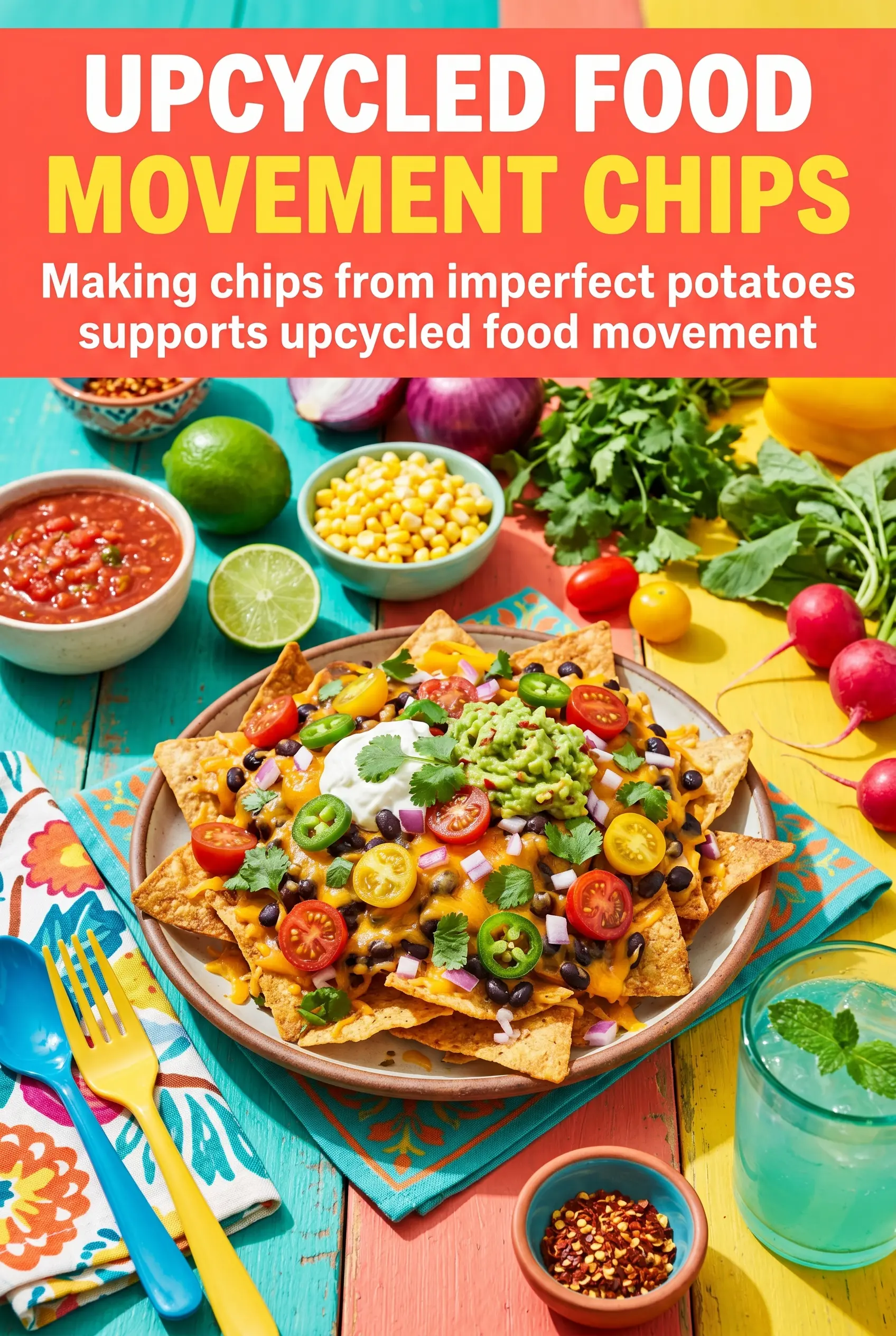
Layered nachos are at their best when every chip gets a little cheese, a little topping, and no chance to sit under a soggy pile. This version keeps the chips crisp enough to hold, with melted cheese acting like the glue that pulls the whole pan together. The payoff is a tray that disappears fast because you get salty, crunchy, cheesy bites with a hit of beef, beans, and fresh toppings in every scoop.
The trick is in the layering. Cheese goes down first and last so it blankets the chips and helps anchor the beef and beans without letting everything slide off. The broiler finishes the job in minutes, which means you’re melting the cheese instead of drying out the chips. The cold toppings go on after the pan comes out, not before, so the sour cream, salsa, and guacamole stay bright and the tomatoes don’t steam the whole tray.
Below, I’ve included the small details that keep nachos from turning clumpy or limp, plus a few smart ways to change them up depending on what you have in the kitchen.
The cheese melted into every layer and the chips stayed crisp under the beef and beans. I took them out right when the edges started bubbling and they were gone in minutes.
Save these layered beef and cheese nachos for the next game day, because the broiler finish and fresh topping layer make them disappear fast.
Why the Cheese Goes in Two Layers, Not One
Most nacho trays fail because everything gets dumped on top of dry chips all at once. The chips at the bottom stay plain, the toppings slide off, and the cheese turns patchy instead of binding the tray together. Splitting the cheese into two layers solves that problem. The first layer starts melting down into the chips and catches the beef and beans. The second layer covers the filling so the broiler can finish with a full, even melt.
The other mistake is broiling too long. You want the cheese fully melted and bubbling at the edges, not browned into an oil slick. Once the cheese goes from glossy to blistered, the chips underneath start taking on heat too fast and lose their crunch. Pull the pan the moment the cheese looks unified and soft.
- Layered cheese — This acts like edible glue and keeps the toppings from rolling off every chip.
- Black beans — They add body and make the nachos feel substantial without needing more beef.
- Jalapeños — Use them for heat that stays bright after broiling. Pickled jalapeños give a sharper bite, while fresh sliced peppers taste cleaner and a little greener.
- Fresh toppings after baking — Sour cream, guacamole, salsa, tomatoes, and cilantro belong on after the pan comes out. If they go on earlier, they steam and water down the cheese.
What Each Ingredient Is Doing in the Pan
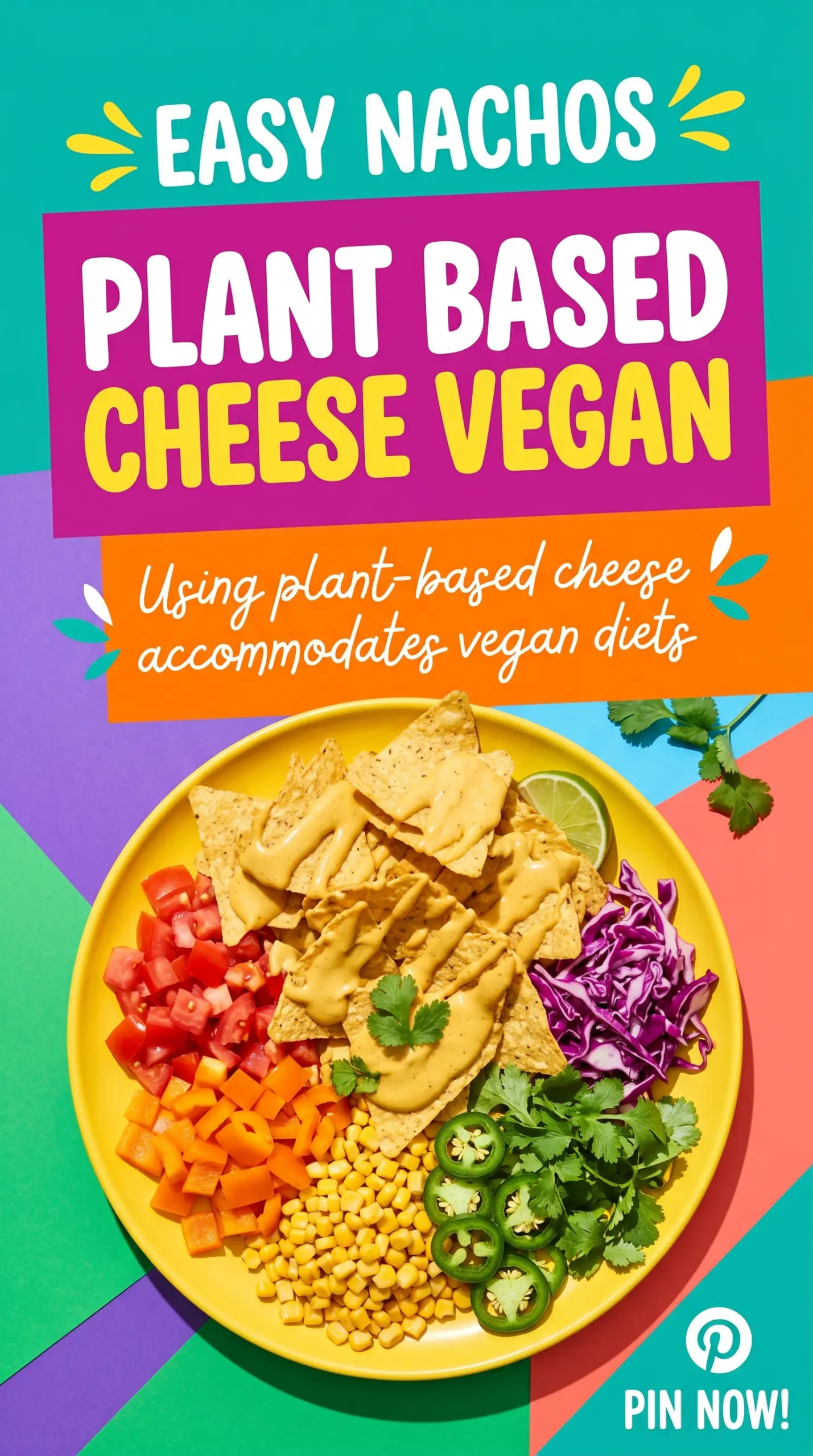
- Tortilla chips — Sturdy restaurant-style chips hold up best. Thin chips break under the weight of the toppings and turn soft faster.
- Mexican cheese blend — A shredded blend melts more smoothly than a single hard cheese. Pre-shredded works fine here, though freshly shredded cheese melts a touch cleaner if you have the time.
- Ground beef — This gives the nachos their savory backbone. Drain off excess fat after browning so the chips don’t get greasy.
- Taco seasoning — This seasons the beef fast and evenly. If your packet tastes salty, add a splash of water and let it reduce with the meat so the seasoning clings instead of sitting in the pan.
- Black beans — They stretch the filling and add a soft contrast to the crunch. Rinse them well or they’ll carry a muddy can flavor.
- Sour cream, guacamole, salsa, cilantro, lime — These finish the dish with cool, creamy, and acidic notes. Lime is worth serving every time because it wakes up the cheese and beef at the table.
Build the Tray in the Right Order
Browning the Beef
Cook the ground beef in a skillet over medium heat until it loses its pink color and starts to take on some browned bits. Those browned bits matter; they give the meat more flavor than a pale, steamed filling ever will. If there’s a lot of fat in the pan, spoon it off before adding the seasoning so the nachos don’t end up oily.
Seasoning and Reducing
Add the taco seasoning and follow the packet directions, usually with a little water so the spices can cling to the meat. Let the liquid cook down until the beef looks coated, not soupy. If the mixture is still wet when it goes onto the chips, the center of the tray softens fast.
Layering the Chips and Cheese
Spread the tortilla chips across a large baking sheet in one even layer. Scatter half the cheese first, then the beef, black beans, and jalapeños, then finish with the remaining cheese. That top layer helps lock the fillings in place and gives the broiler a surface to melt evenly.
Broiling to the Bubble Point
Broil the tray for 3 to 5 minutes, watching it closely the whole time. The cheese should look melted and actively bubbling at the edges. If the pan sits too close to the broiler for too long, the cheese can scorch before the center melts, and the chips underneath lose their crunch.
Finishing with Cold Toppings
Pull the pan out and add the tomatoes, olives, sour cream, guacamole, salsa, cilantro, and lime wedges right away. The heat from the tray warms the toppings just enough without cooking them. Serve immediately while the chips are still crisp around the edges and the cheese is stretchy.
How to Adapt These Nachos for Different Crowds and Diets
Vegetarian nachos with extra beans
Skip the beef and double the black beans, or add pinto beans for a softer, creamier bite. You’ll lose the meaty savoriness, so lean harder on the taco seasoning and add a little extra cheese to keep the tray rich and satisfying.
Spicier party nachos
Use hot jalapeños, add a pinch of cayenne to the beef, or drizzle on hot sauce after baking. The key is to push heat through both the meat and the garnish so the spice doesn’t disappear under the cheese.
Gluten-free nachos
Tortilla chips are naturally gluten-free, but check the taco seasoning packet because some blends include wheat-based fillers. Use a seasoning mix you trust, and the rest of the recipe works the same way.
Storage and Reheating
- Refrigerator: Store leftover toppings and beef separately for up to 3 days. Assembled nachos turn soft fast, so don’t expect the chips to stay crisp overnight.
- Freezer: The beef freezes well for up to 2 months, but the finished nachos don’t freeze well because the chips and fresh toppings lose their texture.
- Reheating: Reheat the beef on its own, then build a fresh tray of chips and cheese before broiling again. Microwaving the whole platter makes the chips rubbery and the cheese greasy.
Answers to the Questions Worth Asking
Easy Nachos
Ingredients
Equipment
Method
- Brown the ground beef in a skillet until no longer pink. Stir in the taco seasoning and cook according to the package directions until thickened and fragrant.
- Preheat the oven to broil and spread tortilla chips on a sheet pan in an even layer. Make sure the chips form a single layer so they stay crisp.
- Sprinkle half the shredded Mexican cheese blend over the chips. Cover the surface evenly so the cheese melts into a layer.
- Add the seasoned beef, black beans, and jalapeños over the chips and cheese. Distribute in an even layer so each bite includes toppings.
- Top with the remaining shredded Mexican cheese blend. Broil for 3-5 minutes until the cheese is melted and bubbly, with lightly browned spots at the edges.
- Remove the sheet pan from the oven and immediately top with diced tomatoes, sliced black olives, sour cream, guacamole, and salsa. Add right away so everything warms slightly under the melted cheese.
- Garnish with fresh cilantro and serve with lime wedges. Squeeze lime over nachos to brighten the flavors before eating.