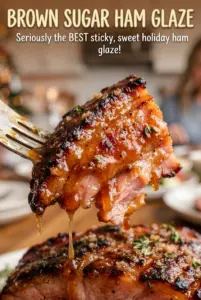
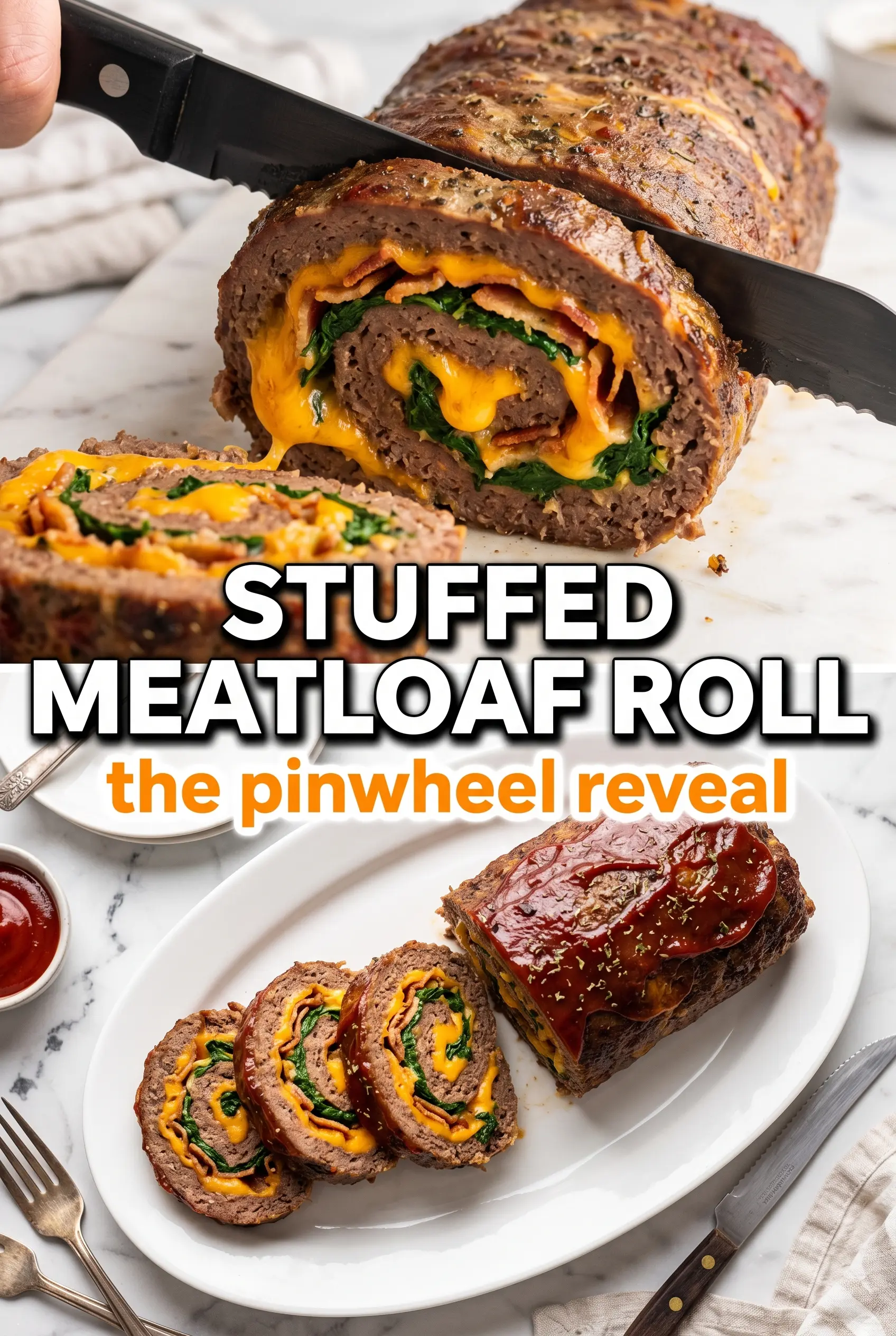
Slice into this stuffed meatloaf roll and the first thing you notice is the spiral. Mozzarella or provolone melts into the center, roasted red peppers bring a sweet, concentrated bite, and the spinach keeps each slice from feeling heavy. It looks like a special occasion dinner, but it bakes with the same straightforward rhythm as a regular meatloaf.
The trick is treating the meat mixture like a sheet, not a mound. Pressing it into an even rectangle gives you a tighter roll and cleaner slices later. Squeezing the spinach dry matters more than people think, and patted-dry peppers keep the filling from leaking steam into the meat. That’s what helps this roast hold its shape instead of collapsing into a loose loaf.
Below you’ll find the exact moment to roll, how to keep the seam closed, and the small details that make the cross-section stay neat instead of sloppy. It’s the kind of dinner that earns a pause at the table before anyone even takes the first bite.
The roll held together beautifully and the cheese stayed right in the center. Slicing it after the rest made the spirals clean, and the roasted peppers kept it from tasting heavy.
Save this stuffed meatloaf roll for a dinner that slices into a cheesy, pepper-studded spiral every time.
The Reason This Meatloaf Rolls Clean Instead of Splitting
Most stuffed meatloaf failures start before the oven even turns on. The meat is too loose, the filling is too wet, or the roll gets handled too roughly and cracks the second it’s moved. Here the mixture needs enough structure to hold a rectangle, but not so much mixing that it turns dense. You want the beef just combined, with the breadcrumbs and egg binding everything without turning the texture pasty.
The other thing that matters is balance. Roasted peppers and spinach bring moisture and brightness, but only if they’re drained properly. If the filling is wet, the meat steams instead of browning, and the spiral slips when you cut it. A thin marinara-and-oil glaze on top gives color without drowning the loaf, which helps the exterior stay neat while the center stays tender.
- Ground beef — A mix that isn’t too lean gives the roll enough richness and helps it stay juicy. Very lean beef can dry out before the center reaches temperature.
- Italian breadcrumbs — They absorb milk and meat juices, which helps the loaf slice cleanly instead of crumbling. Plain crumbs work in a pinch, but add a little extra Italian seasoning.
- Provolone or mozzarella — Provolone gives a little more savory edge; mozzarella melts softer and milder. Use sliced cheese, not shredded, so the center stays in a visible layer instead of disappearing into the meat.
- Roasted red peppers — Pat them dry after draining. That small step keeps excess liquid from loosening the roll.
- Spinach — Wilt it first, then squeeze it hard. Fresh raw spinach shrinks too much in the oven and leaves pockets of water behind.
- Marinara glaze — Just enough to help the top color and echo the Italian-American flavors inside. A thick sauce works best because thin sauce tends to run off the loaf.
What Each Ingredient Is Actually Doing in This Recipe
- Primary ingredient (the star) — Quality matters most. Choose the best you can find.
- Cooking medium (oil, butter, or broth) — This carries flavors and prevents dryness.
- Seasonings (salt, pepper, spices, herbs) — Layer flavors so nothing overpowers. Build depth gradually.
- Aromatics (garlic, onion, herbs) — Cook with fat to bloom flavors. Become the foundation.
- Supporting ingredients — Complement the main ingredient without overpowering it.
- Sauce or liquid (if applicable) — Brings flavors together. Balance richness with acid.
- Acid (lemon, vinegar, wine, or other) — Brightens and prevents flat-tasting results.
- Final finish (garnish, glaze, or sauce) — Prevents one-dimensional taste and adds visual appeal.
Rolling the Loaf So the Spiral Stays Tight
Mixing the Meat Without Overworking It
Combine the beef, breadcrumbs, eggs, parmesan, milk, garlic, Italian seasoning, Worcestershire sauce, salt, and pepper just until everything is evenly distributed. The mixture should feel cohesive and soft, not sticky and elastic. If you keep kneading it, the finished loaf turns dense and the slices get rubbery. Use your hands, but stop as soon as the ingredients look uniform.
Shaping the Rectangle
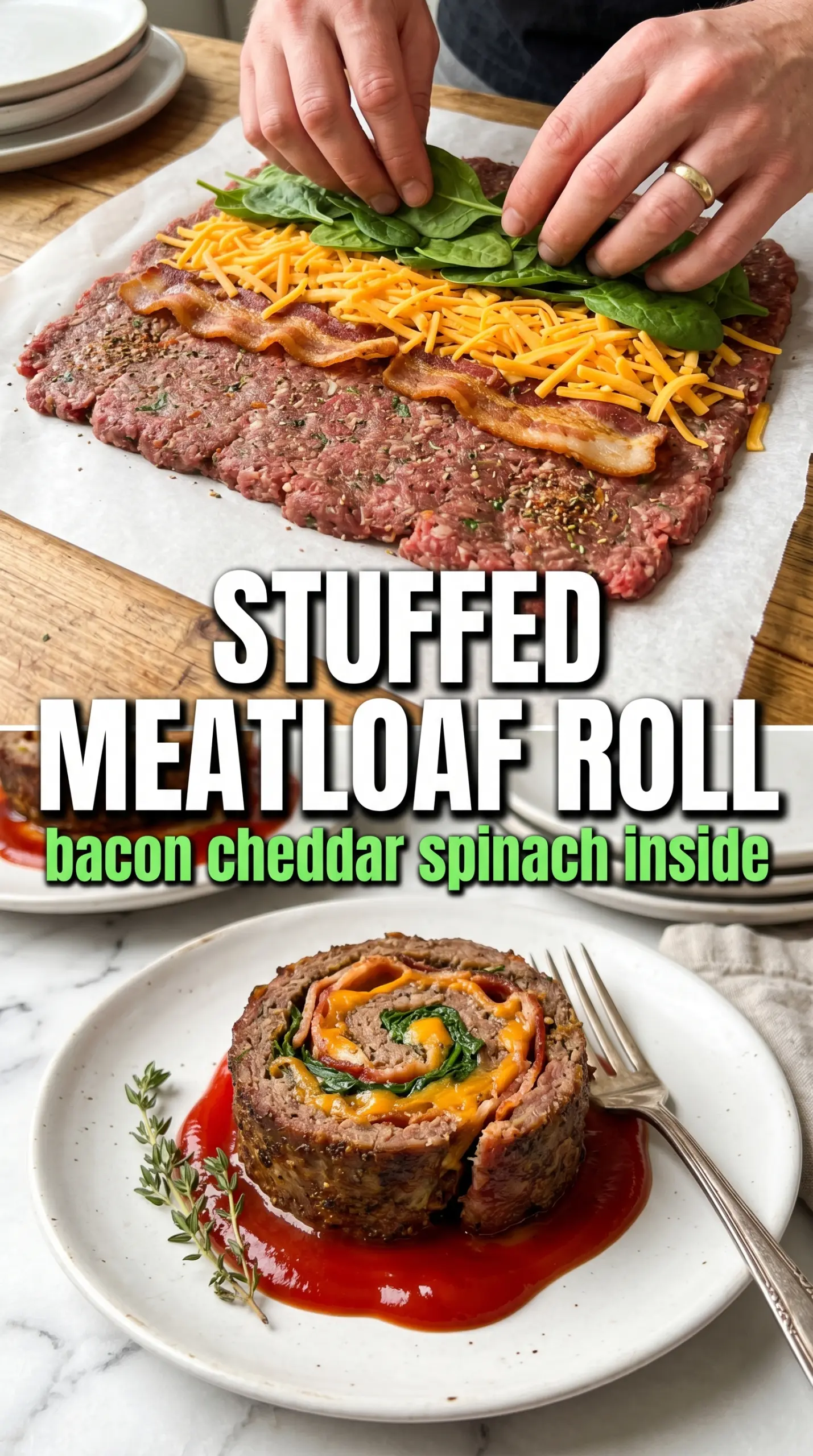
Press the meat onto plastic wrap into a 10×14-inch rectangle with fairly even thickness from edge to edge. Thin spots create weak points that split when you roll, and thick spots cook unevenly. The plastic wrap is there to help you lift and tuck the meat, not to trap it in a loose shape, so keep the surface compact and level. Leave the edges neat enough that the filling can sit without spilling out.
Layering and Rolling
Lay the cheese over the meat first, then add the peppers and spinach in a fairly even layer, leaving a one-inch border all the way around. Roll from the long side and keep the log snug as you go, using the wrap to guide it instead of pressing directly on the filling. If the seam opens or the ends are loose, pinch them firmly before the loaf goes into the pan. That tight roll is what gives you the clean spiral when you slice it.
Baking to the Right Center Temperature
Set the roll seam-side down in a greased baking dish and brush the glaze over the top. Bake until the center reaches 160°F, usually 60 to 70 minutes, and don’t rely on color alone. A stuffed meatloaf can look done on top while still being under in the middle. Rest it for 10 minutes before slicing so the cheese settles and the juices stay inside the roll instead of running onto the board.
How to Adapt the Filling Without Losing the Shape
Make it gluten-free
Swap the Italian breadcrumbs for a gluten-free breadcrumb blend in the same amount. You still get the binding you need, but some blends absorb a little less liquid, so watch the texture; the mixture should hold together when pressed, not feel wet. If it seems loose, add a spoonful more crumbs.
Use turkey instead of beef
Ground turkey works, but it needs the full amount of cheese and glaze to keep the roll from tasting dry. Choose a blend with some fat if you can, and pull it from the oven right at 160°F. Lean turkey overbakes fast, and the spiral is less forgiving once the meat tightens.
Swap the filling for a mushroom and provolone version
Cook chopped mushrooms first and let them cool completely before using them in place of the peppers. That gives you a deeper, earthier filling, but you must cook off the moisture or the roll will slide apart. Provolone works especially well here because it keeps the filling savory instead of overly rich.
Storage and Reheating
- Refrigerator: Store slices covered for up to 4 days. The texture firms up a little, but the spiral stays neat when chilled.
- Freezer: Freeze individual slices or the whole cooled roll tightly wrapped for up to 2 months. Slice first if you want easy portions later.
- Reheating: Warm covered in a 325°F oven until heated through, or microwave slices gently at medium power. High heat dries the edges and makes the cheese separate from the meat.
Questions I Get Asked About This Recipe
Stuffed Meatloaf Roll
Ingredients
Equipment
Method
- Preheat oven to 350°F. Set up a greased baking dish and keep a sheet of plastic wrap ready for rolling.
- Mix ground beef, Italian breadcrumbs, eggs, parmesan, milk, garlic, Italian seasoning, Worcestershire sauce, salt, and pepper until combined. Press the mixture into a 10x14 inch rectangle on large sheet of plastic wrap.
- Layer provolone or mozzarella, roasted red peppers, and fresh spinach over the meat, leaving a 1-inch border. Keep the center covered so the spiral filling is continuous.
- Roll tightly using the plastic wrap into a tight log, and seal the ends firmly. Place seam-side down in the greased baking dish.
- Brush the marinara-olive oil glaze over the top of the roll. Bake at 350°F for 60–70 minutes until the internal temperature reaches 160°F.
- Rest for 10 minutes before slicing. Slice into dramatic rounds to show the vibrant spiral of mozzarella, roasted peppers, and spinach through the center.