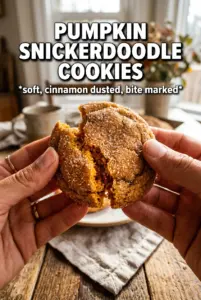
Pumpkin snickerdoodle cookies bake up soft, crinkled, and warmly spiced with those classic tangy edges that make a snickerdoodle worth repeating. The pumpkin brings a gentle orange hue and a little extra tenderness, but the cookie still holds onto the chewy-center, lightly crisp-edge balance that people expect from the real thing.
The trick is keeping the pumpkin dry enough to work with the cinnamon-sugar structure instead of fighting it. Blotted pumpkin puree gives you that plush texture without turning the dough cakey or sticky in a way that spreads too much in the oven. Cream of tartar does its usual job here too, giving the cookies that familiar snickerdoodle lift and subtle tang that keeps the spice from tasting flat.
Below, I’ve included the one step that matters most for texture, plus a few swaps and storage notes that help if you want to bake them ahead or tweak the spices a little.
The pumpkin flavor came through without making the dough wet, and the cinnamon-sugar coating baked into the prettiest crinkly tops. I chilled the dough for 30 minutes and they held their shape perfectly.
Love the soft centers and cinnamon-sugar crackle in these Pumpkin Snickerdoodle Cookies? Save them to Pinterest for the next time you want a spiced cookie that stays tender instead of turning dry.
The Dry Pumpkin Step That Keeps These Cookies Crinkled
Most pumpkin cookies go soft in the wrong way because the puree brings more moisture than the dough can handle. That’s where the blotting matters. Press the pumpkin between paper towels several times until it looks thick and paste-like instead of wet, and you’ll get cookies that spread just enough to crack on top without collapsing into cake.
The other thing that keeps these tasting like snickerdoodles instead of pumpkin spice sugar cookies is the cream of tartar. It gives the dough that faint tang and the right lift, especially when it works with the baking soda. Skip it and the cookies still bake, but the texture and flavor lose their snap.
- Blotted pumpkin puree — This is the difference between a cookie that bakes up chewy and one that turns dense and puffy. If you have to choose between more pumpkin flavor and better texture, keep the texture and use the full third cup after blotting.
- Cream of tartar — Don’t substitute it unless you have to. It’s part of what makes snickerdoodles taste like snickerdoodles. If you’re replacing it, the cookies will still work, but the tang and classic chew soften a bit.
- Butter temperature — Softened butter should yield to a finger press without looking greasy. If it’s melty, the dough gets loose and the cookies spread too fast in the oven.
What Each Spice Is Doing in the Dough
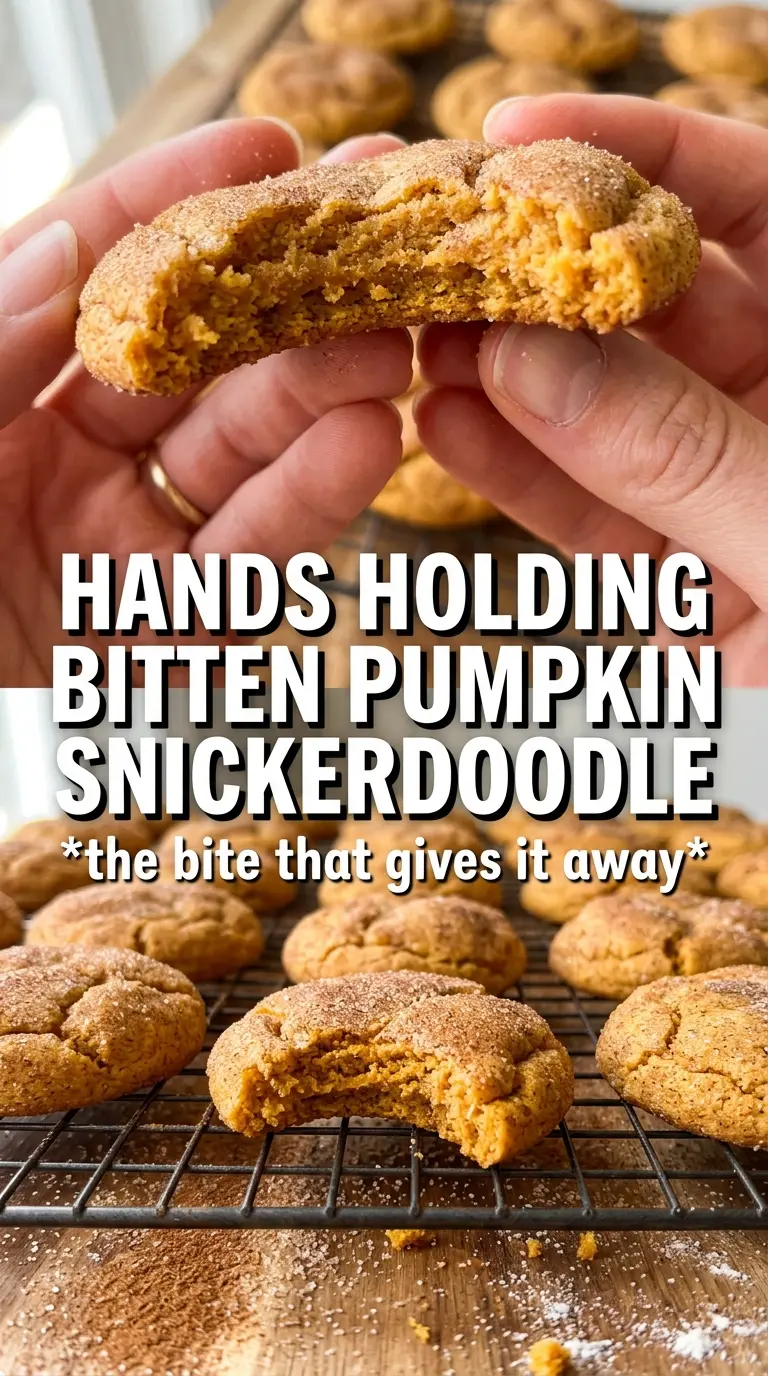
- Cinnamon — It carries both the dough and the coating. Use a good one here, because the recipe leans on cinnamon for the flavor people notice first.
- Nutmeg, ginger, and allspice — These round out the pumpkin without making the cookies taste like pie filling. They should read as warmth, not as separate flavors.
- Vanilla — It smooths out the spice and makes the butter flavor come forward. If you skip it, the dough tastes flatter and a little sharper.
- Rolling sugar — The coating is where the crackled tops come from. Roll generously so the cookies pick up a visible, sandy crust that bakes into those sweet ridges.
Getting the Dough Mixed and the Oven Ready
Whisk the dry ingredients first
Combine the flour, cream of tartar, baking soda, cinnamon, nutmeg, ginger, allspice, and salt before the butter even starts mixing. That keeps the leavener and spices evenly distributed, which matters because this dough comes together fast once the wet ingredients go in. If you dump the flour in unevenly later, you’ll get pockets that taste too spicy or bite into a dry streak.
Build the buttery base
Beat the butter and sugar until the mixture looks pale and fluffy, not just blended. That extra air helps the cookies bake up with some lift instead of staying heavy. Add the egg, vanilla, and blotted pumpkin puree, then mix until the dough looks cohesive. It will still feel a little sticky, and that’s normal; overmixing at this point is what makes the cookies tough.
Chill only if the dough needs it
If the dough feels soft enough to slump off a spoon, chill it for 30 minutes. That short rest firms the butter just enough to make rolling easier and keeps the cookies from spreading too much. If the dough already feels scoopable, you can bake right away. The mistake is chilling until the dough turns hard, because then the coating won’t stick evenly and the cookies bake up less crinkled.
Roll generously and bake until set
Scoop into 1 1/2-tablespoon balls and coat them in the cinnamon sugar mixture until the outside looks heavily dusted. Place them on parchment-lined sheets with a little space between each one, then bake at 375°F just until the edges are set and the tops are crinkled. They’ll look slightly underdone in the center when you pull them out. That’s what you want, because they finish setting on the pan.
How to Adapt These Cookies for Different Kitchens
Make Them a Little Chewier
Bake them on the shorter end of the time range and pull them the moment the edges look set. They’ll finish from residual heat on the pan, which keeps the centers soft. If you wait until they look fully baked in the oven, they’ll end up dry by the time they cool.
Gluten-Free Version
A good 1:1 gluten-free baking blend can stand in for the flour here, but choose one that already includes xanthan gum if possible. The texture will be a little more delicate, and the cookies may need an extra minute in the oven to set. Don’t overbake them trying to firm them up, or they’ll turn crumbly once cooled.
Pump up the Spice
If you like a bolder spice profile, add a little extra cinnamon to the dough or bump up the pumpkin pie spice in the coating. That gives the cookies a darker, warmer finish without changing the structure. Keep the extra spice modest, though, or it starts to overpower the buttery base.
Storage and Reheating
- Refrigerator: Store in an airtight container for up to 5 days. The cinnamon sugar coating softens a bit, but the cookies stay tender.
- Freezer: These freeze well either baked or as dough balls. Freeze the rolled dough on a tray, then transfer to a bag and bake from frozen, adding 1 to 2 minutes.
- Reheating: Warm baked cookies for a few seconds in the microwave or a few minutes in a low oven. Don’t heat them too long or the centers dry out and the edges lose that soft crinkle.
Questions I Get Asked About This Recipe
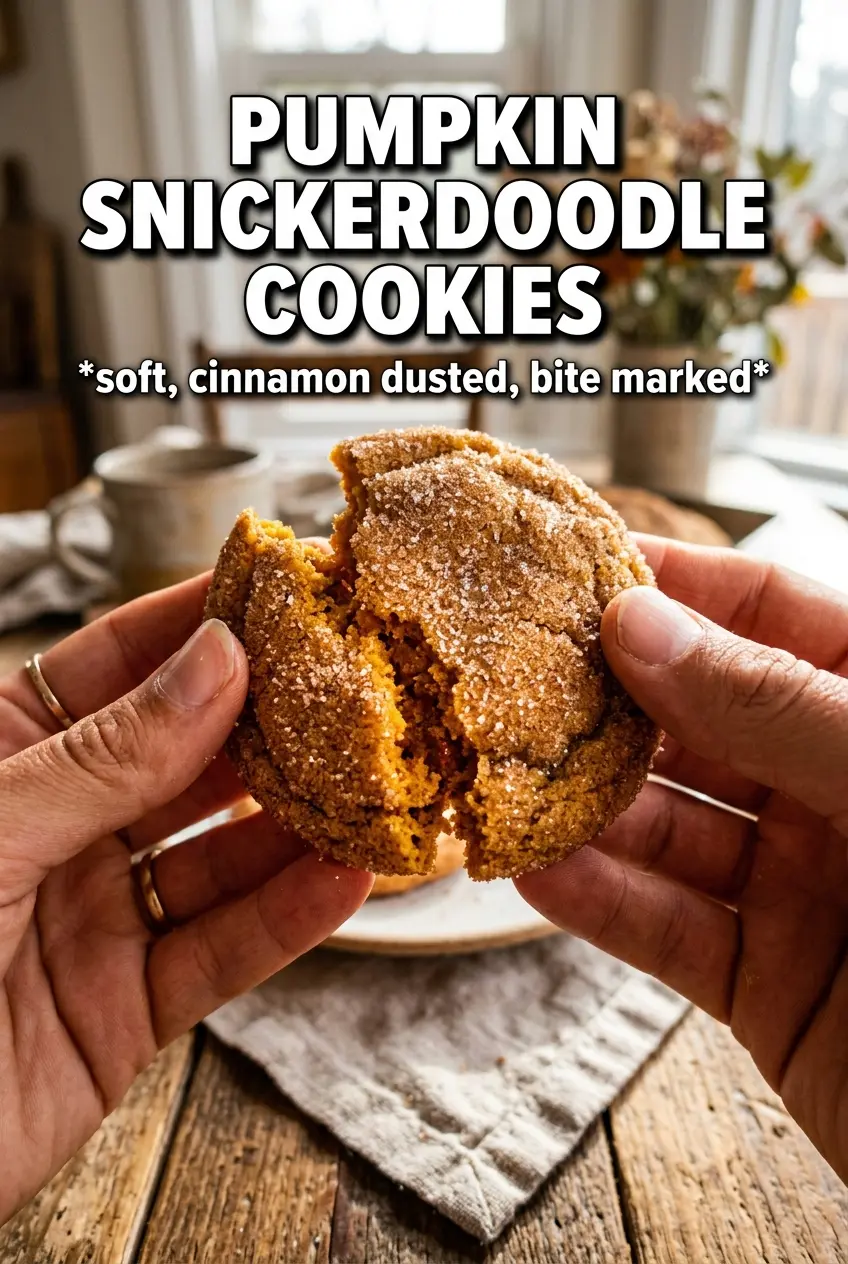
Pumpkin Snickerdoodle Cookies
Ingredients
Equipment
Method
- Preheat oven to 375F, then line baking sheets with parchment for easy release.
- Blot pumpkin puree between paper towels several times to remove as much moisture as possible for crisp edges.
- Whisk all-purpose flour, cream of tartar, baking soda, cinnamon, nutmeg, ginger, allspice, and salt until evenly combined.
- Beat unsalted butter and granulated sugar until very light and fluffy.
- Beat in the egg, then mix in vanilla extract and blotted pumpkin puree.
- Fold in the flour mixture until just combined; the dough should be slightly sticky.
- Refrigerate the dough for 30 minutes if it feels very soft.
- Mix rolling sugar, cinnamon, and pumpkin pie spice in a shallow bowl.
- Scoop dough into 1-1/2 tablespoon balls and roll generously in the cinnamon spice sugar.
- Bake for 10-12 minutes at 375F until edges are set and tops are crinkled.
- Cool on the pan for 5 minutes so the cookies firm as they cool.