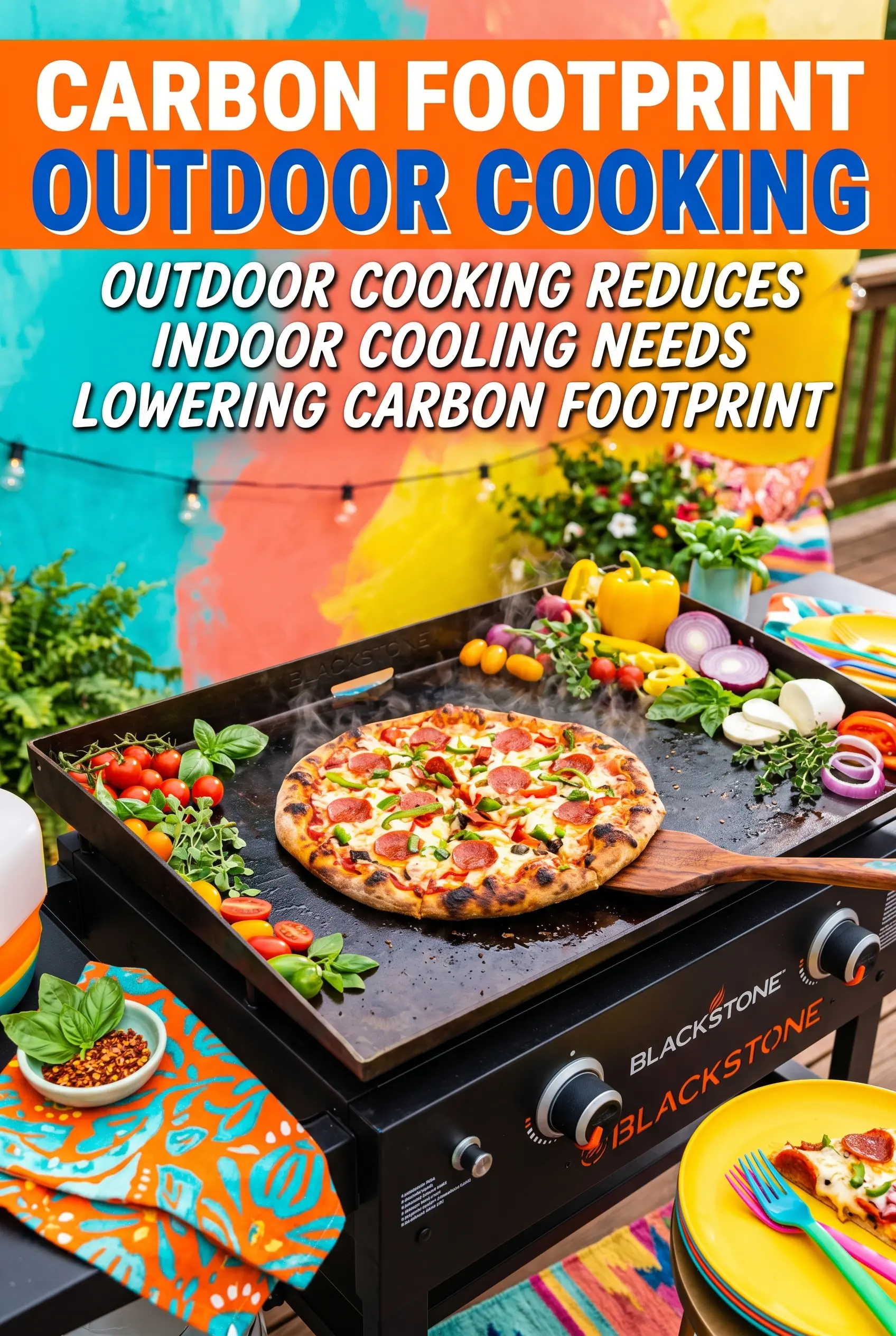
Pizza on a Blackstone griddle gives you the kind of crust that’s hard to get inside without a pizza oven: crisp on the bottom, blistered in spots, and sturdy enough to hold a generous layer of sauce and cheese. The dough cooks fast on the hot steel, so the edges pick up color before the center dries out, and the cheese melts under a dome into that gooey, just-set finish that makes griddle pizza so satisfying.
The trick is cooking the dough first on one side before you flip it and add the toppings. That keeps the sauce from soaking into raw dough and gives you time to build the pizza without rushing. Medium heat matters here too. Too hot, and the crust burns before the cheese melts; too cool, and you lose the char and the bottom stays soft.
Below, I’m walking through the little details that make outdoor pizza work on a flat-top, plus a few ways to adapt it when you want to change the toppings, feed a crowd, or work with what’s already in the fridge.
The crust got crispy underneath without turning hard, and the dome melted the cheese all the way through in just a few minutes. My kids loved making their own little pizzas right on the griddle.
Love that charred Blackstone crust and bubbling cheese? Save this griddle pizza for your next outdoor pizza night.
The Flip That Keeps the Crust Crisp Instead of Soggy
Most griddle pizzas go wrong in the same place: the toppings go onto raw dough, the dough gets overloaded, and the center turns wet before the bottom has a chance to brown. Cooking the first side plain gives the crust structure. Once you flip it, the cooked surface acts like a barrier, so the sauce sits on top instead of sinking in.
The other thing that matters is moving quickly after the flip. Have the sauce, cheese, and toppings lined up before the dough hits the griddle. If the dough sits there bare for too long on the second side, it can overcook before the cheese melts, which leaves you with a dry crust and underdone toppings.
What Each Ingredient Is Actually Doing in This Griddle Pizza
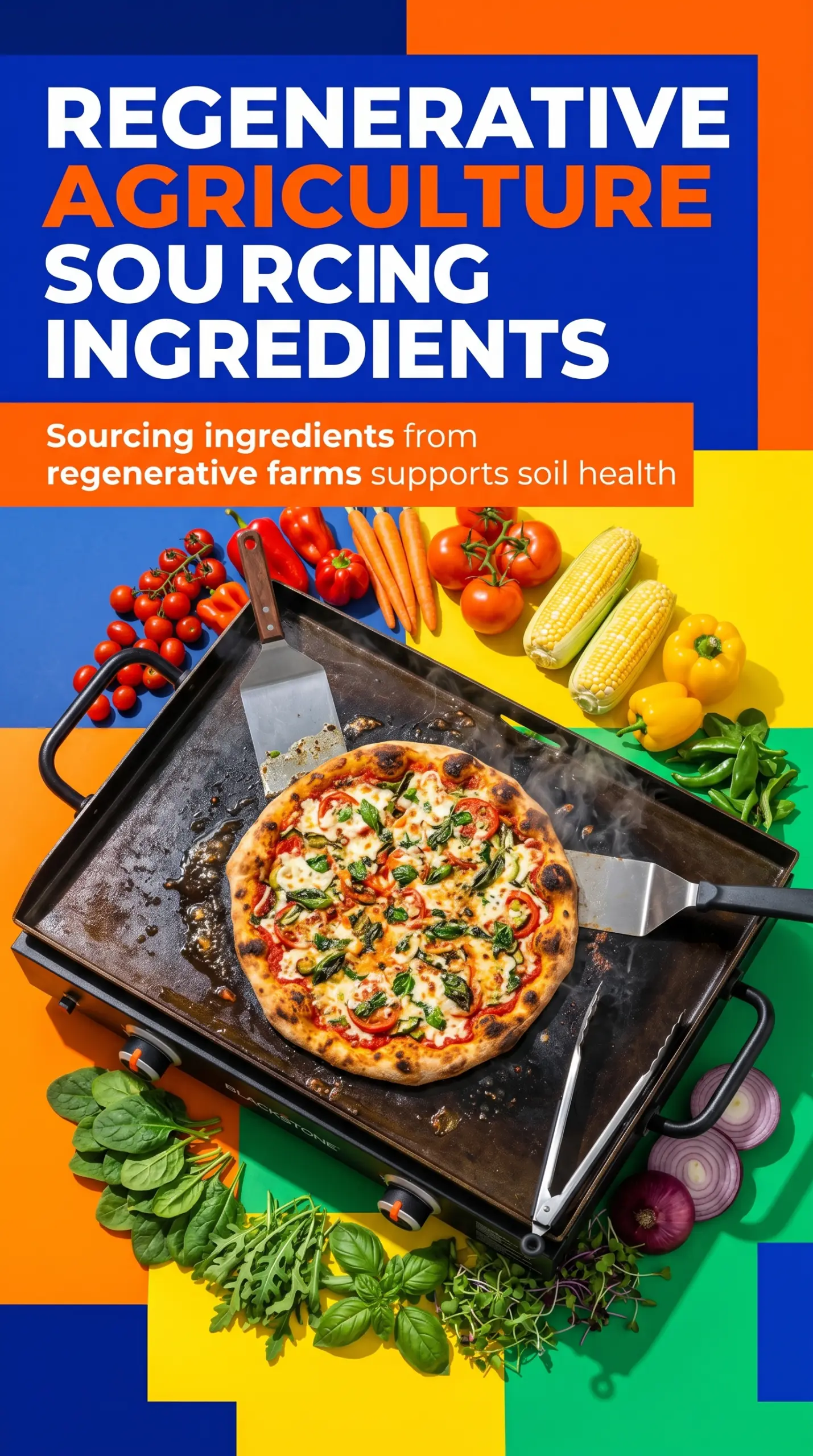
- Pizza dough — A basic dough with enough elasticity to stretch thin is what gives you that puffy, chewy edge and crisp base. Store-bought dough works fine if it’s rested at room temperature long enough to relax; cold dough snaps back and fights you on the griddle.
- Olive oil — This helps the griddle surface brown the crust and keeps the dough from sticking on contact. Use enough to leave a thin sheen, not a puddle.
- Pizza sauce — A thicker sauce is better here because thin sauce runs fast on the flipped crust. If yours is watery, simmer it for a few minutes before using it so the pizza doesn’t steam.
- Mozzarella — Shredded low-moisture mozzarella melts cleanly and gives you that classic stretch without flooding the top with liquid. Fresh mozzarella tastes great, but it releases more water, so use it sparingly unless you pat it dry first.
- Toppings — Keep them cooked or thinly sliced when possible. The griddle window is short, so big chunks of raw vegetables can stay crunchy while the cheese is already done.
- Fresh basil and Parmesan — Add these at the end. Basil loses its aroma fast under heat, and Parmesan brings a salty finish that wakes up the whole pizza after it comes off the griddle.
- Flour for dusting — This gives the dough just enough slip to stretch and move without tearing. Use a light dusting; too much flour on the dough can leave a dry, bitter layer on the crust.
Building the Pizza on the Griddle Without Burning the Bottom
Heating the Surface
Bring the Blackstone to medium heat and give the surface a light coat of olive oil. You want the dough to sizzle when it lands, not smoke on contact. If the griddle is screaming hot, the underside will char before the center firms up, and that’s when you get a burnt base with raw dough in the middle.
Stretching and Starting the Dough
Divide the dough into four portions and stretch each one into a thin round, dusting with flour as needed so it doesn’t fight back. The dough should be thin enough to cook quickly but not so thin that it tears when you flip it. If it keeps shrinking, let it rest for a few minutes and come back to it; gluten needs a pause before it will cooperate.
The First Side
Lay the dough directly on the oiled griddle and let it cook for 2 to 3 minutes until the bottom turns golden and releases cleanly. Don’t move it around too soon or it can stretch and stick. You’re looking for a firm base with a few browned spots, not a deep crust yet.
Flipping and Topping Fast
Flip the crust and work quickly on the cooked side. Spread on sauce, add cheese, then finish with your toppings so the pizza can go under the dome while the second side finishes cooking. If you pile on too much sauce or too many toppings, the center gets heavy and the cheese can slide off before it sets.
Melting Under the Dome
Cover the pizza with a dome or large pan and cook for 3 to 5 minutes until the cheese melts and the toppings are heated through. The dome traps heat and acts like a little oven, which is what finishes the top without burning the bottom. Pull it as soon as the cheese is fully melted and the crust edges look set; leaving it too long dries out the cheese and hardens the crust.
How to Adapt This Griddle Pizza for Different Toppings and Diets
Gluten-Free Crust
Use a gluten-free pizza dough that’s meant to be stretched and cooked on a hot surface. It won’t have the same elasticity as wheat dough, so handle it gently and expect a slightly more delicate crust. Let it brown fully before flipping so it has a chance to set.
Dairy-Free Pizza
Use a dairy-free shredded mozzarella that melts well and keep the layer a little thinner than you would with regular cheese. Some plant-based cheeses don’t brown the same way, so the cue here is melt and softness, not deep color.
Vegetarian Toppings That Work Best
Go with thin-sliced mushrooms, peppers, onions, olives, or spinach, but keep the pile modest. Raw vegetables release moisture fast, and on a griddle pizza that moisture can soften the crust before the cheese sets. Pre-cooked vegetables work even better if you want a more polished finish.
Storage and Reheating
- Refrigerator: Store leftover slices in an airtight container for up to 3 days. The crust softens a bit in the fridge, but it still reheats well.
- Freezer: Freeze slices wrapped individually and stacked in a freezer bag for up to 2 months. For the best texture, freeze them after they’ve cooled completely so condensation doesn’t make the crust gummy.
- Reheating: Reheat in a skillet or on the griddle over medium-low heat with a lid for a few minutes, or bake at 400°F until hot. The common mistake is microwaving it, which makes the crust limp and the cheese rubbery.
Questions I Get Asked About This Recipe
Pizza on a Blackstone Griddle
Ingredients
Equipment
Method
- Heat the Blackstone griddle to medium heat and spread 2 tablespoons olive oil across the surface so it lightly coats the metal.
- Divide 1 pound pizza dough into 4 portions and stretch each into a thin round, dusting with flour for easier handling.
- Lay the dough rounds directly on the griddle and cook for 2-3 minutes until the bottoms are golden.
- Flip the crust and quickly add 1 cup pizza sauce, 2 cups shredded mozzarella cheese, and your choice of toppings to the cooked side.
- Cover with a dome or large pan and cook for 3-5 minutes until the cheese melts and looks fully gooey.
- Remove each pizza from the griddle and top with fresh basil leaves and grated Parmesan cheese before slicing and serving.