Thinly sliced ribeye, melty cheese, and soft onions tucked into a toasted hoagie roll hit the table fast on a Blackstone, but the best part is how the griddle gives you both speed and real sandwich-shop flavor. The steak stays tender because it cooks in a thin layer, the onions go sweet and browned without steaming, and the roll picks up just enough butter and crunch to hold everything together.
The trick is treating each component differently on the same hot surface. The onions and peppers need time to soften and caramelize first, while the steak needs high heat and a quick chop so it doesn’t turn into chewy strips. Once the cheese melts over the meat, the sandwich comes together in minutes, which is exactly why this one earns repeat status.
Below you’ll find the small details that matter most: how hot the griddle should be, why ribeye gives you the best texture, and what to do if you want that classic Cheez Whiz style instead of provolone.
The steak chopped up beautifully on the griddle and the onions got that sweet edge without going mushy. Toasting the rolls in the butter at the end made the whole sandwich hold together instead of falling apart.
Save this Blackstone Philly cheesesteak for the nights when you want a hot, melty sandwich with caramelized onions and almost no cleanup.
The Griddle Is Hot Enough When the Steak Sizzles Instantly
A cheesesteak can go wrong on a griddle when the heat is too low and the meat starts steaming before it browns. You want the Blackstone hot enough that the steak hits the surface and sizzles right away, which gives you those browned edges and keeps the pieces from leaching out too much liquid. If the pan looks wet, crowded, or pale, the meat won’t develop the flavor you’re after.
Cook the onions and peppers first and push them aside once they’re soft and deeply colored. That keeps them from overcooking while the steak goes on. The steak itself should be chopped as it cooks so it stays in loose, biteable pieces instead of turning into one solid clump.
What the Ribeye, Onions, and Cheese Each Bring to the Sandwich
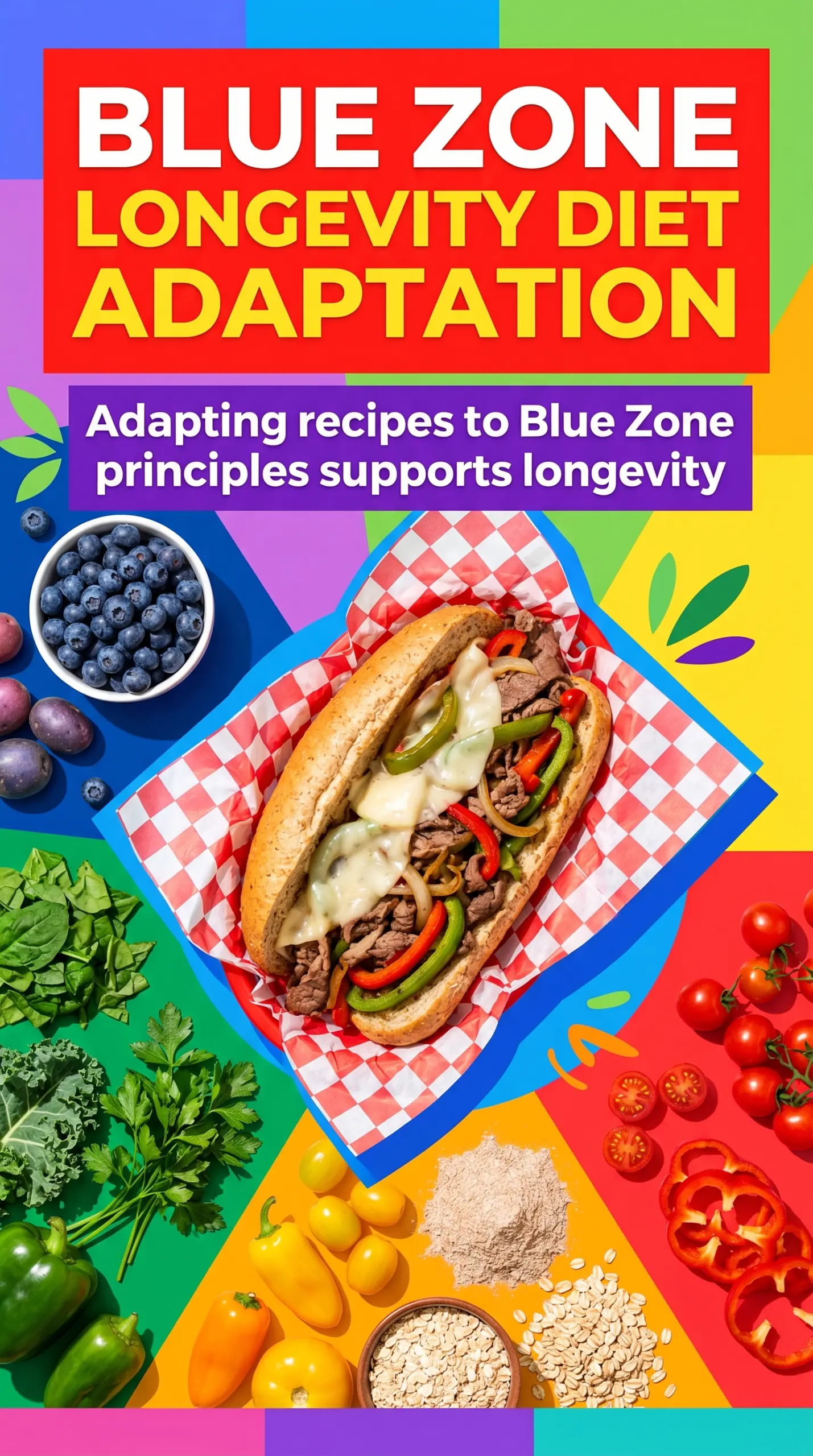
- Ribeye steak — This is the cut that gives you the classic cheesesteak texture: tender, beefy, and just rich enough to taste like the real thing. You can swap in top sirloin in a pinch, but it won’t melt in the same way on the griddle. Slice it as thinly as you can while it’s cold so it cooks fast and stays tender.
- Onions — These aren’t filler. They bring sweetness and moisture that balance the beef and cheese. Yellow onions work best, but white onions are fine if that’s what you have.
- Green bell peppers — They add the sharp, slightly grassy note that many Blackstone versions rely on. If you skip them, the sandwich gets closer to a pure Philadelphia-style build; if you want more sweetness, use half green pepper and half red pepper.
- Provolone or Cheese Whiz — Provolone melts into a smoother, milder sandwich, while Cheese Whiz gives you that unmistakable diner-style cheesesteak finish. Use provolone if you want clean slices and a more balanced bite; use Whiz if you want the classic gooey pull and don’t mind a stronger processed-cheese flavor.
- Hoagie rolls — A soft roll with some structure matters here. Too crusty and it cracks; too soft and it falls apart under the filling. Toasting the inside with butter gives the sandwich grip and keeps the bread from getting soggy.
Building the Cheesesteak in the Right Order
Caramelizing the Vegetables First
Start with the onions and peppers on the oiled griddle and give them time to soften, brown, and pick up a little sweetness. Stir them now and then, but don’t keep moving them constantly or they’ll steam instead of caramelize. When they’re done, push them to the cooler side of the griddle so they stay warm without overcooking.
Chopping the Steak as It Cooks
Add the sliced ribeye to the hottest part of the griddle and season it right away with salt and pepper. Use two spatulas to chop and turn the meat as it cooks, which breaks it into those small, tender pieces people expect in a cheesesteak. If you leave the steak in long strips, it won’t eat like a proper sandwich filling.
Melt, Toast, and Assemble Fast
Once the steak is just cooked through, divide it into four portions and lay the cheese over each one so it melts from the residual heat. Butter the rolls and toast them cut-side down until golden. Then scoop the meat, onions, and peppers straight into the rolls and serve immediately, because the bread softens fast once the filling goes in.
How to Adapt This Cheesesteak for Different Kitchens and Preferences
Make it with provolone instead of Cheese Whiz
Provolone gives you a milder, cleaner sandwich with a more traditional melted-cheese feel. Cheese Whiz is richer and more iconic for some people, but provolone lets the beef and onions stay front and center. Use whichever style matches the cheesesteak you grew up loving.
Skip the peppers for a more classic Philly-style version
A lot of shops keep peppers out of the original build, so leaving them off gives you a more straightforward beef-and-onion sandwich. The flavor gets a little deeper and less sweet, and the texture is a bit less juicy. If you do this, add a touch more onion so the filling still feels full.
Use low-carb sandwich buns or serve it in a bowl
For a gluten-free or lower-carb version, skip the hoagie roll and serve the steak mixture over lettuce, in a bowl, or in a gluten-free bun. You’ll lose the buttery toast and some of the classic structure, but the beef, cheese, and vegetables still carry the dish. This works best when the filling is hot enough that the cheese melts straight over the steak.
Storage and Reheating
- Refrigerator: Store the steak, vegetables, and rolls separately for up to 3 days. The bread turns soft fast if you assemble ahead.
- Freezer: The cooked steak and vegetable mixture freezes well for up to 2 months. Freeze without the rolls or cheese, then thaw overnight before reheating.
- Reheating: Rewarm the filling in a skillet or on the griddle over medium heat until hot. Don’t microwave the assembled sandwich if you want the bread to stay intact; it turns chewy and soggy fast.
Questions I Get Asked About This Recipe
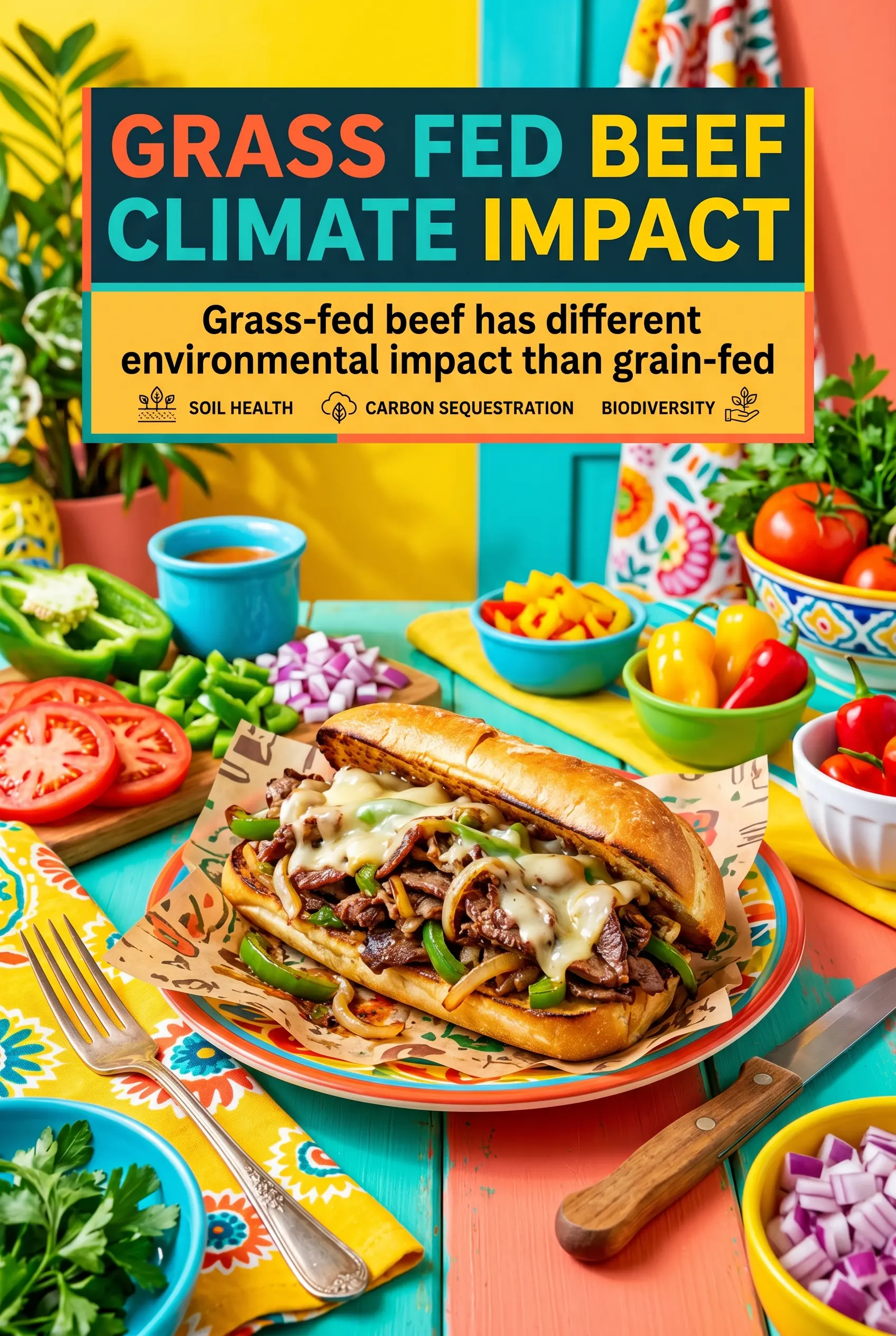
Authentic Blackstone Philly Cheesesteak
Ingredients
Equipment
Method
- Heat the Blackstone griddle to medium-high heat and add the oil. Let it shimmer before adding the onions and peppers.
- Cook the onions and green bell peppers until caramelized, about 8-10 minutes, stirring occasionally. Move them to the side of the griddle when done so the steak can sear.
- Season the thinly sliced ribeye with salt and pepper to taste. Spread it on the hot griddle for quick browning.
- Cook the steak for 3-4 minutes, chopping with spatulas as it cooks. Keep the heat medium-high so the edges brown instead of steaming.
- Divide the steak into 4 portions and top each with provolone cheese, letting it melt over the meat. Wait until the cheese fully softens and starts to pull slightly.
- Butter and toast the hoagie rolls on the griddle until golden, turning if needed. Transfer when crisp and browned at the edges.
- Scoop each steak portion with the caramelized onions and peppers into toasted rolls. Serve immediately while the cheese is melted and hot.