Steak, peppers, onions, mushrooms, and melted provolone all steam together inside a foil packet, which means you get that classic cheesesteak flavor without standing over a skillet. The meat stays juicy, the vegetables soften just enough to turn sweet, and the cheese melts right over the top instead of disappearing into the pan.
What makes this version work is the balance between heat and moisture. A little olive oil and Worcestershire sauce keep the steak from drying out, while the foil traps enough steam to cook the vegetables through before the cheese fully melts. Using thinly sliced sirloin matters here because thick pieces would still be tough by the time the peppers are done.
Below, I’m walking through the small details that keep the packets sealed, the steak tender, and the cheese right where you want it. There’s also a simple way to serve these for a crowd without turning dinner into a cleanup project.
The steak stayed tender and the peppers were perfectly softened without turning mushy. I loved that the cheese melted over everything right in the foil packet, and dinner was on the table in under 30 minutes.
Love the melty provolone and juicy steak in these Philly Cheese Steak Foil Packet Dinners? Save this one for your next easy grill night.
The Steam Trap That Keeps These Foil Packets Tender
Foil packet dinners can go wrong in one of two ways: the steak turns dry, or the vegetables stay undercooked while you wait for everything else to catch up. The fix is to slice the steak thin and keep the packets tightly sealed so the trapped steam does part of the cooking for you. That steam softens the peppers and onions while the meat stays juicy instead of seizing up over direct heat.
Medium grill heat matters here. If the fire runs too hot, the foil scorches before the center of the packet finishes cooking, and the cheese can overcook into a greasy layer instead of melting into the filling. Flip the packets halfway so the heat reaches both sides evenly, and don’t rush the open-and-serve part until the steak looks cooked through and the vegetables have lost their raw crunch.
What Each Ingredient Is Actually Doing in These Foil Packet Meals
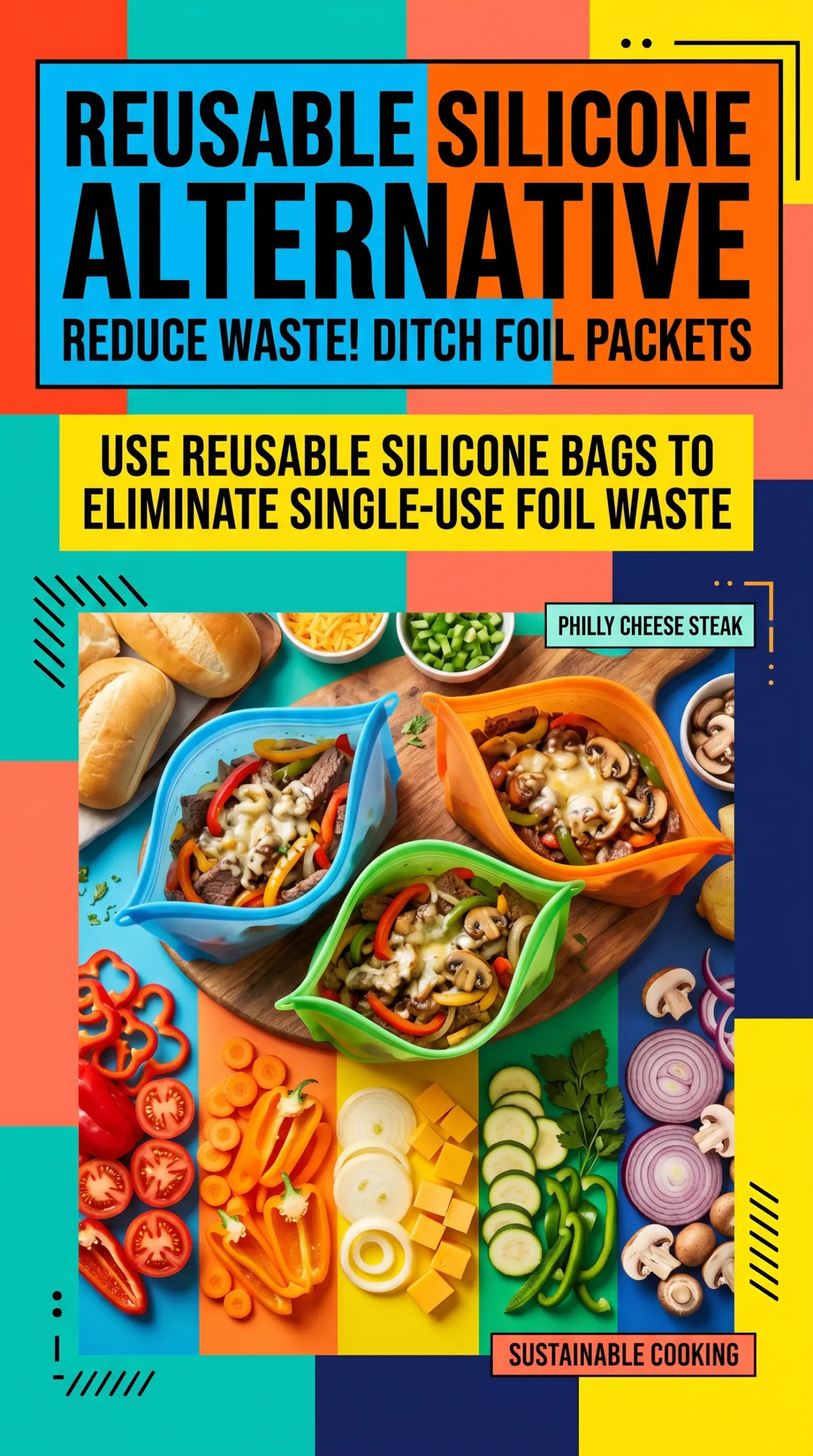
- Protein (fish, chicken, vegetables) — The protein is the anchor of the packet. Choose pieces of similar thickness so everything cooks evenly in the same time.
- Vegetables (zucchini, bell pepper, tomato) — These should be cut into similar-sized pieces so they finish cooking at the same time as the protein. They release moisture that steams everything together.
- Fresh herbs (dill, thyme, parsley) — These infuse the packet with flavor and aroma. The steam inside the foil carries the herb essence to every component.
- Lemon or lime slices — These add acid and brightness without making the protein tough. The heat softens the peel slightly, releasing oils and juice.
- Butter or olive oil — A small amount keeps everything from sticking to the foil and adds richness to the steaming liquid. This becomes part of the sauce inside the packet.
- Salt and pepper — Season inside the packet before sealing. The steam circulates the seasoning evenly, and there’s no surface drying to worry about.
- Garlic or shallots — Thin slices add savory depth. The steam softens them gently instead of the harsh rawness you’d get from eating them cold.
What Each Ingredient Is Actually Doing in the Packet
- Sirloin steak — Thinly sliced sirloin gives you the best balance of tenderness and beefy flavor. Ribeye will taste richer, but it’s pricier and a little harder to slice evenly. If you’re using another cut, slice it across the grain as thin as you can get it.
- Bell peppers, onions, and mushrooms — This trio gives the packet the classic cheesesteak feel while adding moisture and sweetness. The mushrooms are optional in the traditional sandwich, but they work well here because they release enough juice to help steam the steak without watering everything down.
- Provolone — Provolone melts cleanly and gives you that familiar cheesesteak finish without turning stringy or oily. Mild or sharp both work; the sharper version brings more punch if you like a stronger cheese flavor.
- Worcestershire sauce — This does more than season the meat. It adds salt, tang, and a little depth that tastes like the filling had time to cook longer than it did.
- Heavy-duty foil — Use heavy-duty foil if you can. Thin foil can tear when you flip the packets or when the cheese melts and everything gets slippery inside.
Building the Packets So Nothing Leaks or Overcooks
Layering the Filling
Divide the steak and vegetables evenly so each packet cooks at the same pace. Pile the steak mostly in the center and keep the vegetables around it, where they can catch the heat and steam without sitting in one dense clump. If the slices are thick or tangled together, they’ll cook unevenly and the top pieces may still be underdone when the bottom is ready.
Seasoning Before Sealing
Drizzle each packet with olive oil and Worcestershire sauce, then season with garlic powder, salt, and pepper. The oil helps carry the seasoning and prevents the steak from sticking to the foil, while the Worcestershire gives the filling a deeper, savory edge. Don’t drown the packets; too much liquid turns this into a soupy pile instead of a cheesesteak-style filling.
Grilling to the Right Finish
Seal the packets tightly, leaving a little room for steam to build inside, then grill over medium heat for 18 to 20 minutes, flipping halfway through. You’re looking for peppers that bend easily, onions that look glossy and soft, and steak that’s no longer pink at the thinnest edges. Open the foil carefully because the steam burns fast, then top with the melted cheese before serving so it stays creamy and warm.
How to Adapt These Foil Packet Dinners for Different Nights
Dairy-Free Version
Skip the provolone and finish the packets with a little extra Worcestershire and a drizzle of olive oil, or use a dairy-free melty cheese if you’ve found one that actually behaves under heat. You’ll lose the classic gooey finish, but the beef and vegetables still carry plenty of flavor on their own.
Low-Carb Serving Style
Serve the filling straight from the foil packets instead of putting it in hoagie rolls. You still get the same hearty cheesesteak feel, just without the bread soaking up the juices.
Swap the Steak for Chicken
Thinly sliced chicken breast works if you want a lighter packet dinner, but it needs to cook through fully and can dry out faster than sirloin. Keep the slices thin, check the packets at the 15-minute mark, and pull them as soon as the chicken is opaque and firm.
Oven-Baked Version
Bake the sealed packets at 425°F on a sheet pan for about 18 to 22 minutes. The result is nearly the same as grilling, with a little less smokiness but the same easy cleanup.
Storage and Reheating
- Refrigerator: Store the cooked filling in an airtight container for up to 3 days. The vegetables soften a little more as they sit, but the flavor holds up well.
- Freezer: It freezes, but the peppers and onions lose some texture after thawing. For the best result, freeze only if you don’t mind a softer filling.
- Reheating: Warm it in a skillet over medium-low heat or in the oven covered with foil until heated through. The biggest mistake is blasting it in the microwave too long, which makes the steak tough and the cheese oily.
Questions I Get Asked About This Recipe
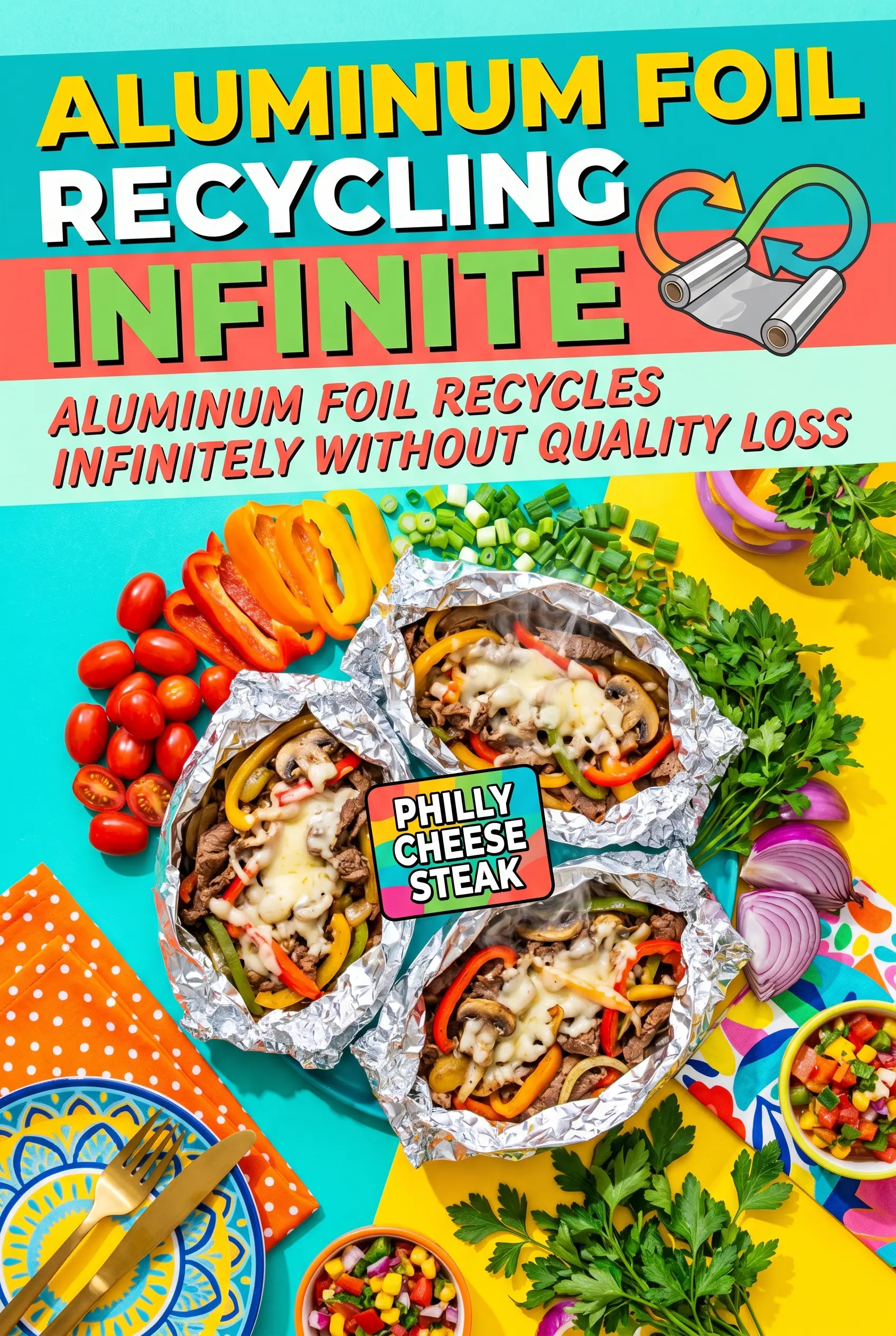
Philly Cheese Steak Foil Packet Dinners
Ingredients
Equipment
Method
- Divide the sirloin steak, bell peppers, onion, and mushrooms evenly among 4 heavy-duty foil sheets, keeping layers fairly even for uniform cooking. Visual cue: the filling should fill each foil sheet to about the same height.
- Drizzle olive oil and Worcestershire sauce over the steak and vegetables on each foil sheet. Visual cue: you should see a light sheen across the filling in each packet.
- Sprinkle garlic powder, salt, and pepper over each packet. Visual cue: seasoning should be distributed across the top layer so no spot looks bare.
- Top each packet with 2 slices provolone cheese, placing the cheese directly over the center of the filling. Visual cue: cheese should sit as a single layer that will melt downward.
- Fold foil into sealed packets by bringing edges together and crimping tightly. Visual cue: seams should be closed with no gaps so steam stays inside.
- Grill the packets over medium heat for 18-20 minutes, flipping halfway through. Visual cue: look for visible steam when you carefully check one packet through the foil.
- Carefully open the packets and serve right away, in hoagie rolls or as-is. Visual cue: melted provolone should be pooled over the steak and vegetables and steaming hot.