Juicy Greek chicken earns its place in the regular dinner rotation because the flavor goes all the way through the meat, not just on the surface. The marinade brings bright lemon, garlic, and oregano into every bite, while the grill gives the chicken those smoky, charred edges that make it taste like you worked harder than you did.
The trick is balance. Enough lemon to wake everything up, enough olive oil to keep the chicken tender, and enough time in the marinade for the seasoning to settle in without turning the texture soft or mushy. I like this best with bone-in chicken pieces because they stay succulent on the grill and pick up a little extra flavor around the edges.
Below, I’ll walk through the part that matters most: how long to marinate, what to look for on the grill, and how to keep the chicken juicy after it comes off the heat. There’s also a practical swap for dried oregano and a few ways to serve it if you want to stretch it into another meal.
The marinade gave the chicken so much flavor, and grilling over medium-high heat kept it juicy without burning the lemon. I rested it for 5 minutes like you said and the juices stayed right where they belonged.
Save this juicy Greek chicken for the nights when you want bright lemon oregano flavor and grilled chicken that stays tender on the plate.
The Marinade Time That Keeps Greek Chicken Juicy Instead of Chalky
The biggest mistake with lemon-based chicken is leaving it in the marinade too long and expecting more time to mean more flavor. The acid in the lemon juice works fast, and after about 24 hours it can start changing the texture in a way that makes the outside a little soft or stringy. Four to 12 hours is the sweet spot for this recipe, with 4 hours being enough if your chicken pieces are on the smaller side.
- Olive oil keeps the marinade clinging to the chicken and helps the surface brown on the grill. Use a decent extra-virgin oil here; this is one place where bland oil shows up in the final dish.
- Lemon juice and zest do different jobs. The juice brings brightness and helps season the meat, while the zest carries the stronger lemon aroma without adding more acid.
- Garlic and oregano are the backbone of the Greek flavor. Fresh oregano gives the cleanest herbal punch, but dried oregano works well if you crush it between your fingers before whisking it in.
- Chicken pieces matter because bone-in thighs and drumsticks stay juicier than boneless breast meat. If you use breasts, pull them the moment they hit 165°F so they don’t dry out.
What the Lemon, Oil, and Herbs Are Doing in the Bowl
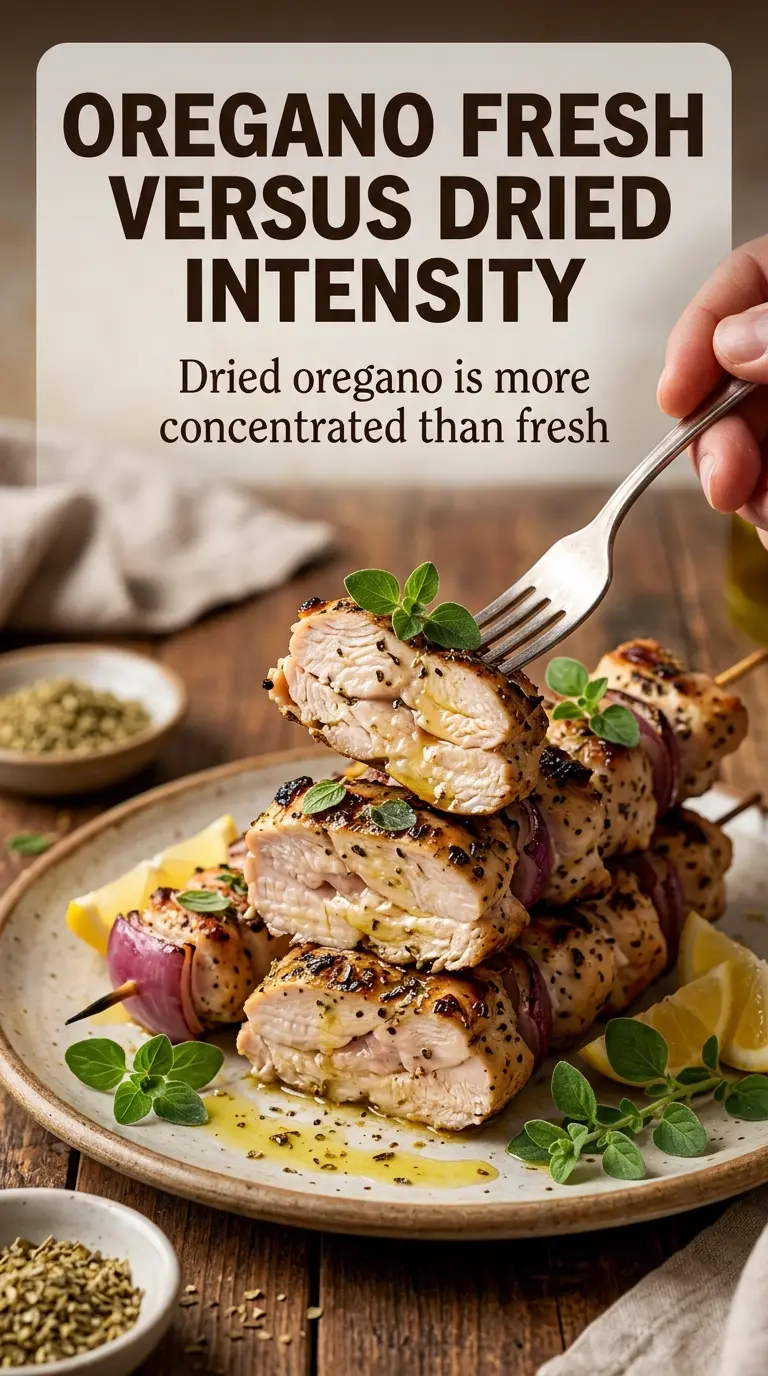
The marinade is short and simple, but every ingredient has a job. The lemon wakes up the chicken and gives it that sharp, clean edge Greek chicken is known for, while the oil protects the meat from drying out during grilling and helps carry the garlic and herbs across the surface.
Fresh oregano is worth using if you have it. It tastes greener and lighter than dried oregano, and that freshness matches the lemon nicely. Dried oregano is still a good backup, though, and it becomes more aromatic if you crush it first instead of leaving the leaves whole.
- Chicken thighs and drumsticks are the safest choice for juicy results. They stay forgiving over direct heat and hold up well if your grill runs a little hot.
- Dried oregano is fine if fresh isn’t in the kitchen. Use half the amount and rub it between your palms before adding it so the oils wake up.
- Garlic should be minced fine so it perfumes the marinade instead of burning in big pieces on the grill. If you grate it, the flavor gets even sharper.
The Grill Marks, the Rest Time, and the Moment to Pull It Off
Mixing the Marinade
Whisk the olive oil, lemon juice, zest, garlic, oregano, thyme, salt, and pepper until the mixture looks slightly thick and evenly flecked with herbs. That quick whisk matters because the oil and lemon need to emulsify enough to coat the chicken instead of pooling at the bottom. If the garlic sits in one clump, it tends to scorch later, so break it up before the chicken goes in.
Marinating Without Overdoing It
Coat the chicken thoroughly, then cover and refrigerate it for at least 4 hours. Twelve hours is excellent. If you go much beyond 24 hours, the lemon starts to work against you and the texture can go a little soft around the edges. Turn the pieces once or twice during the marinating time so every side gets the same exposure.
Grilling to 165°F
Preheat the grill to medium-high and oil the grates so the chicken releases cleanly. Lay the pieces down and let them sear before moving them; if you try to lift them too soon, they stick and tear. Cook until the thickest part reaches 165°F, and use visual cues too: the juices should run clear, and the outside should be deeply browned with a little char, not blackened.
Resting Before Serving
Take the chicken off the grill and let it rest for 5 minutes before cutting or serving. That short rest keeps the juices from flooding out the second you slice in. If you skip it, even perfectly cooked chicken can eat drier than it should.
How to Adapt This Greek Chicken Without Losing the Bright, Grilled Flavor
Use bone-in chicken for the juiciest result
Thighs and drumsticks stay moist on the grill and give you a little more margin if the heat runs high. Boneless chicken cooks faster, but it can dry out before the edges get the same grilled flavor, so pull it earlier and watch the temperature closely.
Make it dairy-free and naturally gluten-free
The recipe already fits both of those needs as written, which is one reason it’s such a useful main dish. Serve it with rice, potatoes, or a simple salad and you’ve got a full meal without changing a thing.
Swap in dried oregano when fresh isn’t available
Use 1 tablespoon dried oregano for the 2 tablespoons fresh, and crush it before adding it to the marinade. Dried oregano reads a little deeper and earthier, so the flavor is slightly less bright but still very much in the right direction.
Storage and Reheating
- Refrigerator: Store leftovers in an airtight container for up to 4 days. The chicken stays flavorful, though the grilled edges soften a bit.
- Freezer: This freezes well for up to 2 months. Freeze the cooked chicken in portions with a little of the juices to help protect the texture.
- Reheating: Reheat gently in a covered skillet over low heat or in a 300°F oven until just warmed through. High heat dries out the meat fast, especially leaner pieces.
Questions I Get Asked About This Recipe
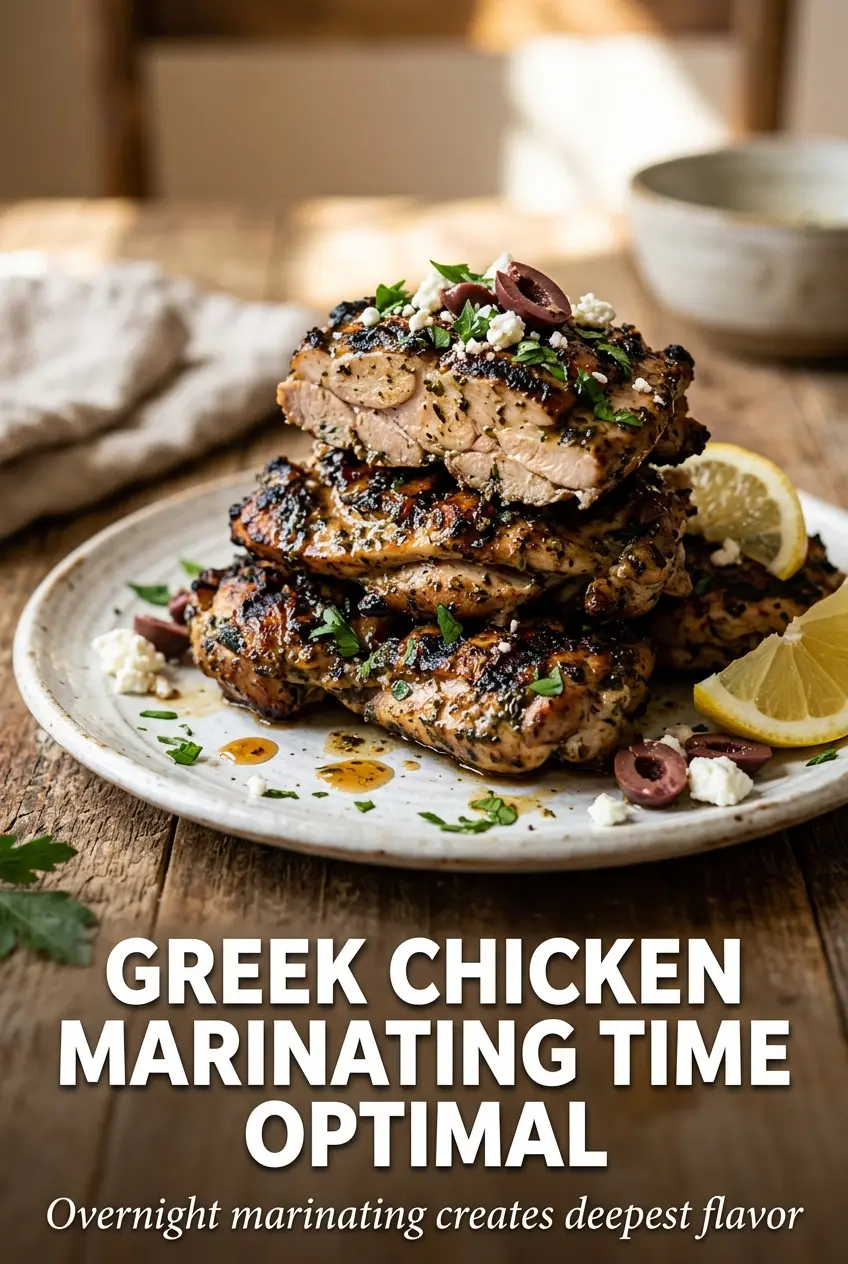
Juicy Greek Chicken
Ingredients
Equipment
Method
- Whisk together olive oil, lemon juice, lemon zest, minced garlic, fresh oregano, dried thyme, salt, and pepper until evenly combined and fragrant.
- Taste the marinade and adjust salt and pepper if needed.
- Place chicken pieces in a sealable container, pour in the marinade, and toss to coat thoroughly.
- Cover and marinate in the refrigerator for 4-24 hours, turning the chicken halfway if possible.
- Preheat the grill to medium-high heat (about 400–450°F) and lightly oil the grates.
- Grill chicken pieces until the internal temperature reaches 165°F, flipping as needed for even browning.
- Let the grilled chicken rest for 5 minutes before serving to help juices redistribute.