Beef kafta kebabs hit the table with a charred crust, a juicy center, and that warm mix of cumin, paprika, allspice, and cinnamon that makes the whole kitchen smell like dinner is on its way. The shape matters here. When the beef is packed around skewers and grilled hard and fast, the outside picks up those dark, smoky edges while the inside stays tender instead of drying out.
The trick is squeezing the onion dry before it goes into the bowl. Kafta can turn loose and pasty fast if the mixture holds too much moisture, and once that happens the kebabs slide on the grill and lose their shape. A short chill in the fridge helps the beef firm up, which makes shaping easier and keeps the skewers from slumping over the flame.
Below, I’m walking through the small details that make these kebabs hold together and cook evenly, plus the swaps that work when you want to serve them your own way. There’s also a storage note for the leftovers, because these are just as good tucked into pita the next day.
The grated onion and the 30-minute chill made these hold onto the skewers perfectly, and the edges got that deep char without the middle drying out.
Save these grilled beef kafta kebabs for the nights when you want smoky edges, tender spice-filled beef, and a fast pita dinner.
The Grated Onion Is What Keeps These Kebabs Juicy
Kafta looks simple, but the texture lives or dies on moisture control. Grated onion gives the beef flavor and softness without leaving big chunks that can tear the mixture apart, and squeezing it dry keeps the kebabs from turning slack on the skewers. That one step is the difference between a kebab that grills cleanly and one that sags before it even hits the grate.
The other detail that matters is fat. An 80/20 blend has enough richness to stay juicy over direct heat, while leaner beef tends to dry out before the outside picks up any real color. The spice mix is warm, not loud, so the beef still tastes like beef; the cumin and allspice deepen it, and the cinnamon works best in the background, not as a sweet note.
- Ground beef 80/20 — This is the right balance for kebabs. Leaner beef can work, but the kebabs will be firmer and a little drier, especially if you grill them past medium.
- Onion — Grating it helps it disappear into the mixture, which keeps the texture smooth. Squeeze it over a bowl, then save the liquid if you want to stir a spoonful into tahini sauce.
- Parsley — Fresh parsley keeps the mixture bright and cuts through the richness. Dried parsley won’t give you the same clean flavor or the little flecks you want in kafta.
- Metal or soaked wooden skewers — Metal gives the most reliable shape, especially if you’re new to kafta. If you use wood, soak them long enough that they don’t scorch before the meat is done.
What Each Ingredient Is Actually Doing in These Juicy Kebabs
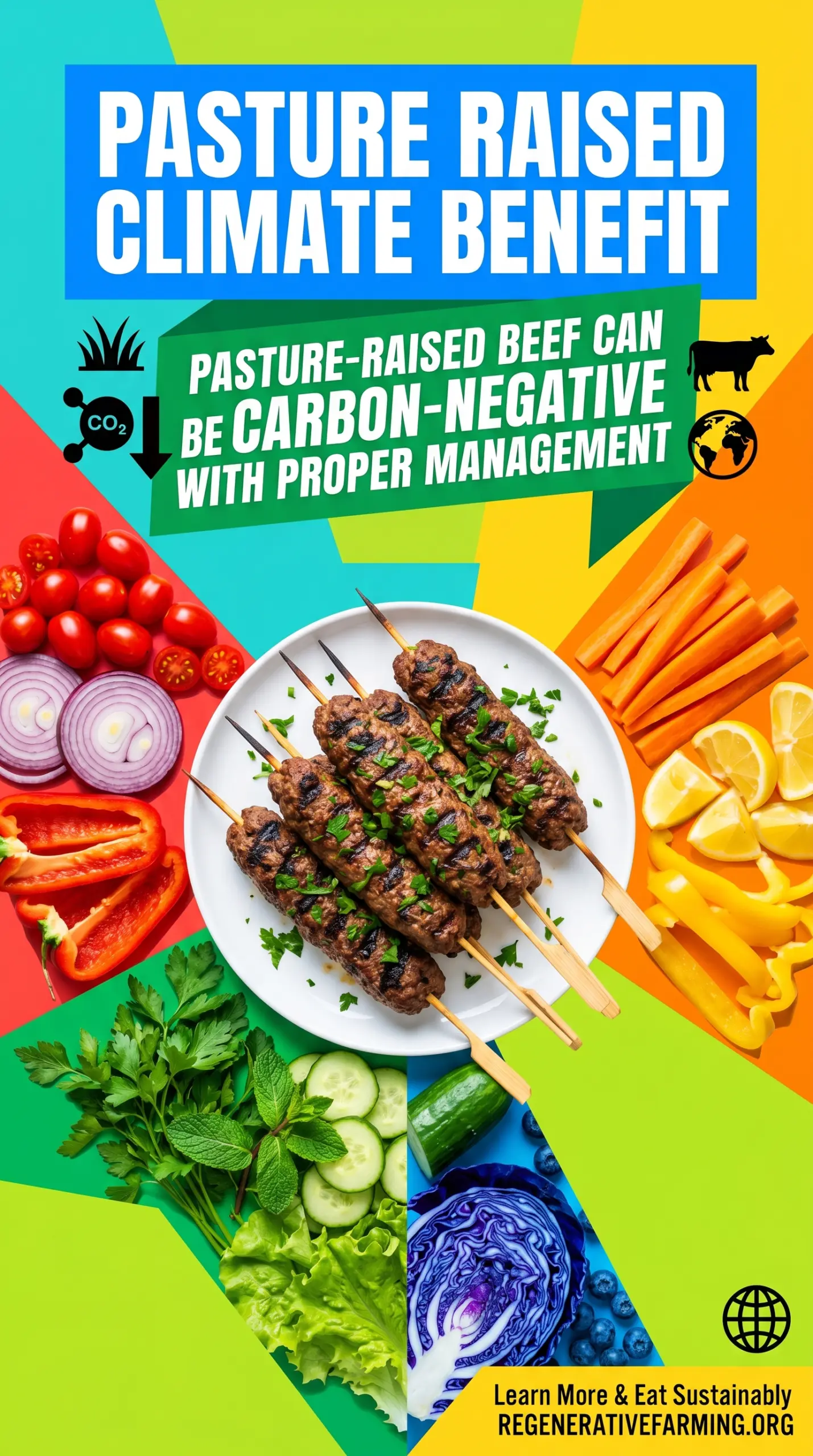
- Ground lamb or beef — Finely ground meat holds together better than chunky pieces. The grated onion and herbs help bind it while adding moisture so the kebabs don’t turn dry.
- Grated onion — This releases liquid that keeps the meat moist, and the raw onion adds sharpness that balances the richness of the lamb. It also helps the mixture hold together without a binder.
- Fresh herbs (parsley, cilantro, mint) — These add brightness and prevent the meat from tasting flat or one-dimensional. They should be finely chopped so they distribute evenly.
- Cumin and sumac — Cumin adds earthy warmth. Sumac brings a tart, lemony note without using actual citrus, which would make the meat mushy if added directly.
- Garlic and ginger — These add depth and slight heat. Garlic mellows as it sits in the mixture, becoming more integrated instead of sharp.
- Salt and pepper — These are essential for drawing out the meat’s natural juices and seasoning it from the inside out. Don’t skip seasoning the raw mixture.
- Oil (light brush on skewers) — A light coating prevents sticking and helps the exterior char without the meat drying out.
How to Shape and Grill Kafta So the Meat Stays on the Skewer
Mixing the Meat Without Overworking It
Combine everything until the seasonings are evenly distributed, but stop before the beef turns tacky and paste-like. Overmixing tightens the texture and makes the kebabs springy instead of tender. The mixture should hold together when you press it, yet still look loose enough that you can shape it without fighting it.
Chilling for Structure
Refrigerate the mixture for 30 minutes before shaping. That rest firms the fat and gives the grated onion time to settle into the beef, which makes the logs hold better on the skewers. If you skip this, the meat warms up in your hands and starts sliding before it reaches the grill.
Shaping the Logs Around the Skewers
Divide the mixture into 6 to 8 portions and press each one around a skewer in a long oval shape. Keep the thickness even so the kebabs cook at the same rate from end to end. If the meat cracks while you shape it, it usually needs a few more minutes in the fridge or a lighter hand when packing it onto the skewer.
Grilling to a Deep Char
Grill over medium-high heat for 4 to 5 minutes per side until the outside is charred and the center is cooked through. Don’t keep nudging the kebabs; once they’ve developed a crust, they release more cleanly. If they stick, give them another 30 seconds rather than forcing them loose, because tearing the surface means losing the best browned bits.
Make Them Dairy-Free Without Changing the Method
The base recipe is already dairy-free, so nothing needs to change in the meat mixture. Keep the tahini sauce for serving, and if you want a creamier finish, thin it with a little water and lemon until it turns spoonable. You still get a rich, satisfying plate without adding any dairy at all.
Swap in Ground Lamb for a Fuller, Richer Kafta
Replace part or all of the beef with ground lamb for a more traditional, deeper flavor. Lamb carries the same spice blend well, but it brings a stronger finish and a softer texture. If you use all lamb, watch the grill closely because the fat renders fast and can flare more than beef.
Use Ground Turkey, but Add Back the Fat
Ground turkey works if you want something lighter, but it needs a moisture boost. A tablespoon of olive oil mixed into the meat helps prevent dry, crumbly kebabs, and you’ll want to pull them as soon as they’re cooked through. The result is milder than beef kafta, so the spices need to carry more of the flavor.
Storage and Reheating
- Refrigerator: Store cooked kebabs for up to 4 days. The exterior softens a little, but the flavor stays strong.
- Freezer: Freeze cooked or uncooked shaped kebabs on a tray, then move them to a freezer bag for up to 2 months. Freeze them flat so the skewers don’t bend or snap.
- Reheating: Warm cooked kebabs in a 325°F oven until heated through, or reheat gently in a covered skillet over low heat. High heat dries out the beef fast, so don’t blast them in the microwave unless you’re fine with a tougher texture.
Questions I Get Asked About This Recipe
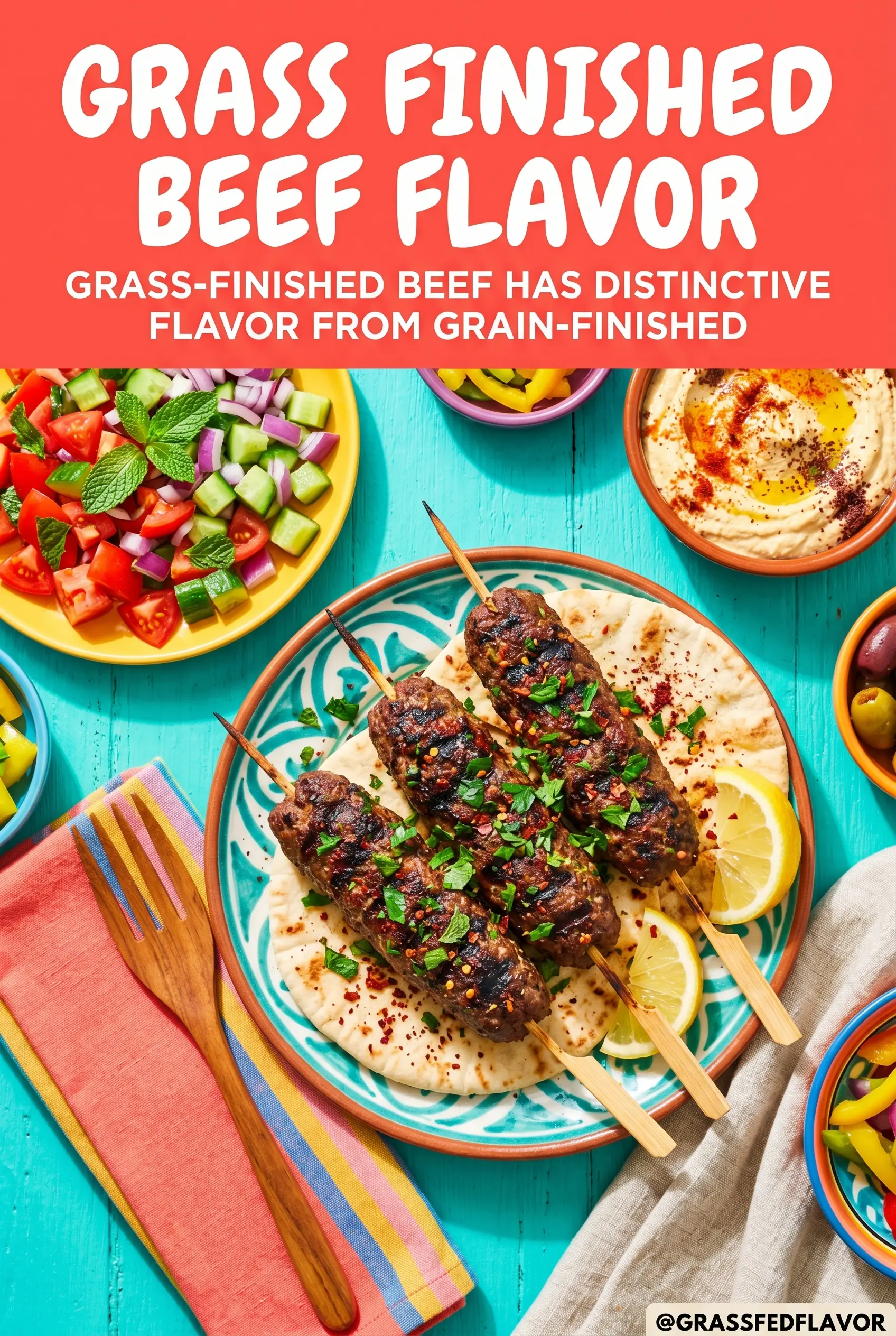
Beef Kafta Kebabs
Ingredients
Equipment
Method
- In a bowl, mix ground beef, grated onion, chopped parsley, minced garlic, cumin, paprika, allspice, cinnamon, salt, and pepper until evenly combined.
- Press the mixture together firmly so it will hold shape on the skewers.
- Refrigerate the mixture for 30 minutes to firm up before shaping.
- While it chills, soak wooden skewers (if using) so they don’t burn on the grill.
- Divide the mixture into 6 to 8 portions and shape each portion around a skewer in a log shape.
- Grill over medium-high heat for 4 to 5 minutes per side, until charred and cooked through.
- Serve the beef kafta kebabs hot with tahini sauce, pita, and fresh vegetables.