Crispy-skinned chicken thighs soaked in honey buffalo glaze hit that sweet spot between sticky, spicy, and smoky. The skin picks up real grill flavor while the sauce clings in a glossy layer that turns lacquered at the edges instead of sliding right off the meat. Bone-in thighs are the right cut here because they stay juicy long enough for the skin to crisp and the glaze to reduce without drying out.
The trick is keeping part of the sauce back for basting so you’re not brushing raw marinade onto the chicken after it hits the grill. Honey helps the glaze darken and cling, while the melted butter softens the sharp heat from the buffalo sauce and gives the finish a richer shine. A short marination is enough to season the surface without making the skin soggy.
Below you’ll find the timing cues that matter most, plus a few smart swaps if you want to adjust the heat, make it dairy-free, or cook these with the same sticky finish in the oven.
The glaze got sticky and dark on the grill without burning, and the thighs stayed unbelievably juicy. My husband kept going back for “just one more” piece, especially with the blue cheese and celery on the side.
Save these grilled honey buffalo chicken thighs for the nights when you want sticky, spicy chicken with crisp skin and barely any cleanup.
The Mistake That Makes Honey Buffalo Chicken Burn Before It Glazes
The biggest problem with honey-buffalo chicken on the grill is heat that’s too aggressive. Honey caramelizes fast, and buffalo sauce already has enough color to look done before the chicken is actually cooked through. Medium heat gives the skin time to render and crisp while the glaze thickens into a sticky coating instead of turning bitter on the grates.
Bone-in, skin-on thighs earn their place here because they tolerate that slower finish. Boneless thighs will cook faster, but they won’t give you the same crisp skin or the same protection against overcooking. The short marinating time seasons the outside and starts the flavor in motion without softening the skin into a wet layer that steams instead of browns.
- Keep the grill at medium, not medium-high. The sauce needs a little time to thicken on contact.
- Place the thighs skin-side down first so the skin can render and crisp before the glaze gets too dark.
- Reserve part of the sauce before it touches raw chicken. That keeps your basting sauce clean and bright.
- Use the thermometer. The visual cue is sticky glaze, but the safety cue is 165°F in the thickest part.
What Each Ingredient Is Actually Doing in This Dish
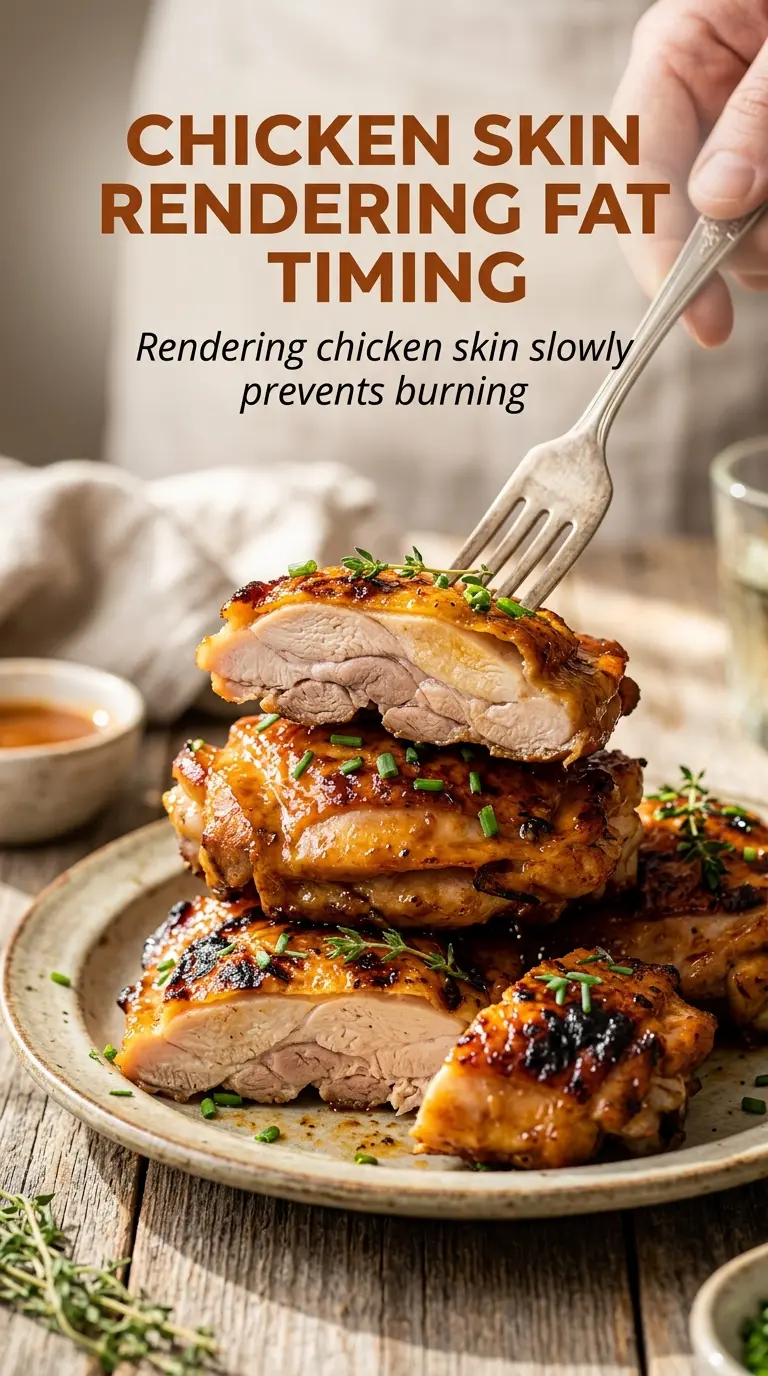
- Chicken thighs — Bone-in, skin-on thighs stay juicy on the grill and give you the crisp skin that makes this dish worth making. Chicken breasts dry out faster and won’t carry the glaze as well.
- Buffalo sauce — This is the backbone of the flavor, so use one you already like on its own. If yours is very sharp, the honey and butter will round it out; if it’s mild, the finished chicken will taste sweeter.
- Honey — Honey is what makes the sauce cling and caramelize. Maple syrup can work in a pinch, but it tastes different and browns a little less predictably.
- Butter — It smooths the heat and helps the glaze look glossy instead of thin. If you need a dairy-free version, use a neutral oil, but the sauce will be less rich and a touch less silky.
- Apple cider vinegar — This sharpens the glaze so the honey doesn’t turn the sauce heavy. It also keeps the finish from tasting flat once the chicken comes off the grill.
Getting the Skin Crispy Before the Glaze Turns Sticky
Mix the Sauce and Pull Off a Clean Basting Portion
Stir the buffalo sauce, honey, melted butter, and vinegar until the mixture looks smooth and glossy. Reserve about a third of it before it ever touches the raw chicken. That separate portion is the one you’ll baste with on the grill, and keeping it clean means you’re not spreading raw marinade around as the chicken cooks.
Season, Coat, and Let the Thighs Sit Briefly
Pat the chicken dry, then season it with salt and pepper before brushing on the sauce. A short 30-minute rest is enough for the surface to pick up flavor without making the skin loose or damp. If the chicken sits in the marinade much longer, the skin softens and you lose the crisping you’re after.
Start Skin-Side Down and Let the Fat Render
Set the thighs skin-side down over medium heat and leave them alone for 8 to 10 minutes. You want to hear a steady sizzle, not a violent flare-up. If the grill is too hot, the glaze scorches before the skin has time to crisp, so keep an eye on the edges and move any thighs that darken too quickly to a cooler spot.
Flip, Baste, and Finish to 165°F
Turn the thighs and cook for another 8 to 10 minutes, brushing with the reserved sauce during the last part of cooking. The glaze should go shiny and sticky, not thick and burnt. Pull the chicken when the internal temperature hits 165°F in the thickest part, then let it rest for a few minutes so the juices settle back into the meat instead of running out onto the plate.
How to Adapt the Heat, the Cut, or the Cooking Method
Make It Milder Without Losing the Buffalo Flavor
Use a milder buffalo sauce and add a little extra honey if you want the glaze to land sweet-heat instead of sharp spice. The flavor will still read as buffalo chicken, but the finish will be friendlier for kids or anyone who doesn’t want much burn.
Dairy-Free Version
Swap the butter for a neutral oil or a plant-based butter. You’ll still get a sticky glaze, but it won’t have the same rounded richness that butter brings to the sauce.
Oven-Finished Version
If grilling isn’t an option, start the thighs skin-side down in a hot skillet or under the broiler to crisp the skin, then finish in the oven at 400°F. You’ll lose a little smoke flavor, but the glaze will still set up nicely and the chicken will stay juicy.
Swap in Boneless Thighs
Boneless thighs cook faster, so start checking them early and shorten the grill time by a few minutes per side. They’ll still be juicy and flavorful, but you won’t get the same crackly skin or the same dramatic sticky finish.
Storage and Reheating
- Refrigerator: Store leftovers in an airtight container for up to 4 days. The skin softens, but the glaze keeps the meat flavorful.
- Freezer: Freeze cooked thighs for up to 2 months. Wrap them tightly and freeze with a little extra sauce if you have it.
- Reheating: Warm them in a 325°F oven, covered loosely with foil at first, then uncover for the last few minutes so the glaze re-sticks. The common mistake is blasting them in the microwave, which makes the skin rubbery and the sauce split.
Answers to the Questions Worth Asking
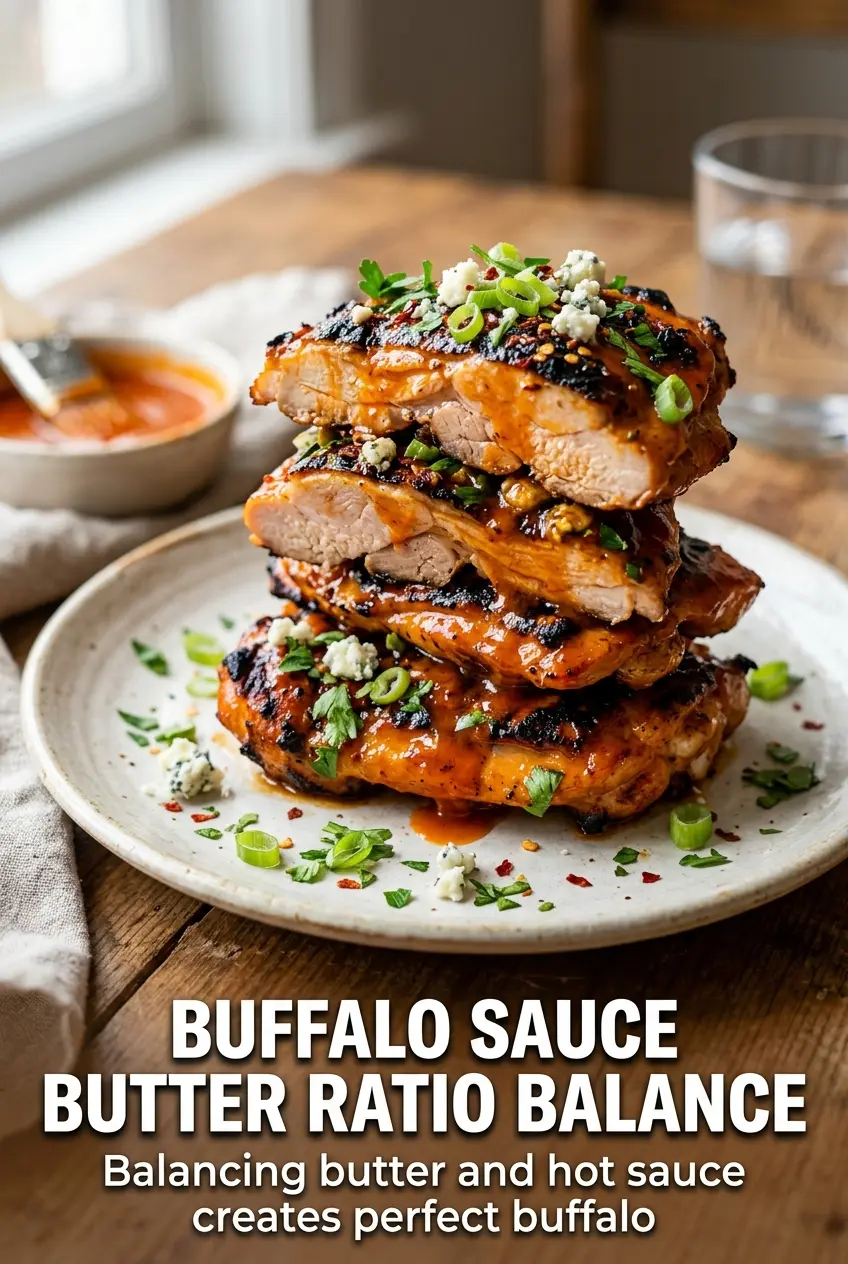
Grilled Honey Buffalo Chicken Thighs
Ingredients
Equipment
Method
- In a bowl, mix buffalo sauce, honey, melted butter, and apple cider vinegar until smooth and glossy.
- Reserve 1/3 cup of the honey-buffalo mixture for basting, then set the rest aside with the chicken.
- Season the chicken thighs with salt and pepper, then brush with some of the honey-buffalo sauce.
- Marinate for 30 minutes so the thighs absorb flavor before grilling.
- Preheat the grill to medium heat, then grill the thighs skin-side down for 8–10 minutes until the skin is crisp and browned.
- Flip the thighs and grill for 8–10 more minutes, basting frequently with the reserved sauce.
- Continue grilling until the internal temperature reaches 165°F and the glaze looks sticky and clings to the chicken.
- Serve the grilled honey buffalo chicken thighs with blue cheese dressing and celery sticks on the side.