Glossy, sticky Bourbon Maple BBQ Chicken Skewers hit that sweet-smoky balance that keeps people hovering near the grill for “just one more.” The bourbon gives the glaze a warm edge, the maple syrup brings a deep caramel note, and the BBQ sauce keeps everything grounded in familiar backyard flavor. Once the chicken gets a little char at the edges and the glaze tightens up, these skewers turn into the kind of main dish that disappears fast.
What makes this version work is the order of operations. The marinade doubles as the basting sauce, but a portion gets held back before the chicken goes in so you’re brushing on clean glaze while the skewers cook. That keeps the coating glossy instead of muddy, and it also means you’re not using raw marinade on the finished chicken. A little Dijon sharpens the sweetness, and the cider vinegar keeps the whole thing from tasting heavy.
Below, I’ve laid out the part that matters most: how to get that sticky finish without burning the sugars, plus a few smart swaps if you need to adjust the recipe for what’s in your kitchen.
The glaze got sticky and caramelized instead of burning, and the chicken stayed juicy even after the second round of basting. My husband kept picking pieces off the platter before dinner was even on the table.
Save these Bourbon Maple BBQ Chicken Skewers for the next grill night when you want sticky glaze, smoky edges, and almost no cleanup.
The Glaze Needs a Clean Split Between Marinade and Basting Sauce
With a sweet glaze like this, the biggest mistake is treating every drop of sauce the same way. The portion that touches raw chicken should never come back out for basting, because once it’s mixed with the meat, it’s no longer safe for brushing at the end. Holding back a clean reserve before marinating solves that problem and also gives you a fresher, shinier finish on the grill.
The second thing that matters is heat. Bourbon, maple syrup, and BBQ sauce all contain sugars, and sugar burns fast over high flames. Medium heat gives the chicken time to cook through while the glaze thickens into a lacquer instead of turning bitter and black on the outside before the center is done.
- Reserve first, then marinate. Pull out 1/4 cup of the mixed sauce before it ever touches the chicken. That’s your basting sauce, and keeping it separate is what makes the final coating glossy and safe.
- Moderate heat beats flare-ups. If the grill is too hot, the sugars in the maple and BBQ sauce will char before the chicken finishes. Stay over medium heat and move the skewers if the flames jump.
- Dijon is small but important. It doesn’t make the skewers taste mustardy. It sharpens the glaze and helps the sauce cling instead of sliding off the chicken.
What Each Ingredient Is Doing in the Bourbon Maple Glaze
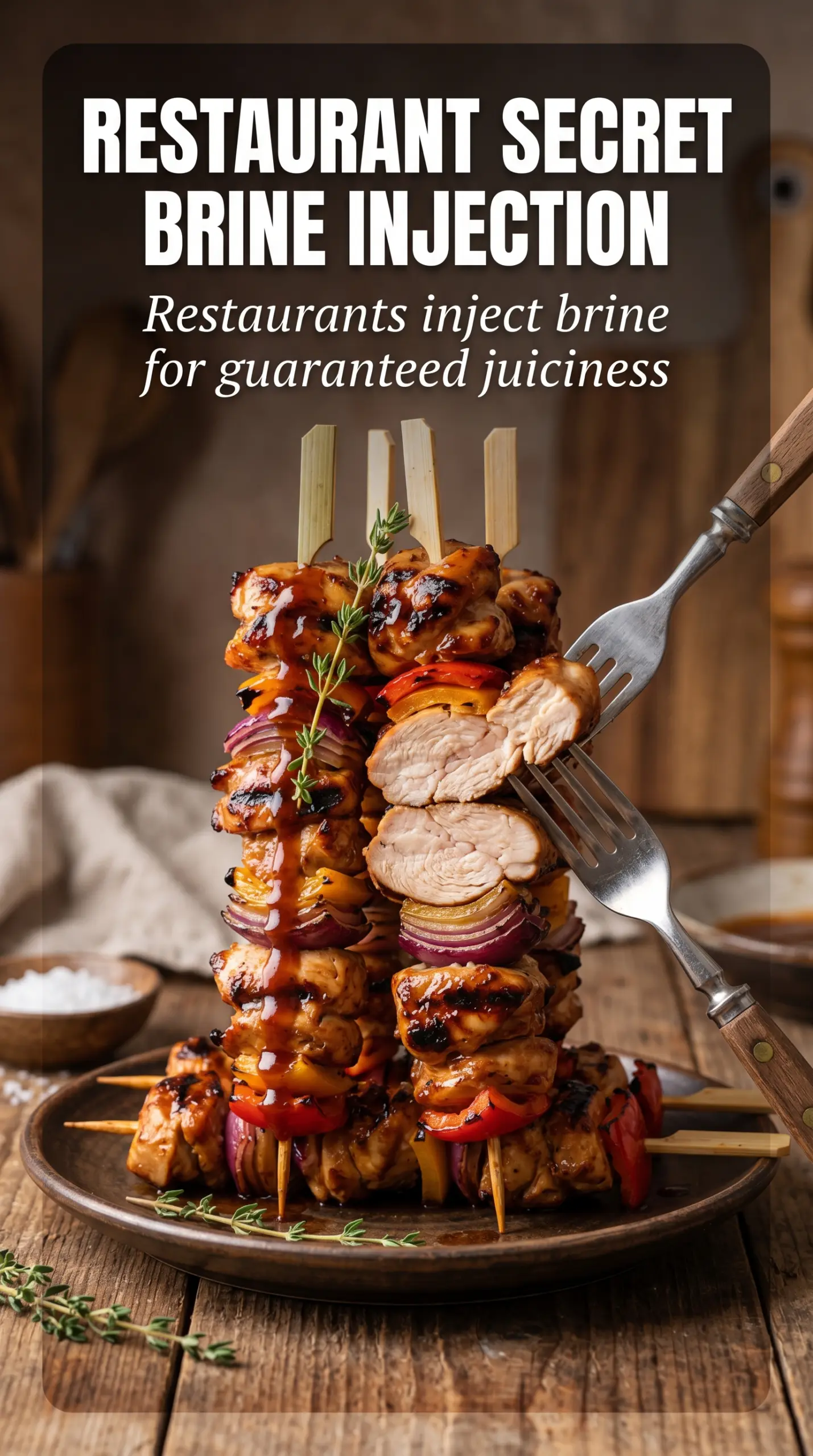
- Chicken breasts — Cubing the chicken gives you more surface area for the glaze, which means better browning and more flavor in every bite. Breasts stay lean and tender here as long as you don’t overcook them; thighs work too if you want a little more richness and don’t mind a slightly longer grill time.
- BBQ sauce — This is the backbone of the glaze, so use one you’d actually like on its own. If your sauce is very sweet, the finished skewers will lean candy-like; if it’s smoky and tangy, the bourbon and maple read more balanced.
- Bourbon — You don’t need an expensive bottle, but you do need one with a flavor you’d drink. It adds warmth and a faint vanilla-oak note, and it cooks down into the glaze instead of tasting boozy. If you want to skip it, use apple juice with an extra splash of vinegar, though you’ll lose some depth.
- Maple syrup — Real maple syrup gives the glaze a rounder, deeper sweetness than pancake syrup. It also helps the sauce caramelize. The fake stuff can work in a pinch, but the flavor is flatter and the glaze can taste a little one-note.
- Apple cider vinegar — This keeps the glaze from turning cloying. It brightens the sauce and helps the chicken taste seasoned all the way through, not just coated on the outside.
- Dijon mustard — Dijon acts like a quiet emulsifier here, helping the sauce stay smooth and cling to the meat. Grainy yellow mustard won’t give the same clean finish, though it will still work if that’s what you have.
Building the Skewers Without Steaming the Chicken
Mixing the glaze
Whisk the BBQ sauce, bourbon, maple syrup, cider vinegar, and Dijon until the mixture looks smooth and dark. It should smell sweet first, then hit with a little sharpness from the vinegar. Reserve part of the sauce before adding the chicken so you have a clean basting glaze later. If you skip that step, you’ll end up with contamination issues and a duller finish.
Marinating for flavor, not mush
Coat the chicken and let it sit for 1 to 4 hours. That gives the glaze time to season the meat without breaking down the texture. Less than an hour won’t do much; much past four hours can start to make the surface soft if your BBQ sauce is very acidic. Keep it chilled while it marinates.
Threading and grilling
Soak wooden skewers so they don’t scorch, then thread the chicken pieces on with a little space between them. Crowding the pieces traps steam, and steam is the enemy of caramelization. Grill over medium heat for 5 to 6 minutes per side, turning once the first side has a few deep grill marks and the glaze looks set at the edges.
Finishing with sticky glaze
Baste as the skewers cook, but stop brushing too early if the grill is running hot. The last few minutes are when the sauce goes from shiny to sticky. Pull the chicken when the thickest pieces reach 165°F and the glaze looks lacquered, not wet. Let the skewers rest for a couple of minutes before serving so the juices stay in the meat instead of running onto the plate.
How to Adjust These Skewers Without Losing the Sticky Finish
Make them dairy-free and naturally gluten-free
This recipe already fits both of those needs as long as your BBQ sauce is labeled gluten-free. That’s the only ingredient that can sneak in wheat-based thickeners or malt vinegar. Check the bottle once and you’re set.
Swap in chicken thighs for a juicier bite
Boneless thighs give you more fat and a little more forgiveness on the grill. They’ll stay juicier if you get distracted, but they may need a minute or two longer than breasts, especially if the pieces are large. The glaze behaves the same way.
Skip the bourbon with a non-alcoholic version
Use apple juice or unsweetened white grape juice in place of the bourbon, then add an extra teaspoon of vinegar to keep the glaze from leaning too sweet. You’ll lose the oak-and-vanilla edge, but the skewers will still caramelize well and taste balanced.
Use the same glaze on the stovetop
If grilling isn’t happening, sear the chicken in a hot skillet, then brush on the reserved glaze near the end and finish in the pan. You won’t get the smoky grill marks, but you’ll still get a sticky coating. Keep the heat moderate once the sauce goes in so the sugars don’t scorch.
Storage and Reheating
- Refrigerator: Store leftovers for up to 4 days. The glaze will tighten up a bit in the fridge, but the flavor holds well.
- Freezer: The cooked chicken freezes well for up to 2 months. Freeze the skewers off the sticks if you can, or remove the chicken from the skewers and pack it tightly so it doesn’t dry out.
- Reheating: Warm gently in a 300°F oven, covered, until heated through. High heat is what makes the glaze go sticky in the wrong way and dries out the chicken.
Answers to the Questions Worth Asking
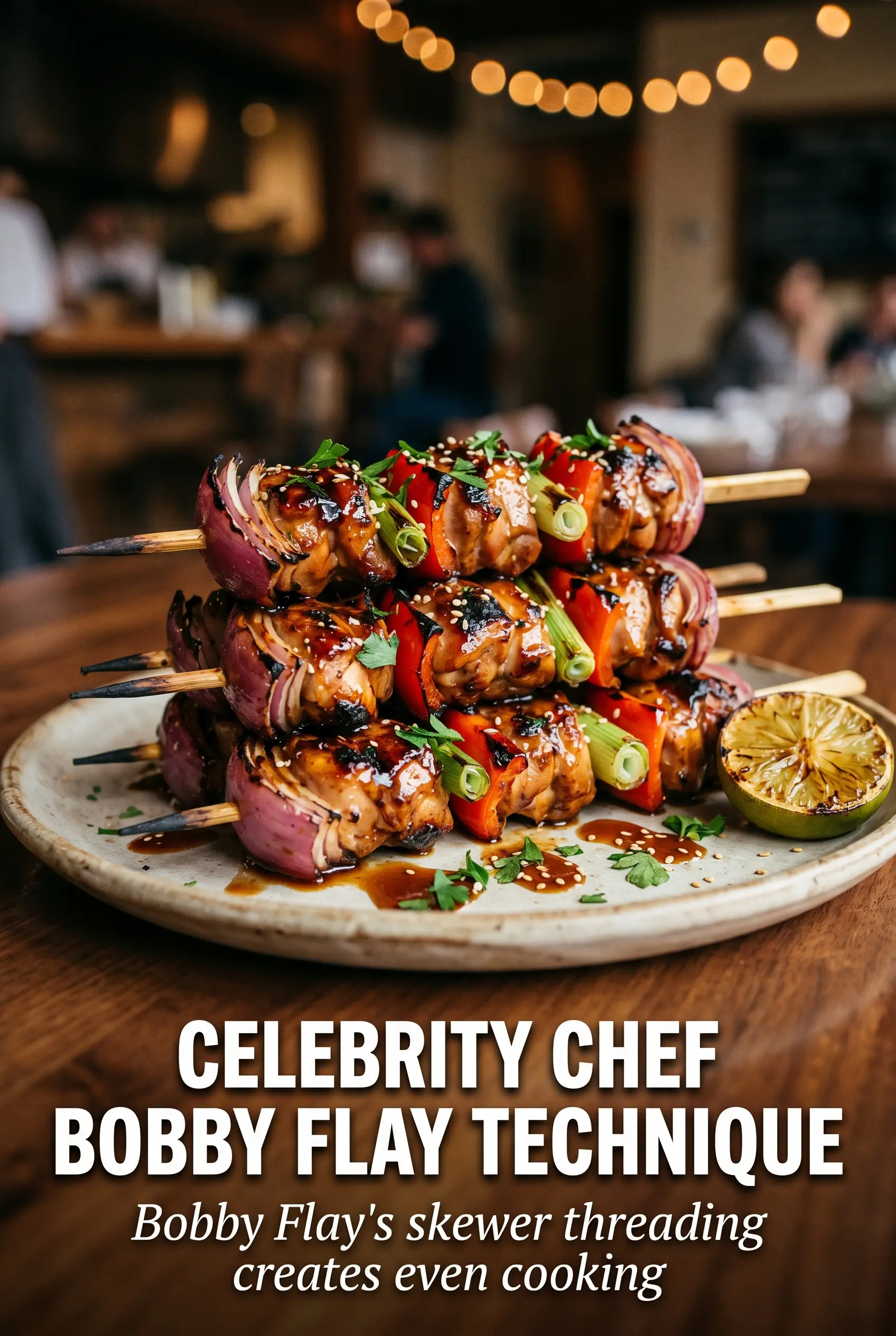
Bourbon Maple BBQ Chicken Skewers
Ingredients
Equipment
Method
- In a bowl, mix BBQ sauce, bourbon, maple syrup, apple cider vinegar, and Dijon mustard until smooth.
- Reserve 1/4 cup of the mixture for basting and set it aside.
- Add the cubed chicken to the remaining sauce and stir to coat, then cover and marinate for 1-4 hours in the refrigerator.
- While marinating, soak the wooden skewers in water so they stay from charring on the grill.
- Thread the marinated chicken onto the soaked skewers, leaving a little space between pieces for even cooking.
- Grill the skewers over medium heat for 5-6 minutes per side, basting frequently with the reserved sauce.
- Continue grilling until the chicken reaches 165°F and the glaze looks sticky and caramelized at the edges.