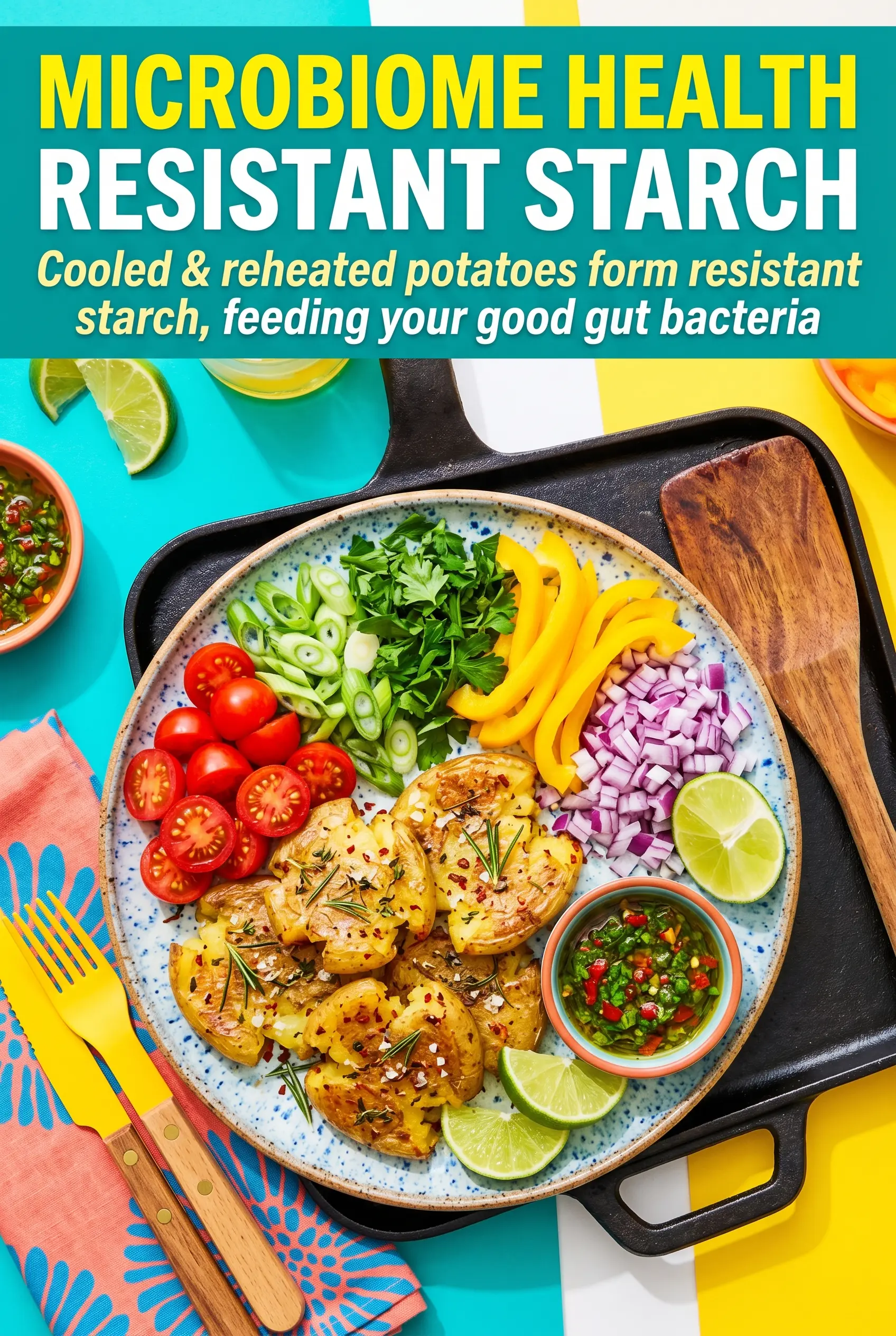
Griddle smashed potatoes hit that perfect middle ground between crisp-edged fries and buttery roasted potatoes, with a flat, lacy crust on the outside and a tender, fluffy center underneath. The griddle does what a sheet pan can’t: it gives you a wide, hot surface that lets every potato round make full contact with the heat, so the edges brown deeply instead of steaming.
The trick is giving the potatoes a head start in boiling water, then drying them enough that the griddle can actually crisp them. If they go onto the griddle wet, the surface sizzles lazily and the crust takes forever to form. Butter adds flavor, but the oil keeps it from scorching while the potatoes crisp. That mix matters here.
Below, I’ve included the little details that make these potatoes work consistently, plus the best way to load them up without losing that crackly bottom.
I’ve made smashed potatoes in the oven for years, but the griddle gave them the crispiest edges I’ve ever had. The cheese melted right into the nooks and the bacon stayed on top instead of sinking into a soggy pile.
Save these griddle smashed potatoes for the next time you want crispy edges, melted cheddar, and a bacon-loaded finish without turning on the oven.
The Trick to Crispy Edges Without Shredding the Potatoes
Once potatoes are boiled tender, the next mistake is trying to smash them too aggressively while they’re still fragile. You want them soft enough to flatten, but not so hot that they fall apart in a wet mash. A quick cool-down helps the skins tighten a little, which gives you cleaner edges and less sticking on the griddle.
The other key piece is contact. A potato only crisps where it touches the hot surface, so a heavy spatula or press matters more than people think. Don’t leave them in rounded little domes. Flatten them enough that the middle is still intact but the surface area spreads out, because that’s where the crust forms. If your griddle runs cool, the potatoes will absorb fat before they brown, and you’ll lose that sharp, crunchy finish.
What the Cheese, Bacon, and Fat Are Doing Here
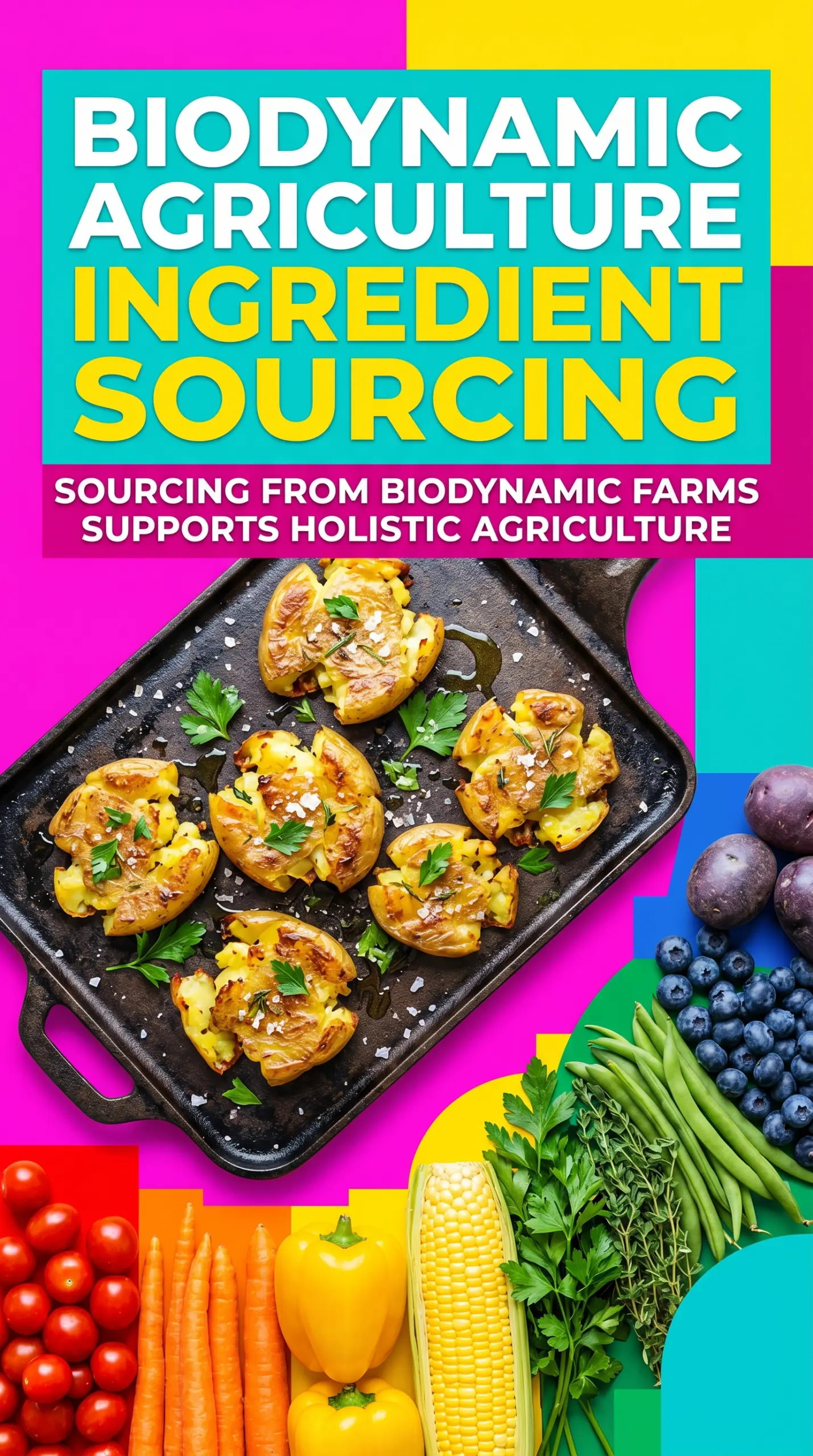
- Baby potatoes — These hold their shape after boiling and give you a creamy interior with enough structure to smash. Larger potatoes can work, but you’ll want to cut them into smaller chunks first so the centers cook through before the outside overbrowns.
- Olive oil and butter — The oil handles the high heat while the butter brings the browned, nutty flavor you want on the final crust. Using only butter is where things go wrong, because it can scorch before the potatoes finish crisping.
- Garlic — Adding it around the potatoes instead of directly under them keeps it from burning. Minced garlic cooks fast on a griddle, so it should toast in the fat and perfume the potatoes rather than sit there long enough to turn bitter.
- Cheddar, bacon, sour cream, and chives — This is the loaded finish, and each part has a job. Cheddar melts into the cracks, bacon adds salt and crunch, sour cream cools the richness, and chives keep the whole plate from tasting heavy.
Getting the Potatoes Brown and Loaded Without Losing the Crunch
Boiling Them to the Right Point
Boil the potatoes until a knife slides in easily but the potatoes still hold together when you lift them with a spoon. If they’re undercooked, they won’t smash cleanly and the centers stay chalky. If they’re falling apart in the pot, they’ve gone too far and the griddle stage becomes messy. Drain them well and let them steam off for a few minutes so the surface moisture doesn’t sabotage the crust.
Smashing on the Griddle
Heat the griddle to medium-high before the potatoes go down, then add the oil and butter and let them shimmer together. Set the potatoes on the hot surface and press them flat in one firm motion. If you keep pressing and shifting, they tear; one clean smash gives you a better shape and a more even crust. The potatoes should audibly sizzle the second they hit the pan.
Building the First Side
Let the first side cook until the bottoms turn deep golden and the edges look crisp and frilly. Don’t rush the flip. If the potatoes stick, they aren’t ready yet; once the crust has formed, they release more easily. The garlic can cook alongside them in the fat, but keep an eye on it because it browns faster than the potatoes and can go from fragrant to bitter in a minute.
Finishing with the Toppings
Flip the potatoes and crisp the second side until it matches the first. Then add the cheddar while the potatoes are still hot so it melts into the surface instead of sitting in a loose pile. Finish with bacon, sour cream, and chives right before serving. If you add the cold toppings too early, the steam softens the crust you just worked for.
How to Change These Up Without Losing the Crispy Finish
Make Them Vegetarian
Skip the bacon and add extra chives, roasted scallions, or a little smoked paprika over the top. You’ll lose the salty crunch, so the best replacement is something with either smoke or texture. A sprinkle of crisped onions works well if you want that loaded-potato feel without meat.
Make Them Dairy-Free
Use all olive oil instead of butter and swap the cheddar and sour cream for dairy-free versions you already like melting and dolloping. The potatoes will still crisp beautifully, but the finished dish tastes a little cleaner and less rich. Choose a plant-based cheese that actually melts, not one that dries into shreds.
Keep Them Gluten-Free
This recipe is naturally gluten-free as written, which is one reason it works so well for a crowd. Just double-check the bacon and any shredded cheese blend for hidden starches or additives if you’re cooking for someone sensitive. The technique doesn’t change at all.
Storage and Reheating
- Refrigerator: Store leftovers in an airtight container for up to 3 days. The crust softens in the fridge, but the flavor stays good.
- Freezer: These freeze poorly once they’re loaded with sour cream and cheese, so I don’t recommend freezing the finished dish. If you want to get ahead, freeze the boiled, unsmashed potatoes instead.
- Reheating: Reheat on a hot skillet or griddle until the edges crisp back up. The biggest mistake is microwaving them, which warms the center but turns the crust limp.
Answers to the Things That Trip People Up With This Dish
Griddle Smashed Potatoes
Ingredients
Equipment
Method
- Boil the baby potatoes until tender, about 15-20 minutes, then drain and cool slightly. Visual cue: the potatoes should pierce easily with a fork.
- Heat a cast iron skillet (or griddle) to medium-high and add the olive oil and butter. Visual cue: the butter should foam lightly and look glossy.
- Place the potatoes on the hot griddle and smash completely flat with a heavy spatula. Visual cue: each potato becomes an even, wide round.
- Add the minced garlic around the potatoes and cook for 6-7 minutes until a crispy golden crust forms. Visual cue: the edges look deep golden and sound a bit toasty.
- Flip the potatoes and cook another 5-6 minutes until both sides are crispy. Visual cue: the underside matches the first side’s crisp, browned texture.
- Top the crispy smashed potatoes with shredded cheddar cheese, then bacon, sour cream, and chives before serving. Visual cue: cheese begins to melt slightly and toppings sit on top of the crunchy rounds.