Sticky, charred Grilled Huli Huli Chicken is the kind of grill recipe that disappears fast because every piece carries that sweet-savory glaze right to the bone. The skin gets lacquered and bronzed, the edges pick up a little smoke, and the marinade bakes into a sauce that tastes bigger than the short ingredient list suggests.
What makes this version work is balance. Soy sauce brings salt and depth, brown sugar gives the glaze its shine, and pineapple juice adds the brightness that keeps the chicken from tasting heavy. The chicken benefits from frequent turning and basting, which is exactly what the word huli points to; the constant movement keeps the glaze from burning before the meat cooks through.
Below, I’ve included the small details that matter most, from how long to marinate to the point where the sauce goes from watery to sticky. If you’ve ever ended up with chicken that was scorched outside and underdone inside, the timing notes here will help a lot.
The chicken came off the grill with that sticky, caramelized coating I never seem to get when I rush it. Turning it often kept the glaze from burning, and the middle stayed juicy the whole way through.
Save this grilled Huli Huli chicken for the nights when you want sticky, charred Hawaiian barbecue with almost no fuss.
The Marinade Needs Time to Soak In, Not Just Coat the Outside
Huli Huli chicken can look ready long before it tastes right. The sugar, soy, and pineapple juice need time to work into the surface of the meat so the flavor doesn’t sit only on top, and that’s especially important if you’re using thighs or legs with thicker skin and darker meat. A short marinade gives you seasoning; a 2- to 8-hour soak gives you that deeper, rounder flavor that holds up on the grill.
The other trap is using all of the marinade as a sauce. Don’t do that. You need a clean reserved portion for basting, because the chicken should get brushed with marinade that hasn’t touched raw meat. That reserved amount is what helps build the glossy finish without any risk of cross-contamination.
What the Pineapple Juice and Brown Sugar Are Doing for the Glaze
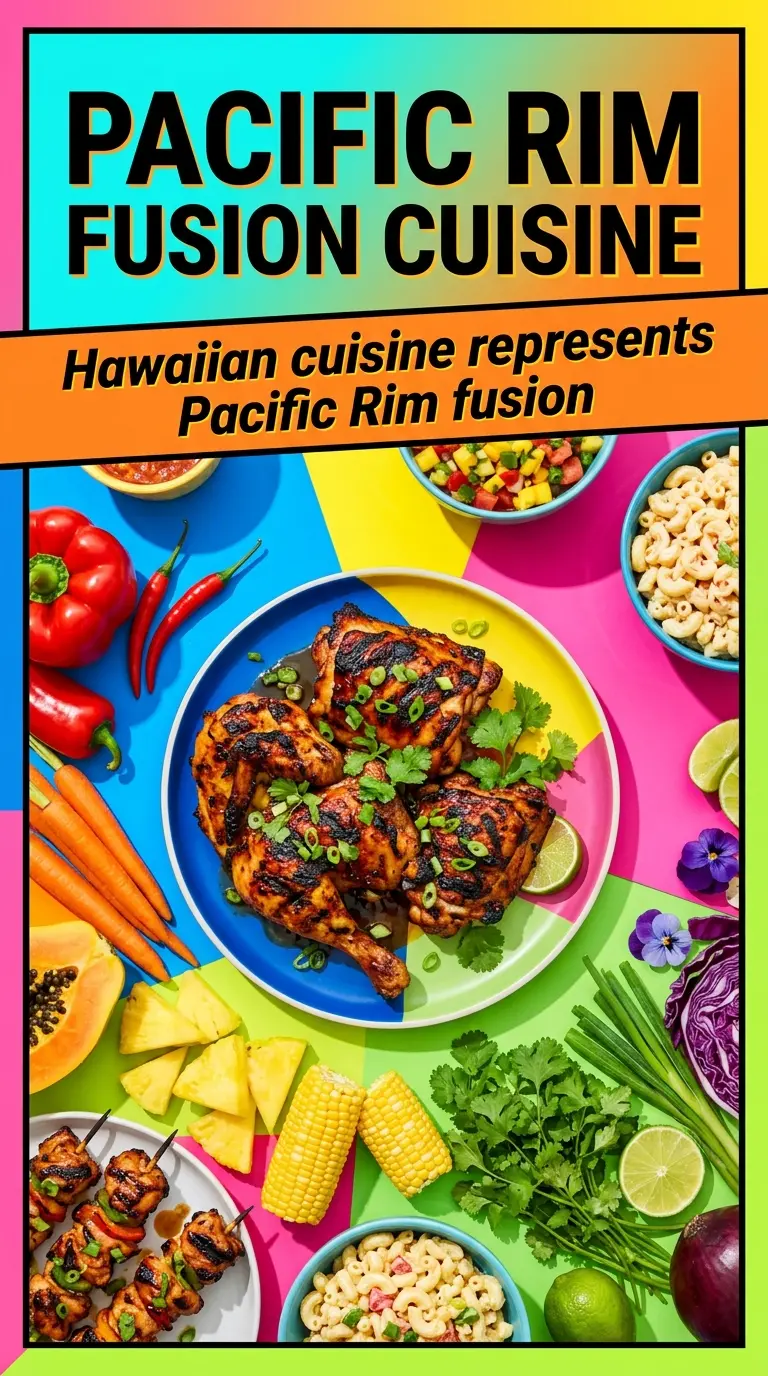
- Chicken thighs or legs — Dark meat stays juicier on the grill and handles the sticky glaze better than chicken breast. If you use breasts, pull them earlier and watch the heat closely because they dry out fast once the sugar starts to caramelize.
- Soy sauce — This gives the marinade its salty backbone and the savory depth that keeps the chicken from tasting like plain sweet barbecue. Low-sodium soy sauce works if that’s what you have, but the glaze will taste a little softer and you may want a pinch more salt in the final dish.
- Brown sugar — This is what helps the chicken turn glossy and bronzed instead of just wet. It melts into the soy sauce and pineapple juice, then thickens on the grill into that sticky coating people expect from Huli Huli chicken.
- Pineapple juice — Fresh or canned both work, as long as it’s 100% juice and not a sweetened drink. It adds acidity and fruitiness, and it also helps the marinade taste bright enough to balance the smoke and char.
- Ginger and garlic — These carry the sharp, savory edge that makes the marinade taste like more than a sweet glaze. Grate the ginger finely so it disappears into the sauce and doesn’t cling in gritty bits.
- Sherry or chicken broth — Sherry adds a little extra depth, while broth gives you a milder, more straightforward finish. Either one loosens the marinade enough to baste well without making the glaze overly thick before it hits the heat.
Turning and Basting Without Burning the Glaze
Build the Marinade First
Whisk the soy sauce, brown sugar, ketchup, pineapple juice, sherry or broth, ginger, garlic, and sesame oil until the sugar starts to dissolve. The mixture should look dark, glossy, and a little loose at first. Reserve half a cup before the chicken goes in so you’ve got clean basting liquid later. If you skip that step and try to use the same bowl, you’ll have nothing safe to brush on the grill.
Let the Chicken Sit Long Enough to Matter
Coat the chicken thoroughly and refrigerate it for at least 2 hours, or up to 8 if you want deeper flavor. Longer than that can start to make the surface a little soft because of the pineapple juice, so don’t leave it overnight. Turn the chicken once or twice while it marinates if you can; that helps the pieces stay evenly coated instead of sitting in a puddle of liquid.
Grill Over Medium Heat and Turn Often
Place the chicken over medium heat, not high. High heat will darken the sugar before the meat cooks through, and you’ll end up with a bitter crust instead of a caramelized glaze. Turn the pieces frequently and baste with the reserved marinade each time you flip them. The surface should keep getting sticky and lacquered, while the chicken juices run clear and the internal temperature reaches 165°F.
Let the Glaze Finish on the Meat
During the last few minutes, the marinade should look thick, shiny, and clinging to the chicken instead of pooling on the grate. That’s the moment you’re waiting for. Pull the chicken off once it hits temperature and let it rest briefly so the juices settle back into the meat. If you slice too soon, the glaze stays on the board instead of on the chicken.
How to Adapt This for Different Grills and Different Eaters
Dairy-Free, Naturally
This recipe is already dairy-free as written, which makes it an easy one to keep on repeat. The only thing to watch is your side dishes and condiments, since the chicken itself gets all of its richness from the marinade and grill caramelization.
Gluten-Free Version
Use a gluten-free soy sauce or tamari and check your ketchup label. You’ll still get the same sticky glaze and savory depth, just with a slightly cleaner finish depending on the brand you choose.
Chicken Breast Instead of Dark Meat
Breasts work, but they need more attention because they dry out faster and don’t forgive overcooking the way thighs do. Grill them over medium heat and pull them as soon as they reach 165°F; don’t wait for the same deep lacquer you’d expect from thighs, or the meat underneath will suffer.
Oven Finish When the Weather Won’t Cooperate
You can start the chicken on the grill for flavor, then move it to a 400°F oven to finish if flare-ups are getting away from you. That won’t give you quite the same smoke, but it does protect the glaze from burning before the center cooks through.
Storage and Reheating
- Refrigerator: Store leftovers in an airtight container for up to 4 days. The glaze will firm up as it chills, which is normal.
- Freezer: Freeze cooked chicken for up to 2 months. Wrap it well or use a freezer container, and expect the glaze to lose a little shine after thawing.
- Reheating: Reheat gently in a covered skillet with a splash of water, broth, or leftover sauce, or warm it in a 300°F oven until heated through. High heat dries out the dark meat and turns the sugar sticky in the wrong way.
Answers to the Questions Worth Asking

Grilled Huli Huli Chicken
Ingredients
Equipment
Method
- Whisk together soy sauce, brown sugar, ketchup, pineapple juice, sherry or chicken broth, ginger, garlic, and sesame oil until the sugar dissolves and the glaze looks smooth and glossy.
- Reserve 1/2 cup marinade for basting and set it aside so you have sauce ready for the grill.
- Add chicken thighs or legs to the marinade and turn to coat all surfaces well.
- Cover and marinate for 2-8 hours in the refrigerator, until the chicken looks slightly darker and is well infused.
- Preheat the grill to medium heat and lightly oil the grates so the chicken chars without sticking.
- Place the marinated chicken on the grill and grill over medium heat, turning (huli) frequently and watching for deep grill marks.
- Baste the chicken with the reserved marinade during grilling so the outside becomes sticky and caramel-colored.
- Continue cooking for 25-30 minutes total until the internal temperature reaches 165°F and the chicken is caramelized with charred edges.