Crusty, deeply seasoned tri-tip with a pink center is one of those dinners that looks like it took a lot more effort than it did. The outside picks up a peppery, garlicky bark, while the inside stays tender and juicy when you slice it correctly. That contrast is the whole reason this cut earns a repeat spot on the menu.
The key is treating tri-tip like a roast and a steak at the same time. A hot sear builds flavor fast, but the finish needs to stay controlled so the center lands in that medium-rare range without drying out. The spice rub is simple on purpose: salt pulls seasoning into the meat, paprika helps the crust darken, and a little oregano gives it that Santa Maria-style backbone without masking the beef.
Below, you’ll find both grilling and oven-roasted methods, plus the one slicing mistake that can turn a great tri-tip into chewy disappointment. Get that part right, and the rest is straightforward.
The crust came out beautifully and the center stayed perfectly pink after the rest. I sliced it wrong the first time, but once I cut against the grain it was tender all the way through.
Tri-tip slices beautifully when you rest it and cut across the grain, so save this one for the nights you want a steakhouse-style roast with a real crust.
The Slice Direction Is What Decides Whether Tri-Tip Eats Tender or Chewy
Tri-tip has a clear grain, and it changes direction across the roast. That means one careless slice can undo an otherwise great cook, especially if you cut with the grain instead of across it. If the roast seems firm and looks like it wants to tear instead of slice cleanly, the knife is working against the meat fibers.
The rest time matters here too. Cut too early and the juices run out before they settle back into the meat, which leaves the center drier than it should be. A 15-minute rest is enough for a 3-pound roast, and it gives you time to find the grain before you start carving.
- High heat for the crust: Tri-tip needs that first blast of heat to brown the outside fast. If the heat is too low, the meat steams before it sears.
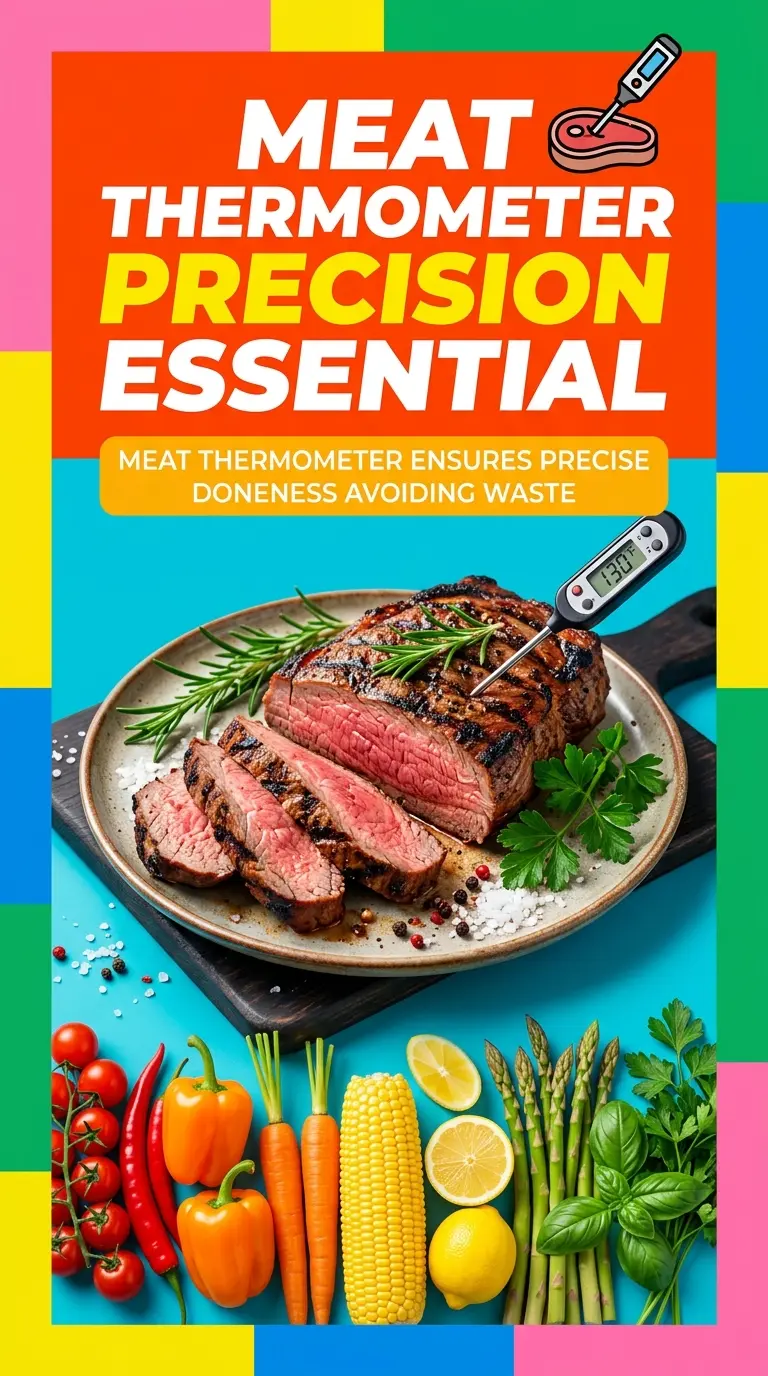
- Carryover finish: Pull it at 130-135°F for medium-rare and let the temperature climb a bit while it rests. Going much higher makes this cut noticeably drier.
- Across the grain: On tri-tip, this is nonnegotiable. If the slices look stringy, the cut direction was off.
What Each Seasoning Is Doing in the Rub
- Kosher salt: This is the backbone of the rub. It seasons the meat deeply and helps the surface dry enough to brown instead of turning muddy.
- Black pepper: Tri-tip loves pepper. It gives the crust a sharp edge that stands up to the beefy roast flavor.
- Garlic powder: Use powder, not fresh garlic, here. Fresh garlic can burn under high heat, while powder gives you even seasoning all the way across the crust.
- Paprika: This adds color and a little warmth without making the rub taste smoky or sweet. Regular paprika works fine, and smoked paprika is a good swap if you want a deeper grill flavor.
- Oregano and onion powder: These round out the rub and push it toward that Santa Maria-style profile. Don’t skip them if you want the roast to taste complete instead of just salted beef.
Getting the Heat Right on the Grill or in the Oven
Building the Rubbed Surface
Mix the spices first so the salt is distributed evenly, then rub the tri-tip with olive oil before adding the seasoning. The oil helps the rub cling and encourages a better crust. Let the roast sit at room temperature for 30 minutes so the surface isn’t ice-cold when it hits the heat; that short head start helps it cook more evenly.
The Grill Method
Sear the tri-tip over high heat for about 5 minutes per side to get the exterior well browned. Then move it to indirect heat and let it finish gently until the center reaches 130-135°F. If you keep it over direct flame the whole time, the outside will overcook before the middle has a chance to catch up.
The Oven Method
Sear the roast in a hot skillet first, then move it to a 425°F oven for 20-25 minutes. That sear gives you the crust, and the oven handles the steady finish without drying out the surface. Use an instant-read thermometer here; tri-tip can go from perfect to overdone fast, especially if the roast is thinner on one end.
The Rest and Slice
Let the tri-tip rest for 15 minutes before slicing. This keeps the juices in the meat instead of spilling onto the cutting board. Slice thinly against the grain, turning the roast as needed because the grain shifts direction; this is the part that gives you tender slices instead of tough strips.
How to Adapt Tri-Tip for Different Cookouts and Dietary Needs
Dairy-Free and Gluten-Free as Written
This tri-tip recipe already fits both dairy-free and gluten-free eating without any changes. The seasoning blend relies on spices, oil, and beef, so you don’t lose anything by avoiding butter or flour-based sauces.
Smoked Paprika for a Deeper Grill Flavor
Swap the regular paprika for smoked paprika if you want a little more charred, campfire-style depth. It doesn’t change the texture, but it does make the crust taste fuller and a bit bolder, especially on the grill.
Oven First, Grill Finish
If your grill runs uneven or the weather is working against you, roast the tri-tip in the oven until it’s close to done, then finish it over hot grill grates for the last few minutes. That gives you the crust without having to babysit flare-ups.
Leftovers for Sandwiches and Bowls
Cold tri-tip slices stay tender enough for sandwiches, grain bowls, or salads the next day. Reheat only what you need so the whole roast doesn’t dry out, and add a little pan juice or broth if you want the slices to stay supple.
Storage and Reheating
- Refrigerator: Store sliced or whole tri-tip in an airtight container for up to 4 days. The crust softens a little, but the flavor holds up well.
- Freezer: Freeze tightly wrapped slices with a little of the pan juice or resting juices for up to 2 months. Thaw in the refrigerator so the texture stays closer to fresh.
- Reheating: Warm slices gently in a covered skillet over low heat or in a low oven just until heated through. High heat will push the beef past medium-rare and make it noticeably tougher.
Answers to the Questions Worth Asking
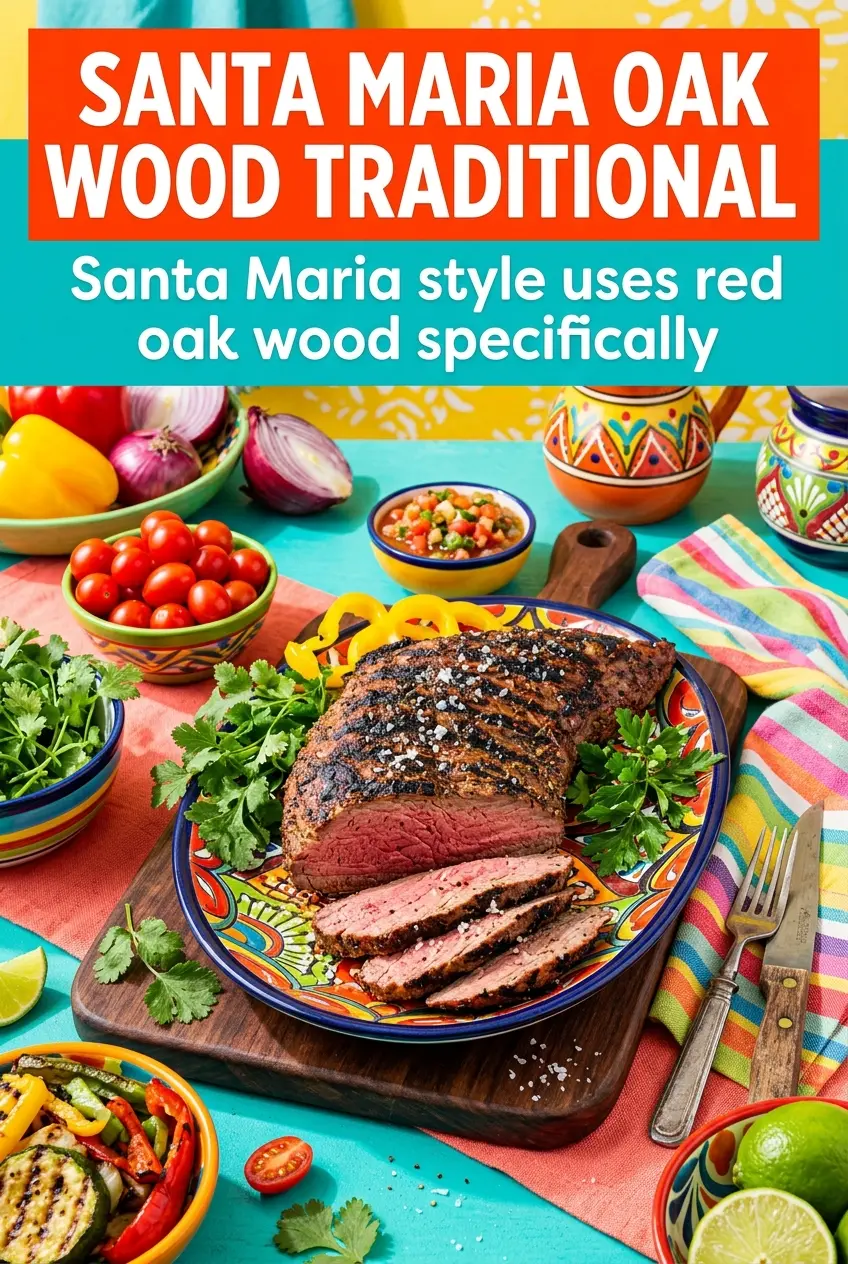
Tri Tip - Grilled or Oven-Roasted
Ingredients
Equipment
Method
- Mix kosher salt, black pepper, garlic powder, paprika, onion powder, and dried oregano in a bowl to form an even spice rub.
- Rub the tri-tip with olive oil, then coat generously on all sides with the spice rub so the seasoning adheres.
- Let the tri-tip sit at room temperature for 30 minutes so the rub hydrates and flavors the surface.
- Sear the tri-tip over high heat for 5 minutes per side to build a crusty exterior.
- Move to indirect heat and cook until the internal temperature reaches 130–135°F for medium-rare, using a meat thermometer for accuracy.
- Sear the tri-tip in a hot skillet until browned on the surface.
- Transfer to a sheet pan and roast at 425°F for 20–25 minutes, until the internal temperature reaches 130–135°F for medium-rare.
- Rest the tri-tip for 15 minutes so juices redistribute before slicing.
- Slice against the grain into thin pieces to keep the meat tender and show the pink center.