Cheese tortellini turns carbonara into a fast, comforting dinner with a little more body and a lot less fuss. The pasta brings its own creamy center, so every bite lands with rich egg-and-parmesan sauce, crisp pancetta, and a hit of black pepper that cuts through the richness. It feels like a dish that took much longer than it did, which is exactly why it earns a place in the weeknight rotation.
The trick is treating the sauce like carbonara, not like a cream sauce. The heat from the tortellini and the pan melts the parmesan and gently thickens the egg mixture, while reserved pasta water loosens everything into a glossy coating. Add the eggs off the heat and toss fast; that keeps the sauce silky instead of scrambling it. A little nutmeg is quiet but important here, giving the sauce a warm edge that plays nicely with the cheese.
Below you’ll find the timing cue that keeps the eggs smooth, plus a few smart swaps if you need to work with bacon instead of pancetta or want to make the dish a little lighter.
The sauce went on silky instead of clumpy, and the tortellini held up beautifully with the pancetta and black pepper. I loved that it thickened as soon as I tossed in the pasta water.
Save this tortellini carbonara for the nights when you want silky egg sauce, crispy pancetta, and dinner on the table in under 30 minutes.
The Egg Sauce Has to Meet Hot Pasta, Not a Hot Pan
Carbonara fails when the eggs hit direct heat. That’s the whole game here. The pan should be off the burner before the tortellini goes in, and the sauce should be tossed by the residual heat of the pasta and the rendered pancetta fat. If you keep the pan on low or medium, the yolks turn grainy fast, and no amount of extra parmesan will smooth that out.
Tortellini makes the timing even tighter because the pasta cooks fast and holds a lot of heat. Drain it, move quickly, and work with the pan you already built the pancetta in. Those browned bits and the fat are the base of the sauce, and the starchy pasta water helps everything emulsify instead of clumping into cheese-coated dumplings.
- Egg yolks plus one whole egg — The extra yolk gives body and richness, while the whole egg keeps the sauce from tasting too heavy. If you use only yolks, the sauce can get dense and pasty.
- Finely grated parmesan — This melts into the sauce instead of sitting there in little strings. Pre-grated cheese usually has anti-caking agents, which makes the sauce less smooth, so grate it fresh if you can.
- Pancetta or thick-cut bacon — Pancetta tastes a little cleaner and more delicate, while bacon adds a smokier edge. Either works, but cut it small so you get crisp pieces in every bite.
- Pasta water — This is what turns the egg-and-cheese mixture into an actual sauce. Save more than you think you need, because a splash at a time is the difference between glossy and clumpy.
What Each Ingredient Is Actually Doing in This Recipe
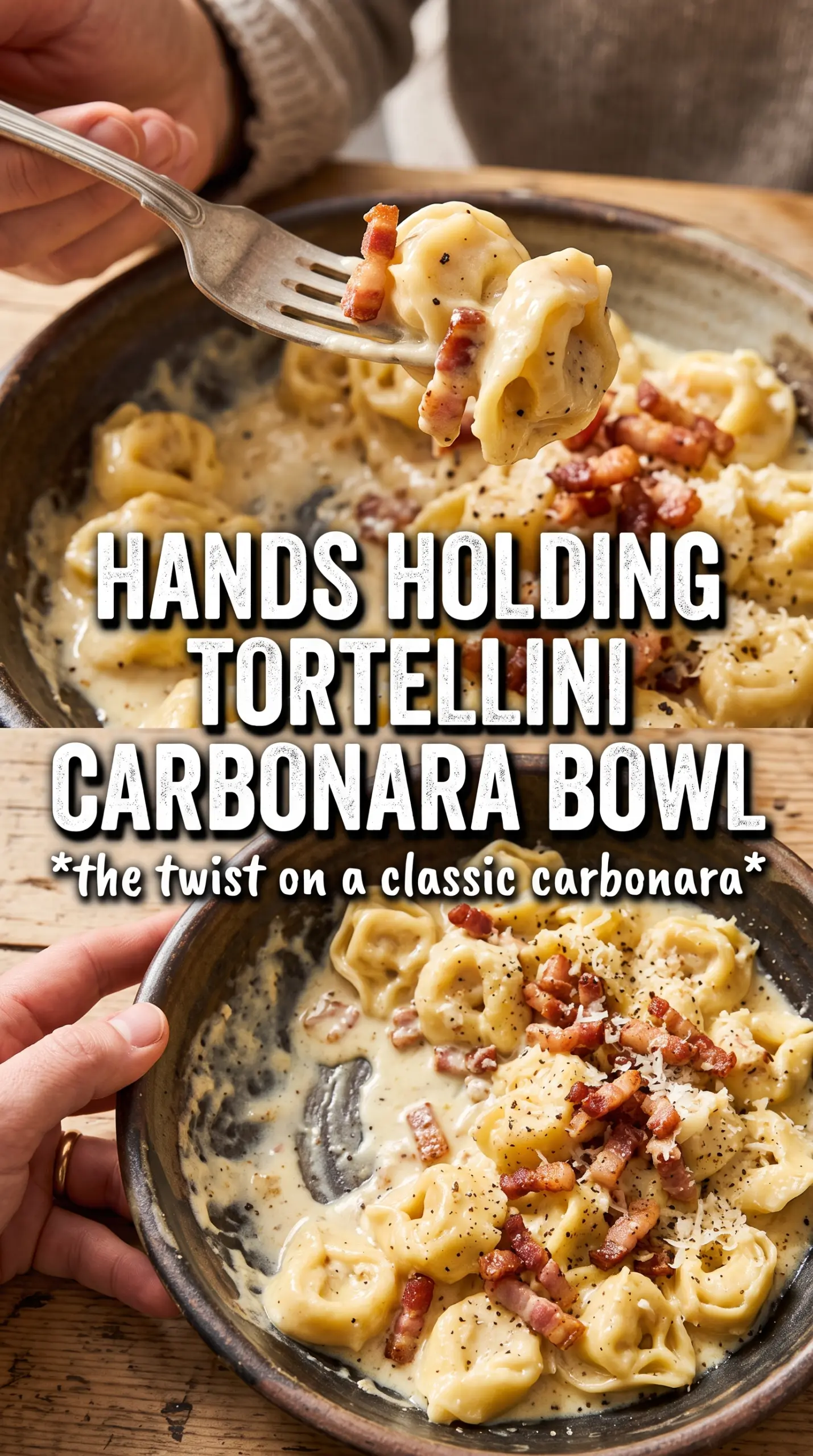
- Primary ingredient (the star) — Quality matters most. Choose the best you can find.
- Cooking medium (oil, butter, or broth) — This carries flavors and prevents dryness.
- Seasonings (salt, pepper, spices, herbs) — Layer flavors so nothing overpowers. Build depth gradually.
- Aromatics (garlic, onion, herbs) — Cook with fat to bloom flavors. Become the foundation.
- Supporting ingredients — Complement the main ingredient without overpowering it.
- Sauce or liquid (if applicable) — Brings flavors together. Balance richness with acid.
- Acid (lemon, vinegar, wine, or other) — Brightens and prevents flat-tasting results.
- Final finish (garnish, glaze, or sauce) — Prevents one-dimensional taste and adds visual appeal.
Getting the Sauce Silky Without Scrambling the Eggs
Render the Pancetta Until the Fat Is Ready
Cook the pancetta slowly until the pieces are crisp and the fat has melted out around them. If the heat is too high, the outside burns before the fat has a chance to render, and you lose both texture and flavor. Add the garlic at the end and keep it moving for about a minute; it should smell fragrant, not browned. Once the garlic is in, pull the pan off the heat.
Build the Egg and Cheese Mixture First
Whisk the yolks, whole egg, parmesan, nutmeg, and plenty of black pepper in a bowl before the tortellini is done. The mixture should look thick and a little shaggy from the cheese, not pourable like cream. That’s what you want. If the parmesan clumps at this stage, it usually means it was packed too tightly or too coarse, so whisk a little longer before you add pasta.
Toss Fast and Let the Heat Do the Work
Add the hot tortellini straight to the pancetta pan, then immediately pour in the egg mixture while tossing. The pasta needs to be steaming hot, but the pan should stay off the burner. Start with a small splash of pasta water and keep tossing until the sauce turns glossy and coats each tortellini. If it looks tight or sticky, add another splash. If it gets too loose, keep tossing for a few seconds and it will tighten back up.
Finish With Salt, Parsley, and More Pepper
Taste before you salt. Pancetta, bacon, and parmesan all bring saltiness, so the finished dish may need only a pinch. Fresh parsley wakes up the richness, and an extra shower of black pepper gives carbonara its sharp edge. Serve it right away; this sauce is at its best the moment it turns silky.
How to Adapt Tortellini Carbonara Without Losing the Texture
Gluten-Free Version
Use a gluten-free refrigerated tortellini that holds its shape well in boiling water. The sauce itself is naturally gluten-free, but the pasta water may behave a little differently, so add it more gradually and watch the texture closely.
Bacon Instead of Pancetta
Bacon gives the dish a smokier, more pronounced flavor. Because bacon usually renders more fat than pancetta, pour off a little if the pan looks greasy before you add the tortellini; too much fat can make the sauce slide instead of cling.
Lighter Carbonara
You can cut the pancetta to 4 ounces and still keep the sauce rich. Don’t reduce the parmesan too much, or the sauce loses body and starts to taste flat. The tortellini already adds plenty of comfort, so the dish still feels complete with a slightly lighter hand on the meat.
Storage and Reheating
- Refrigerator: Store leftovers in an airtight container for up to 3 days. The sauce thickens and the tortellini absorbs some of it, so expect a denser texture the next day.
- Freezer: I don’t recommend freezing this dish. Egg-based sauces and filled pasta both lose their best texture after thawing.
- Reheating: Warm gently in a skillet over low heat with a splash of water until the sauce loosens again. High heat is the mistake here — it turns the eggs grainy and dries out the tortellini.
Answers to the Questions Worth Asking
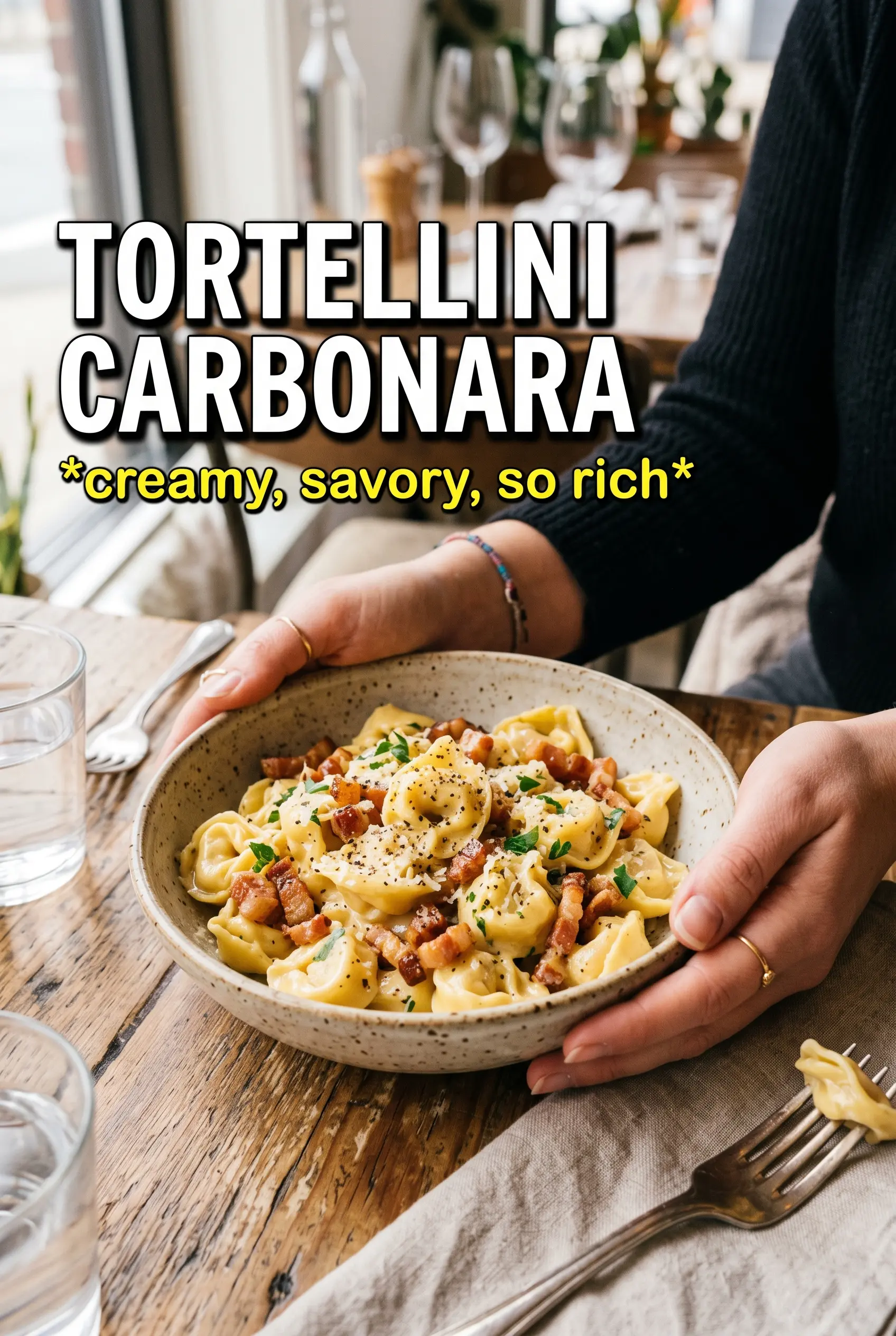
Tortellini Carbonara
Ingredients
Equipment
Method
- Bring a large pot of well-salted water to a boil and cook the refrigerated cheese tortellini until tender, reserving 1 cup pasta cooking water.
- In a cast iron skillet, cook the diced pancetta (or thick-cut bacon) over medium heat until crispy, then add the minced garlic and cook for 1 minute.
- Remove the pancetta pan from the heat to stop the garlic from browning further.
- In a bowl, whisk the egg yolks, whole egg, finely grated parmesan, nutmeg, and lots of freshly cracked black pepper until smooth.
- Add the hot tortellini to the pancetta pan off the heat, then quickly pour in and toss with the egg mixture.
- Toss vigorously for 30 to 60 seconds, adding pasta water a splash at a time until silky and creamy.
- Season with salt to taste, then top with fresh parsley and extra parmesan before serving.