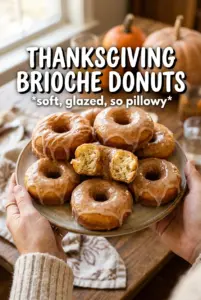
Pillowy Thanksgiving brioche donuts land somewhere between a bakery treat and a holiday project worth repeating. The dough fries up feather-light with a tender, shreddable crumb, then each warm donut gets dipped in one of three glazes that taste like the season without turning cloying. Pumpkin spice brings warmth, maple adds depth, and cranberry cuts through with a sharp little pop that keeps every bite interesting.
What makes these work is the brioche-style dough itself. Eggs and butter give the donuts their soft richness, but the real key is patience: the dough needs enough mixing to turn smooth before the butter goes in, and enough rising time to keep the final texture airy instead of dense. Frying at the right temperature matters just as much. Too cool and the donuts soak up oil; too hot and the outside browns before the center is cooked.
Below, I’m walking through the parts that matter most — how to keep the dough easy to handle, how to tell when the oil is ready, and how to glaze them so the toppings set with that bakery-style finish.
The dough rose beautifully and fried up with that light, pillowy center I always want in brioche donuts. I used the cranberry glaze on half of them and the maple on the rest, and both set just enough to keep from sliding off.
These Thanksgiving brioche donuts fry up light and buttery, then finish with pumpkin spice, maple, and cranberry glazes that actually taste distinct.
Save the pumpkin spice, maple, and cranberry glazes for later
The Dough Has to Be Strong Before the Butter Goes In
Brioche dough fails when the butter goes in too early or the gluten never gets enough time to develop. If you add the butter before the flour has started to organize itself, the dough turns greasy and slack instead of elastic. Mix until the dough looks shaggy but cohesive first, then work in the softened butter a little at a time. That extra kneading after the butter is added is what gives you the stretchy, glossy dough that puffs instead of tears.
The other place people lose the texture is in the rise. You want the dough doubled and supple, not just barely puffed, because under-proofed donuts fry up tight and bready. When you roll it out, it should feel soft under the pin and spring back slowly. If it snaps back hard, let it rest a few minutes before cutting the circles.
What Each Ingredient Is Actually Doing in These Donuts
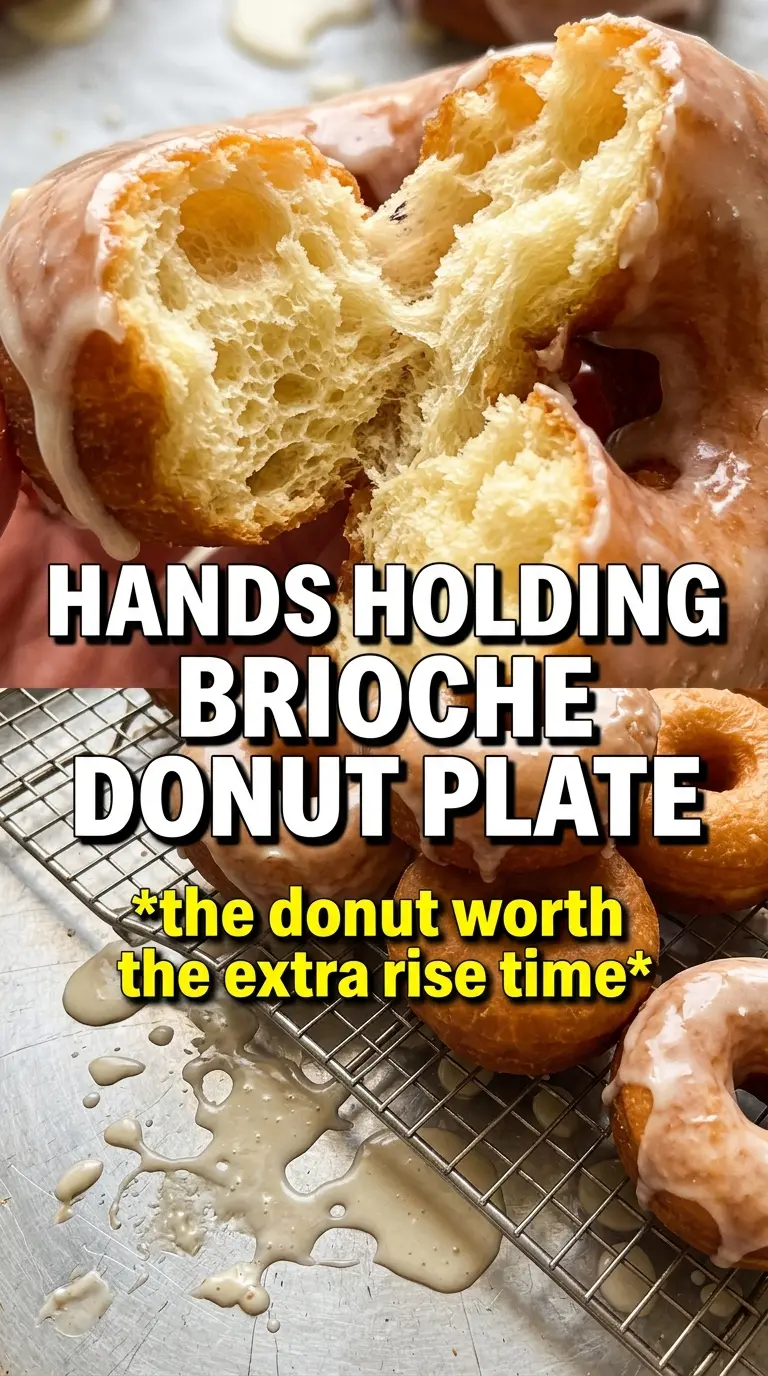
- Warm whole milk — This wakes up the yeast and adds a little richness. It should feel warm, not hot; if it’s too hot, it can kill the yeast before the dough ever gets going.
- Bread flour — The higher protein content gives these donuts the structure they need to hold their shape after frying. All-purpose will work in a pinch, but the donuts won’t have the same chew and lift.
- Eggs and butter — These are what make the dough taste like brioche instead of plain fried dough. Softened butter matters here; cold butter won’t blend smoothly, and melted butter makes the dough greasy.
- Pumpkin pie spice — It threads the dough itself with a subtle holiday note so the glaze isn’t carrying all the flavor. A homemade blend works just as well if that’s what you keep on hand.
- Cranberry sauce — This sounds unusual until you taste it in the glaze. It adds tartness and color, and a smooth sauce works better than chunky leftover cranberry relish.
- Vegetable oil — Use a neutral oil with a clean fry. Anything strongly flavored will show up in the finished donuts, and you don’t want that here.
Frying Them at the Right Temperature Is Everything
Mixing to the Right Dough Texture
Start by dissolving the yeast in warm milk with the sugar, then add the eggs and dry ingredients. Once the flour has come together, knead until the dough looks smoother and starts pulling away from the bowl. After that, add the softened butter gradually and keep kneading until the dough turns glossy and slightly tacky. If it still looks greasy or smeared after the butter goes in, it needs more mixing, not more flour.
Rolling and Cutting Without Deflating the Rise
Let the dough rise until doubled, then roll it to about 1/2-inch thick. Cut clean 3-inch circles with a sharp cutter so the edges seal neatly; twisting the cutter can pinch the layers and slow the rise. After cutting, give the donuts another 30 to 45 minutes until they look puffy and relaxed. They should hold a soft indent when touched lightly, not bounce back instantly.
Frying for a Pale Gold Center
Heat the oil to 350°F and keep an eye on that temperature between batches. If the oil drops too low, the donuts absorb grease; if it runs hot, the outside colors before the middle finishes cooking. Fry each donut for about 90 seconds per side, until deeply golden and airy-looking. Drain them on a rack or paper towels right away so the bottoms don’t steam and soften.
Glazing While They’re Still Warm
Dip the donuts while they’re still warm, not hot enough to melt the glaze off the surface. The warmth helps the glaze set into a thin shell instead of sliding around in a thick layer. Keep the glazes smooth and dip each donut once, then decorate quickly with sprinkles or edible leaves before the coating firms up. If the glaze gets too thick, add a few drops of milk and stir until it ribbons off the spoon.
How to Adapt These for Different Tables and Tastes
Make Them Gluten-Free With a Blend Built for Yeasted Dough
Use a good gluten-free bread flour blend that includes xanthan gum. The texture will be a little more delicate and less stretchy, but the donuts can still fry up with a soft crumb if you don’t over-roll the dough.
Swap the Dairy for a Lighter Finish
Use unsweetened almond milk or oat milk in place of the whole milk, and swap the butter for a vegan butter that stays solid when softened. The dough will lose a little richness, but the glazes still carry the seasonal flavor just fine.
Use Only One or Two Glazes for a Simpler Batch
You don’t need all three finishes to make the recipe work. Pumpkin spice glaze gives the most classic holiday feel, while maple glaze is the sweetest and easiest to batch quickly; cranberry is the brightest and most eye-catching if you want contrast on a platter.
Storage and Reheating
- Refrigerator: Store glazed donuts in an airtight container for up to 2 days. The glaze will soften a bit, and the donuts are best the same day.
- Freezer: Freeze unglazed donuts for up to 1 month. Wrap them well and thaw at room temperature before glazing, since freezing already glazed donuts makes the coating sticky and dull.
- Reheating: Warm plain donuts for a few seconds in the microwave or a few minutes in a low oven. Don’t reheat glazed donuts too long or the sugar coating will melt and slide off.
Answers to the Questions Worth Asking
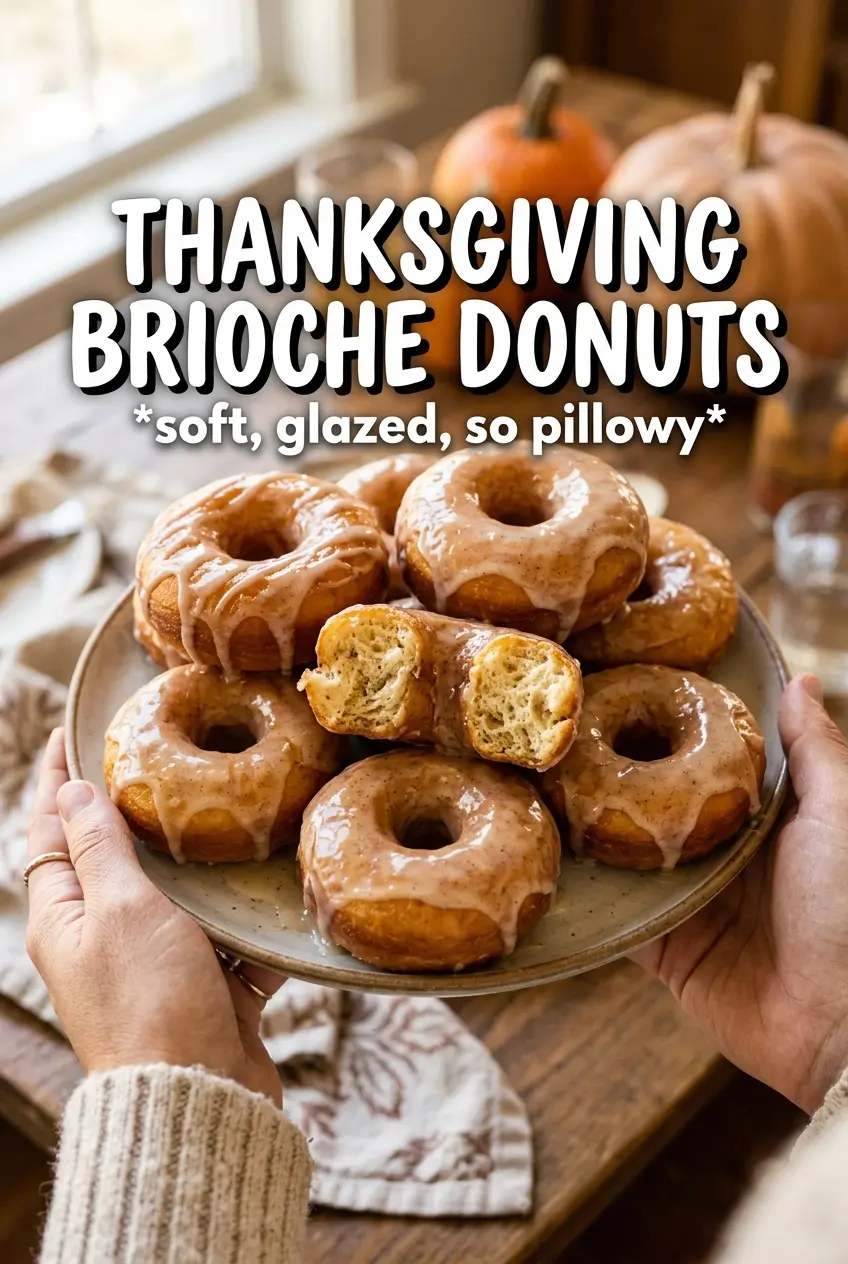
Thanksgiving Brioche Donuts
Ingredients
Equipment
Method
- Heat the whole milk to warm and add it to a mixing bowl. Stir in the sugar and yeast, then add the eggs and mix until combined.
- Add the bread flour, salt, and pumpkin pie spice to the bowl. Knead for 6 minutes until a cohesive dough forms.
- Gradually incorporate the softened unsalted butter into the dough while kneading. Knead for 8 more minutes until the dough is smooth and slightly tacky.
- Cover the dough and let it rise for 1 hour at room temperature until visibly puffy. Aim for a dough that springs back slowly when gently pressed.
- Roll the dough to 1/2-inch thickness and cut 3-inch circles. Arrange the rounds on a floured surface or tray so they don’t stick.
- Cover and let the cut donuts rise for 30 to 45 minutes until they look puffed. They should feel lighter and softer to the touch.
- Heat vegetable oil in a Dutch oven to 350F. Fry the donuts for 90 seconds per side until deep golden.
- Drain the fried donuts briefly on a rack or paper towels. Dip them in glazes of choice while warm and coat evenly.
- Decorate immediately with fall sprinkles and edible decorations while the glaze is still tacky. Let them set until the glaze looks matte and the topping adheres.