Smoked mac and cheese earns its place on the table when the pasta turns silky, the sauce stays plush, and the top picks up a real wood-fired crust. The best versions don’t taste like stovetop mac with a little smoke waved over it. They taste layered, with sharp cheddar for backbone, smoked Gouda for depth, and just enough time in the smoker to let everything settle into one cohesive dish.
The key is keeping the cheese sauce smooth before it ever hits the smoker. A flour-thickened base gives the dairy something to cling to, and adding the cheese off the heat keeps the sauce from turning grainy or greasy. The panko topping matters too. It gives the smoked mac and cheese that crisp, bronzed lid that breaks open under a spoon without going soggy on the way to the table.
Below, I’m walking through the part that matters most: how to keep the sauce creamy after smoking, which cheese swap works if you need one, and what to watch for so the top browns without drying out the pasta underneath.
The sauce stayed creamy all the way through the smoke time, and that panko top turned out crisp instead of greasy. I served it with ribs and there wasn’t a spoonful left.
Save this smoked mac and cheese for the next BBQ spread when you want a creamy center, crisp panko crust, and real smoke flavor in every bite.
The Cheese Sauce Has to Stay Stable Before It Ever Hits the Smoker
Mac and cheese fails in the smoker for one of two reasons: the sauce breaks, or the pasta drinks it all up and turns dry. This version avoids both by building a real roux first, then whisking in the milk and cream until the sauce is thick enough to coat a spoon before the cheese goes in. That base matters more than the smoke. The smoker should add flavor and finish, not rescue a thin sauce.
Keep the heat low when the cheese goes in. Sharp cheddar and smoked Gouda melt nicely, but if the pan is too hot, the proteins tighten and the sauce can turn grainy. Pull the pan off the burner for a minute before stirring in the cheese if you see steam rising aggressively. That small pause keeps the texture smooth and glossy instead of oily.
What the Cheddar, Gouda, and Panko Each Bring to the Pan
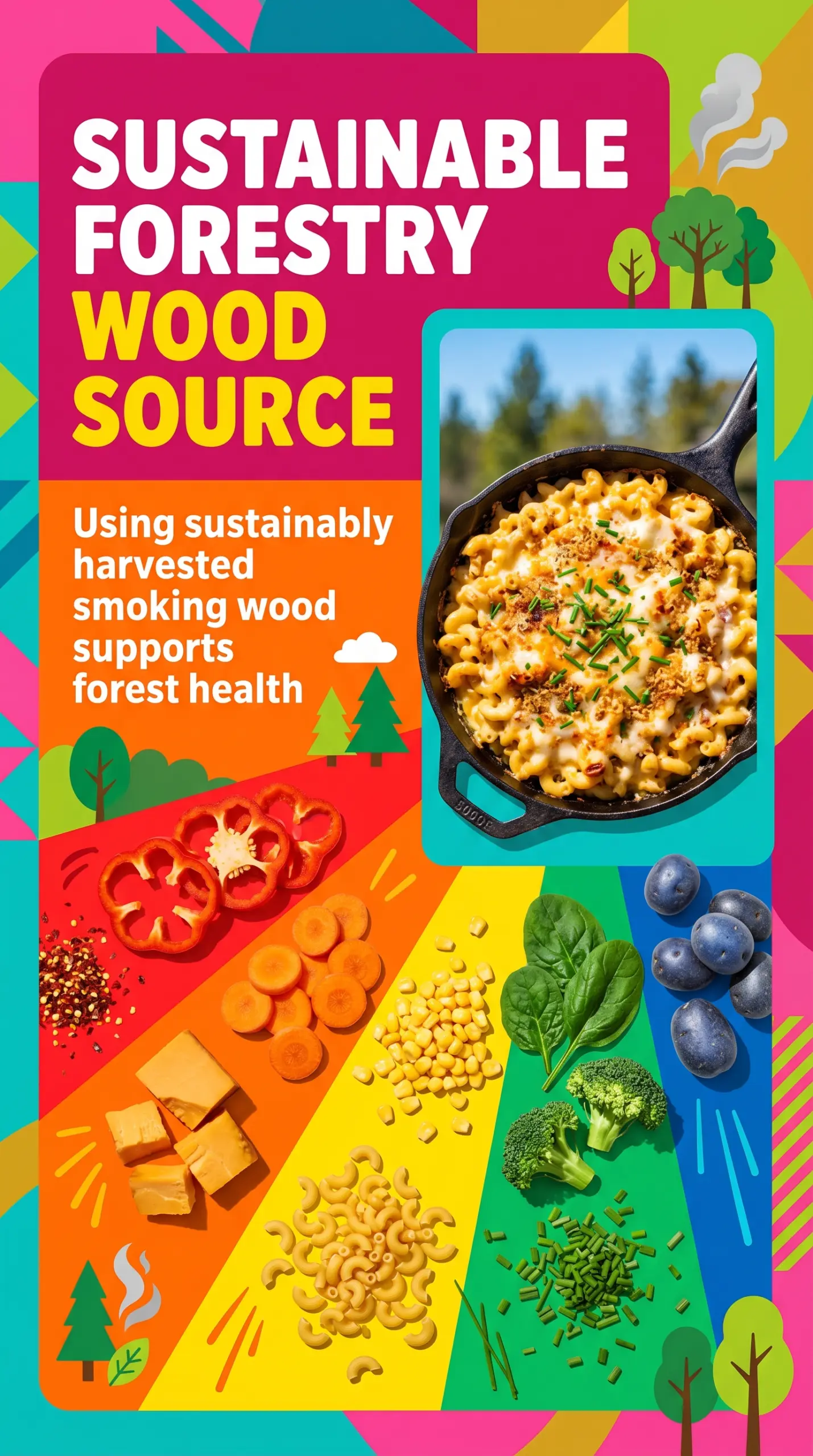
- Sharp cheddar — This is the backbone. It gives you the tang and structure you expect from mac and cheese, and it melts smoothly when shredded fresh. Pre-shredded cheddar works in a pinch, but the anti-caking coating can make the sauce less silky.
- Smoked Gouda — This is where the smoke flavor gets reinforced without tasting one-note. It melts beautifully and gives the sauce a rounder, almost buttery finish. If you can’t find it, fontina is the closest swap for meltability, but you’ll lose some depth.
- Heavy cream plus milk — The mix gives the sauce body without making it heavy enough to turn pasty after smoking. All milk works, but the finished dish won’t feel as lush. All cream makes it richer, but it can tip the sauce into feeling too thick after the pasta bakes in the smoke.
- Panko breadcrumbs — Regular breadcrumbs go denser; panko stays light and crisp. Tossing it with melted butter before topping the pan helps it brown evenly and keeps dry crumbs from floating on top.
The Smoke Time That Sets the Texture Without Drying It Out
Building the Pasta Base
Cook the macaroni until just shy of fully tender, then drain it well. The pasta keeps cooking in the smoker, and if it starts out soft, it turns mushy fast. Stir it into the cheese sauce while both are still warm so every piece gets coated evenly. If the pasta looks stiff at this stage, the sauce is too thick and needs a splash of milk before it goes into the pan.
Layering in the Pan
Use an aluminum pan or another smoker-safe vessel with enough surface area for the topping to brown. Spread the mac and cheese into an even layer, then scatter the buttered panko across the top. An uneven layer leaves some spots dry and others soupy, so press the mixture down lightly with a spoon rather than packing it. You want the top exposed to smoke, not buried under a mound.
Smoking Until the Top Sets
Run the smoker at 225°F and let the pan go for 60 to 90 minutes. You’re looking for bubbling around the edges and a top that turns deep golden in spots. If the top browns before the center is hot, tent it loosely with foil for the last stretch. The finish is right when the sauce is thickened but still creamy underneath the crust.
Letting It Rest Before Serving
Give the pan about 10 minutes off the heat before serving. That pause lets the sauce settle back into the pasta instead of running across the pan when you scoop it. If you cut in too early, it will look looser than it really is. Resting is what gives you that creamy, spoonable texture on the plate.
How to Adapt This for Different Crowds and Diets
Gluten-Free Smoked Mac
Use gluten-free pasta and swap the flour for a gluten-free all-purpose blend or a cornstarch slurry. The texture stays close to the original, but gluten-free pasta softens faster, so keep a close eye on the smoke time and pull it once the center is hot and the top is set.
Lighter Dairy Swap
You can replace the heavy cream with more milk, but the sauce will be thinner and a little less rich. If you go this route, hold back a splash of milk until the cheese melts so you can judge the thickness before it goes into the pan.
Extra Smoky BBQ Version
Add a small pinch of smoked paprika or a handful of diced cooked bacon to lean harder into BBQ side dish territory. Bacon adds salt and crunch, so dial back the seasoning slightly if you use it. The result tastes less like classic mac and more like the dish that disappears first at a cookout.
Storage and Reheating
- Refrigerator: Store covered for up to 4 days. The sauce will firm up as it chills, but it stays creamy once reheated.
- Freezer: It freezes, though the texture softens a bit after thawing. Cool completely, wrap tightly, and freeze for up to 2 months for the best chance of keeping the sauce smooth.
- Reheating: Reheat covered in a 325°F oven with a splash of milk stirred in first. The common mistake is blasting it uncovered, which dries out the pasta before the center is hot.
Answers to the Questions Worth Asking
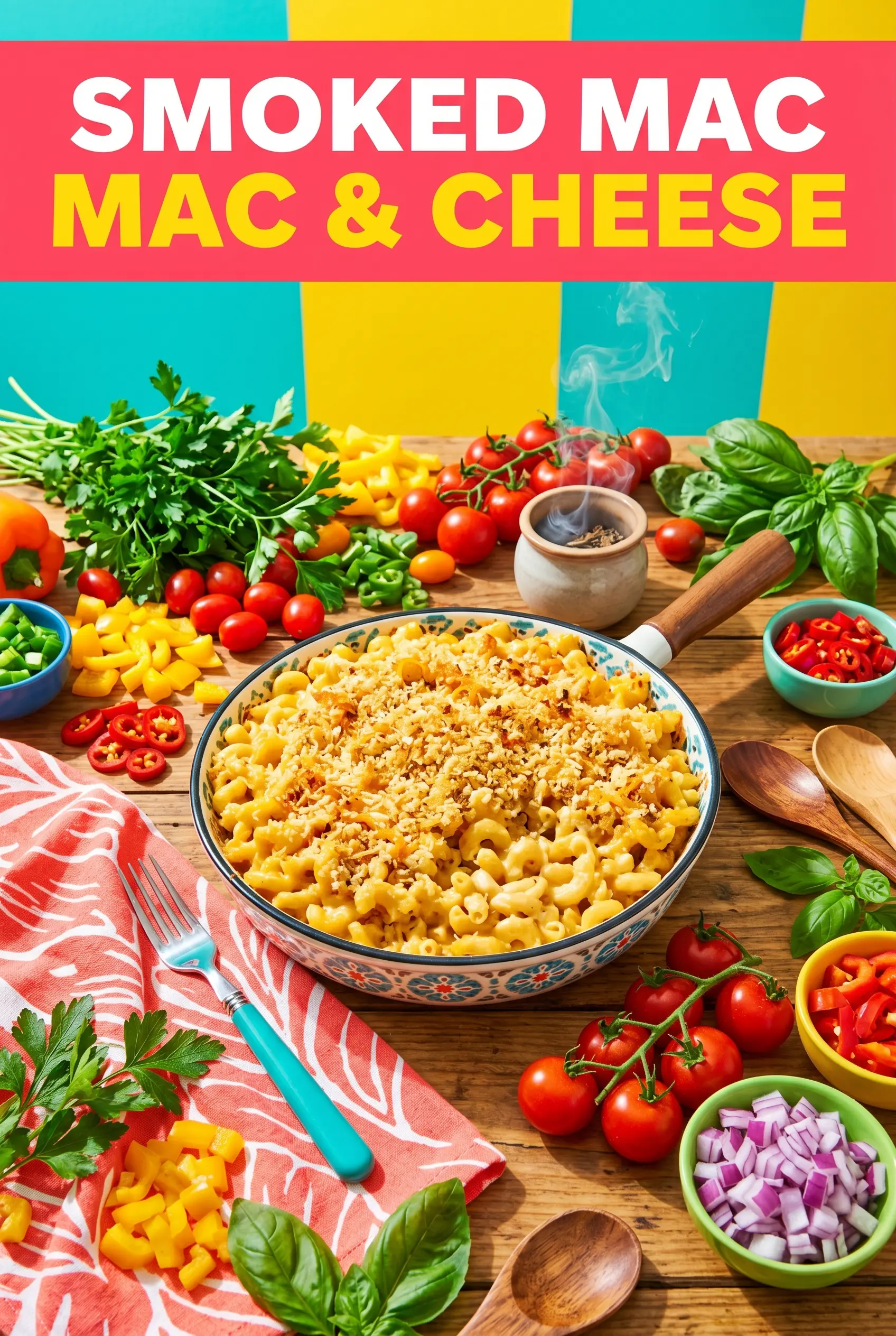
Smoked Mac And Cheese
Ingredients
Equipment
Method
- Prepare the smoker to 225°F and stabilize the temperature before loading. Visual cue: steady smoke should be visible while the chamber holds 225°F.
- Melt butter and add flour, whisking until smooth. Visual cue: the mixture turns glossy and thickens slightly.
- Whisk in the milk and heavy cream and cook until the sauce becomes smooth and thick. Visual cue: it should coat the back of a spoon without looking watery.
- Add sharp cheddar and smoked Gouda, then whisk until fully melted. Season with garlic powder and salt and pepper, stirring to combine.
- Mix the cooked elbow macaroni with the cheese sauce in an aluminum pan. Visual cue: pasta should be evenly coated and glossy.
- Top with panko breadcrumbs mixed with melted butter. Visual cue: the surface should look evenly covered and crumbly.
- Smoke for 60-90 minutes at 225°F until bubbly and golden. Visual cue: you should see active bubbling around the edges and a browned top crust.
- Let the smoked mac and cheese rest 10 minutes before serving. Visual cue: bubbles calm down and the sauce thickens slightly for cleaner slices.