Honey pepper chicken pasta lands in that sweet spot between comfort food and takeout-style dinner: glossy, savory-sweet sauce, tender chicken, and pasta coated in a peppery sheen that clings to every ridge. The whole dish tastes like it took a lot more effort than it did, which is usually how you know it belongs in the regular rotation.
The sauce works because it starts with a simple balance of honey, broth, soy sauce, and a full teaspoon of black pepper, then gets tightened with a quick cornstarch slurry instead of reducing forever. That keeps the honey from turning sticky-sweet and gives the pasta a sauce that actually coats instead of pooling at the bottom of the bowl.
Below, I’ve included the small details that matter most: how to keep the chicken juicy, when to loosen the sauce with pasta water, and what to change if you want a little more heat or need a gluten-free version.
The sauce thickened up perfectly and coated the penne without getting gummy. I used the full amount of black pepper and it gave the honey just enough bite. My husband went back for seconds before I even sat down.
Love the glossy honey pepper sauce and tender chicken? Save this pasta for the nights when you want a fast dinner that tastes bold and finished.
The Sauce Has to Coat, Not Just Taste Sweet
The biggest mistake with honey-based pasta sauces is letting them stay thin while the honey keeps getting sweeter on the tongue. This recipe avoids that by using cornstarch at the right moment, after the broth, honey, soy sauce, and pepper have come together. Once the slurry goes in, the sauce should shift from watery to lightly glossy in a couple of minutes.
Another thing that matters here is the pepper. It’s not background seasoning. The pepper is part of the structure of the dish, and it keeps the honey from reading like candy. If you only add a pinch, the sauce turns flat. If you add it generously, the whole bowl tastes cleaner and more balanced.
What the Ingredients Are Really Doing Here
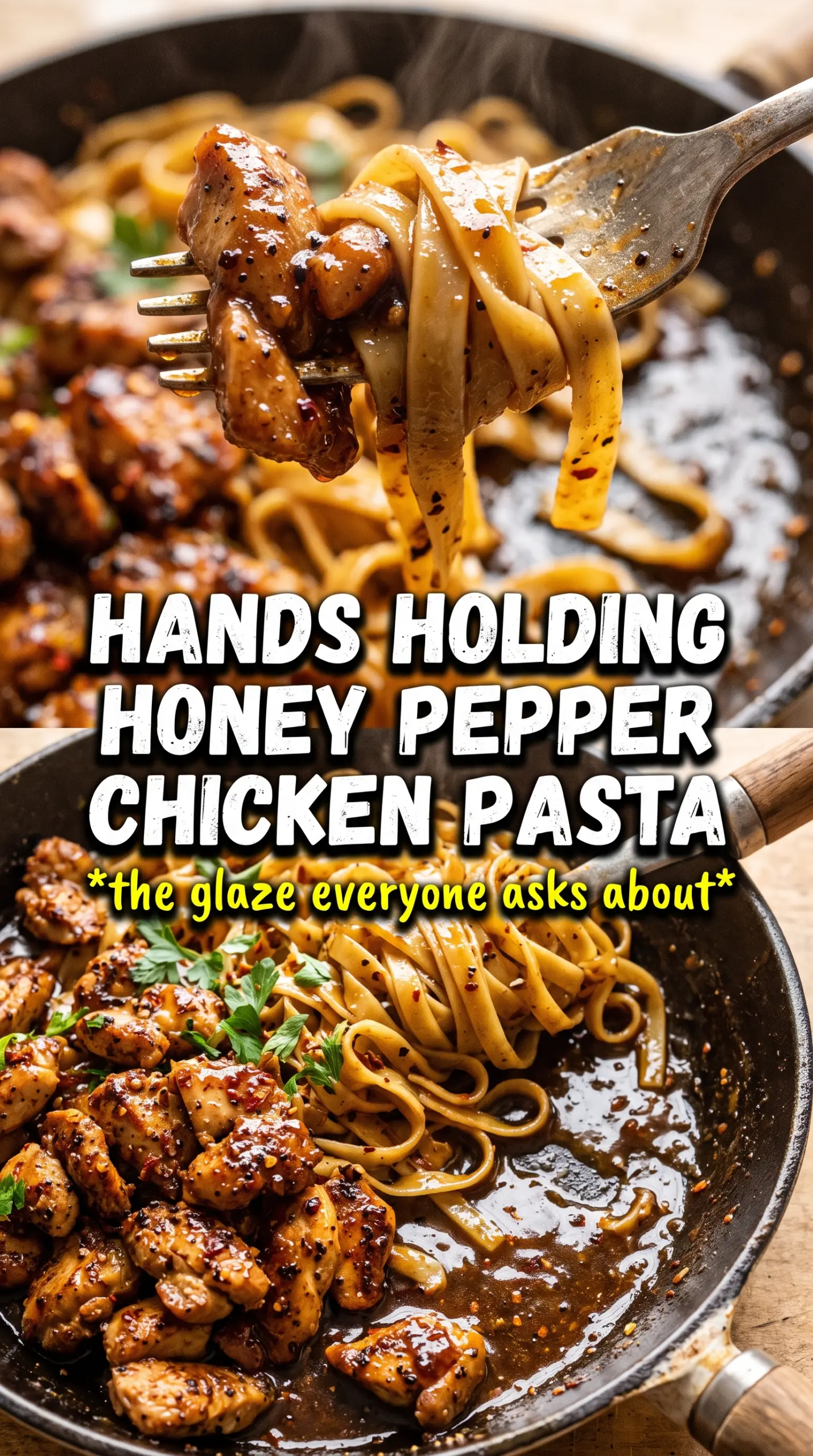
- Chicken breast — Thin slicing matters more than the cut itself. It gives you fast browning and keeps the chicken from drying out before the sauce is ready. If you only have thicker pieces, butterfly them first so they cook evenly.
- Honey — This is what gives the sauce its shine and roundness. Any mild honey works, but darker, strongly flavored honey can overpower the black pepper. The trick is to keep the sauce savory enough that the honey reads as glaze, not dessert.
- Soy sauce — It adds salt and depth that plain salt can’t mimic. Low-sodium works well if that’s what you keep on hand; just season the chicken and final dish more carefully. Don’t skip it unless you replace that salty backbone another way.
- Black pepper and red pepper flakes — The black pepper is the signature. Use freshly cracked if you can, because preground pepper turns dull fast. The red pepper flakes don’t make the dish hot-hot; they just keep the sweetness from taking over.
- Cornstarch slurry — This is what gives you that clingy sauce without reducing the pan into a sticky mess. Whisk it in fully before it hits the skillet, or you’ll get little translucent lumps instead of a smooth finish.
- Parmesan — Use finely grated parmesan so it melts into the sauce instead of clumping. It adds a salty finish and helps the sauce settle around the pasta. Pre-grated is fine if that’s what you have, but the texture is usually better with freshly grated cheese.
Building the Chicken and Sauce in the Same Pan
Getting the Chicken Browned Fast
Season the sliced chicken with salt and black pepper, then sear it in butter over medium-high heat until the edges turn deep golden and the center is just cooked through. Thin pieces should only need about 4 to 5 minutes per side, depending on how crowded the pan is. If the chicken steams instead of browning, the pan is too full or the heat is too low. Pull it out as soon as it’s done; it goes back into the sauce later, so it doesn’t need to sit in the skillet and dry out.
Turning the Pan Drippings Into Sauce
Once the garlic goes in, cook it for about a minute until fragrant but not browned. Then add the broth, honey, soy sauce, black pepper, and red pepper flakes, scraping up the browned bits from the pan as you stir. Those bits carry a lot of the chicken flavor, and leaving them behind makes the sauce taste thin. Let the sauce come up to a gentle simmer before adding the slurry so it thickens evenly instead of turning cloudy.
Finishing the Pasta So It Stays Glossy
Toss the cooked pasta into the sauce while it’s still hot, then add a splash of reserved pasta water only if the sauce needs loosening. The starch in the pasta water helps the sauce cling, while plain water can make it feel diluted. Return the chicken to the pan, fold in the parmesan, and stop cooking once everything looks coated and glossy. If the sauce gets too tight, a spoonful of pasta water brings it back without washing out the flavor.
How to Adjust Honey Pepper Chicken Pasta for Your Kitchen
Gluten-Free Version
Use your favorite gluten-free penne or rigatoni and swap the soy sauce for tamari or coconut aminos. The sauce still thickens the same way with cornstarch, but gluten-free pasta tends to soak up sauce quickly, so keep a little extra pasta water nearby for loosening at the end.
Make It Spicier
Add another half teaspoon of red pepper flakes or finish each bowl with extra cracked black pepper. That keeps the heat layered instead of blunt. I wouldn’t add hot sauce to the pan unless you’re changing the whole balance, because too much acid can push the honey flavor off track.
Swap the Chicken
Boneless chicken thighs work well if you want a richer, juicier bite. They’ll take a little longer to cook and they don’t need quite as much babysitting to stay tender. Shrimp also works, but add it near the end so it doesn’t overcook while the sauce thickens.
Storage and Reheating
- Refrigerator: Store leftovers in an airtight container for up to 4 days. The sauce thickens as it chills, so expect the pasta to absorb some of the glaze.
- Freezer: It freezes better than a cream sauce, though the pasta softens a little after thawing. Freeze in portions for up to 2 months and thaw overnight in the fridge before reheating.
- Reheating: Warm gently on the stove or in the microwave with a splash of water or broth. The common mistake is blasting it on high heat, which tightens the sauce and dries the chicken before the center is hot.
Questions I Get Asked About This Recipe
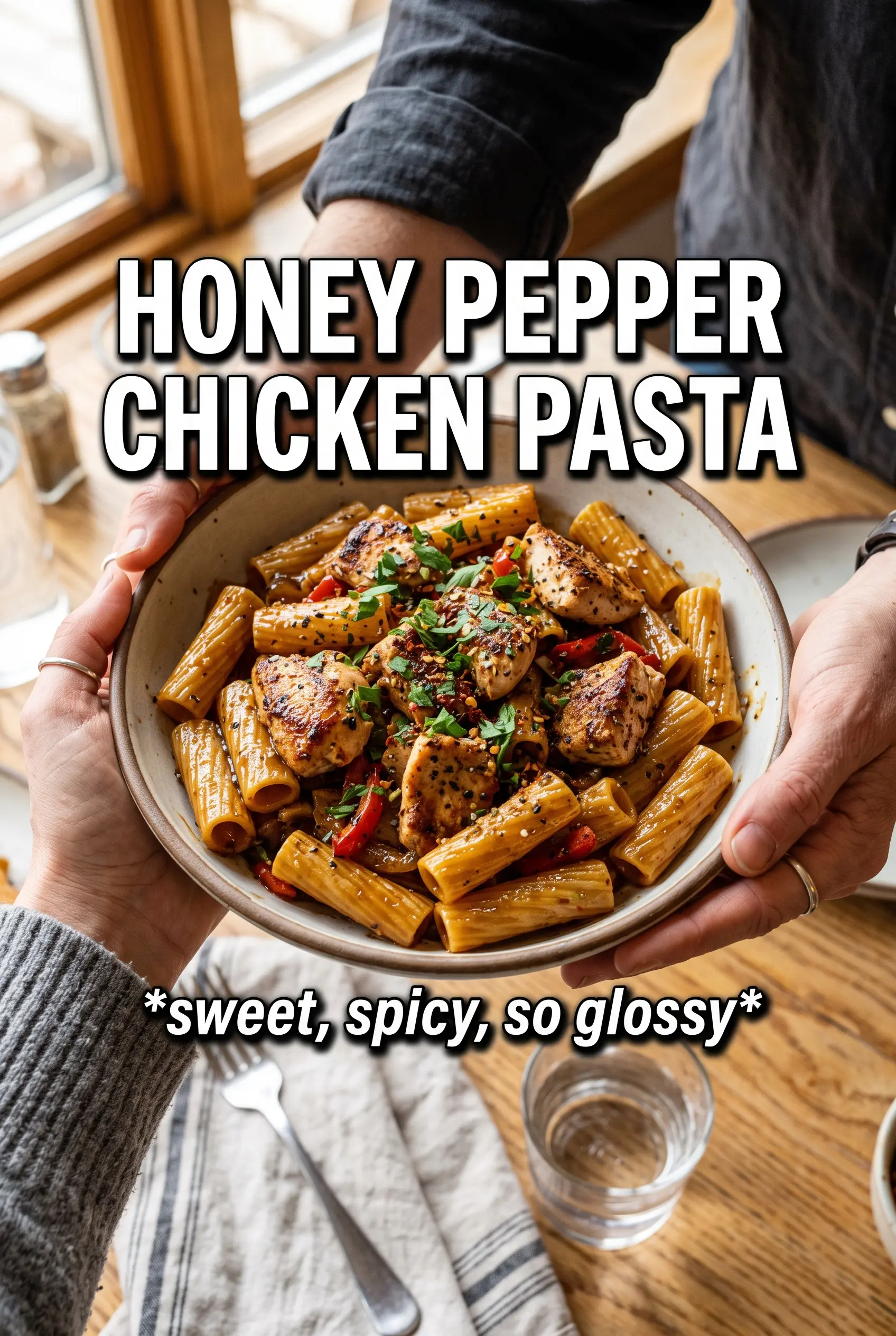
Honey Pepper Chicken Pasta
Ingredients
Equipment
Method
- Bring a pot of salted water to a boil and cook penne or rigatoni until al dente, then reserve 1/2 cup pasta water and drain the rest.
- Season the sliced chicken with salt and black pepper, then sear in butter over medium-high heat for 4-5 minutes per side until golden.
- Remove the chicken to a plate, let it rest briefly, then slice as needed for even tossing.
- In the same skillet, sauté the minced garlic for 1 minute until fragrant.
- Add chicken broth, honey, soy sauce, black pepper, and red pepper flakes, then bring to a simmer.
- Whisk cornstarch slurry into the sauce, then simmer until thickened and glossy.
- Add the cooked pasta and toss with pasta water as needed to coat, stirring until the sauce clings to the noodles.
- Return the chicken to the skillet and toss until warmed through, then turn off the heat and stir in parmesan.
- Serve immediately with fresh parsley on top and extra cracked black pepper if desired.