Blackstone smashed potatoes hit that sweet spot between a baked potato and a fry: creamy in the middle, crisp at the edges, and loaded with enough golden crunch to keep people reaching back to the platter. The griddle gives you direct heat and wide open space, which means every potato round gets a proper crust instead of steaming itself soft in a crowded pan.
The trick is in the two textures you build one after the other. Boil the potatoes just until tender, then let them dry off a bit before they ever touch the griddle. That short pause matters. If they go onto the Blackstone wet, they won’t brown as well, and if you smash them too early while they’re falling apart, you lose those intact edges that turn shatter-crisp.
Below, I’ve included the little details that make these turn out consistently: how hard to smash, when to add the garlic so it doesn’t burn, and the best way to pile on the toppings without softening the crust you worked for.
The edges got this deep golden crunch on the griddle, but the centers stayed fluffy. I used the sour cream and chives on half and the bacon-cheddar on the rest, and both trays disappeared fast.
Save these Blackstone smashed potatoes for the nights when you want crispy edges, fluffy centers, and a griddle-built side that disappears fast.
The Part That Makes the Edges Crisp Instead of Steamy
The biggest mistake with smashed potatoes is crowding them too early or smashing them while they’re still wet. Both problems keep the surface from drying out, and a wet surface is the enemy of crisping. The boil gets them tender, but the real texture happens on the griddle, where steam needs room to escape and the cut edges need direct contact with hot fat.
The other detail that matters is pressure. You want the potatoes flattened enough to crack open and expose more surface area, but not so hard that they turn into loose bits. A heavy spatula or masher works because it gives you a clean, even smash. Once those edges start turning deep gold, leave them alone long enough to finish. Constant flipping steals the crust before it sets.
What the Butter, Oil, and Garlic Are Each Doing Here
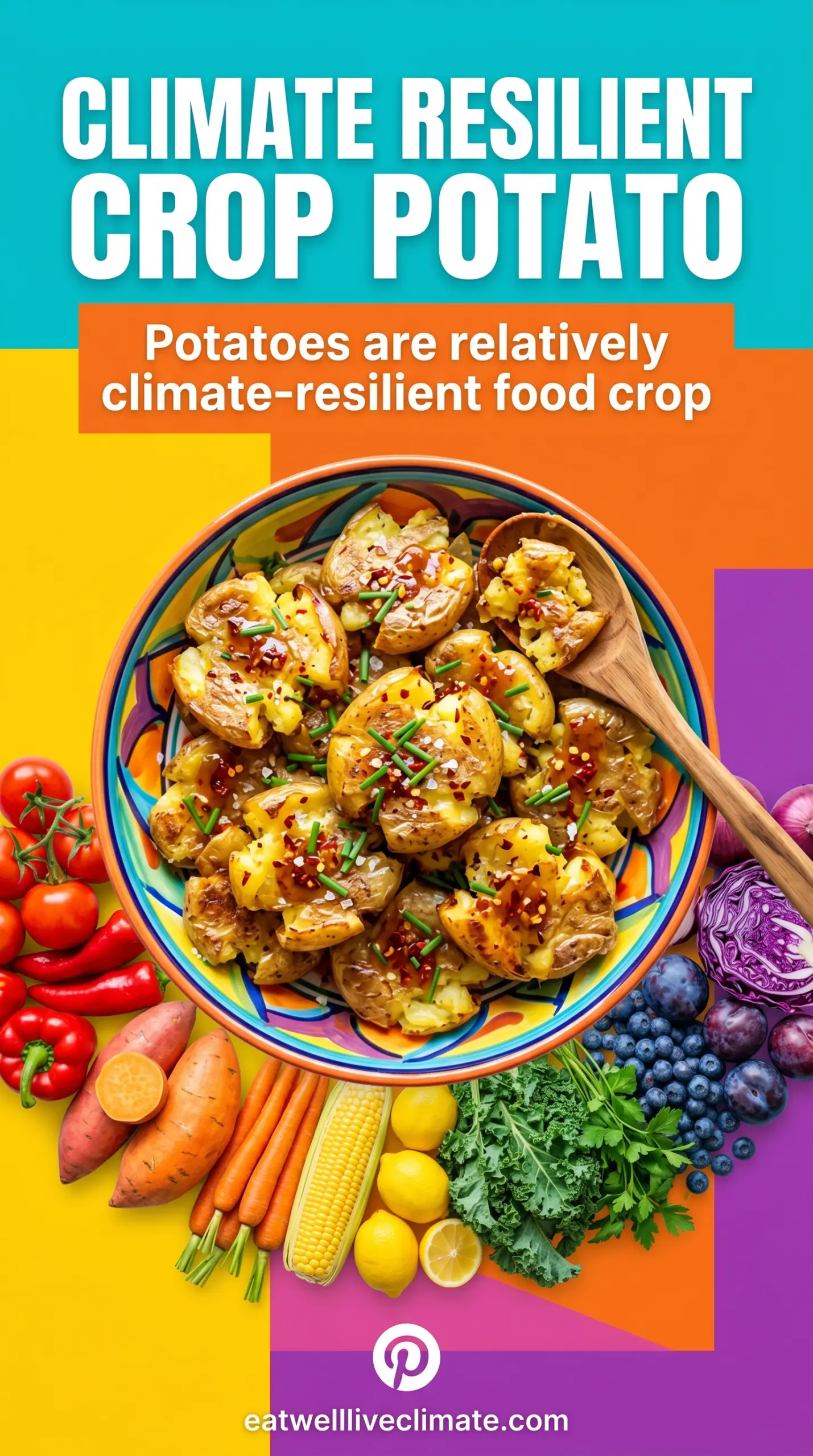
- Baby potatoes — These hold their shape after boiling and give you that creamy center you can’t get from bigger potatoes cut into chunks. Yukon golds work best if you want extra buttery flavor, while baby reds give you a slightly firmer bite. Skip russets here; they’re too fragile after boiling and tend to fall apart when smashed.
- Olive oil plus butter — Oil handles the higher heat, and butter brings the rich browning you want on the griddle. Using both gives you a better crust than either one alone. If you use only butter, it can scorch before the potatoes are fully crisp; if you use only oil, the flavor lands flatter.
- Garlic — Add it around the potatoes, not directly under them, so it perfumes the fat without burning on contact with the hottest part of the griddle. Minced garlic goes from fragrant to bitter fast on a Blackstone, especially once the edges of the potatoes start browning. If you want a milder garlic note, use thin sliced garlic instead of minced.
- Sour cream, cheddar, chives, and bacon bits — These belong on top after the crisping is done. Add them too early and the steam softens the crust. If you want a sharper finish, use extra sharp cheddar; if you want a cleaner, fresher topping, lean on chives and sour cream and skip the bacon.
Getting the Smash, Sear, and Finish in the Right Order
Boiling Until Just Tender
Cook the baby potatoes until a fork slips in with only slight resistance, usually 15 to 20 minutes depending on size. Drain them well and let them sit a few minutes so the surface stops steaming. If they’re overboiled, they’ll split when smashed; if they’re underboiled, the centers stay waxy instead of fluffy.
Building the Griddle Base
Heat the Blackstone to medium-high, then spread the oil and butter where the potatoes will go. You want the fat shimmering, not smoking hard. That’s hot enough to start browning right away without burning the garlic before the potatoes have time to crisp.
Smashing for Maximum Surface Area
Place the potatoes on the hot griddle and press them down firmly with a heavy spatula or potato masher. The goal is a thick round with cracked edges and lots of exposed surface. If they collapse completely, you’ve gone too far; if they barely flatten, you won’t get enough crisping.
Adding the Garlic Without Burning It
Scatter the minced garlic around the potatoes once they’re smashed and cooking. It should sizzle and perfume the fat, not sit directly under a potato where it can scorch unnoticed. Stir it once or twice as needed so the edges turn fragrant and lightly golden instead of dark brown.
Flipping and Finishing the Crust
Cook the first side until it’s deep golden and releases cleanly, about 6 to 7 minutes, then flip and cook the second side for another 5 to 6 minutes. If the potatoes stick, give them another minute; they’ll usually release once the crust is ready. Season with salt and pepper right at the end so the exterior stays crisp, then pile on the toppings while they’re still hot.
Three Ways to Make These Griddle Potatoes Fit the Table
Dairy-Free Griddle Potatoes
Use all olive oil instead of butter and finish with dairy-free toppings or a simple sprinkle of flaky salt and herbs. You’ll lose a little of the buttery browning, but the potatoes still get crisp edges and a clean, savory finish.
Loaded Baked Potato Style
Keep the sour cream, cheddar, chives, and bacon bits, and add them in layers so every potato gets a little of everything. This turns the dish from a simple side into something closer to a crowd-pleasing appetizer.
Spicy Garlic Version
Add a pinch of crushed red pepper with the garlic or finish with a dusting of smoked paprika. The heat plays well with the crispy edges, but keep it light so you don’t cover up the potato flavor.
Storage and Reheating
- Refrigerator: Store leftovers in an airtight container for up to 4 days. The crust softens a bit, but the potatoes still reheat well.
- Freezer: Freezing isn’t ideal here. The texture of the smashed potatoes turns mealy after thawing, and the crispy edges never come back the same.
- Reheating: Reheat on a hot skillet, griddle, or in a 400°F oven until the edges crisp again. The biggest mistake is microwaving them, which steams away the crust you worked to build.
Answers to the Questions Worth Asking
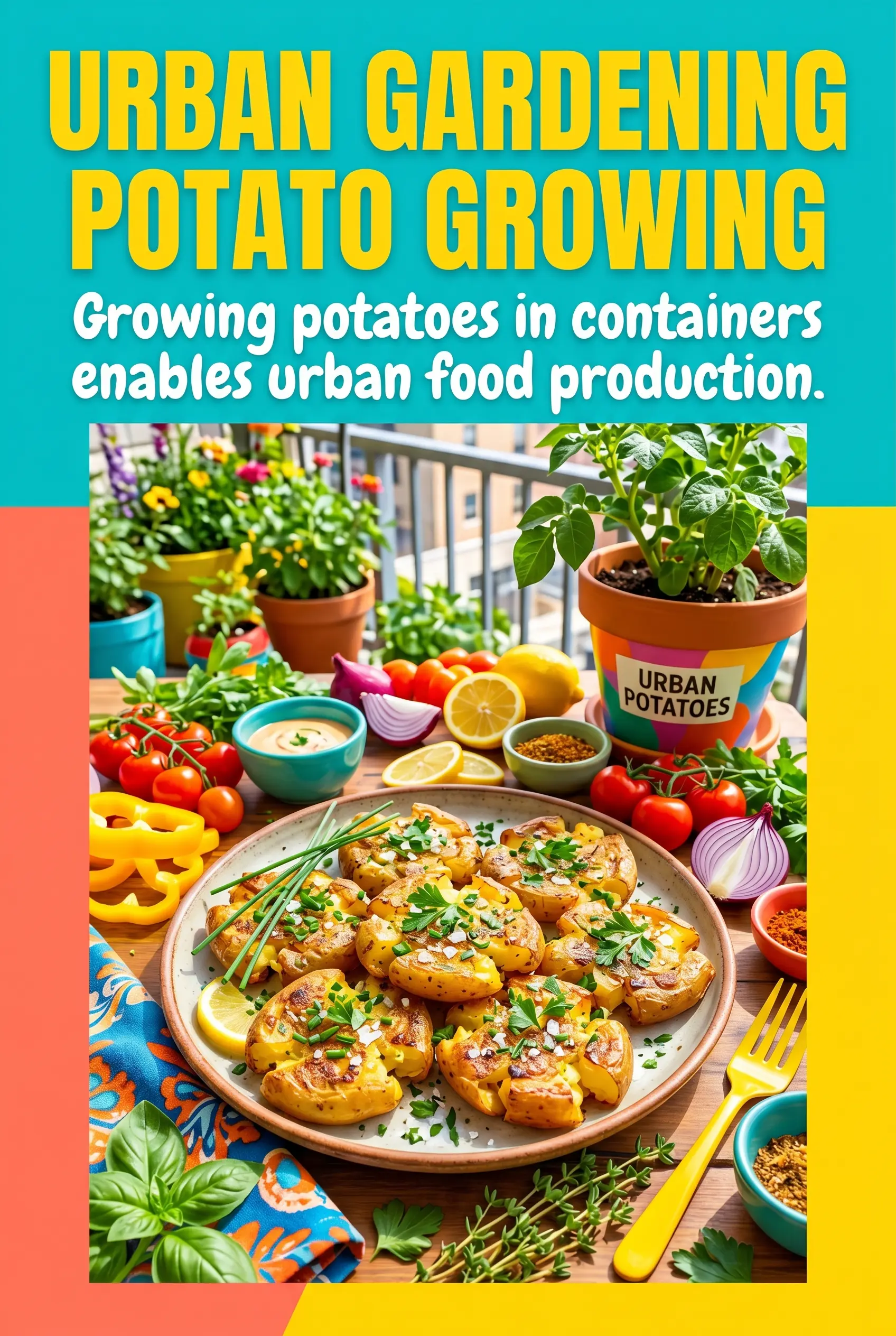
Blackstone Smashed Potatoes
Ingredients
Equipment
Method
- Boil baby potatoes until fork-tender, about 15-20 minutes, then drain. Let them cool slightly so they smash without falling apart.
- Heat the Blackstone griddle to medium-high and add olive oil and butter. Swirl to coat the surface.
- Place the potatoes on the griddle and smash flat with a heavy spatula or masher. Aim for even, flattened rounds so the edges crisp evenly.
- Add minced garlic around the potatoes and cook for 6-7 minutes until bottoms are crispy and golden. Watch for browned, lacy edges where oil and butter caramelize.
- Flip the potatoes and cook another 5-6 minutes until both sides are crispy. Keep them spaced so they fry-crisp rather than steam.
- Season with salt and pepper to taste. Do it right after crisping so the seasoning sticks to the golden surfaces.
- Top the potatoes with sour cream, shredded cheddar, chopped chives, and bacon bits. Add toppings while hot so the cheddar softens and the bacon warms.