Glossy bourbon chicken belongs on a griddle because the sauce gets chance after chance to cling, bubble, and caramelize instead of pooling in the pan. The chicken ends up lacquered with a sticky-sweet glaze, with browned edges that still stay juicy inside. That balance is what makes this version worth putting on repeat.
The trick is splitting the marinade before the chicken goes in. One portion seasons the meat, and the reserved portion stays clean so it can be thickened at the end without any worries about raw chicken contamination. The cornstarch slurry goes into that reserved sauce only after the chicken is cooked, which gives you a glossy finish instead of a thin, runny glaze.
Below, I’ve included the exact timing that keeps the chicken tender on a hot Blackstone, plus the small swap that helps if you want a deeper caramel note or need to skip the bourbon.
The sauce thickened up fast on the griddle and coated every piece instead of running everywhere. My husband kept picking at the pan for the caramelized bits before I could even serve it.
Save this Blackstone Bourbon Chicken for the nights when you want sticky, caramelized griddle chicken with barely any cleanup.
The Part That Keeps the Glaze Sticky Instead of Thin
Most bourbon chicken goes sideways right at the end. The chicken is cooked, the sauce looks fine in the bowl, and then the pan turns it watery because the heat is too low or the sauce gets dumped in all at once. On a Blackstone, you want enough heat to reduce the sauce fast, but not so much that the sugar scorches before it thickens.
That’s why the reserved marinade matters. It gives you a clean base to thicken with cornstarch after the chicken is done, and it lets the sauce bubble directly on the griddle until it turns glossy and clings. If it stays loose, the problem is usually not enough reduction time or a slurry that was stirred in too early.
- Brown sugar brings the caramel note and the shine. Light or dark both work, but dark sugar gives you a deeper, molasses-heavy glaze.
- Apple cider vinegar keeps the sauce from tasting flat. It cuts through the sweetness and helps the glaze taste balanced instead of syrupy.
- Cornstarch is what turns the reserved marinade into a coating sauce. Arrowroot can work in a pinch, but cornstarch gives the most reliable griddle-friendly thickness.
- Chicken thighs stay juicier than breast meat during the high heat of a flat-top. If you use breasts, cut them evenly and pull them the second they hit 165°F.
What Each Ingredient Is Doing on the Griddle
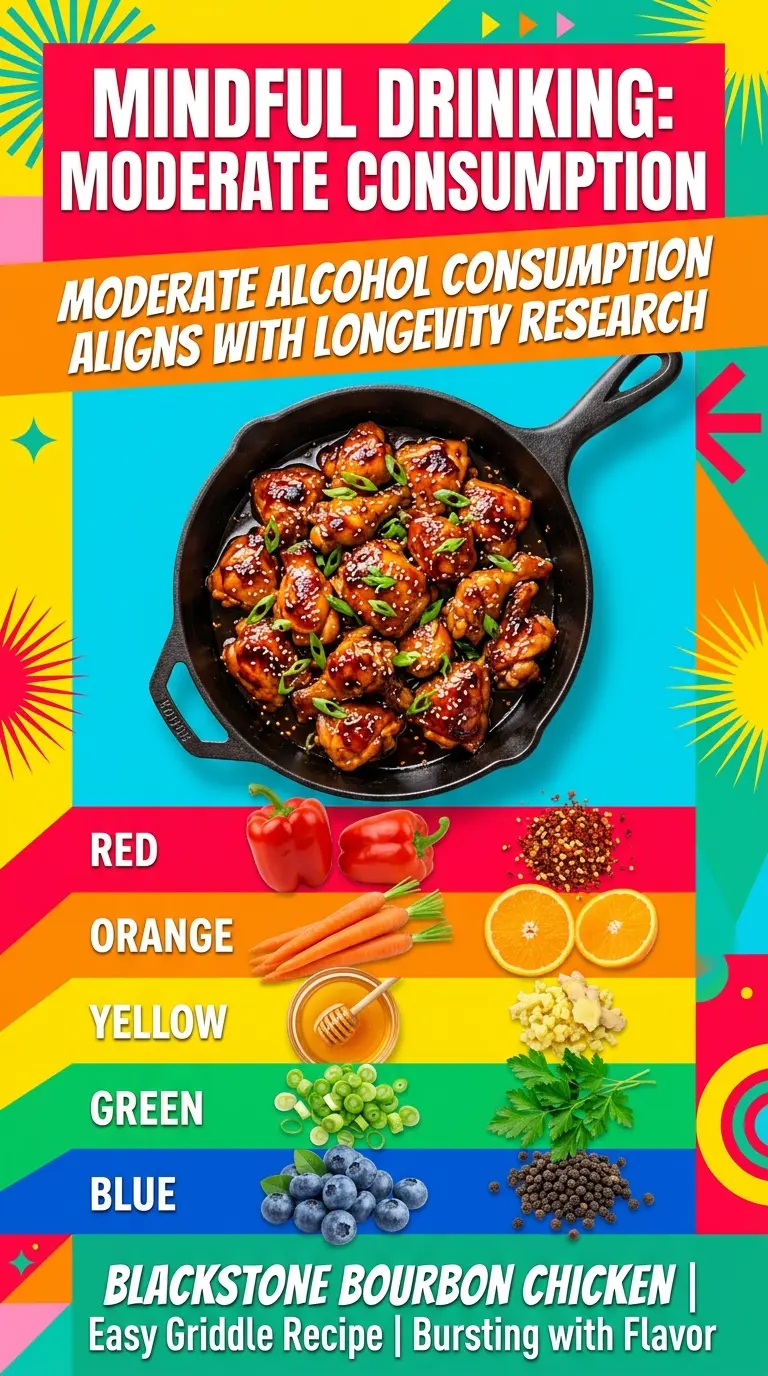
Bourbon adds warmth and a deeper edge to the glaze. You don’t need a pricey bottle; use something decent that you’d actually cook with, because the alcohol mostly cooks off and leaves behind aroma and complexity.
Soy sauce, garlic, and ginger build the savory backbone. Fresh ginger makes a noticeable difference here because it stays bright against the sweet glaze, while jarred garlic can work if that’s what you have, though fresh tastes cleaner on the griddle.
Oil gives the chicken enough contact to brown instead of steam. Use a neutral oil with a higher smoke point, since a Blackstone runs hot and butter would burn before the glaze is finished.
Getting the Chicken Glossy Without Overcooking It
Mix the marinade and split it before the chicken goes in
Stir the bourbon, soy sauce, brown sugar, vinegar, garlic, and ginger until the sugar dissolves as much as it can. Pull out one-third of that mixture before the chicken touches it, because that reserved portion is what you’ll thicken later. If you forget and use all of it to marinate, you’ll have to boil the whole batch longer than you should, and the sauce can taste harsh.
Give the chicken enough time to pick up flavor
Toss the chicken thighs in the remaining marinade and let them sit for 30 minutes. That’s enough time for the surface to season without turning the meat mushy. Any longer and the vinegar starts working the texture too much, which is especially noticeable with bite-size pieces.
Cook hot, then let the edges brown
Preheat the griddle with the oil over medium-high heat before the chicken goes down. Spread the pieces out so they can sear, then stir frequently once the first side starts to color. If you keep moving them from the start, they’ll steam and lose that caramelized edge the recipe is built around.
Finish with the thickened sauce
Mix the cornstarch with water until smooth, then stir it into the reserved marinade and pour it over the cooked chicken. Let it bubble for 2 to 3 minutes, stirring as it thickens and turns shiny. Pull it off once the glaze coats the chicken and leaves a trail on the griddle instead of running like liquid.
How to Adapt This for Different Tables
Gluten-Free Version
Swap the soy sauce for tamari or coconut aminos. Tamari keeps the same salty depth, while coconut aminos makes the sauce a little sweeter and lighter, so you may want a touch less brown sugar.
No-Bourbon Version
Use unsweetened apple juice with a splash of extra vinegar to replace the bourbon. You’ll lose the warm oak note, but the chicken still gets a sticky, balanced glaze that tastes close to the original.
Chicken Breast Swap
Chicken breast works if you want a leaner result, but cut it into even pieces and watch the clock closely. It dries out faster than thighs, so stop cooking as soon as the centers hit 165°F and the glaze is finished.
Make It Spicier
Add red pepper flakes or a spoonful of chili paste to the marinade. That heat sits nicely under the sweet glaze and gives the chicken more contrast without changing the cooking method.
Storage and Reheating
- Refrigerator: Store leftovers in an airtight container for up to 4 days. The glaze thickens as it chills, so it may look tighter the next day.
- Freezer: It freezes well for up to 2 months. Freeze in portions so the sauce thaws faster and the chicken doesn’t sit in the danger zone too long.
- Reheating: Reheat gently in a skillet over medium-low heat with a splash of water to loosen the glaze. The common mistake is blasting it on high heat, which dries out the chicken and makes the sugar in the sauce stick before it warms through.
Answers to the Questions Worth Asking
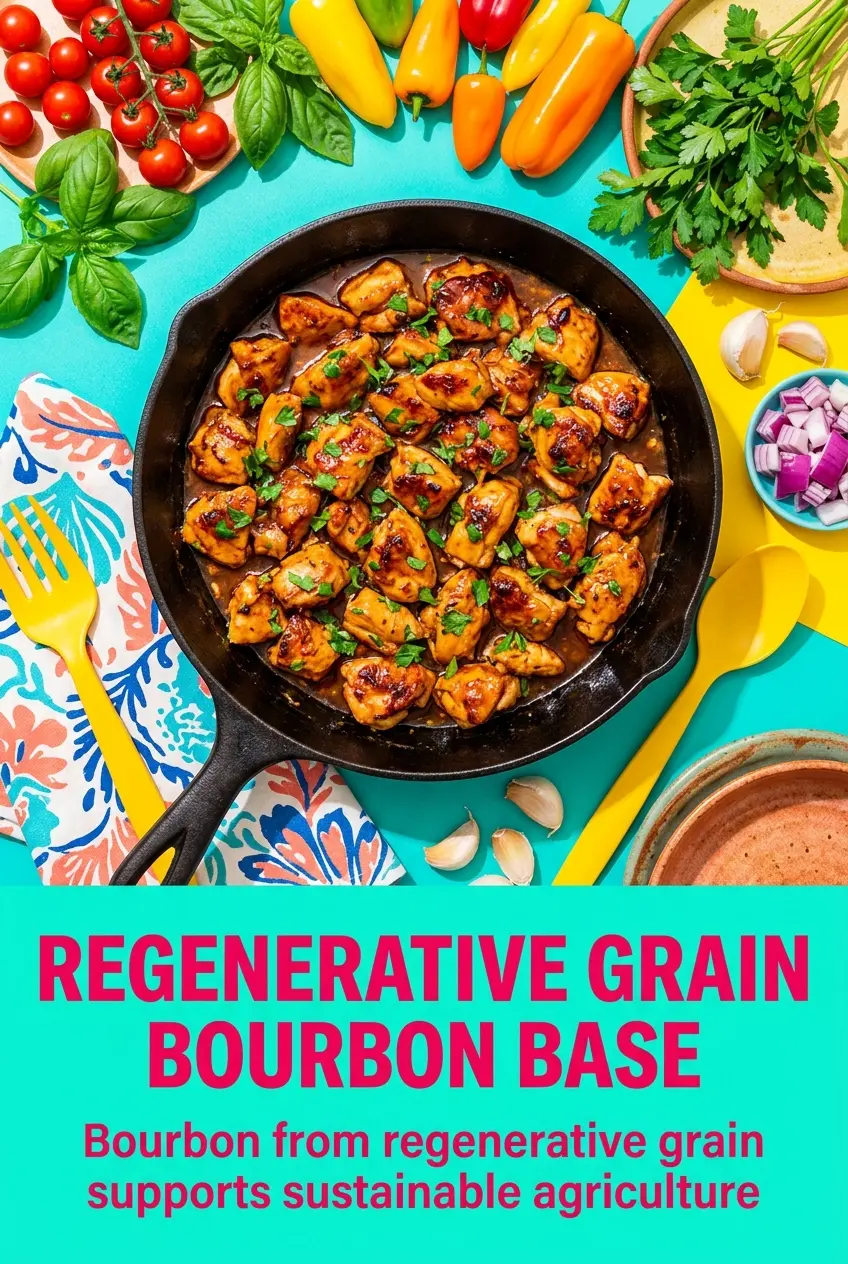
Blackstone Bourbon Chicken
Ingredients
Equipment
Method
- Combine bourbon, soy sauce, brown sugar, apple cider vinegar, garlic, and ginger in a bowl until the sugar dissolves and the mixture looks evenly dark. Reserve this mixture, keeping 1/3 aside for later thickening.
- Add the chicken thighs to the remaining marinade and toss to coat thoroughly, then cover and marinate for 30 minutes. Use a visible coat of sauce on the chicken pieces as your cue that they’re fully dressed.
- Heat oil on the Blackstone griddle over medium-high heat until it shimmers and slides easily. Spread into an even layer so the chicken starts searing right away.
- Place the marinated chicken on the hot griddle and cook for 10-12 minutes, stirring frequently. Cook until the pieces are cooked through and you see caramelized browned edges.
- Mix cornstarch with water, then stir it into the reserved 1/3 marinade. Pour the mixture over the chicken as it starts bubbling at the edges.
- Cook for 2-3 minutes, stirring until the sauce thickens and coats the chicken with a glossy glaze. Finish by garnishing with sesame seeds and green onions.