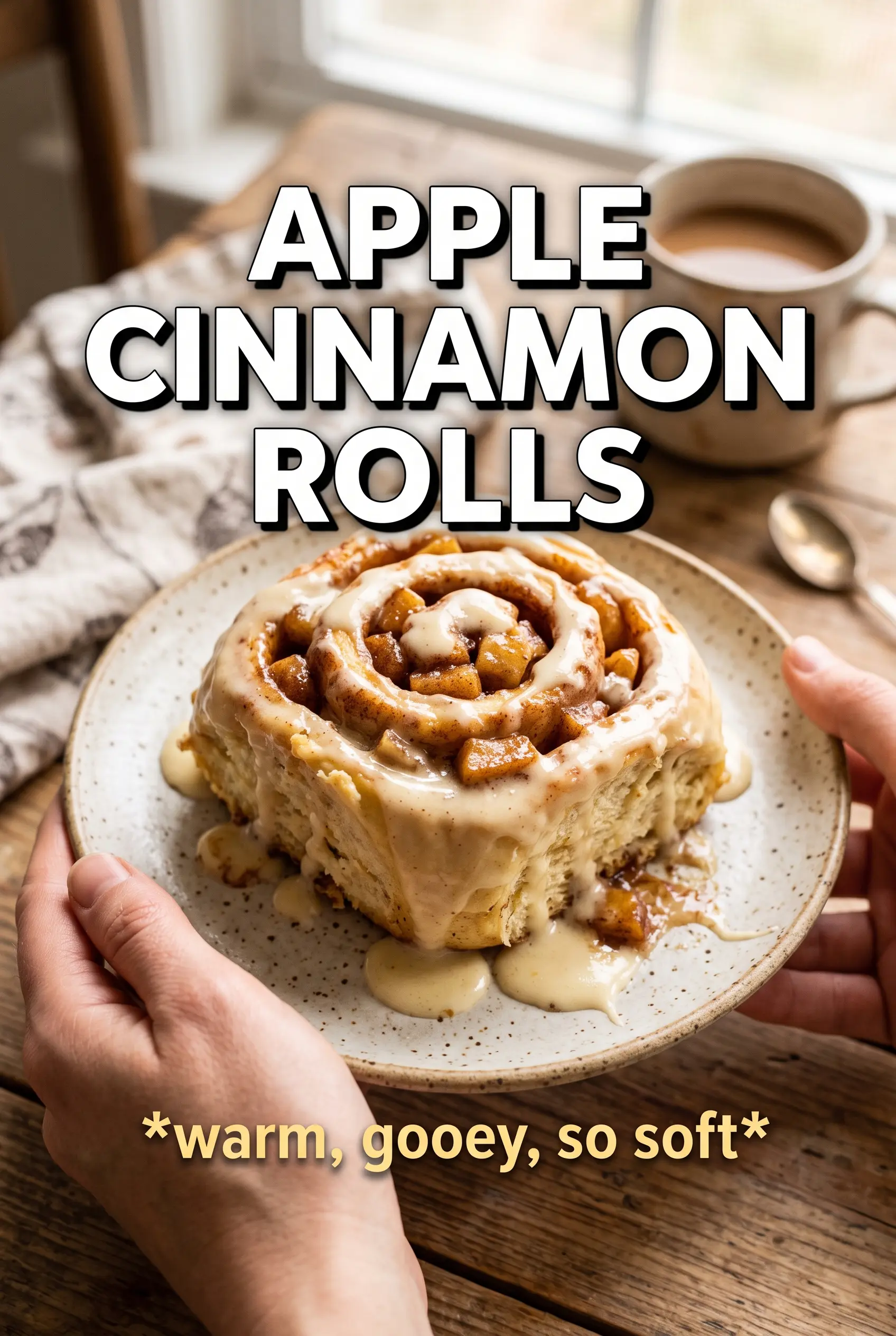
Soft, pillowy apple cinnamon rolls with a tender crumb and sticky caramelized swirls are the kind of breakfast that disappears while the glaze is still warm. The apples cook down just enough to tuck neatly into the spirals, so every bite tastes like cinnamon pastry with a little burst of real fruit instead of a soggy filling. The result is gooey at the center, golden at the edges, and rich enough to feel special without being fussy.
What makes this version work is that the apples get cooked before they go into the dough. That step pulls off excess moisture and concentrates the flavor, which keeps the rolls from turning wet or collapsing in the middle. The dough itself stays soft because it uses warm milk, butter, and eggs for a rich base, but it still rises into something light if you give it time and don’t rush the knead.
Below, I’ll walk through the small details that matter most: how to tell if the yeast is alive, how to keep the filling from leaking, and how to get the glaze thin enough to drizzle instead of clumping on top.
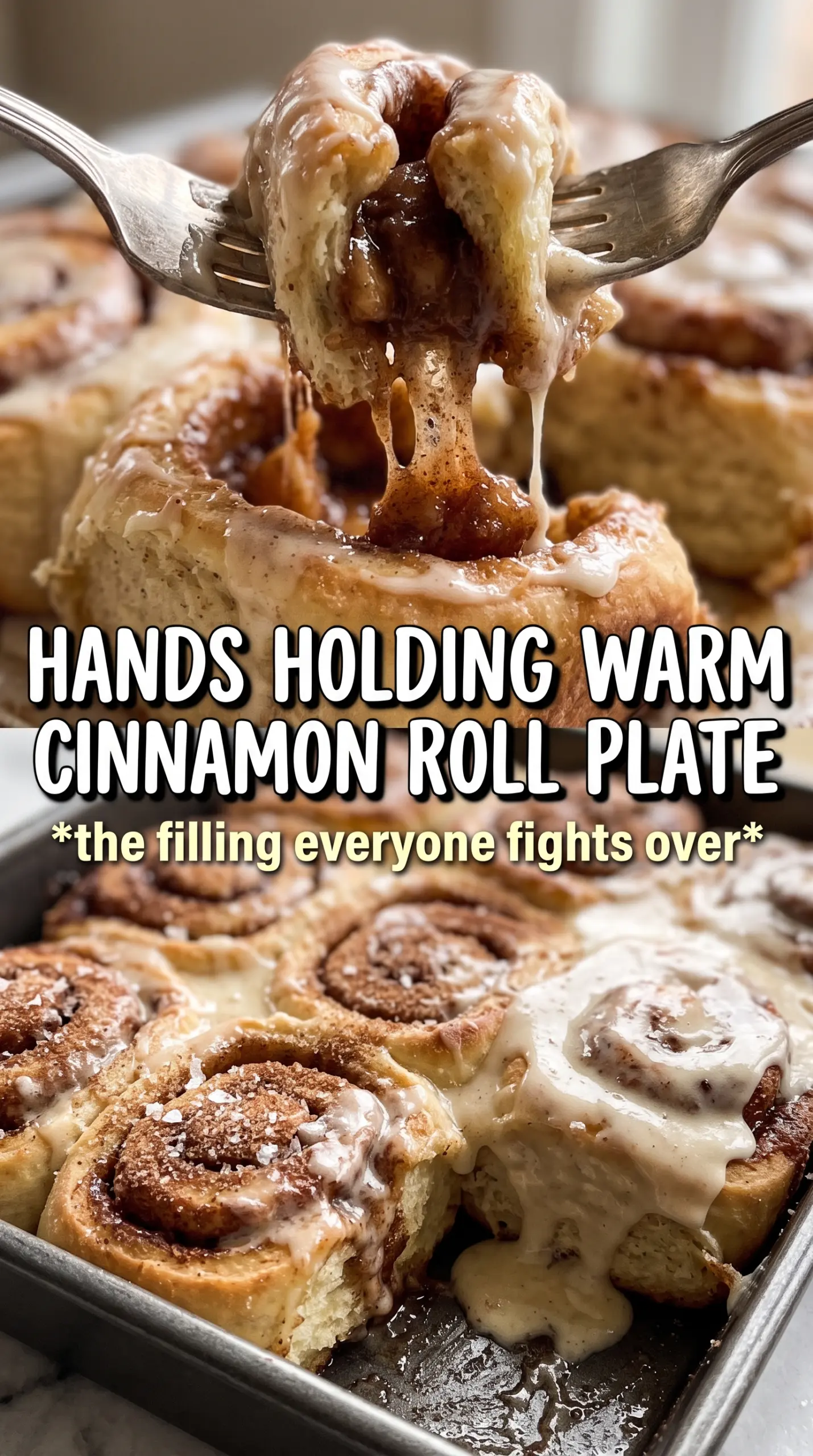
The apple filling cooked down perfectly, and the rolls baked up fluffy instead of soggy. I loved that the glaze melted into the swirls without drowning the apples.
Like these apple cinnamon rolls? Save them to Pinterest for a make-ahead breakfast with soft dough, caramelized apples, and cream cheese glaze.
The Trick Is Keeping the Apples From Steaming the Dough
Most fruit-filled rolls fail for one of two reasons: the filling is too wet, or the dough gets overworked trying to compensate for that moisture. Cooking the apples first fixes the first problem before it starts. You want them softened and lightly caramelized, not turned into applesauce, because the pieces need enough structure to stay tucked into the spiral.
The second piece is the roll itself. A tight spiral helps hold the filling in place, but if you stretch the dough too thin, the apples will punch through and leak during baking. Aim for an even rectangle, spread the filling all the way to the edges, then roll with steady pressure so the seam seals cleanly at the end.
- Cooked apples — They should lose some moisture in the pan before they ever touch the dough. That keeps the centers from turning wet.
- Soft dough — A rich dough bakes tender, but it still needs enough kneading to become smooth and elastic. If it tears when you roll it out, let it rest 5 to 10 minutes.
- Even filling — Thin patches of filling create blowouts and sticky gaps. Spread it in a consistent layer so the rolls bake evenly.
What Each Ingredient Is Doing in the Dough, Filling, and Glaze
- Warm milk — It wakes up the yeast without shocking it. Keep it around 110F; if it feels hot to the finger, it’s too hot and can kill the yeast.
- Active dry yeast — This gives the dough its lift. If it doesn’t foam after 5 minutes with the milk and sugar, start over.
- Brown sugar — It belongs in the filling because it melts into the apples and gives the spirals that sticky, caramel note white sugar can’t match.
- Apples — Use a firm baking apple if you can. Softer varieties break down faster and can disappear into the filling instead of staying in little tender bits.
- Cream cheese — This makes the glaze tangy enough to balance the sweetness. Let it soften fully or you’ll end up with little lumps that won’t whisk out.
Building the Rolls So the Center Stays Soft and the Bottoms Don’t Overbake
Proof the yeast first
Stir the warm milk, yeast, and a spoonful of sugar together, then wait until the top looks foamy and fragrant. That foam tells you the yeast is active and ready to work. If the mixture stays flat, the milk was too hot, too cold, or the yeast is tired, and the dough won’t rise the way it should.
Mix and knead until the dough turns smooth
Add the remaining dough ingredients and mix until a shaggy dough forms, then knead until it becomes soft, elastic, and only slightly tacky. It should pull away from the bowl without feeling dry. If you add too much flour trying to make it neat, the rolls bake up dense instead of fluffy.
Cook the apples before rolling
Cook the diced apples with butter, brown sugar, cinnamon, and nutmeg until the pieces are tender and glossy and the pan looks syrupy rather than watery. That usually takes just a few minutes. Cool the filling before spreading it, because hot filling can melt the dough and make the spiral slide apart.
Roll, cut, and give them a real second rise
Roll the dough into a rectangle, spread the filling evenly, then roll it up tightly from the long side. Use a sharp knife or unflavored dental floss to cut clean slices so you don’t squash the spiral. After they go into the pan, let them rise until puffy and touching; if you bake them too early, they’ll spring apart in the oven instead of filling the pan.
Bake until the tops are golden and the centers are set
Bake until the tops are deeply golden and the middle rolls no longer look doughy in the gaps between swirls. The rolls should sound a little hollow when you tap the top of the pan, and the filling should bubble at the edges. If the tops brown too fast, cover the pan loosely with foil for the last stretch.
Finish with glaze while the rolls are warm
Beat the glaze until smooth and pourable, then drizzle it over the rolls while they’re still warm enough to melt it into the creases. Warm rolls grab the glaze and turn it into a glossy finish instead of a thick cap. If the glaze feels too thick, add milk a teaspoon at a time until it ribbons off the spoon.
How to Adapt These Rolls for Different Kitchens and Different Mornings
Dairy-Free Version
Swap the milk for an unsweetened non-dairy milk and use a plant-based butter in both the dough and filling. The rolls still rise well, but the glaze will be a little less rich unless you use a dairy-free cream cheese that softens smoothly.
Use Pears Instead of Apples
Firm pears work if that’s what you have, but cook them a minute or two less because they soften faster than apples. The filling will taste a little more floral and less tart, so the glaze becomes even more important for balance.
Make-Ahead Overnight Rolls
Shape the rolls and place them in the pan, then cover and refrigerate overnight before the second rise finishes. In the morning, let them sit at room temperature until puffy before baking. Cold dough straight from the fridge bakes unevenly, so that short warm-up matters.
Freezer-Friendly Baked Rolls
Bake the rolls first, cool them completely, then freeze without glaze. Thaw overnight and warm gently before adding the glaze. Freezing them already glazed can make the topping watery when it thaws.
Storage and Reheating
- Refrigerator: Store covered for up to 4 days. The dough will firm up a bit, but the flavor stays good.
- Freezer: Freeze baked rolls without glaze for up to 2 months. Wrap tightly and thaw before reheating.
- Reheating: Warm individual rolls in the microwave for 20 to 30 seconds or cover the pan and heat in a 300F oven until soft. High heat dries the dough and makes the glaze separate.
Answers to the Questions Worth Asking
Apple Cinnamon Rolls
Ingredients
Equipment
Method
- Combine warm milk, yeast, and 1 tablespoon of the granulated sugar in the bowl and rest 5 minutes until foamy, with bubbles showing on top.
- Add the remaining sugar, melted butter, eggs, and vanilla, then mix until smooth and combined.
- Add all-purpose flour and salt and mix until a soft dough forms.
- Knead the dough 8 minutes until smooth and elastic, then shape into a ball.
- Place the dough in a greased bowl, cover, and rise 1 hour until doubled in size.
- Cook diced apples with butter, brown sugar, cinnamon, and nutmeg for 5-7 minutes until caramelized and fragrant, stirring so the apples look glossy.
- Cool the apple filling completely so it doesn’t melt the dough when spread.
- Roll the dough into a 12x18 inch rectangle, keeping the thickness even.
- Spread the apple filling evenly over the dough to the edges.
- Roll tightly into a log, then cut into 12 equal rolls.
- Arrange the rolls in a greased 9x13 dish, cover, and rise 45 minutes until puffy.
- Bake at 375F for 22-25 minutes until golden and the rolls look set in the center.
- Beat together the cream cheese, powdered sugar, milk, and vanilla until smooth, then drizzle over warm rolls so the glaze melts slightly.