Pasta salad gets a lot better when it stops acting like a side dish and starts eating like an antipasto platter. This version is loaded with salami, pepperoni, provolone, mozzarella, olives, peppers, and marinated artichokes, so every forkful has salt, tang, creaminess, and a little bite. It holds up well on a buffet, packs for lunch without turning soggy, and gets better after a proper chill.
The trick is balance. Rinsed pasta cools fast and stays firm, while the Italian dressing gets pulled into all the nooks and crannies of the rotini. Using a mix of deli meats, cheese, and marinated vegetables keeps the salad from tasting flat, and the Parmesan plus Italian seasoning give the dressing a little extra backbone. If you’ve ever had pasta salad that tasted watery or one-note, this version fixes both problems.
Below, I’ll walk you through the one step people rush most, the ingredient swaps that still keep the antipasto feel, and the storage details that matter when you’re making this ahead for a crowd.
I made this for a family cookout and the dressing soaked into the pasta after chilling without making it mushy. The mix of salami, pepperoni, and pepperoncini gave it that true antipasto taste, and the bowl was wiped clean before dinner was even over.
This antipasto pasta salad is built for a crowd, with bold deli meats, tangy peppers, and a dressing that gets even better after chilling.
The Secret to Keeping Antipasto Pasta Salad From Turning Heavy
The most common mistake with antipasto pasta salad is treating it like a meat-and-cheese pile that happens to include pasta. Once the dressing is added, every ingredient has to earn its spot. If the pasta is overcooked or the mix is too wet, the salad turns dense and greasy instead of crisp and lively.
Rotini is a smart choice because the spirals catch the dressing without collapsing under the weight of all the fillings. Rinsing the pasta under cold water stops the cooking and washes off the starch that would otherwise make the dressing cling in a gummy way. The other key move is using marinated vegetables alongside the meats and cheese; they bring built-in acidity, which keeps the whole bowl from tasting rich without relief.
- Rotini pasta — The spirals hold the dressing and trap little bits of cheese and pepper. Short pasta shapes with ridges work best here; smooth pasta slides around and gives you less in each bite.
- Italian dressing — This is the backbone of the salad, so use one you actually like. A good bottled dressing works fine, but if it tastes sharp or thin on its own, the pasta salad will taste that way too.
- Marinated artichokes and pepperoncini — These are doing more than adding color. They bring acid and briny flavor that cuts through the salami and provolone, and that keeps the salad from feeling heavy after a few bites.
- Fresh mozzarella balls — Use them whole or halved, but keep them well drained. If they carry too much liquid, the dressing loosens and the salad can get watery at the bottom of the bowl.
Building the Bowl So Every Bite Tastes Like an Antipasto Platter
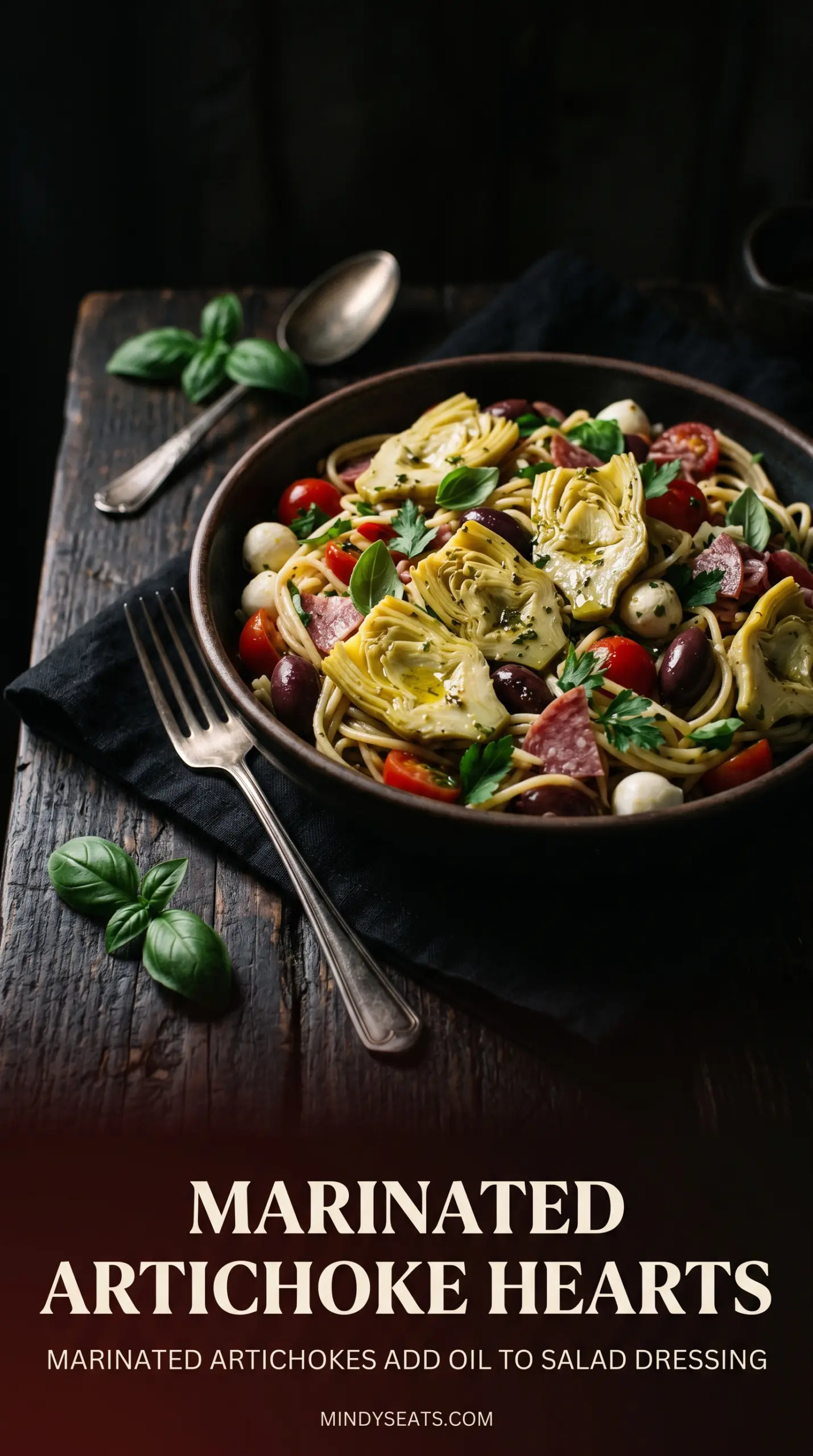
- Salami and pepperoni — Cube and quarter them into bite-size pieces so they spread through the salad instead of clumping together. A good deli version has better flavor and texture than pre-chopped salad meat, which can feel dry.
- Provolone — This cheese brings a mild, salty bite that fits the antipasto theme better than a bland melting cheese would. Cut it into small cubes so it stays distinct in the bowl and doesn’t disappear into the pasta.
- Cherry tomatoes — They add freshness and a little sweetness, but halve them so their juices don’t pool in the salad. If your tomatoes are very juicy, seed them lightly before adding them.
- Parmesan — This is the finishing layer that sharpens the dressing and ties the deli ingredients together. Grate it finely so it disappears into the dressing instead of sitting in little clumps on the bottom.
Mixing, Chilling, and the Last Toss That Makes It Taste Finished
Cooking the Pasta Just Past Tender
Boil the rotini in well-salted water until it’s just tender with a little bite in the center. You want it cooked through, but not soft enough to collapse once the dressing and mix-ins go in. Drain it well, then rinse under cold water until the noodles are completely cool to the touch. If the pasta stays warm, it keeps cooking and turns the whole salad soft.
Layering in the Bold Ingredients
Combine the cooled pasta with the salami, pepperoni, provolone, mozzarella, tomatoes, artichokes, roasted red peppers, olives, and pepperoncini in a large bowl. Use a bowl with plenty of room so you can toss without crushing the cheese or bruising the tomatoes. The goal is even distribution, not a mashed-together pile. If the bowl is too small, the heavier ingredients sink and the salad never mixes properly.
Adding the Dressing and Letting It Sit
Pour in the Italian dressing, Parmesan, and Italian seasoning, then toss until every piece looks lightly coated. The salad needs at least 2 hours in the fridge because that rest time lets the pasta drink in the dressing and the flavors settle together. Give it one more toss before serving and add a splash more dressing if it looks dry. If it tastes flat after chilling, it usually needs salt, acid, or a little more dressing, not more cheese.
Make It Meat-Lighter
Cut the salami and pepperoni in half and add extra peppers, tomatoes, or artichokes. You’ll still get the antipasto feel, but the salad will taste brighter and less dense, which works well if you’re serving it alongside grilled food.
Gluten-Free Version
Use your favorite gluten-free rotini and cook it just until tender, since GF pasta can go from firm to mushy fast. Rinse it well and toss gently after chilling, because it can break more easily than wheat pasta.
Dairy-Free Swap
Skip the provolone, mozzarella, and Parmesan and add more artichokes, olives, and roasted peppers to keep the salad full and balanced. You lose some creaminess, but the vinegar and briny elements step in nicely and keep the dish lively.
Storage and Reheating
- Refrigerator: Store covered for up to 4 days. The pasta will absorb more dressing as it sits, so expect it to tighten up a bit.
- Freezer: Don’t freeze this one. The pasta gets mushy, and the cheese and vegetables lose their texture after thawing.
- Reheating: This salad is meant to be served cold or cool. If it’s been in the fridge overnight, let it sit 15 to 20 minutes, then toss with a spoonful or two of dressing before serving.
Answers to the Questions Worth Asking
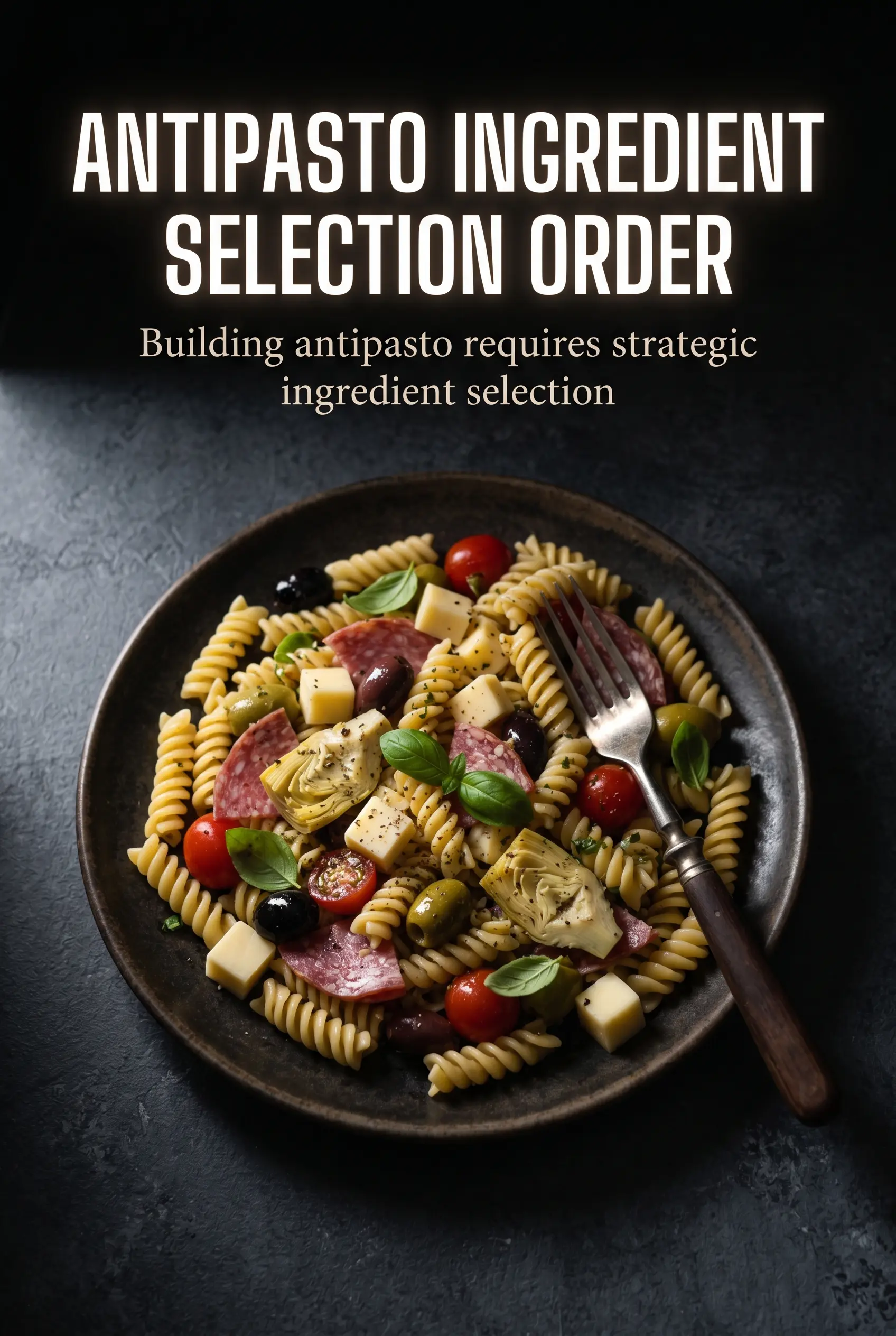
Easy Italian Antipasto Pasta Salad
Ingredients
Equipment
Method
- Cook rotini pasta according to package directions, then drain and rinse with cold water until the pasta is no longer hot.
- Transfer the rinsed pasta to a sheet pan in an even layer to cool quickly, spreading it so no pieces are piled on top of another.
- In a large bowl, combine the rotini pasta, salami, pepperoni, provolone, fresh mozzarella balls, cherry tomatoes, marinated artichoke hearts, roasted red peppers, Kalamata olives, and pepperoncini.
- Pour in Italian dressing, then add Parmesan cheese and Italian seasoning and toss until every piece looks lightly coated.
- Refrigerate the antipasto pasta salad for at least 2 hours so the flavors meld and the dressing slightly thickens.
- Toss again before serving and add more Italian dressing if needed, until the salad appears glossy rather than dry.