Grilled salmon earns a permanent place in dinner rotation when the skin turns crisp, the flesh stays tender, and the whole fillet lifts from the grill with those clean, smoky marks that make it look like you actually planned ahead. This version keeps the seasoning simple on purpose. The salmon stays front and center, with lemon, Dijon, and garlic doing the work without burying the fish.
The difference here is in the timing and the heat. A short marinade adds flavor without curing the fish, and skin-side-down grilling gives the salmon enough time to firm up before you even think about turning it. That’s what keeps it from sticking and breaking apart. If your grilled salmon has ever gone dry or fallen apart on the grate, the fix is in the method below.
You’ll find the exact cues I use for turning, doneness, and serving, plus a few practical notes on substitutions and storage so you can make it without second-guessing anything.
The skin got crisp without burning and the salmon released from the grill cleanly after 7 minutes. The lemon-Dijon marinade was light but gave it just enough flavor that we didn’t even want sauce.
Keep this grilled salmon recipe handy for crisp skin, flaky centers, and a fast lemon-Dijon finish.
The Reason Salmon Sticks to the Grill in the First Place
Most grilled salmon problems start before the fish even hits the grates. The grill wasn’t hot enough, the grates weren’t oiled well, or the salmon got moved too soon. Skin-on fillets need steady contact with the heat so the proteins can set and the skin can crisp; if you try to force a flip early, the flesh tears and half of it stays behind.
This recipe works because the salmon sits skin-side down for most of the cook time. That protects the delicate flesh from direct flare-ups and gives the skin time to release naturally when it’s ready. You’re watching for opaque edges, a firmer top, and the first signs that the fillet lifts cleanly with a thin spatula.
What Each Ingredient Is Doing in This Salmon Marinade
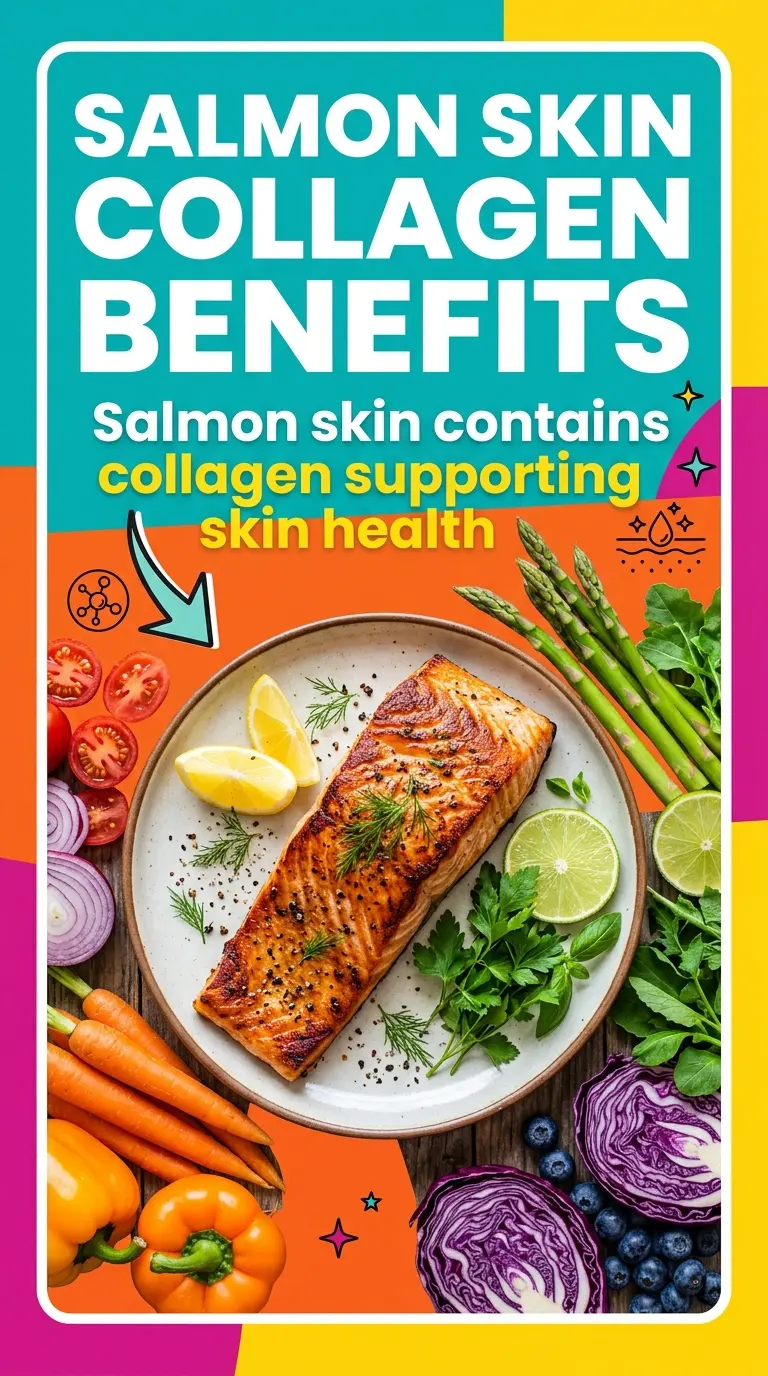
- Salmon fillets with skin — Skin-on fillets hold together better on the grill and protect the flesh from overcooking. If you can choose, look for fillets with even thickness so they finish at the same rate. Wild or farmed both work here; the key is freshness and consistent sizing.
- Olive oil — Oil carries the marinade across the fish and helps the surface brown instead of drying out. You don’t need anything fancy, but use one that tastes clean since it’s part of the finished bite.
- Lemon juice — The acid brightens the salmon and cuts through the richness. Keep the marinade to 15 minutes; any longer and the edges can start to turn a little chalky.
- Dijon mustard — Dijon gives the marinade body so it clings instead of sliding off the fish. It also adds a gentle sharpness that plays well with salmon’s natural richness.
- Garlic — Fresh minced garlic gives the marinade its backbone. Press it or mince it finely so it doesn’t burn on the grill or leave harsh bites behind.
- Dill and lemon wedges — Dill brings the clean, herbal finish that salmon loves, and lemon wedges let each plate be adjusted at the table. If you don’t have dill, parsley will still give you freshness, but it won’t taste quite as classic.
The Grill Timing That Keeps Salmon Flaky, Not Dry
Mix the Marinade First
Stir the olive oil, lemon juice, garlic, Dijon, salt, and pepper together until the mustard disappears into the oil. That matters because the mustard helps the marinade cling to the fish instead of pooling underneath it. Coat the salmon lightly and let it sit for 15 minutes, not much longer. The acid is there for brightness, not a long soak.
Heat the Grill and Oil the Grates
Preheat the grill to medium-high and clean the grates well before oiling them. Salmon releases best on a hot grate with a thin film of oil, and that step does more for clean flipping than extra marinade ever will. If the grill is lukewarm, the skin will glue itself down and tear when you try to move it. A properly hot grill gives you that initial sear that starts the release.
Cook Skin-Side Down and Leave It Alone
Set the salmon skin-side down and don’t move it for 6 to 8 minutes. You’ll see the color change climbing up the sides and the flesh firming near the bottom edge. That’s your cue that it’s setting properly. If the fillet still sticks when you try to lift it, give it another minute; forcing it is what ruins the skin.
Flip Briefly, Then Pull It Off
Turn the salmon carefully and give it just 2 to 3 minutes on the second side. The goal here is finish, not more grill time. Salmon keeps cooking after it leaves the grill, so pulling it when the center still looks just slightly translucent will usually land you at perfect doneness by the time it rests. Serve it with dill and lemon wedges while the skin is still crisp.
Three Ways to Work This Salmon Into Your Week
Dairy-Free and Naturally Gluten-Free
This recipe already fits both of those needs as written, which is one reason it’s such a good weeknight seafood dinner. Just keep an eye on your Dijon if you’re cooking for someone especially sensitive to gluten, since brands can vary. Serve it with rice, potatoes, or grilled vegetables and nothing else needs changing.
No Grill, Same Idea
If the weather isn’t cooperating, cook the salmon on a hot cast-iron skillet or under the broiler. You won’t get the same smoky flavor, but you’ll still get crisp skin and a fast cook time. Use the same marinade, then keep a close eye on the fish because indoor heat moves faster than a grill.
Swap the Herbs for What You Have
Dill is the cleanest match for salmon, but parsley, chives, or tarragon all work if that’s what’s in the fridge. Parsley keeps it bright and neutral, while tarragon adds a faint anise note that feels a little more elegant. Use dried herbs only in a pinch and cut the amount back, since they read stronger once they hit the heat.
How to Store Leftovers
- Refrigerator: Store cooked salmon in an airtight container for up to 3 days. The skin will soften, but the flavor stays good.
- Freezer: Cooked salmon freezes reasonably well for up to 2 months if wrapped tightly and sealed well. Thaw it in the refrigerator overnight so it doesn’t get watery.
- Reheating: Reheat gently in a 275°F oven, covered loosely with foil, just until warm. High heat dries salmon out fast, so skip the microwave unless you don’t mind a firmer texture.
Questions I Get Asked About This Recipe
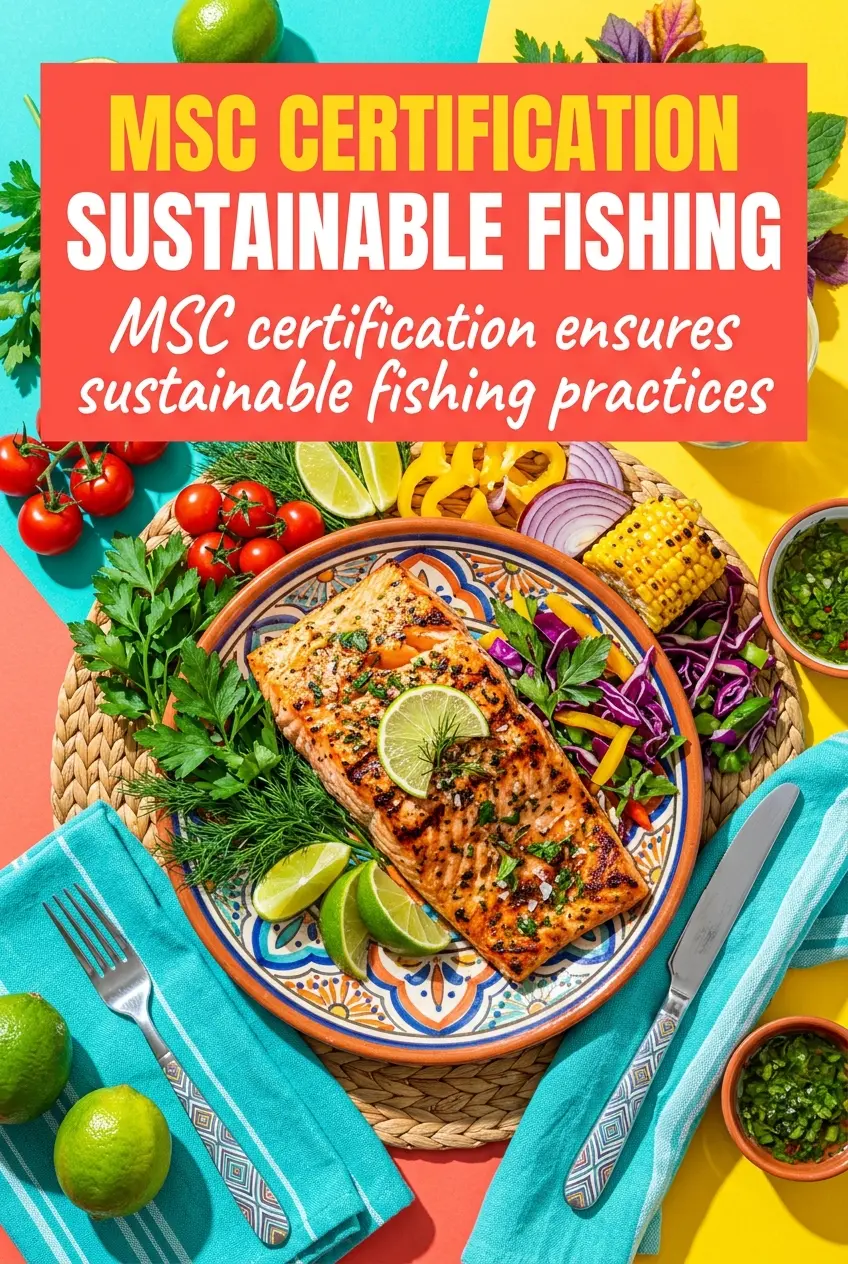
The Best Grilled Salmon
Ingredients
Equipment
Method
- In a bowl, mix olive oil, lemon juice, minced garlic, Dijon mustard, salt, and pepper until well combined, glossy, and evenly seasoned.
- Brush the marinade over the salmon fillets, cover or loosely tent, and let sit for 15 minutes to absorb flavor.
- Preheat the grill to medium-high heat and oil the grates well so the skin crisps without sticking.
- Place the salmon skin-side down on the grill and close the lid if available.
- Grill for 6-8 minutes skin-side down without moving, until the skin is browned and release is easy.
- Carefully flip and grill for 2-3 minutes until cooked to your desired doneness and the flesh flakes.
- Serve the grilled salmon immediately with fresh dill and lemon wedges.