Bacon-wrapped pork tenderloin is one of those dishes that looks like you spent all afternoon on it, but the payoff comes from a few smart moves: a simple rub, a tight bacon wrap, and patient low heat. The pork stays lean and tender while the bacon bastes the outside, turning crisp at the edges and smoky enough to carry every slice.
The trick is not rushing the pit. Pork tenderloin cooks fast, and at 225°F it has time to absorb smoke without drying out. Brown sugar in the rub helps the bacon brown, paprika gives the surface a warm color, and the final pull at 145°F keeps the center juicy instead of chalky.
Below you’ll find the exact timing that keeps the bacon attached, the best way to check doneness without guessing, and a few swaps that still give you that same smoky, sliceable result.
The bacon actually crisped up on the pellet grill and the pork stayed juicy all the way through. I followed the 145°F pull and the slices came out pink and tender, not dry at all.
Smoked bacon wrapped pork tenderloin is the kind of dinner that wins on texture, smoke, and a crisp bacon finish.
Save this bacon-wrapped pork tenderloin for your next pellet grill cookout
The Part That Keeps the Bacon From Sliding Off
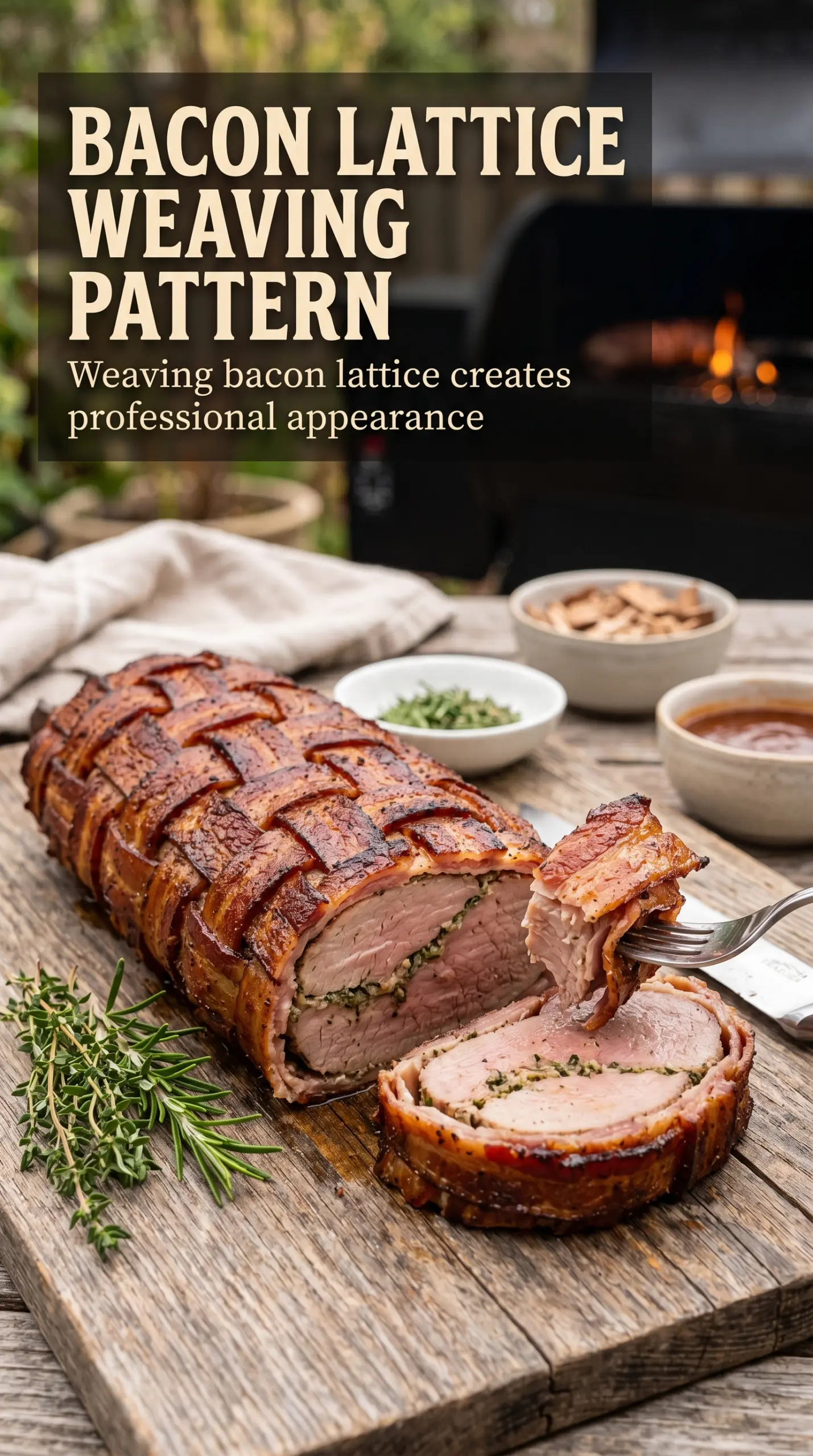
The most common mistake with bacon-wrapped tenderloin is treating the bacon like a decorative layer instead of part of the cooking system. Thin bacon can shrink away before the pork is done, and thick bacon can stay floppy if the heat is too high. A tight overlap helps the slices hold together, and starting at 225°F gives the fat time to render before the pork overcooks.
Brown sugar matters here because it nudges the bacon toward a better color without blasting the grill hotter than the pork wants. If the bacon looks pale when the pork is almost done, the problem is usually heat, not the recipe. Keep the lid closed and let the smoke do the work.
What Each Ingredient Is Actually Doing in This Pork Tenderloin
- Pork tenderloins — These cook fast and stay tender when you pull them at 145°F. Don’t swap in pork loin without adjusting the time; loin is thicker and needs longer, slower cooking to stay even.
- Bacon — Regular sliced bacon wraps more cleanly than thick-cut bacon and renders better at smoker temps. Thick-cut can work, but it usually needs a little extra time to crisp and may hold the pork back from finishing evenly.
- Brown sugar — This helps the exterior bronzed color and gives the bacon a little stickiness so the rub clings. If you cut it, the pork still tastes good, but you lose some of that glossy finish.
- Paprika, garlic powder, and onion powder — These build a simple BBQ-style crust without needing a wet marinade. Smoked paprika deepens the smoke note, while regular paprika keeps the seasoning balanced if you want a milder result.
- Salt and pepper — Salt seasons the lean pork all the way through, and pepper gives the bacon edge. If your bacon is heavily salted, keep the pork seasoning a little lighter so the finished slices don’t taste cured.
Smoking the Pork Until the Bacon Browns and the Center Stays Juicy
Mixing and rubbing the seasoning
Stir the brown sugar, paprika, garlic powder, onion powder, salt, and pepper until the blend looks even and sandy. Pat the pork dry first so the rub sticks instead of sliding off with surface moisture. A dry surface also helps the bacon adhere better once you wrap it.
Wrapping the tenderloins
Wrap each tenderloin with the bacon slices, overlapping them slightly so there aren’t gaps. Lay the seam side down if you can, because that gives the bacon time to set while the grill comes up to temperature. If the bacon seems loose, it usually means the strips were stretched too hard; let them sit naturally and overlap them more generously.
Running the pellet grill low and steady
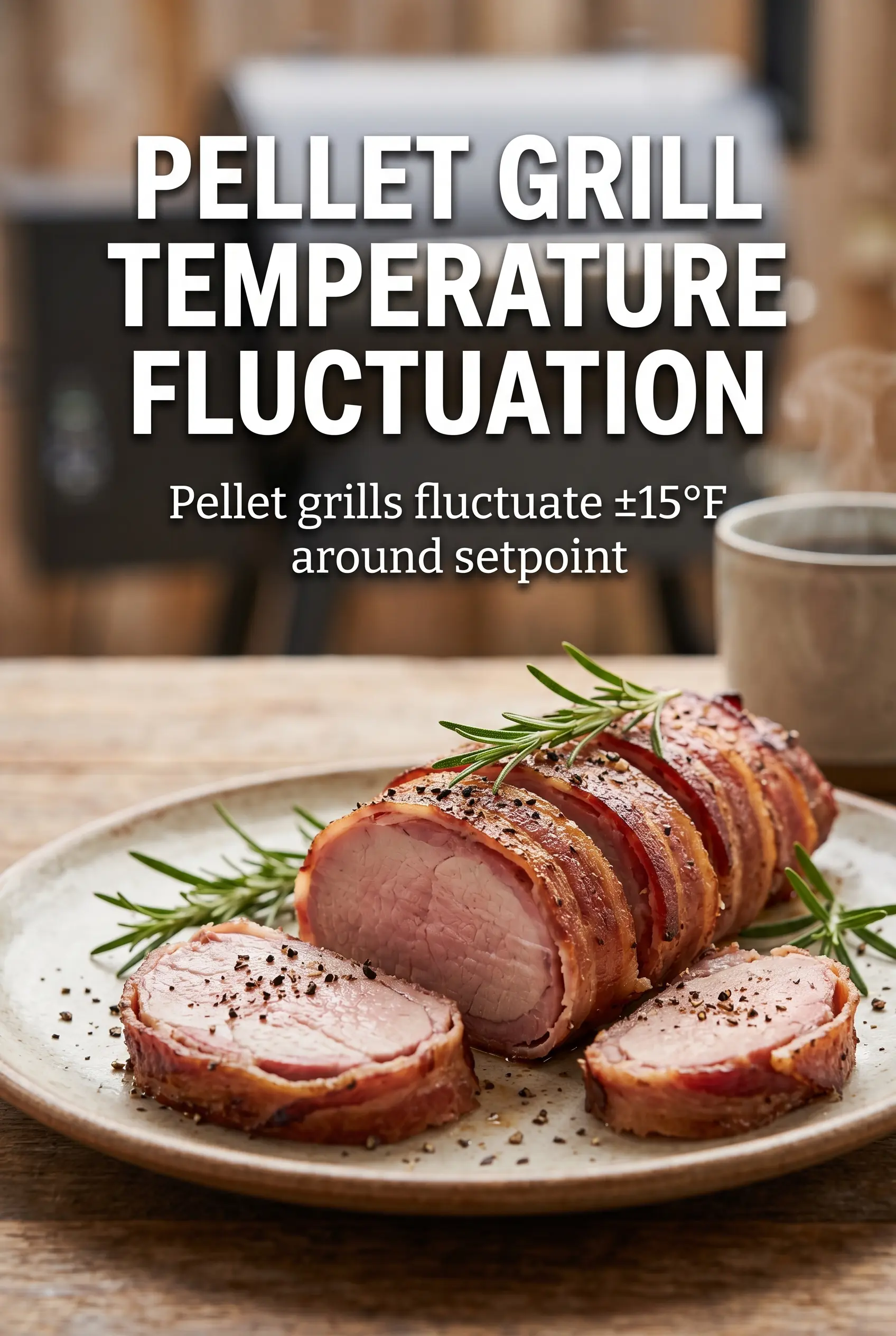
Preheat the pellet grill to 225°F with apple or hickory pellets. Put the tenderloins on the grate and close the lid right away so the surface starts smoking instead of drying out. Resist the urge to open the lid often, because every peek slows the cook and lets the bacon stay soft longer.
Pulling at the right temperature
Smoke the tenderloins until the thickest part reaches 145°F, usually 60 to 90 minutes depending on size. Use an instant-read thermometer and check the center, not the edges, because bacon can throw off the reading if you only probe the outside. If the bacon needs more color after the pork hits temperature, keep it on briefly and watch closely so the tenderloin doesn’t climb past juicy.
Resting before slicing
Let the pork rest for 10 minutes before slicing. That pause keeps the juices in the meat instead of running onto the cutting board. Slice after the rest and you’ll get clean rounds with the bacon wrap intact and the interior still pink and moist.
Three Ways to Make This Smoked Pork Tenderloin Fit the Night
Use maple instead of brown sugar for a sweeter glaze
Swap the brown sugar for an equal amount of maple sugar or brush the wrapped tenderloin lightly with maple syrup before it goes on the grill. The result is a softer sweetness and a slightly stickier exterior, but you’ll need to watch it a little more closely because sugar-based glazes can darken fast.
Make it dairy-free and gluten-free without changing the method
This recipe already fits both dairy-free and gluten-free eating as written, as long as your bacon and spices are certified gluten-free if that matters for your kitchen. That’s one reason it’s such a dependable smoker recipe: the flavor comes from the pork, bacon, and rub, not from any filler ingredients.
Turn up the smoke without changing the texture
Use hickory for a bolder smoke or apple for a gentler one. Hickory gives the bacon wrap a deeper BBQ edge, while apple keeps the pork a little sweeter and lighter; either way, the low temperature is what protects the tenderloin from drying out.
Scale it up for a crowd
You can smoke several tenderloins at once as long as they have space between them for smoke circulation. Don’t crowd the grate, or the bacon will steam before it browns. If you’re cooking more than two, rotate them once near the end if one side of the grill runs hotter.
Storage and Reheating
- Refrigerator: Store sliced leftovers in an airtight container for up to 4 days. The bacon softens a little, but the pork stays tender if you don’t overcook it the first time.
- Freezer: It freezes well for up to 2 months. Wrap slices tightly and freeze in a single layer first so they don’t stick together.
- Reheating: Reheat gently in a covered skillet with a splash of water or in a 300°F oven until just warmed through. High heat dries out tenderloin fast, and that’s the quickest way to ruin the texture you worked for.
Answers to the Questions Worth Asking
Pellet Grill Smoked Bacon Wrapped Pork Tenderloin
Ingredients
Equipment
Method
- Mix brown sugar, paprika, garlic powder, onion powder, salt, and pepper in a bowl until evenly combined, then scrape any clumps off the side.
- Rub the spice mixture all over the tenderloins, pressing lightly so the coating adheres.
- Wrap each tenderloin with bacon slices, overlapping slightly so the surface stays covered.
- Preheat the pellet grill to 225°F using apple or hickory pellets, and wait until the temperature stabilizes.
- Smoke the bacon-wrapped tenderloins for 60-90 minutes until the internal temperature reaches 145°F, with visible smoke throughout.
- Let the tenderloins rest for 10 minutes before slicing to help retain juices.