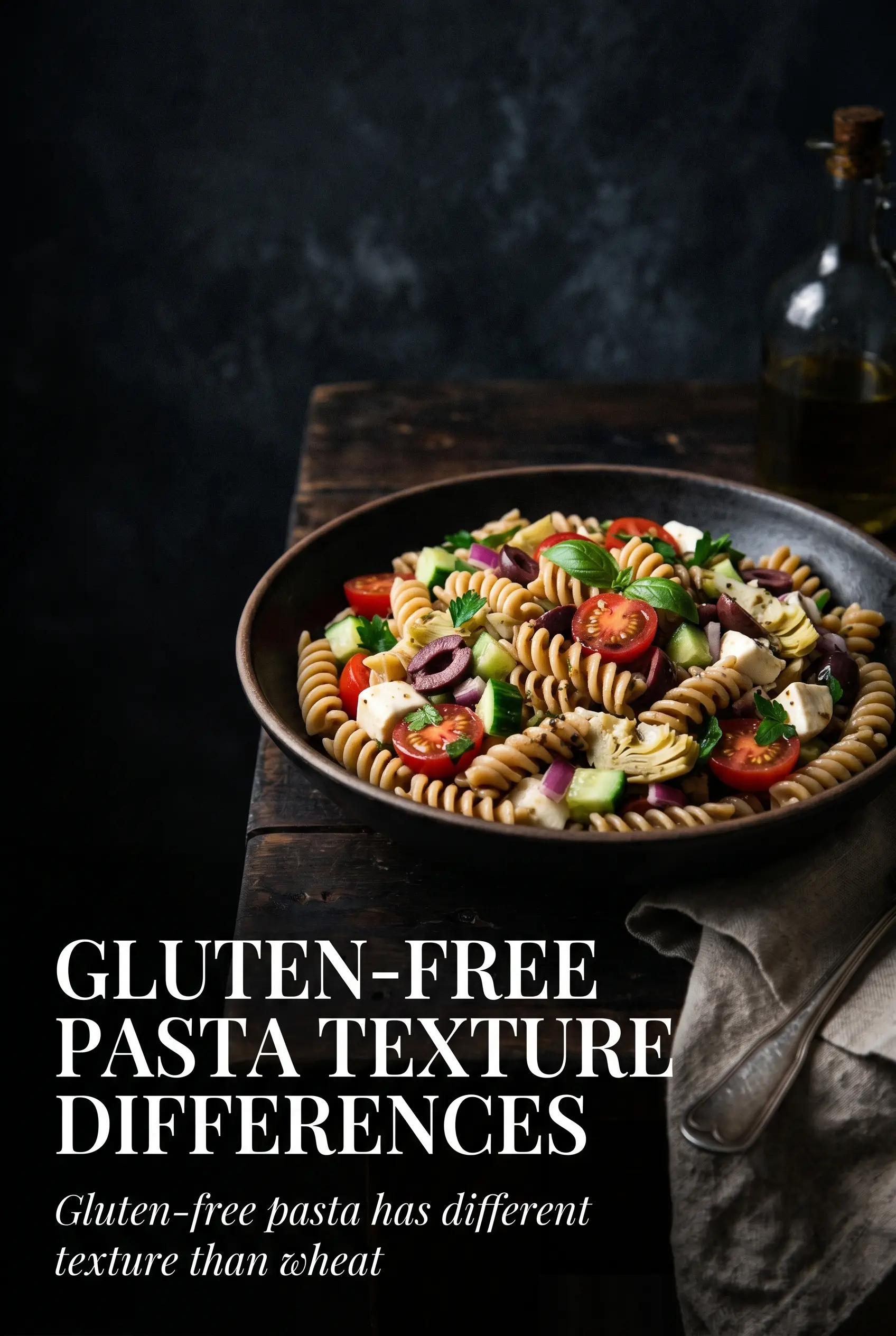
Gluten-free Italian pasta salad holds up best when the pasta stays tender without turning gummy and the dressing gets time to soak into every ridge. This version gets that balance right: salty salami, creamy mozzarella, crisp vegetables, and a bright Italian dressing that settles in after a good chill. It tastes like the bowl people keep drifting back to at a cookout because the flavors are bold, but the texture still feels fresh.
The key is choosing a gluten-free pasta that can handle a second life after cooking. Rotini and penne work well because they grab the dressing without falling apart, but they still need to be cooked just to the point of tenderness and rinsed cold right away. That rinse stops the cooking and washes off some of the surface starch that can make the salad clingy or pasty.
Below, you’ll find the trick for keeping the pasta salad lively after chilling, plus a few smart swaps for making it suit the ingredients you have on hand. The details matter here, especially if you’ve had gluten-free pasta salad turn soft, dry, or strangely heavy before.
I’ve made a lot of pasta salads, but this one stayed firm after chilling and the dressing soaked into the pasta instead of pooling at the bottom. My husband kept sneaking forkfuls straight from the fridge.
Save this gluten-free Italian pasta salad for the picnic bowl with sturdy pasta, bold dressing, and a crisp, colorful crunch.
The Part Most Gluten-Free Pasta Salads Get Wrong
Gluten-free pasta doesn’t behave like wheat pasta, and that difference matters more after the salad is dressed and chilled. The biggest failure is overcooking it. Once gluten-free pasta goes soft, it keeps softening as it sits, and the salad loses its structure fast. You want it cooked just until tender, then rinsed cold so it stops right there.
The other trap is dressing it while the pasta is still hot. Hot pasta drinks up more liquid than you want and can leave the finished salad oddly dry after chilling. Letting it cool first, then adding the dressing, gives you a bowl that stays glossy and well-seasoned instead of turning heavy and tight.
- Cooked gluten-free pasta — Choose rotini or penne with some ridges. They hold dressing better than smooth shapes, and they stand up to chilling without collapsing as quickly.
- Cold rinse — This isn’t just to cool the pasta. It removes surface starch and keeps the salad from turning sticky.
- Chill time — The two-hour rest is when the dressing settles in. If you skip it, the salad will taste underseasoned and the pasta won’t have absorbed enough flavor.
What Each Ingredient Is Actually Doing in the Bowl
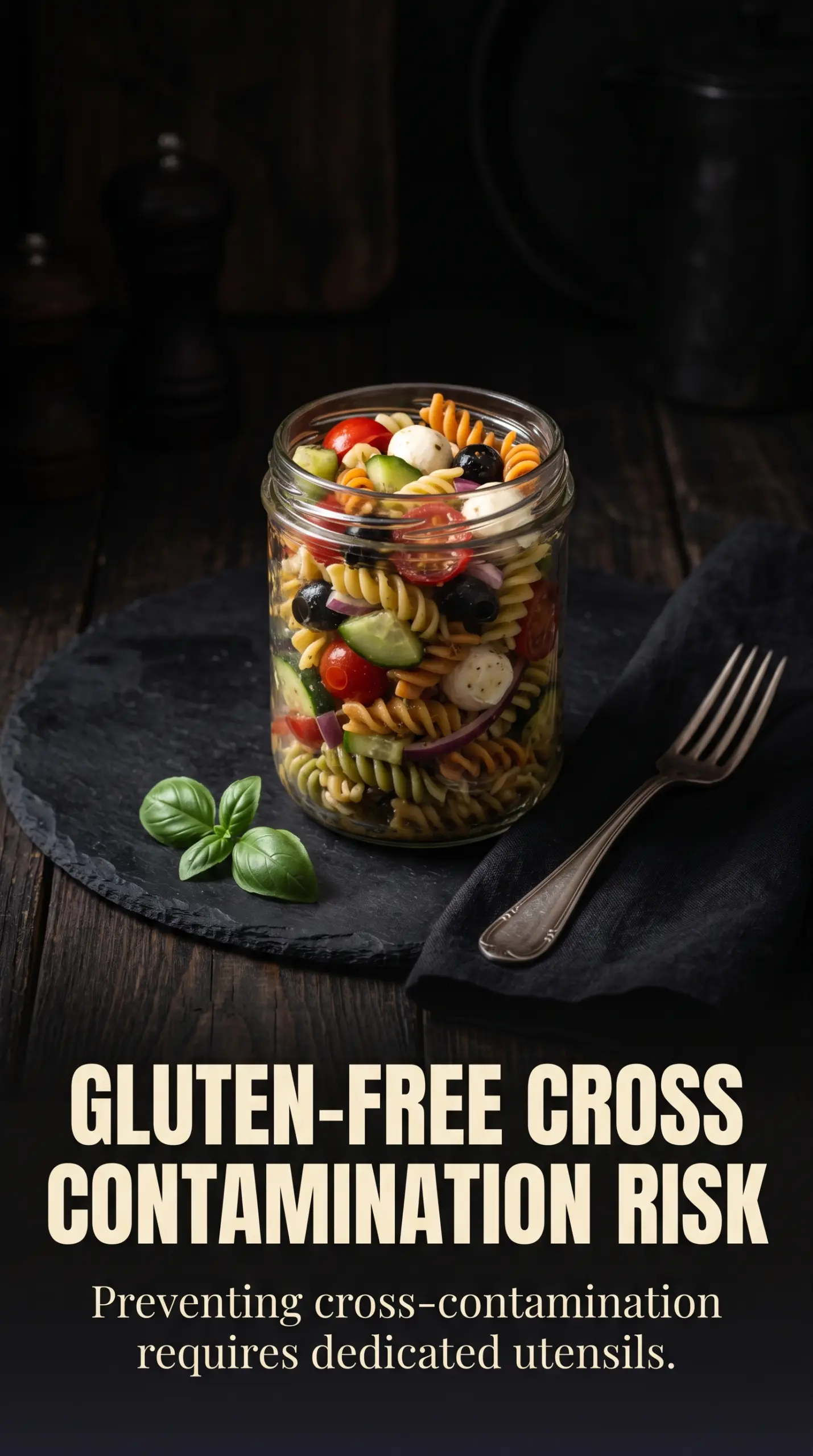
- Gluten-free pasta — This is the base, so use a brand you trust. Some GF pastas break down faster than others, and the sturdier ones are worth the extra dollar here.
- Salami — Adds salt, chew, and the savory edge that keeps the salad from tasting flat. Cubed salami gives you better bites than thin slices.
- Mozzarella — Fresh, mild, and creamy, it softens the sharper notes from the dressing and onion. Block mozzarella cubed by hand holds its shape better than pre-shredded cheese.
- Cherry tomatoes, cucumber, black olives, and red onion — These bring crunch, acidity, and contrast. Dice them small enough to spread through the salad so every forkful has a little bit of everything.
- Gluten-free Italian dressing — This is where the flavor lives, so use one you’d actually enjoy on a green salad. If your dressing is especially tangy, start with a little less and add more after chilling.
- Parmesan and Italian seasoning — Parmesan sharpens the dressing and helps it cling. The seasoning fills in the herbal notes that make the whole bowl taste finished.
Building the Salad So It Stays Fresh After Chilling
Cooking the Pasta to the Right Point
Boil the pasta according to the package, but start tasting early. Gluten-free pasta can move from firm to mushy fast, especially once it sits in dressing. Pull it when it’s tender but still has a little bite in the center, then drain it well and rinse under cold water until it no longer feels warm. If you leave it even slightly under-drained, the extra water will thin the dressing later.
Mixing the Add-ins Without Crushing Them
Use a large bowl so you can toss without smashing the cheese or tomatoes. Add the salami, mozzarella, vegetables, dressing, Parmesan, and seasoning after the pasta has cooled. Toss gently but thoroughly, scraping the bottom of the bowl so the dressing coats the pasta evenly instead of sitting in one place. If the salad looks a little loose at first, that’s fine; the pasta absorbs some dressing as it rests.
Letting the Dressing Settle In
Cover the bowl and refrigerate it for at least two hours. That resting time changes the salad from mixed to finished. The pasta picks up the seasoning, the onion softens just enough, and the dressing thickens slightly as it chills. Right before serving, toss again and add a splash more dressing if the salad looks dry. Gluten-free pasta salad almost always needs that last check because different brands soak up liquid at different rates.
How to Adjust This Pasta Salad Without Losing the Texture
Make it dairy-free
Leave out the mozzarella and Parmesan, then add a handful of extra olives or a few chopped roasted red peppers for more body. The salad still works, but it loses some of the creamy balance, so taste the dressing again before serving and add a pinch more salt if needed.
Swap the salami for a vegetarian version
Use chopped marinated artichokes or chickpeas in place of the salami. Artichokes keep the Italian-American feel and bring a briny bite; chickpeas add more substance and make the salad eat like a full lunch.
Use a different gluten-free pasta shape
Rotini gives you the best dressing grip, but penne works well too. Avoid tiny shapes that soften too quickly, and don’t use a pasta that turns chalky when cold unless you already know it holds up in salads.
Storage and Reheating
- Refrigerator: Store covered for up to 3 days. The pasta will absorb more dressing as it sits, so expect the salad to get a little less glossy by day two.
- Freezer: Don’t freeze this salad. The vegetables go watery and the mozzarella turns grainy after thawing.
- Reheating: This salad is meant to be served cold. If it seems dry after chilling, stir in a spoonful or two of Italian dressing instead of trying to warm it up.