All-Star Grilled Chicken earns its name with balanced seasoning, crisp grill marks, and juicy meat that still tastes like chicken, not just marinade. The brown sugar and lemon juice work together in a way that gives you a little caramelized edge without tipping into sticky or burnt, and the Worcestershire plus soy sauce bring enough depth that you don’t need a long ingredient list to get real flavor.
The part that matters most here is the marinade balance and the grill temperature. Too much acid for too long can make the outside of the chicken turn soft and a little chalky, while too-hot grates can char the sugar before the inside is done. This version keeps the marinade punchy but not aggressive, and the chicken gets the kind of even heat that leaves it juicy instead of dry at the edges.
Below, I’ve included the small details that make a difference, from how long to marinate based on the cut you’re using to the most reliable way to keep the chicken from sticking when it first hits the grill.
The marinade gave the chicken a deep savory flavor, and the outside picked up gorgeous grill marks without drying out. I marinated it for about 4 hours and it was perfect.
Save this all-star grilled chicken for your next cookout when you want juicy chicken with a balanced soy-lemon marinade and clean grill marks.
The Part That Keeps Grilled Chicken Juicy Instead of Dry
Grilled chicken usually goes wrong in one of two places: the marinade is too sharp, or the grill is too aggressive. This version avoids both problems by using enough oil to carry the flavor and enough sugar to encourage browning without turning the skinless pieces into a sticky mess. The soy sauce, Worcestershire, and Dijon do more than season the meat; they build a savory base that tastes deeper after the chicken rests.
Marinating for 2 to 8 hours gives the meat time to pick up flavor without changing the texture in a bad way. If you go much longer than that, especially with lemon juice in the mix, the outside can start to take on a cured texture. Medium-high heat is the sweet spot here: hot enough for color, not so hot that the outside burns before the center reaches 165°F.
What Each Marinade Ingredient Is Actually Doing
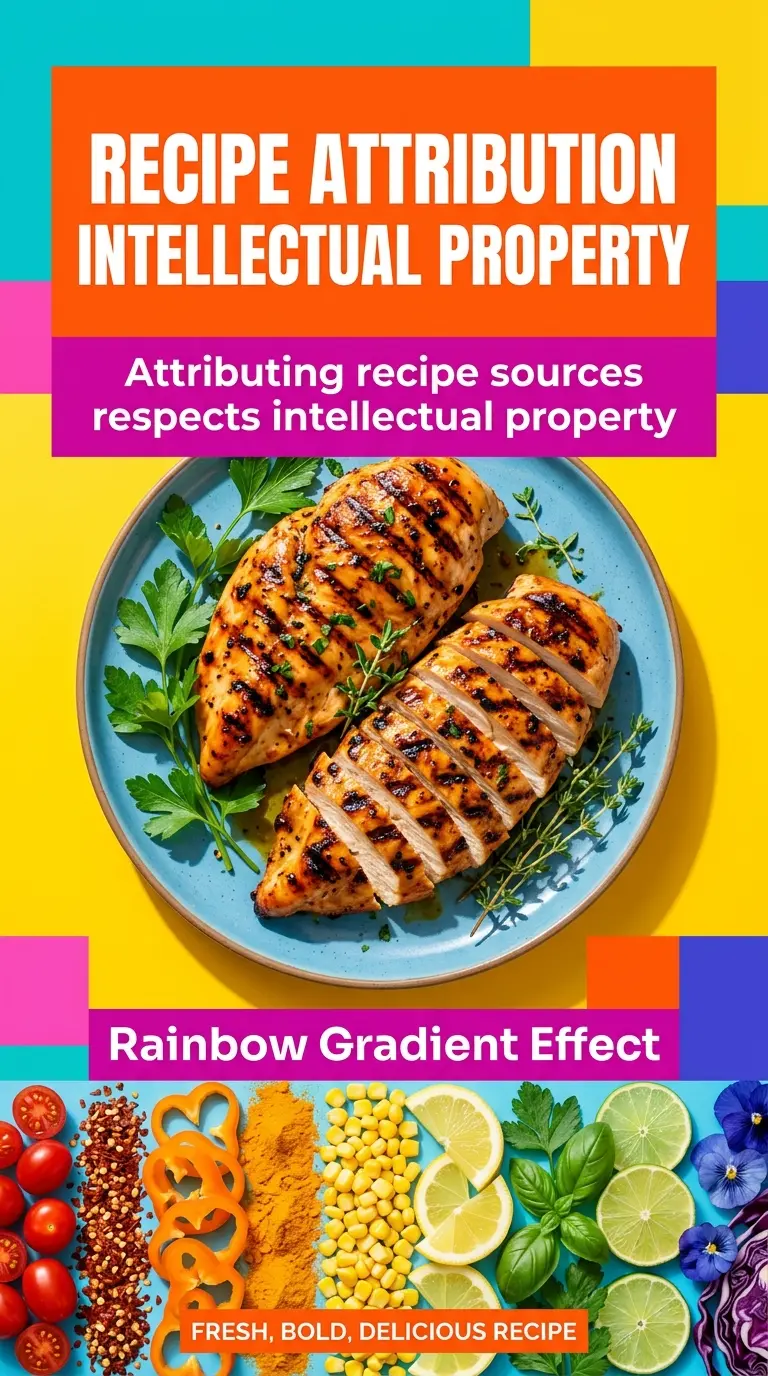
- Olive oil — This helps the marinade cling to the chicken and protects the surface from drying out over the heat. A basic olive oil is fine here; save the fancy finishing oil for the table.
- Soy sauce — This brings salt and deep savory flavor in one step. If you need a gluten-free version, use tamari and keep the amount the same.
- Lemon juice — The acid brightens everything and keeps the chicken from tasting flat. Fresh juice is best because bottled lemon juice can taste harsh in a simple marinade like this.
- Worcestershire sauce — This is the ingredient that gives the marinade that hard-to-name grilled chicken depth. There isn’t a true one-for-one substitute, but a little extra soy sauce plus a splash of balsamic can get you close in a pinch.
- Dijon mustard — Dijon helps emulsify the marinade so the oil and acid stay mixed longer, and it adds a subtle tang. Yellow mustard won’t give the same rounded flavor.
- Brown sugar — This is what helps the chicken caramelize and gives the edges a little gloss. Don’t add much more, or the sugars can scorch on the grill.
- Garlic, black pepper, and paprika — Garlic gives the marinade bite, pepper keeps the seasoning from tasting sweet, and paprika adds color and a gentle smoky note. If you want a little more smoke flavor, use smoked paprika instead of regular paprika.
Getting the Grill Marks Without Charring the Marinade
Mix the marinade until it looks unified
Whisk the olive oil, soy sauce, lemon juice, Worcestershire, Dijon, garlic, brown sugar, black pepper, and paprika until the mixture turns glossy and mostly smooth. The mustard should disappear into the liquid and the sugar should be dissolved enough that you don’t see grains stuck to the bottom. If the marinade looks separated, it hasn’t been whisked long enough, and the seasoning will coat the chicken unevenly.
Let the chicken marinate long enough for flavor, not forever
Put the chicken pieces into the marinade and refrigerate them for at least 2 hours and up to 8. Turn the pieces once or twice if you can so the thickest parts get equal contact with the marinade. If you’re using boneless pieces, stay closer to the 2 to 4 hour range because they absorb flavor faster than bone-in chicken.
Preheat the grill before the chicken goes anywhere near it
Heat the grill to medium-high and give the grates time to get hot before you start cooking. Clean grates help, but the real trick is heat: chicken is less likely to stick when it hits a properly preheated surface. If the fire is too hot, the brown sugar in the marinade will darken too fast and you’ll end up with char before the center cooks through.
Grill to temperature, not just color
Place the chicken on the grill and turn it occasionally until it reaches 165°F in the thickest part. You want deep grill marks and browned edges, but the biggest mistake is pulling it based on appearance alone. If the outside looks done before the inside is safe, move the chicken to a cooler part of the grill and finish it there instead of blasting it with more direct heat.
Rest before serving
Let the chicken rest for 5 minutes after grilling. That short pause keeps the juices from running all over the cutting board the second you slice into it. If you cut too early, even perfectly cooked chicken can seem dry because the moisture hasn’t settled back into the meat.
How to Adapt This for Different Cuts and Cookouts
Boneless chicken breasts for a faster dinner
Use boneless breasts if you want a quicker cook, but watch them closely because they dry out faster than bone-in pieces. Keep the marinade time on the shorter side, grill over medium-high heat, and pull them as soon as they hit 165°F. The result is leaner and less forgiving, but still flavorful.
Gluten-free grilled chicken
Swap the soy sauce for tamari and check your Worcestershire label for a gluten-free version. The flavor stays balanced and savory, and you won’t lose the salty backbone that makes the marinade work. This is the easiest dietary adjustment in the recipe.
A smokier backyard version
Use smoked paprika instead of regular paprika and let the chicken get a little more color over indirect heat before moving it back over the flame. That gives you a more barbecue-style result without changing the marinade itself. Don’t overdo the smoke, or it will cover up the lemon and Dijon.
Storage and Reheating
- Refrigerator: Store leftovers in an airtight container for up to 4 days. The grilled exterior softens a bit as it sits, but the flavor stays strong.
- Freezer: Grilled chicken freezes well. Cool it completely, wrap tightly, and freeze for up to 2 months.
- Reheating: Reheat gently in a covered skillet with a splash of water or broth over low heat, or warm it in a 300°F oven until just heated through. High heat is the mistake here; it tightens the meat and wipes out the juiciness you worked for.
Answers to the Questions Worth Asking

All-Star Grilled Chicken
Ingredients
Equipment
Method
- In a bowl, whisk together olive oil, soy sauce, lemon juice, Worcestershire sauce, Dijon mustard, minced garlic, brown sugar, black pepper, and paprika until the mixture looks evenly combined.
- Place chicken pieces in the refrigerator with the marinade and marinate for 2-8 hours, turning or coating well so the surface stays glossy with sauce.
- Preheat the grill to medium-high heat, watching for steady heat and visible grill shimmer when you hover your hand close.
- Grill chicken pieces with the lid closed as much as possible, turning occasionally, until the internal temperature reaches 165°F (about 25 minutes total), indicated by juices running clearer and browned grill marks.
- Transfer chicken pieces to a plate and let rest for 5 minutes before serving, so the surface relaxes and the juices redistribute.