Greek chicken kabobs hit that sweet spot between simple and memorable: juicy chicken at the center, charred edges on the outside, and vegetables that pick up just enough smoke to taste like they belonged on the grill all along. The lemon, garlic, and oregano do the heavy lifting here, and when the chicken is cut evenly and given enough time in the marinade, every skewer comes off the grates tender instead of dry.
The trick is in the balance. Olive oil carries the flavors and helps the chicken stay moist, while lemon juice brings brightness without turning the meat mealy. Dijon seems small, but it helps the marinade cling to the chicken and gives the finished kabobs a little backbone. I also like threading the vegetables in larger pieces so they can handle the grill without collapsing before the chicken is done.
Below, I’ll walk through the part that matters most: how long to marinate, how to keep the chicken from drying out, and what to do if you want to swap in different vegetables without losing that classic souvlaki feel.
I marinated the chicken for 6 hours and the kabobs came off the grill so juicy with those little charred edges. The tzatziki with the lemony chicken and sweet peppers was spot on.
Save these Greek Chicken Kabobs for the nights when you want smoky grill marks, lemony chicken, and tzatziki on the side.
The Marinade Timing That Keeps the Chicken Tender, Not Mushy
Chicken kabobs fail when the marinade is treated like a shortcut instead of a tool. Lemon juice gives these kabobs their bright Greek flavor, but it also starts changing the surface of the chicken as soon as it hits the meat. That’s good for a few hours. Push it too far and the texture turns a little chalky around the edges, which is especially noticeable once the chicken is grilled.
Four to eight hours is the sweet spot here. That’s long enough for the garlic, oregano, and lemon to season the chicken all the way through, but short enough to keep the texture juicy. If you need to marinate overnight, cut the lemon a little and add a touch more olive oil so the acid doesn’t take over.
- Even chicken pieces matter — Cut the chicken into similar-sized cubes so it cooks at the same pace on every skewer. Tiny pieces dry out before the bigger ones are done.
- Dijon helps the marinade cling — You won’t taste mustard directly, but it helps emulsify the oil and lemon so the herbs and garlic coat the chicken instead of sliding off.
- Let the vegetables stay chunky — Smaller pepper or onion pieces soften too fast and can fall apart on the grill. Bigger chunks keep their shape and give you better contrast against the chicken.
What Each Ingredient Is Actually Doing in These Kabobs
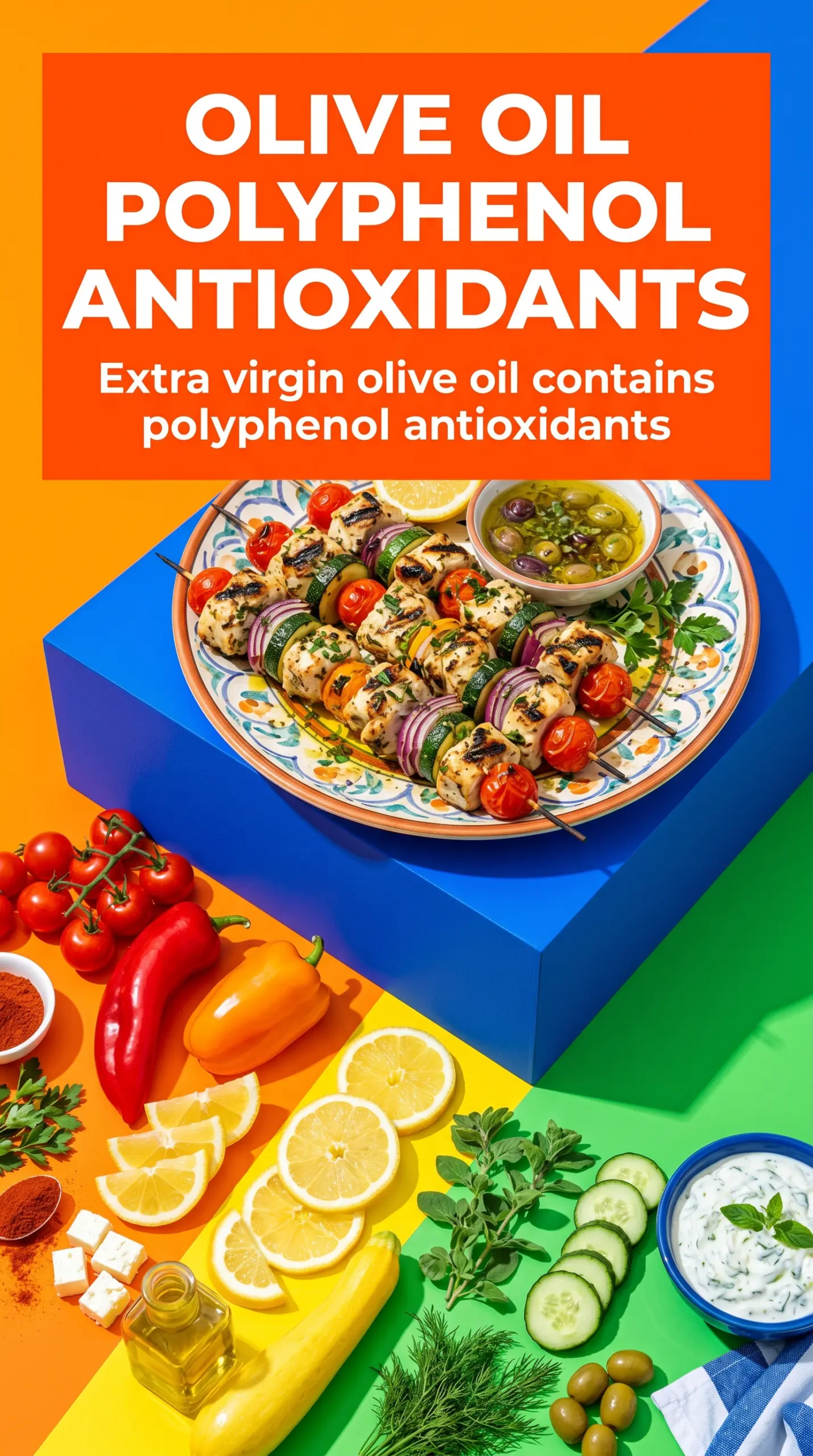
- Chicken breasts — Breasts stay lean and pick up the marinade quickly, which is why they work well here. If you want a little more forgiveness on the grill, boneless thighs are the best swap; they take a few extra minutes but stay juicier.
- Olive oil — This carries the garlic and oregano across the chicken and helps the surface brown instead of drying out. Use a decent olive oil since it’s a major flavor in the marinade, but you don’t need anything fancy.
- Lemon juice — Fresh lemon gives the kabobs that clean Greek finish. Bottled juice works in a pinch, but the flavor is flatter and less bright.
- Fresh oregano — Fresh oregano tastes greener and sharper than dried, which matters in a simple marinade like this. If you only have dried, use one tablespoon instead of two teaspoons fresh.
- Dijon mustard — This is the quiet ingredient that helps everything stick and blend. It doesn’t make the kabobs taste like mustard; it just rounds out the marinade.
- Tzatziki sauce — Cool, garlicky tzatziki is the right contrast to the warm grilled chicken. Serve it on the side so the kabobs keep their char and don’t get soggy.
Getting the Grill Marks Before the Chicken Dries Out
Whisking the Marinade
Mix the olive oil, lemon juice, garlic, oregano, Dijon, salt, and pepper until the mixture looks slightly thickened and unified, not broken into two separate layers. That little bit of body helps the chicken coat evenly. If the garlic is clumped in one corner of the bowl, the marinade won’t season evenly, so whisk until it looks glossy and speckled throughout.
Marinating the Chicken
Drop the chicken cubes into the marinade and turn them over until every side is slick with seasoning. Refrigerate for 4 to 8 hours. If the chicken sits in the marinade at room temperature, the outside gets unsafe before the center has a chance to absorb flavor, so keep it chilled the whole time.
Threading the Skewers
Slide the chicken and vegetables onto soaked wooden skewers, leaving a little space between pieces so heat can move around them. Crowding the skewer traps steam, and steamed kabobs won’t pick up the same char. Keep the vegetable pieces in step with the chicken cubes so nothing burns before the rest is cooked through.
Grilling to the Finish
Cook over medium-high heat for 5 to 6 minutes per side, turning once the undersides have deep grill marks and the chicken releases without sticking. If the meat tears when you try to turn it, it needs another minute. Pull the kabobs when the chicken is cooked through and still juicy; overcooking by even a few minutes is what turns grilled breast meat dry.
Swap the Chicken for Thighs
Boneless chicken thighs make these kabobs richer and harder to overcook. They need the same marinade and the same grill setup, but they can take an extra minute or two per side. The result is a juicier skewer with a little more flavor from the meat itself.
Make It Dairy-Free Without Changing the Character
The kabobs themselves are already dairy-free, so the only thing to watch is the serving sauce. Use a dairy-free tzatziki made with coconut or almond yogurt and plenty of cucumber, garlic, and dill. The texture will be a little looser, but the cool contrast still works.
Vegetable Swaps That Still Grill Well
Zucchini, mushrooms, and chunks of yellow squash can stand in for the peppers or onions. Cut them larger than you think, since tender vegetables shrink fast over high heat. Avoid watery vegetables like tomatoes cut too small, or they’ll burst before the chicken gets those good grill marks.
Gluten-Free Serving Ideas
The kabobs are naturally gluten-free, but pita bread is the piece that usually needs changing. Serve them with rice, roasted potatoes, or lettuce cups instead. You still get the same grilled chicken and tzatziki pairing without losing the Greek feel.
Storage and Reheating
- Refrigerator: Store cooked kabobs in an airtight container for up to 4 days. The chicken stays usable, though the vegetables soften a bit.
- Freezer: Freeze the cooked chicken and vegetables off the skewers for up to 2 months. The texture of the peppers and onions softens after thawing, so this works best if you plan to use the leftovers in bowls or wraps.
- Reheating: Warm gently in a covered skillet over low heat or in a 300°F oven until just hot. High heat dries the chicken fast, especially breast meat, so avoid blasting it in the microwave unless you’re only reheating a small portion.
Answers to the Questions Worth Asking

Greek Chicken Kabobs
Ingredients
Equipment
Method
- Whisk together olive oil, lemon juice, garlic, oregano, Dijon mustard, salt, and pepper until evenly combined.
- Transfer the marinade to a container large enough for chicken and vegetables.
- Add the cubed chicken to the marinade and refrigerate for 4-8 hours.
- Meanwhile, soak the wooden skewers so they don’t burn on the grill.
- Thread the marinated chicken and vegetables onto the skewers, alternating pieces for even cooking.
- Preheat a grill to medium-high heat and place kabobs on the grates.
- Grill for 5-6 minutes per side, turning once, until the chicken is cooked through and has grill char.
- Serve the Greek chicken kabobs with tzatziki sauce, pita bread, and lemon wedges.