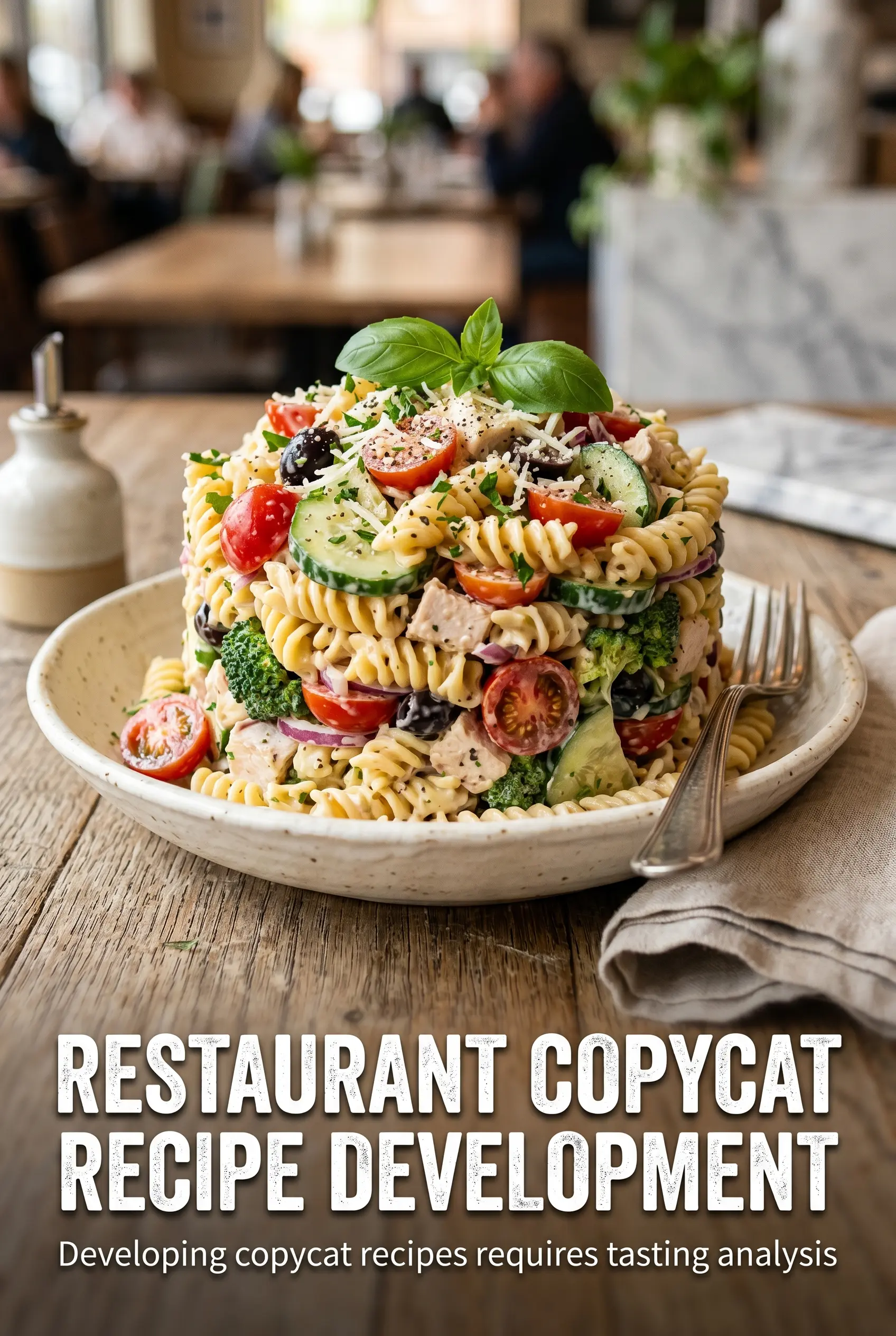
Creamy, crunchy, and just sweet-tangy enough to keep you going back for another forkful, Ruby Tuesday Pasta Salad has that old-school restaurant-salad charm that makes it disappear fast at potlucks and cookouts. The tri-color rotini catches the dressing in every curve, while the broccoli and cauliflower stay crisp-tender instead of turning soft and soggy. Bacon adds the salty finish that keeps the whole bowl from leaning too sweet.
What makes this version work is the balance: the dressing is rich from mayonnaise, but the vinegar keeps it bright, and the sugar gives it that familiar Ruby Tuesday-style sweetness without turning it dessert-like. Blanching the vegetables for just a couple of minutes matters, too. You want them tender enough to eat comfortably, but still firm enough to hold their shape after chilling in the dressing.
Below, I’ll walk through the small details that keep the salad from getting watery, plus the substitutions that still give you a good result if you need to work around what’s in the fridge.
The dressing coated everything evenly, and after chilling the pasta salad held up beautifully without getting runny. The broccoli stayed crisp, and the bacon still had enough crunch the next day.
Love this creamy Ruby Tuesday Pasta Salad? Pin it for the next potluck, barbecue, or make-ahead side dish night.
The Dressing Needs Time to Sink In, Not Just Coat the Pasta
With a pasta salad like this, the biggest mistake is serving it too soon. The mayo-based dressing tastes a little sharp right after mixing, and the sugar takes time to dissolve and mellow out. After a couple of hours in the fridge, the pasta absorbs some of that seasoning and the whole bowl tastes more cohesive instead of separated into pasta, vegetables, and dressing.
Cold rinse the pasta after cooking. That stops the cooking fast and keeps the rotini from clumping while it chills. The vegetables matter just as much: broccoli and cauliflower should be blanched briefly, then shocked in ice water so they stay bright and crisp. If you skip that step and toss in raw florets, they can taste harsh and stay awkwardly firm.
What Each Ingredient Is Actually Doing in This Salad
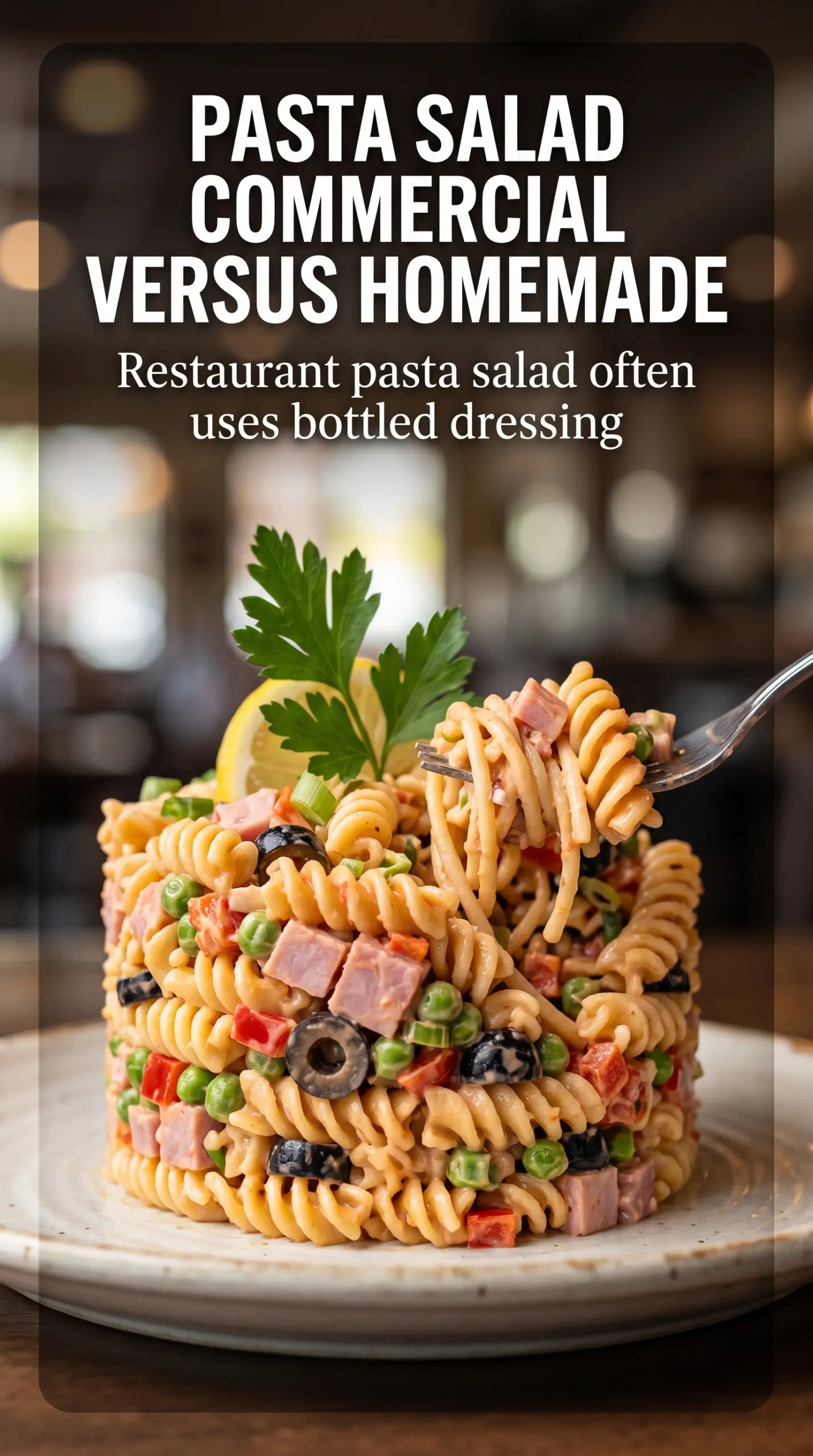
- Tri-color rotini — The spiral shape holds onto the dressing better than long pasta, and the color gives the salad that classic restaurant look. Any short pasta with ridges will work, but rotini gives the best bite and the most dressing in every forkful.
- Broccoli and cauliflower — These are the backbone of the salad’s crunch. Fresh is worth it here; frozen vegetables tend to release water as the salad sits, which makes the dressing loosen up.
- Bacon — Bacon keeps the salad from tasting flat. Cook it until crisp enough to crumble cleanly, because chewy bacon gets lost once the salad chills.
- Mayonnaise — This is what gives the salad its creamy body. Use a mayonnaise you like on its own, since the dressing doesn’t get cooked and won’t lose any off-notes.
- Red wine vinegar and sugar — These balance each other. The vinegar keeps the dressing lively, while the sugar gives it that familiar sweet finish that makes the copycat flavor read correctly.
- Parmesan — It adds a salty, nutty edge that deepens the dressing without making it cheesy in a heavy way. Finely grated Parmesan blends best and keeps the dressing smooth.
- Red onion — It gives a sharp bite that cuts through the creamy dressing. Dice it small so it blends in instead of overwhelming each forkful.
Building the Salad So It Stays Creamy, Not Watery
Cooking the Pasta for a Salad, Not a Hot Dinner
Boil the rotini until just tender, then drain it and rinse it under cold water right away. That rinse does two jobs: it stops the cooking and washes off surface starch so the pasta doesn’t glue itself together in the fridge. Drain it well after rinsing, because excess water is one of the main reasons creamy pasta salads get loose and diluted later.
Blanching the Vegetables the Right Amount
Drop the broccoli and cauliflower into boiling water for about 2 minutes, then move them straight into ice water. They should come out bright, still crisp, and a little firm at the stem. If they go too long, they’ll turn soft and release water into the dressing; if they’re too raw, they’ll taste harsh against the creamy sauce.
Mixing the Dressing Before It Touches the Pasta
Whisk the mayonnaise, sugar, vinegar, Parmesan, salt, and pepper until it looks smooth and glossy. The sugar needs to dissolve as much as it can before it meets the cold ingredients, or you can end up with little gritty pockets. Taste it before adding the salad components; it should be slightly stronger and sweeter than you want the finished dish to be, because the pasta and vegetables will pull it back.
Letting the Bowl Rest in the Fridge
Once everything is tossed together, cover the bowl and chill it for at least 2 hours. That resting time is when the flavors settle and the dressing clings instead of sitting on the surface. If the salad seems a little tight after chilling, stir it once before serving and add a spoonful of mayonnaise if needed to loosen it back up.
How to Adapt This Copycat Salad for Different Tables
Make It Gluten-Free Without Losing the Texture
Swap in a sturdy gluten-free rotini and cook it just to tender, then rinse it thoroughly and cool it completely before mixing. Gluten-free pasta can soften faster after chilling, so undercooking by a minute or so helps it hold its shape in the dressing.
Skip the Bacon and Add a Vegetarian-Savory Note
Leave out the bacon and add a little extra Parmesan or a pinch of smoked paprika for depth. You won’t get the same salty crunch, but you’ll keep the creamy-sweet balance that makes this salad work.
Cut the Sweetness Back a Little
If you like a less sweet dressing, reduce the sugar by 1 to 2 tablespoons and add the vinegar a teaspoon at a time until it tastes balanced. The salad will still read as the same copycat style, just with a sharper, less nostalgic finish.
Storage and Reheating
- Refrigerator: Keep covered for up to 3 days. The pasta will soften slightly and the dressing may thicken as it chills.
- Freezer: Don’t freeze it. The mayonnaise dressing separates and the vegetables turn mushy after thawing.
- Reheating: This salad is served cold, not reheated. If it’s been in the fridge a while, let it sit out for 10 to 15 minutes and stir in a spoonful of mayonnaise if the dressing looks tight.