Blackstone fries come off the griddle with a crisp shell, tender middle, and those browned edges that taste like they were cooked with a little extra care. The butter and oil combination gives you the kind of fry that lands somewhere between diner-style and backyard-cookout good, with a seasoning blend that clings instead of sliding off onto the tray.
The trick is giving the potatoes a short soak, then drying them all the way before they hit the hot griddle. That keeps the fries from steaming in their own moisture, which is the fastest way to end up with limp, pale potatoes. Cooking them in a single layer and leaving them alone for the first stretch lets the surface set before you flip, so you get real browning instead of torn-up sticks.
Below, I’ve laid out the parts that matter most: how to get the fries dry enough, why the butter goes in with the oil, and the small timing details that make the difference between crisp fries and soft ones.
I was shocked at how crisp these got on the Blackstone. The soak and dry step made a huge difference, and the fries held their crunch even after we piled on seasoning and ketchup.
Love the crispy edges and smoky seasoning on these Blackstone fries? Save this one for the next burger night or backyard cookout.
The Reason These Fries Crisp Instead of Steam
Most griddle fries fail for one of two reasons: the potatoes still hold too much surface moisture, or the pan is crowded before the cut sides have a chance to set. On a Blackstone, that moisture has nowhere to go fast enough, so you end up with soft fries that look cooked but never get that shattering edge. The soak pulls out some starch, but the real win is drying the potatoes completely before they touch the griddle.
Medium-high heat matters here. Too low and the fries soak up fat before they brown; too high and the outside darkens before the center gets tender. A single layer gives each fry direct contact with the hot surface, which is where the browning happens. If you pile them on, they start to steam each other and you lose the crunch you worked for.
What the Oil, Butter, and Potatoes Each Need to Do
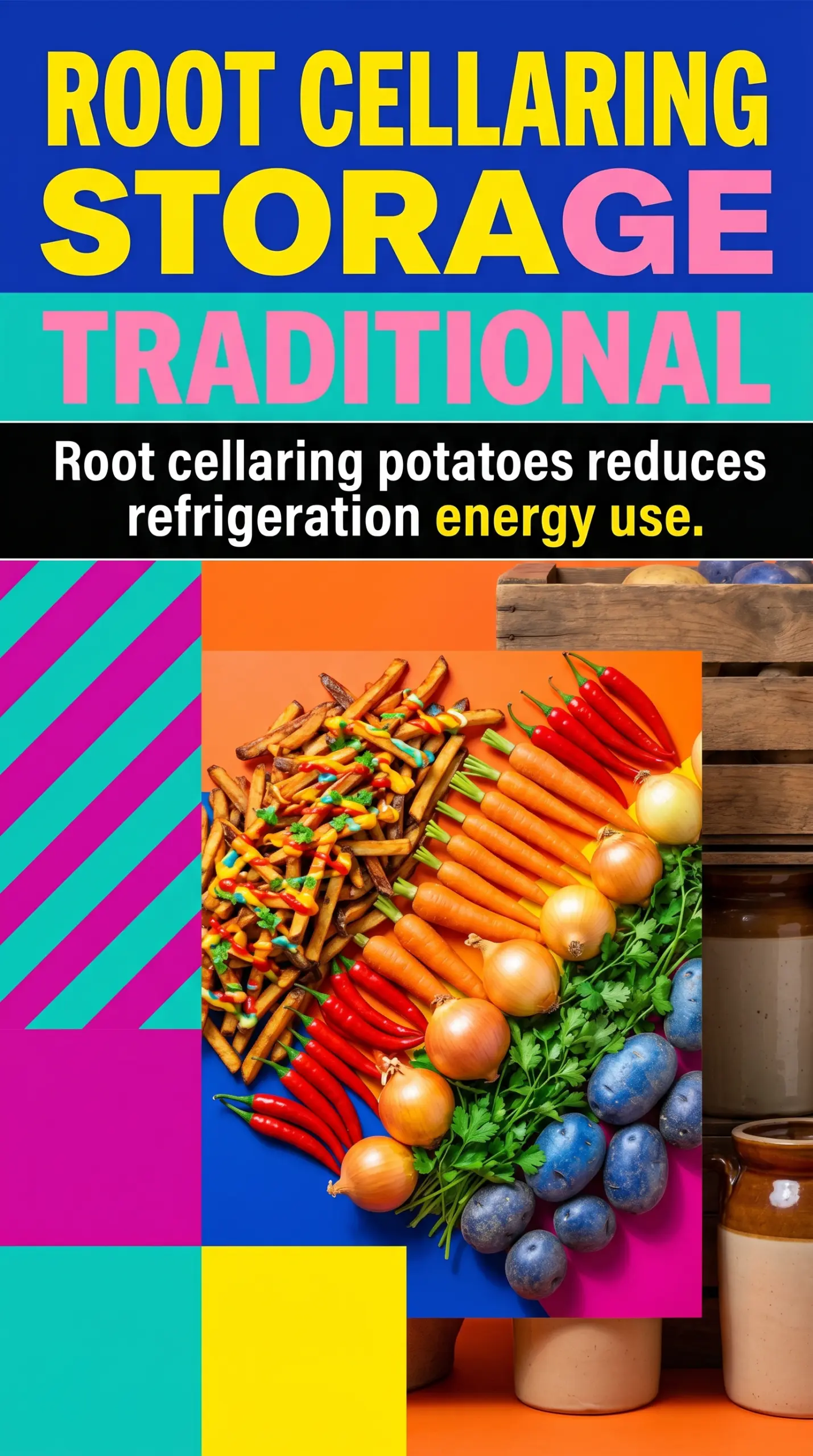
- Russet potatoes — These are the right choice because they’re starchy and dry out into a fluffy center with a crisp shell. Yukon Golds work in a pinch, but they stay a little waxier and won’t give you the same fry-shop texture.
- Vegetable oil — This gives you the heat tolerance you need for a hot griddle. Use a neutral oil with a high smoke point; olive oil is not the move here because it can scorch before the fries finish browning.
- Butter — Butter adds flavor and helps the seasoning cling, but it can burn on its own. That’s why it’s paired with oil. If you want to keep the fries more crisp and less rich, cut the butter back slightly, but don’t skip it entirely if you want that classic griddle taste.
- Garlic powder, paprika, and onion powder — This blend sticks best when it hits the fries right after cooking. If you season too early, the spices can scorch on the griddle and turn bitter. Paprika brings color and a little warmth, while garlic and onion powder give the fries that seasoned, savory finish.
- Fresh parsley — It’s not there for decoration. A small handful wakes up the fries and keeps the butter from feeling heavy. Chop it finely so it sticks to the hot fries instead of falling into the tray.
The Part of the Griddle That Makes the Fries Crisp
Getting the Potatoes Ready
Cut the potatoes into even 1/4-inch fries so they cook at the same speed. After the short soak, dry them thoroughly with towels until the surface feels almost rough, not damp. If they go onto the griddle wet, the water has to cook off before browning starts, and that delays the crisping. This is the step people rush most often, and it shows in the final texture.
Building Heat and Fat on the Griddle
Heat the Blackstone to medium-high, then add the oil and butter together. You want the butter melted and moving, not smoking hard or turning brown before the potatoes go down. The fries should sizzle as soon as they touch the surface. If nothing happens right away, the griddle is too cool and the fries will absorb fat instead of searing.
Leaving the Fries Alone Long Enough
Spread the fries in a single layer and let them cook for 8 to 10 minutes without moving them. That stillness is what helps the first side set and turn golden. If you start flipping too early, the potatoes stick and break apart before they’ve formed a crust. Once the edges look browned and the bottoms release more easily, flip and cook the second side until the fries are crisp all over.
Seasoning at the Finish
Season immediately after the fries come off the griddle, while the surface is still hot and lightly coated in fat. That’s when the garlic powder, paprika, onion powder, salt, and pepper stick best. Finish with parsley and serve right away with ketchup or another dip. These fries are at their best hot off the grill, when the outside is crisp and the centers still feel soft.
How to Adapt These Fries for Different Crowds
Dairy-Free Fries With the Same Crisp Edge
Skip the butter and use the full amount of oil, or swap in a dairy-free butter substitute that can handle high heat. You’ll lose a little of the buttery finish, but the fries still crisp up well as long as the griddle is hot and the potatoes are dry.
Extra-Seasoned Fries for Burger Night
Add a pinch of cayenne or smoked paprika to the seasoning mix if you want more heat and a little more depth. This keeps the same texture but pushes the fries closer to steakhouse-style seasoning, which works well when you’re serving them with burgers or grilled chicken.
Lighter Fries With Less Fat
Use a little less butter and oil, but don’t strip the pan dry. Fries need enough fat to crisp evenly and keep from sticking to the griddle. The flavor will be cleaner and less rich, but the texture stays good if you keep the heat steady and avoid overcrowding.
Storage and Reheating
- Refrigerator: Store leftovers in an airtight container for up to 3 days. The fries lose some crunch in the fridge, but they still reheat well.
- Freezer: These can be frozen, but the texture won’t be as good as fresh. Freeze in a single layer first, then transfer to a bag so they don’t clump together.
- Reheating: Reheat on the Blackstone, in a hot skillet, or in an air fryer until the outside crisps back up. The mistake to avoid is microwaving them, which softens the fries and makes the seasoning taste flat.
Answers to the Questions Worth Asking
Blackstone Fries
Ingredients
Equipment
Method
- Cut the russet potatoes into 1/4-inch thick fries, then soak them in cold water for 10 minutes. You should see the fries loosen slightly in the water as starch releases.
- Pat the soaked fries completely dry with a towel before cooking. Dry fries help them steam less on the griddle and crisp faster.
- Heat the griddle to medium-high and add the vegetable oil and butter. Wait until the butter is melted and the oil looks glossy and ready.
- Spread the fries in a single layer and cook for 8-10 minutes without moving. Look for steam rising from the fries and the edges starting to turn golden.
- Flip the fries and cook another 8-10 minutes until golden and crispy on all sides. Use the color shift to judge doneness and aim for even browning.
- Season immediately with garlic powder, paprika, onion powder, salt, and pepper. The fries should look freshly dusted as the seasoning sticks while they’re hot.
- Garnish with fresh parsley and serve with ketchup and other dipping sauces. Finish with visible flecks of parsley and a basket-ready pile for extra steam at the table.