Autumn pearl couscous salad lands in that sweet spot between hearty and fresh. The couscous stays pleasantly chewy, the roasted butternut squash brings caramelized edges, and the goat cheese melts into little creamy pockets against the tart cranberries and peppery greens. It eats like a side dish with enough backbone to hold its own on the table.
What makes this version work is the balance of textures. Pearl couscous gives you a sturdy base that doesn’t collapse under the dressing, while the squash is roasted until the edges color before it gets folded in. That matters, because under-roasted squash turns soft and bland next to the sharper ingredients. The maple balsamic dressing is simple, but the Dijon helps it stay emulsified long enough to coat everything evenly instead of pooling at the bottom of the bowl.
Below you’ll find a few small details that make the salad hold together better, plus the substitutions I reach for when I need to swap nuts, greens, or cheese without losing the feel of the dish.
The squash caramelized beautifully and the dressing clung to every pearl of couscous instead of watering down the greens. I made it a few hours ahead and it still tasted fresh after dinner.
Save this autumn pearl couscous salad for a side that brings roasted squash, tart cranberries, and maple balsamic dressing together in one bowl.
The Part That Keeps Couscous From Going Mushy
The biggest mistake with pearl couscous salad is assembling it while the couscous is still hot. Warm couscous softens the greens and dulls the sharp edges of the dressing, which turns the whole bowl a little heavy and limp. Let it cool to room temperature before you mix anything in. That one pause keeps the grains separate and gives the salad its best texture.
Roasting the squash until the cut sides brown is just as important. Pale squash tastes sweet but flat; properly roasted squash brings a deeper, almost nutty note that holds up next to the cranberries and goat cheese. You also want the pecans toasted, not just chopped. That extra minute or two in a dry pan wakes up their flavor and keeps them from tasting dusty in the finished salad.
What Each Ingredient Is Actually Doing In This Salad
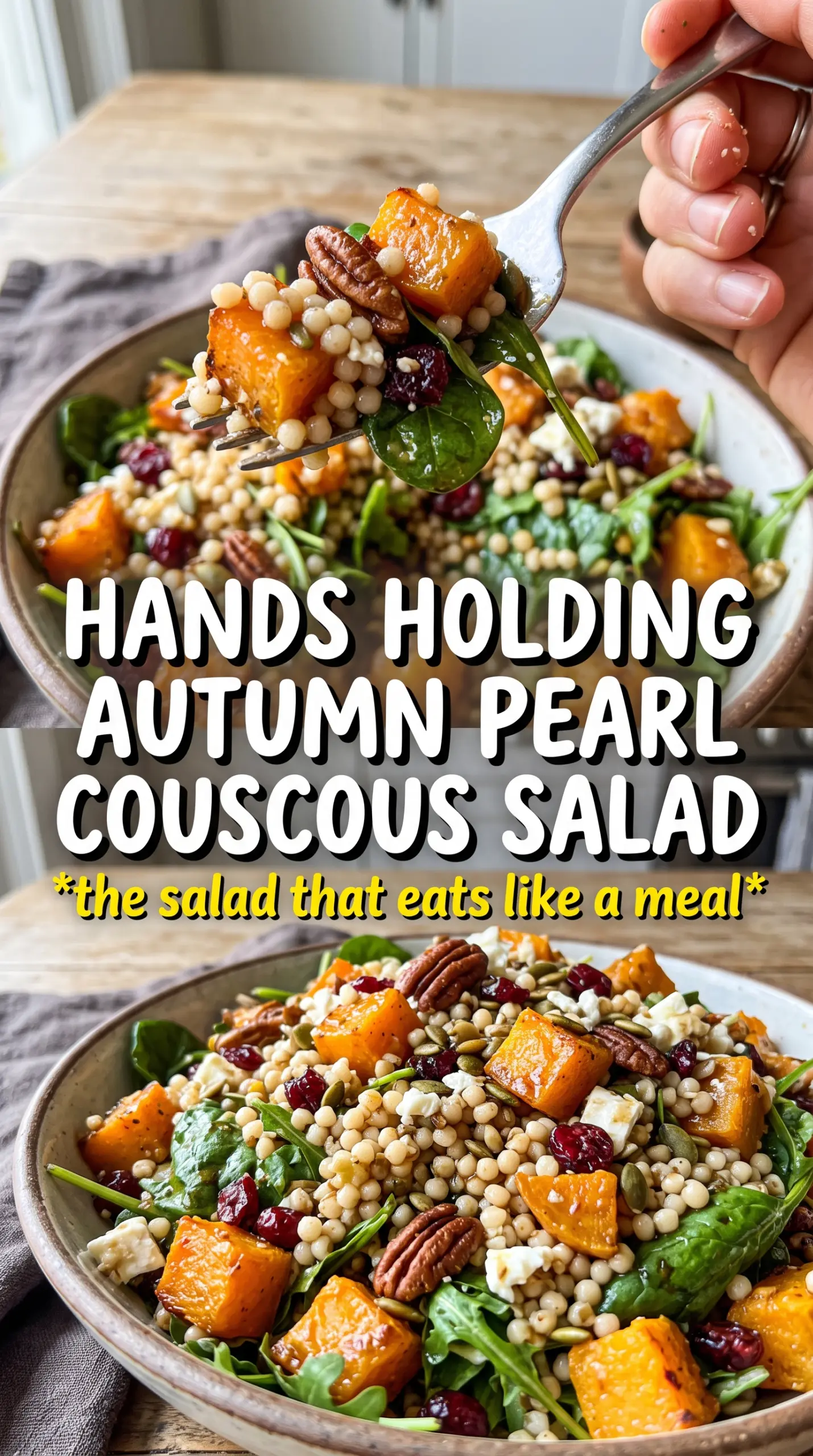
- Pearl couscous — This is the backbone of the salad. It has enough chew to stay interesting after dressing, which regular couscous can’t match. Cook it until just tender, then spread it out so steam escapes and it doesn’t clump.
- Butternut squash — Roasting at a high heat draws out sweetness and gives you edges that hold their shape in the bowl. Pre-cubed squash works fine if the pieces are even, but uneven chunks cook at different rates and some will collapse before others brown.
- Arugula or mixed greens — Arugula adds a peppery bite that keeps the salad from leaning too sweet. Mixed greens are softer and a little milder, so they work when you want the couscous and squash to lead. If your greens look delicate, fold them in at the very end.
- Dried cranberries, pecans, and pumpkin seeds — These bring the sweet-sour crunch that makes each bite feel complete. Toast the pecans and pumpkin seeds if you can; the flavor is warmer and the crunch stays sharper. If you need a swap, toasted walnuts or pepitas work cleanly here.
- Goat cheese — Goat cheese adds tang and creaminess that the dressing alone can’t provide. Crumble it over the top instead of stirring it hard through the bowl, or it will disappear into the grains. Feta works if that’s what you have, but it reads saltier and less creamy.
- Maple balsamic dressing — The Dijon isn’t there for flavor alone; it helps the oil and vinegar stay together long enough to coat the salad evenly. If the dressing separates, whisk it again right before tossing. Good balsamic matters here because it’s the main acid, while the maple syrup just rounds the edges.
Building the Bowl So Every Bite Stays Balanced
Cooling the Couscous First
Cook the couscous until tender, then drain it well and let it sit until it loses its heat. If you rush this, the salad turns soft and the dressing gets absorbed too fast. Spread it on a tray or wide bowl if you want it to cool quickly and stay fluffy.
Roasting the Squash Until It Browns
Toss the squash with olive oil, salt, and pepper, then roast it at 425°F until the edges darken and the centers are just tender. You’re looking for caramelized spots, not a steamed surface. If the pan is crowded, the squash will steam instead of roast, so use two pans if needed.
Whisking a Dressing That Stays Together
Whisk the olive oil, balsamic, maple syrup, Dijon, salt, and pepper until the dressing looks slightly thick and glossy. The Dijon helps hold the emulsion, but it still needs an aggressive whisk. If it breaks while sitting, that’s normal — just whisk again before you pour it over the salad.
Finishing Without Crushing the Greens
Combine the couscous, squash, greens, cranberries, and pecans in a large bowl, then drizzle on the dressing and toss gently. Add the goat cheese and pumpkin seeds last so they stay visible and don’t get smudged into the grains. Use a wide spoon or your hands if you want the greens to stay perky instead of bruised.
How to Adapt This for Different Tables
Make It Dairy-Free
Skip the goat cheese and add extra pumpkin seeds or a handful of chopped avocado right before serving. You lose the tangy creaminess, so add a little more Dijon or an extra splash of balsamic to keep the dressing lively.
Make It Gluten-Free
Pearl couscous is wheat-based, so swap in cooked quinoa or brown rice if you need a gluten-free version. Quinoa gives you a lighter, fluffier salad; brown rice makes it more substantial and a little earthier.
Use What You Have for the Crunch
Pecans and pumpkin seeds both work because they bring toastiness without taking over. Walnuts, sliced almonds, or sunflower seeds can step in, but keep the pieces large enough to stay noticeable in the bowl. If the nuts are raw, toast them first or the salad will taste flatter.
Storage and Reheating
- Refrigerator: Store for up to 3 days. The greens will soften a bit, but the flavors hold up well.
- Freezer: This salad doesn’t freeze well. The greens, cheese, and roasted squash all lose their texture after thawing.
- Reheating: Eat it cold or let it sit at room temperature for 15 to 20 minutes. If you want the couscous and squash warm, reheat only that portion gently, then add the greens, cheese, and dressing after. Microwaving the whole salad will wilt the greens and make the goat cheese greasy.
Answers to the Questions Worth Asking
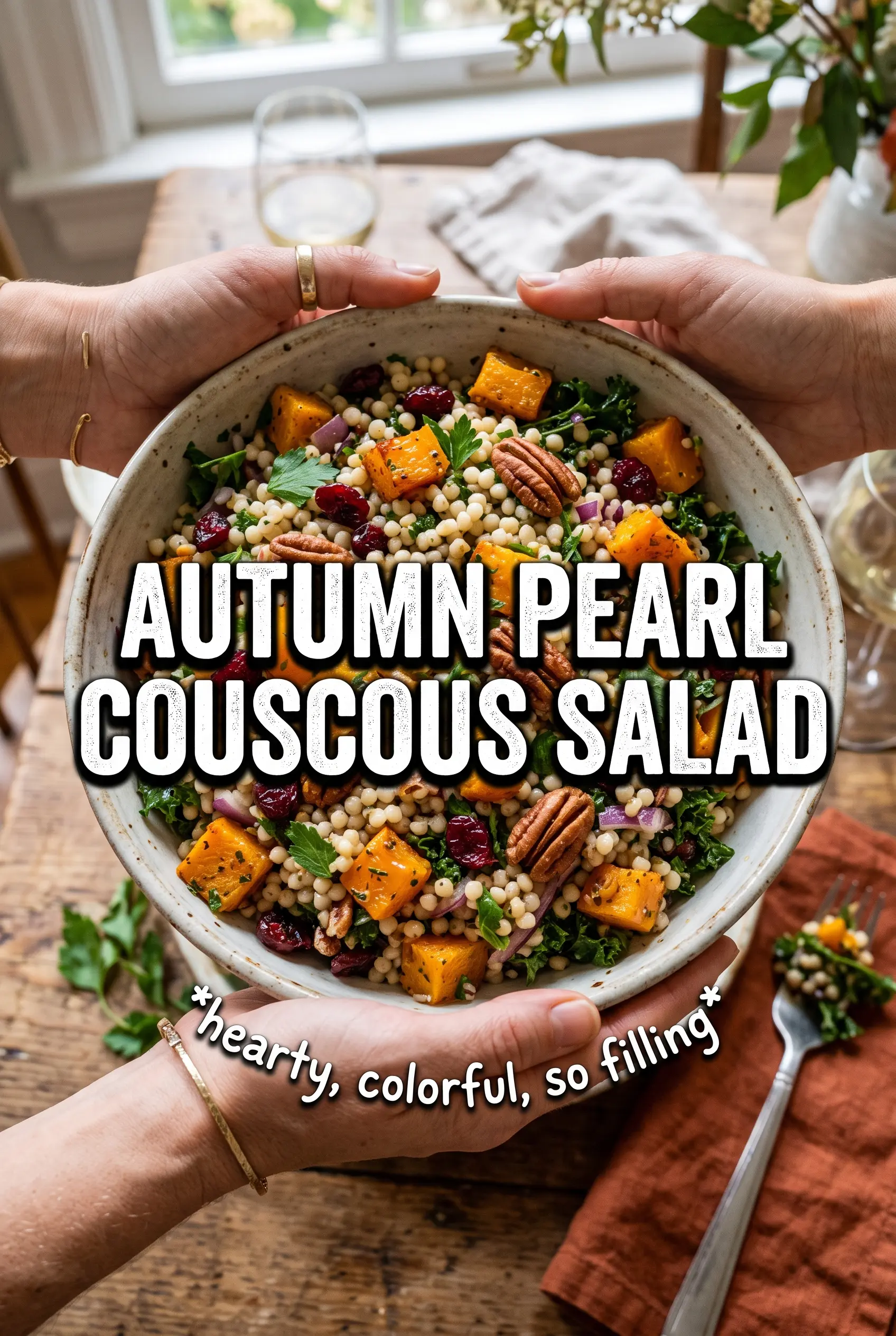
Autumn Pearl Couscous Salad
Ingredients
Equipment
Method
- Cook the pearl couscous according to package directions, then cool to room temperature before mixing.
- Roast the cubed butternut squash at 425F with olive oil, salt, and pepper on a sheet pan until golden, about 25 minutes, then cool slightly.
- Whisk the olive oil, balsamic vinegar, maple syrup, Dijon, salt, and pepper until emulsified.
- Combine the cooled couscous, roasted butternut squash, arugula or mixed greens, dried cranberries, and pecans in a large bowl.
- Drizzle the dressing over the salad and toss gently to coat.
- Top with the crumbled goat cheese and toasted pumpkin seeds right before serving.