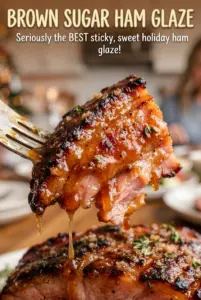
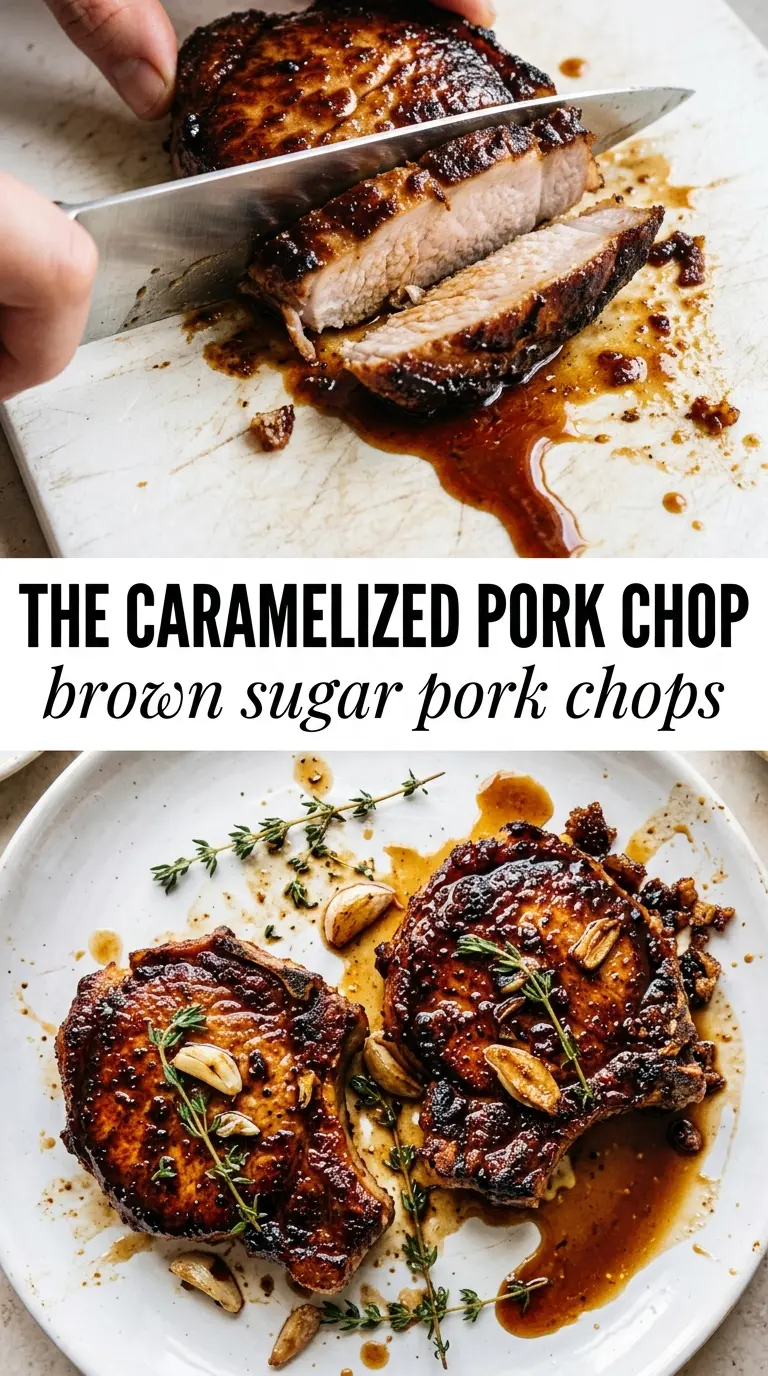
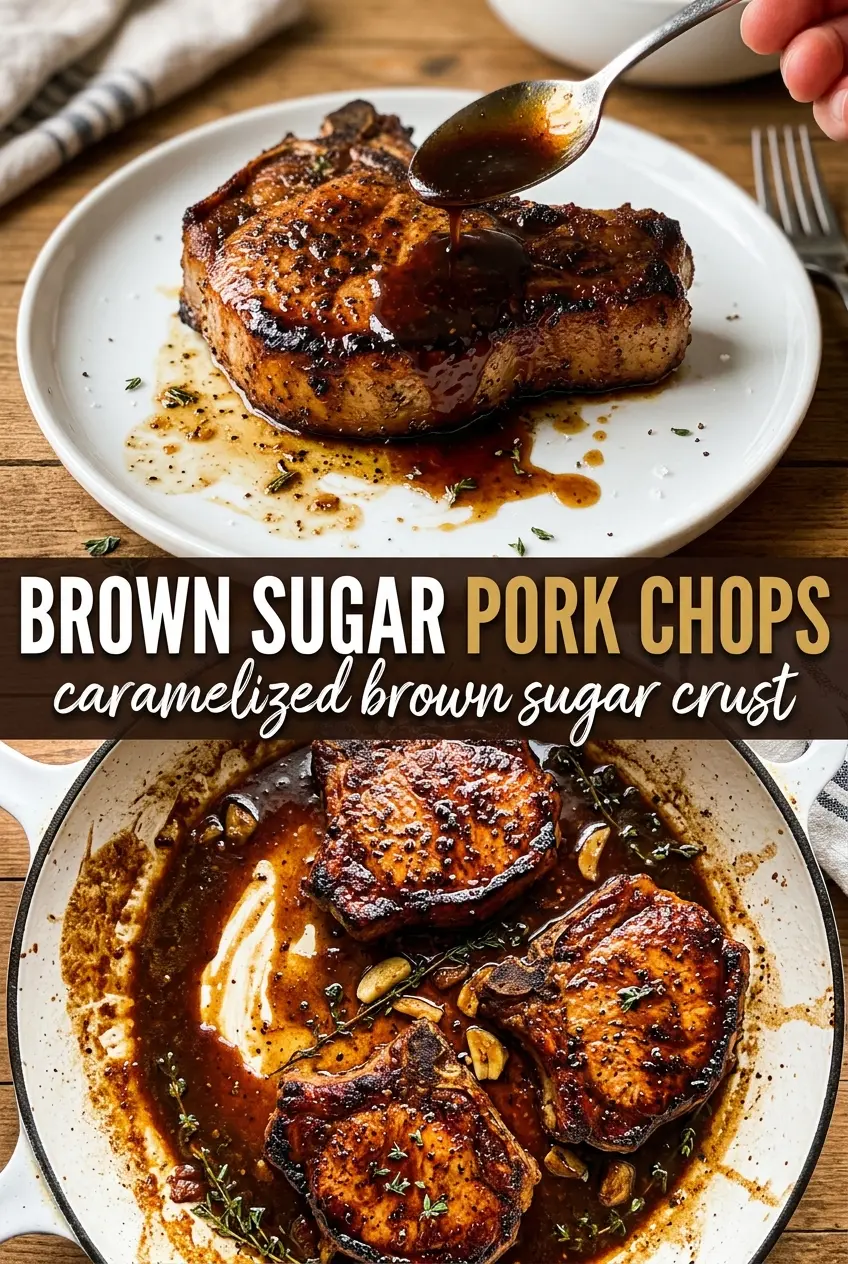
Brown sugar pork chops hit that sweet spot between weeknight easy and skillet-level dramatic. The outside turns into a crackly, caramelized crust that clings to the meat, while the center stays juicy if you pull the chops at the right moment. That contrast is the whole game here: sticky edges, tender middle, and a pan sauce that tastes like it took a lot more effort than it did.
What makes this version work is the dry surface on the pork and the short ingredient list in the rub. Brown sugar alone would burn before the chops cook through, but mixed with smoked paprika, garlic powder, and a little cayenne, it browns into a deep, savory crust instead of turning bitter. A hot skillet does the heavy lifting, and the butter added near the end helps the spices bloom without scorching.
Below, I’ll walk through the part that matters most: how to get that caramelized coating without losing the juicy center. There’s also a quick note on swapping the chop thickness and a few ways to adjust the heat if you want these a little milder.
The sugar crust browned up fast and stayed on the pork instead of sliding off in the pan. I was worried it would be too sweet, but the paprika and lemon balanced it out perfectly.
Save these brown sugar pork chops for the nights when you want a sticky caramelized crust and a 15-minute skillet dinner.
The Part That Keeps the Sugar From Burning Before the Pork Cooks Through
Brown sugar can go from glossy to bitter in a hurry, and pork chops are one of the easiest cuts to overdo if the heat is too aggressive. The fix is a hot skillet, not a screaming one, plus chops that are dry enough to take on the rub instead of steaming under it. That dry surface is what gives you the crust.
The other thing that matters is thickness. A 1-inch boneless chop gives you enough time for the sugar to caramelize on the outside without drying out the center. Thin chops cook too fast and leave you with a dark crust that tastes great for about two bites before the meat turns chalky.
- Boneless pork chops — I tested these with 1-inch chops, and that thickness gives the best balance of caramelization and juiciness. Thinner chops need less searing time, or the sugar coating can burn before the center reaches temperature.
- Brown sugar — This is what creates the sticky crust. Pack it lightly into the rub so it coats the meat evenly, but don’t pile it on in a thick layer or it can melt off and scorch in the pan.
- Smoked paprika — This keeps the sweetness from tasting flat. Regular paprika works in a pinch, but smoked paprika adds the deeper, savory edge that makes the crust taste more finished.
- Cayenne — The heat is subtle here, not fiery. If you want a milder chop, cut it in half; if you like a sharper finish, keep it as written so the sweetness doesn’t dominate.
What Each Ingredient Is Actually Doing in This Recipe
- Primary ingredient (the star) — Quality matters most. Choose the best you can find.
- Cooking medium (oil, butter, or broth) — This carries flavors and prevents dryness.
- Seasonings (salt, pepper, spices, herbs) — Layer flavors so nothing overpowers. Build depth gradually.
- Aromatics (garlic, onion, herbs) — Cook with fat to bloom flavors. Become the foundation.
- Supporting ingredients — Complement the main ingredient without overpowering it.
- Sauce or liquid (if applicable) — Brings flavors together. Balance richness with acid.
- Acid (lemon, vinegar, wine, or other) — Brightens and prevents flat-tasting results.
- Final finish (garnish, glaze, or sauce) — Prevents one-dimensional taste and adds visual appeal.
Building the Crust Without Losing the Juicy Center
Mixing the Rub
Stir the brown sugar, garlic powder, smoked paprika, cayenne, salt, and black pepper together first so the seasoning spreads evenly instead of clumping in one spot. Coat both sides of the pork chops and press the mixture on with your hands. If the chops are damp, the rub will slide around and the sugar won’t adhere cleanly, so pat them dry before you start.
Getting the First Side Caramelized
Heat the oil in a skillet over medium-high until it shimmers, then lay the chops in and leave them alone for the full 4 minutes. Don’t move them around; that contact time is what builds the crust. If you try to peek and flip too early, the sugar sticks to the pan instead of staying on the meat.
Finishing With Butter and Temperature
Add the butter after the first side is deeply browned, then flip and baste the chops as they finish cooking. The butter picks up the browned bits in the pan and turns them into a quick glaze. Pull the chops when the thickest part reaches 145°F, then rest them for 3 minutes so the juices settle back into the meat instead of running onto the cutting board.
Three Smart Ways to Adjust These Pork Chops
Make them milder without losing the crust
Cut the cayenne to 1/4 teaspoon or leave it out entirely. The chops will still brown beautifully because the sugar does the caramelizing, and the paprika keeps the rub savory instead of one-note sweet.
Use bone-in chops
Bone-in chops work fine, but they usually need a few extra minutes in the pan. Keep the heat steady and check the temperature at the thickest part near the bone, since that area cooks a little slower than the center of a boneless chop.
Make it dairy-free
Skip the butter and finish with a little extra olive oil in the pan. You’ll lose a touch of richness, but the crust still forms, and the pan juices will stay glossy enough to drizzle over the top.
Add a brighter finish
The lemon wedges aren’t decorative. A squeeze over the finished chops cuts through the sugar and sharpens the browned spices, which makes the whole dish taste less heavy.
Storage and Reheating
- Refrigerator: Store leftovers for up to 3 days. The crust softens as it sits, but the flavor stays good.
- Freezer: These freeze better than you might expect, though the sugar coating won’t stay crisp. Wrap tightly and freeze for up to 2 months.
- Reheating: Warm gently in a skillet over low heat with a splash of water or broth and cover just until heated through. High heat will dry out the pork and burn the sugar again before the center warms.
Questions I Get Asked About This Recipe
Brown Sugar Pork Chops
Ingredients
Equipment
Method
- In a mixing bowl, combine brown sugar, garlic powder, smoked paprika, cayenne, salt, and black pepper until evenly blended and looks like a dry spice rub.
- Pat the pork chops dry, then coat both sides thoroughly with the brown sugar rub so the surface looks fully covered.
- Heat the olive oil in a skillet over medium-high heat until shimmering, then lay the pork chops in the pan and sear for 4 minutes without touching until caramelized.
- Flip the pork chops carefully and cook until browned on the second side, using the crust as a guide for doneness.
- Add the butter and cook for 3–4 minutes, basting with the caramelized pan sauce, until the internal temperature reaches 145°F.
- Remove the pork chops to a plate and rest for 3 minutes so the juices redistribute; the sugar crust may crackle slightly.
- Serve with lemon wedges and drizzle any pan sauce over the top for a sticky-sweet finish.