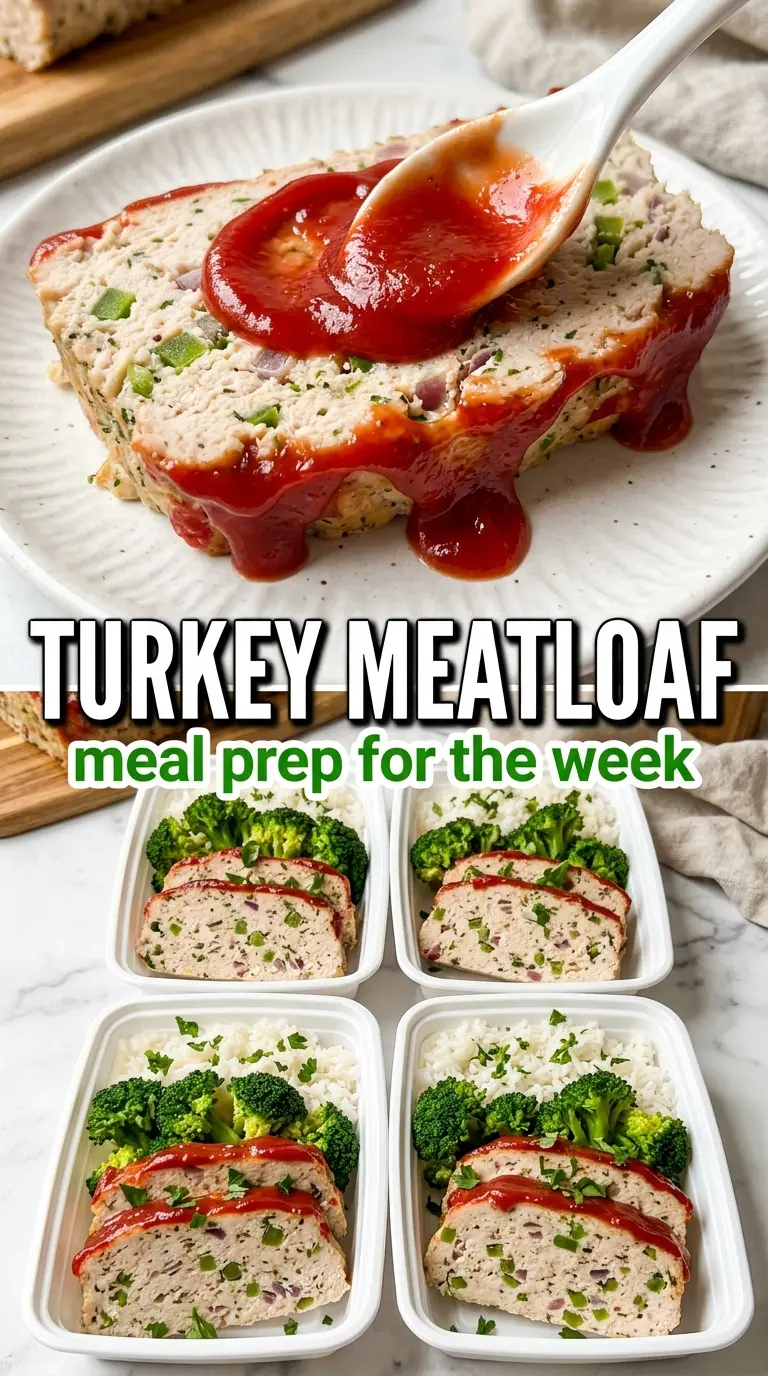
Turkey meatloaf earns its place in the dinner rotation when it comes out tender, juicy, and full of savory flavor instead of dry and crumbly. The glaze turns sticky and tangy on top while the inside stays soft enough to slice cleanly, which is exactly what a good meatloaf should do. It feels familiar, but lighter in the best way.
The trick is treating ground turkey like a lean protein that needs help, not punishment. Breadcrumbs, milk, and eggs hold moisture in the loaf, while grated onion melts right into the mix and keeps the texture from turning dense. Worcestershire, thyme, garlic, and parsley do the heavy lifting on flavor, so every slice tastes seasoned all the way through instead of only on the surface.
Below, I’m walking through the small choices that keep this loaf moist, how to know when it’s done without overbaking it, and a few swaps that actually work if you need them.
The loaf stayed juicy all the way through, and the glaze caramelized without running off the sides. I used the loaf pan and the slices held together perfectly for leftovers the next day.
Like this turkey meatloaf? Save it for the nights when you want a moist loaf, a tangy ketchup glaze, and easy leftovers that slice beautifully.
The Main Reason Turkey Meatloaf Turns Dry
Ground turkey dries out fast when it’s mixed too lean, overworked, or baked until the center is just barely set. This loaf avoids that by building moisture in from the start: milk, eggs, and breadcrumbs create a softer structure, and the grated onion melts into the mixture instead of leaving sharp pieces behind. That combination matters more here than in beef meatloaf, because turkey doesn’t bring as much fat to the party.
The other mistake is baking it free-form when the meat is very lean. A loaf pan helps turkey hold onto its shape and its juices, so the slices stay tender instead of spreading out and drying at the edges. If you want that classic meatloaf texture, the pan is your friend.
- Ground turkey — Use 93% lean if you can. It stays lighter than beef, but it still has enough fat to taste moist. If you use extra-lean turkey, the loaf will still work, but the texture needs the milk and onion even more.
- Grated onion — This is not just for flavor. Grating makes the onion disappear into the meat and release moisture evenly. Chopped onion can leave pockets and make slicing messy.
- Breadcrumbs and milk — These act like a soft binder. The breadcrumbs soak up the milk first and help the loaf hold together without getting compact.
What Each Ingredient Is Doing in the Loaf
- Eggs — They bind the mixture so the loaf slices cleanly after resting. Two eggs are enough for this amount of turkey without making it dense.
- Worcestershire sauce — This adds the deep savory note that turkey needs. There isn’t a substitute that tastes exactly the same, but soy sauce works in a pinch if you use a little less because it’s saltier.
- Italian seasoning, thyme, and parsley — The dried herbs bring steady background flavor, while fresh parsley brightens the mix. Dried herbs are fine here, but keep the parsley fresh if you can; it makes the loaf taste less heavy.
- Ketchup, brown sugar, and Dijon — This glaze does more than look pretty. The ketchup gives body, the brown sugar caramelizes, and the mustard cuts through the sweetness so the top tastes balanced instead of candy-like.
Building the Loaf So It Stays Tender
Mix the Binder First
Start by combining the breadcrumbs, eggs, milk, onion, garlic, Worcestershire, herbs, salt, and pepper before adding the turkey. That gives the dry ingredients time to absorb the liquid and spreads the seasoning evenly through the mixture. Once the turkey goes in, mix only until everything looks combined; overmixing makes the loaf tight and springy instead of tender.
Shape It with Moisture in Mind
Press the mixture into a greased 9×5 loaf pan, or shape it on a baking sheet if you want more browned edges. The loaf pan gives the best insurance against dryness, especially with lean turkey. If you do use a baking sheet, keep the shape compact and even so the edges don’t overcook before the center reaches temperature.
Glaze in Two Layers
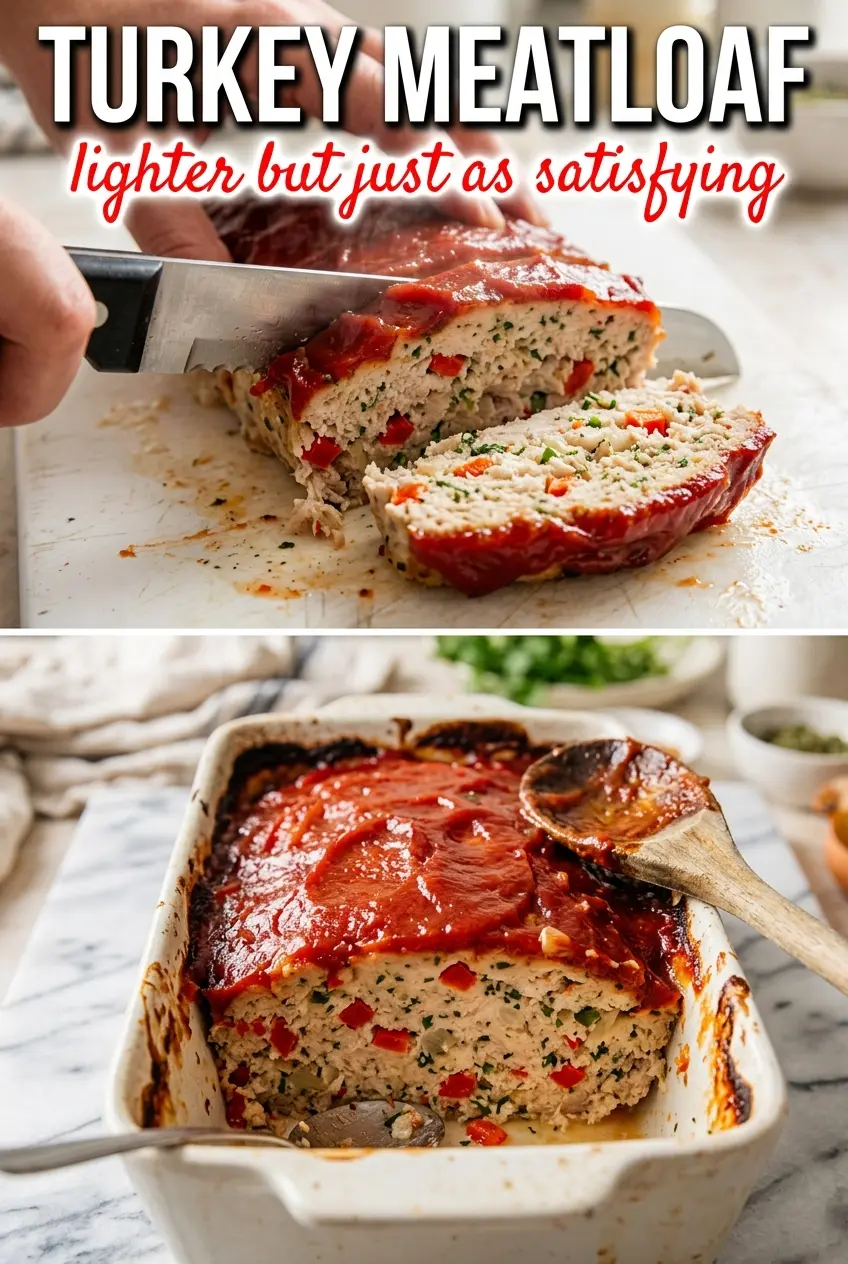
Mix the ketchup, brown sugar, and Dijon, then spread half over the top before baking. The first layer sets the base and starts caramelizing, and the second layer at the 45-minute mark gives you that shiny, sticky finish without burning. If you put all the glaze on at the start, the sugar can darken too fast and taste bitter.
Rest Before Slicing
Pull the loaf when the center reaches 165°F and let it rest for 10 minutes. That rest lets the juices settle back into the meat instead of running out on the cutting board. If you slice too early, even a well-made turkey meatloaf can seem dry because all the moisture ends up on the plate.
How to Adapt This Turkey Meatloaf Without Losing the Good Texture
Gluten-Free Version
Swap the breadcrumbs for certified gluten-free breadcrumbs or quick oats pulsed a few times in the food processor. The loaf still binds well, but oats make it a little more rustic and less fluffy than fine breadcrumbs.
Dairy-Free Turkey Meatloaf
Use unsweetened non-dairy milk in place of whole milk. The loaf will still stay moist because the milk is only there to hydrate the breadcrumbs and help the binder work; oat milk or plain soy milk are the best swaps.
Make It Ahead for Busy Nights
Form the loaf, cover it, and refrigerate it up to 24 hours before baking. The flavor actually deepens a bit as the seasonings settle in, but don’t add the glaze until you’re ready to bake or it can start loosening the top of the loaf.
Using Leftover Turkey
If you’ve got cooked leftover turkey, this recipe won’t work as written because the meat needs to bake as part of the loaf. Chop the cooked turkey fine and use it in a different bind-and-bake casserole instead, where the meat doesn’t need the same long oven time.
Storage and Reheating
- Refrigerator: Store sliced meatloaf in an airtight container for up to 4 days. The texture stays good, and it often tastes even better the next day.
- Freezer: It freezes well. Wrap slices individually or freeze the whole cooled loaf tightly, then thaw overnight in the refrigerator before reheating.
- Reheating: Warm slices covered in a 325°F oven with a spoonful of water or extra glaze over the top. Microwaving works, but use short bursts so the edges don’t turn rubbery while the center is still cold.
Questions I Get Asked About This Recipe
Turkey Meatloaf
Ingredients
Equipment
Method
- Preheat the oven to 350°F and grease a 9x5 loaf pan or line a baking sheet.
- In a large mixing bowl, combine ground turkey, breadcrumbs, eggs, whole milk, grated onion, minced garlic, Worcestershire sauce, Italian seasoning, dried thyme, chopped fresh parsley, salt, and pepper until evenly combined.
- Press the turkey mixture into the loaf pan or shape it free-form on the baking sheet, keeping it in the pan for moisture retention.
- Mix the glaze ingredients—ketchup, brown sugar, and Dijon mustard—and spread half over the top, leaving a visible coating.
- Bake at 350°F for 55–65 minutes, until the internal temperature reaches 165°F and the top looks caramelized.
- At the 45-minute mark, spread the remaining glaze over the top so it finishes baking glossy and browned.
- Rest the meatloaf for 10 minutes before slicing to help the juices set, keeping the interior moist with visible herb flecks.