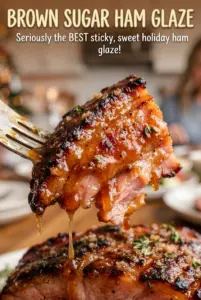
Sticky honey-balsamic pork chops with caramelized edges and roasted vegetables are the kind of dinner that makes a sheet pan feel like a full plan, not a shortcut. The pork comes out juicy, the Brussels sprouts pick up crisp, browned edges, and the tomatoes collapse into little bursts of sweetness that catch the glaze on the pan. It’s the kind of meal that looks like you worked harder than you did.
The trick is giving the vegetables a head start before the pork goes in. Brussels sprouts need that first blast of heat to start browning, and the glaze needs enough time in the oven to tighten up without burning. Dijon keeps the honey from tasting flat, while the balsamic gives the whole pan that dark, tangy finish that clings to the meat and vegetables instead of sliding off.
Below, I’ve included the timing cue that keeps the pork from drying out, plus a few swaps that still keep the dinner balanced and weeknight-friendly.
The glaze got sticky and dark on the pork chops without burning, and the Brussels sprouts soaked up all that balsamic flavor. I pulled mine at 145°F like you said and they stayed juicy.
Save these sheet-pan honey-balsamic pork chops for the night you want a sticky glaze, roasted Brussels sprouts, and dinner on one pan.
The Browning Window That Keeps Pork Chops Juicy
The biggest mistake with sheet-pan pork dinners is chasing color for too long and ending up with dry meat. Pork chops at 1 inch thick need enough time to brown and finish, but not so much that they lose their juices while the glaze turns sticky. Starting the vegetables first gives the pan a head start on caramelization, then the chops join once the heat has already done some of the work.
Bone-in chops hold up better here than boneless ones because the bone slows down the cook just enough to protect the center. If your chops are thinner than 1 inch, cut the final roasting time back and start checking early. The best sign is an internal temperature of 145°F and a glaze that looks lacquered, not wet.
What the Glaze and Vegetables Are Each Doing
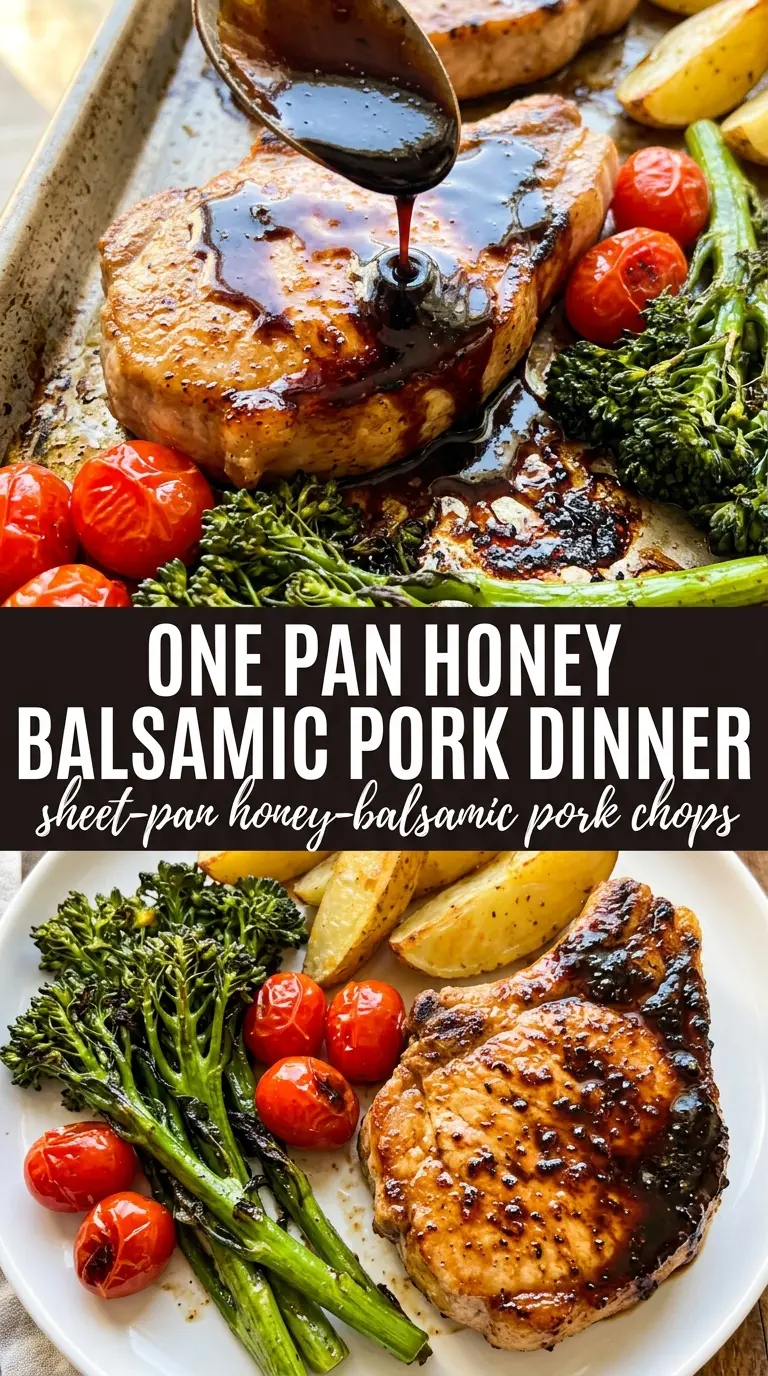
- Balsamic vinegar — This is the backbone of the glaze. It gives you that dark, tangy depth that honey alone can’t deliver. A cheaper balsamic works fine here because it’s being cooked down, but avoid anything so thin and harsh that it tastes sharp after roasting.
- Honey — Honey is what makes the glaze cling and caramelize. Maple syrup can stand in if that’s what you have, but the finish will be a little less sticky and a little more woodsy.
- Dijon mustard — Dijon pulls the glaze together and keeps it from tasting one-note sweet. Don’t skip it unless you have to; regular yellow mustard won’t give the same rounded bite.
- Brussels sprouts — They hold up to the longer roast time and pick up the best browned edges. Halving them is important because the cut side caramelizes faster and gives the pan more surface area.
- Cherry tomatoes — These soften, burst, and turn the glaze into something saucier around the pork. Grape tomatoes work too, but larger tomatoes won’t collapse as quickly and can leave the pan a little wetter.
- Bone-in pork chops — The bone adds a buffer against overcooking and helps the chops stay juicy in the oven. Boneless chops will work, but you’ll need to watch them closely because they go from perfect to dry fast.
Building the Pan So Nothing Burns Before the Pork Is Done
Roasting the vegetables first
Spread the Brussels sprouts and cherry tomatoes across the sheet pan in a single layer and give them 10 minutes alone in the oven. That first stretch starts the browning process and drives off some moisture before the pork and glaze are added. If the pan is crowded, the vegetables steam instead of roast, and you lose the deep caramelized edges that make this dinner work.
Brushing on the glaze
Whisk the glaze until the honey is fully dissolved and the mixture looks glossy and smooth. Brush it generously over the pork chops and drizzle the rest across the vegetables so the whole pan gets coated. If the glaze sits in a thick puddle on top of the meat, it can darken too fast; a thin, even layer gives you shine without scorching.
Finishing to temperature
Roast for 18 to 22 minutes, then start checking the thickest part of the pork chops. Pull them at 145°F and let the pan rest for a few minutes before serving so the juices settle back into the meat. If you want a deeper mahogany color, a brief 2-minute broil at the end works, but watch closely because the honey can go from glossy to burnt in a hurry.
How to Adjust This Sheet Pan Dinner Without Losing the Balance
Use boneless pork chops
Boneless chops work if that’s what you have, but they cook faster and dry out sooner. Start checking them a few minutes earlier than bone-in chops and pull them the moment they hit 145°F. You’ll lose a little of the protective cushion the bone gives, but the glaze still carries the dish.
Make it dairy-free and gluten-free as written
This dinner already lands naturally in both lanes, as long as your Dijon is certified gluten-free if that matters for your kitchen. There’s no cream, butter, or flour to work around, which keeps the glaze clean and the texture straightforward. That also means the flavor depends entirely on browning, so don’t skip the first roast on the vegetables.
Swap the vegetables for what roasts well
Cauliflower florets, broccoli, and wedges of red onion all handle the same timing nicely. Pick vegetables that can take high heat and aren’t too watery, or the glaze will thin out before it caramelizes. If you use softer vegetables, add them later so they don’t collapse before the pork is done.
Add heat with red pepper flakes
A pinch of red pepper flakes in the glaze gives the sweet balsamic a sharper edge. That works especially well if your honey runs on the sweeter side. Keep it light; too much heat can drown out the balance that makes the glaze taste polished instead of busy.
Storage and Reheating
- Refrigerator: Store leftovers in an airtight container for up to 3 days. The glaze will thicken and the vegetables will soften a bit, which is normal.
- Freezer: The pork chops freeze well for up to 2 months, but the vegetables lose their best texture after thawing. If you plan to freeze it, keep the pork and vegetables separate when you can.
- Reheating: Warm covered in a 325°F oven until hot, or use a skillet over low heat with a splash of water to loosen the glaze. High microwave heat tends to overcook the pork and make the glaze sticky in the wrong way.
Questions I Get Asked About This Recipe
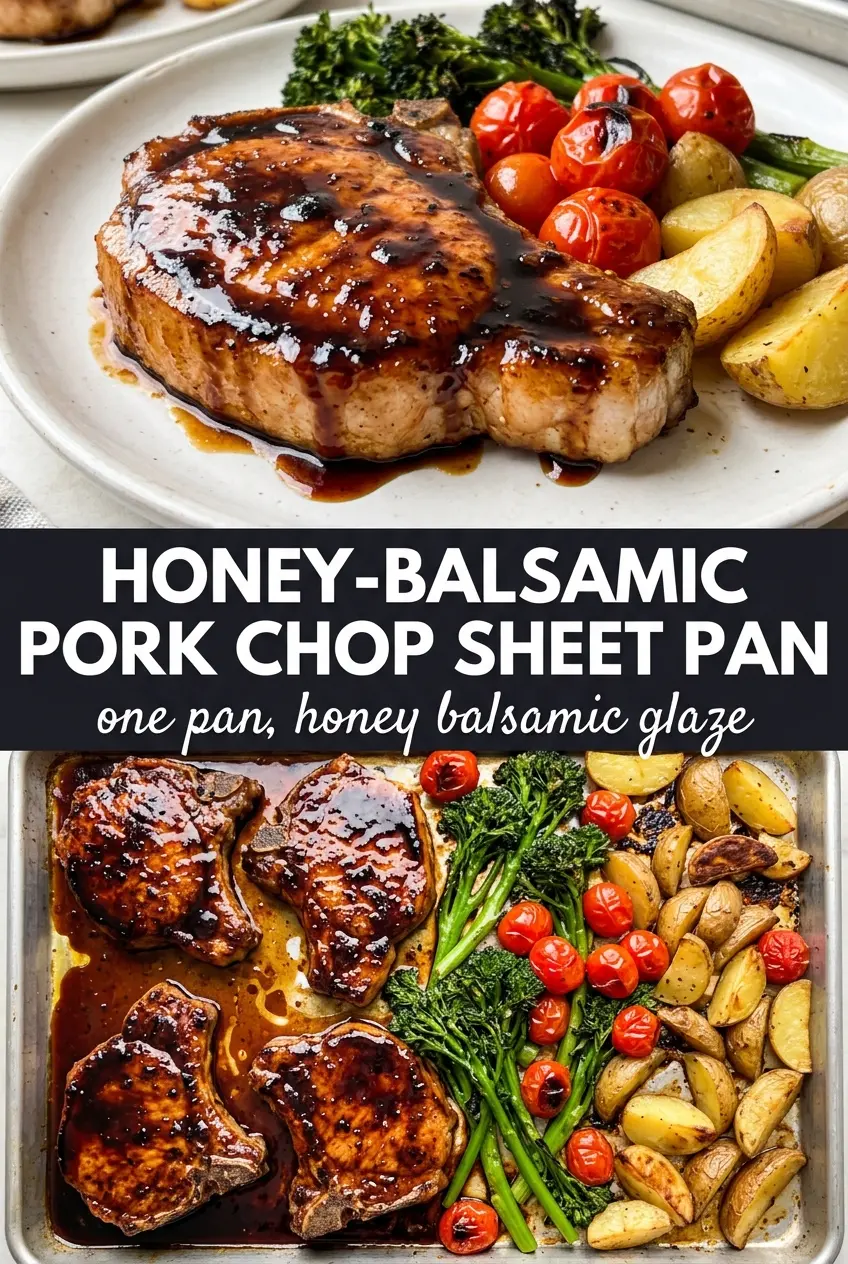
Sheet-Pan Honey-Balsamic Pork Chop Dinner
Ingredients
Equipment
Method
- Preheat the oven to 400°F.
- Whisk the balsamic vinegar, honey, Dijon mustard, minced garlic, and olive oil until smooth.
- Toss the Brussels sprouts and cherry tomatoes with 2 tbsp olive oil and salt and pepper, then spread them evenly on a large sheet pan; roast for 10 minutes.
- Season the pork chops with salt and pepper, push the vegetables to the edges, and nestle the pork chops in the center.
- Brush the pork chops generously with the glaze and drizzle any extra over the vegetables.
- Roast for 18–22 minutes until the pork reaches 145°F and the glaze is caramelized; broil for 2 minutes for extra color.