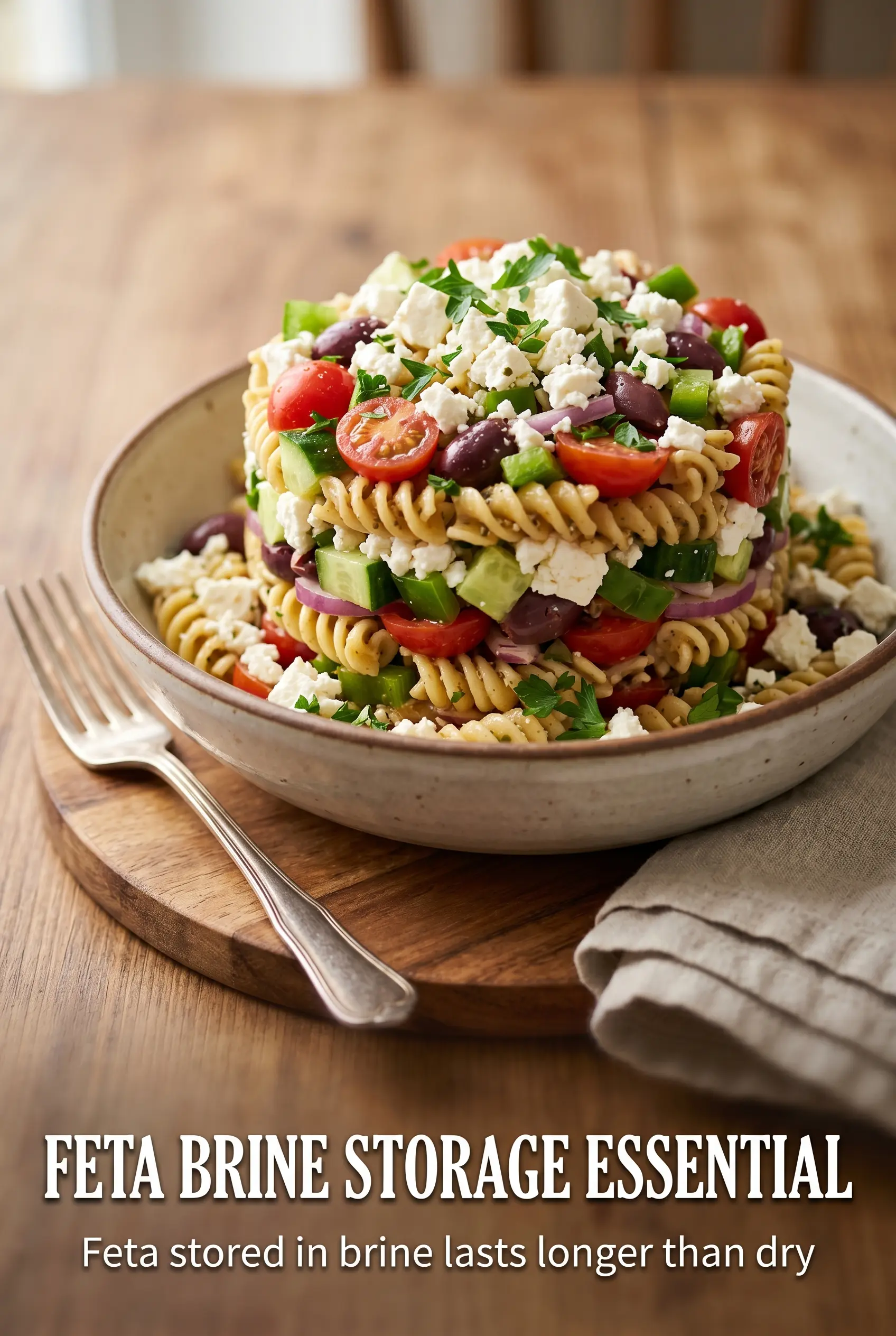
Cold pasta salad only works when the dressing actually clings to the noodles, and this Greek Pasta Salad with Feta Cheese gets that part right. The pasta stays tender but not mushy, the cucumbers keep their crunch, and the feta gives every bite a salty, creamy finish that pulls the whole bowl together. It tastes clean and bright, not heavy or drowned in dressing.
The trick is simple: rinse the pasta after cooking so it stops at the right texture, then let it chill long enough for the vinegar, lemon, garlic, and oregano to soak into the pasta itself. This is the kind of salad that gets better after a rest, because the vegetables season the dressing and the dressing seasons everything back. The olives and feta bring enough salt on their own that you don’t need to push the seasoning too hard at the start.
Below you’ll find the small details that keep the salad from going watery, plus a few smart swaps if you’re working with what you have on hand.
The pasta held the dressing after chilling, and the cucumbers stayed crisp instead of watering everything down. I made it the night before, and the feta on top right before serving made it taste fresh.
Save this Greek Pasta Salad with Feta Cheese for the days when you need a bright, chilled side with crunchy vegetables and a tangy feta dressing.
The Reason This Pasta Stays Bright Instead of Turning Heavy
A lot of pasta salads get dull because the noodles soak up dressing too fast and the vegetables start leaking water into the bowl. This version avoids that by using a dressing with enough acidity to wake everything up, then chilling the salad long enough for the flavors to settle without letting the vegetables go soft. The pasta needs to be cooked just to tender, then rinsed cold so it doesn’t keep cooking and turn sticky.
The other thing that matters here is balance. Feta and olives bring salt, so the dressing doesn’t need to be aggressive; it just needs to be sharp enough to cut through the cheese and pasta. If the salad tastes flat after chilling, it usually means the pasta was underseasoned before it went into the bowl, not that it needs a heavy pour of dressing at the end.
What Each Ingredient Is Actually Doing in the Bowl
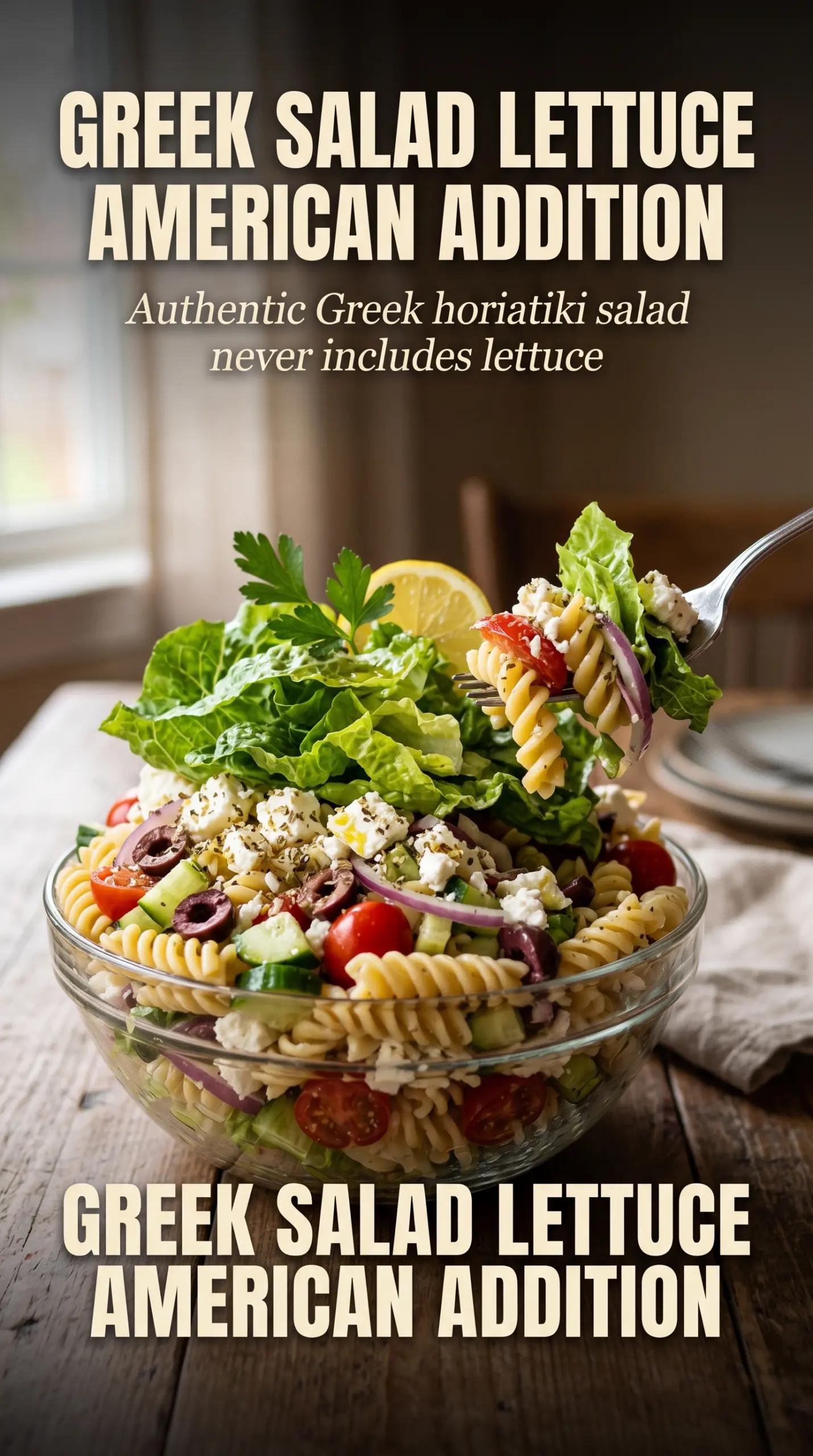
- Penne or rotini pasta — Both shapes hold the dressing well, but rotini grabs a little more of the feta and herbs in the spirals. Penne gives you cleaner bites if you want the salad to feel a little less busy. Cook it just past al dente by a minute if you know it will chill for a while.
- Feta cheese — Use a block if you can and crumble it yourself. Pre-crumbled feta is drier and often less creamy, which matters here because the feta should melt slightly into the dressing as the salad rests. Save some for the top so the finish tastes fresh.
- Kalamata olives — These add the deep briny note that makes the salad taste Greek instead of just like pasta and vegetables. If you swap in black olives, the salad will still work, but it loses some of that bold, salty edge. Slice them so the flavor spreads through every forkful.
- Red wine vinegar and lemon juice — The combination keeps the dressing from tasting one-note. Vinegar gives structure, while lemon adds a lighter finish that wakes up the cucumbers and tomatoes. Don’t replace both with just one acid or the dressing gets blunt.
- Fresh garlic and dried oregano — These are the backbone of the dressing. Fresh garlic gives the salad bite, while oregano brings the unmistakable Greek profile. Let the dressing sit a minute after whisking so the garlic takes the edge off before it hits the pasta.
Building the Salad So It Doesn’t Go Watery
Cooking the Pasta Past the Bare Minimum
Cook the pasta according to the package directions, but don’t stop at the first sign of tenderness if you’re planning to chill it. Cold pasta firms up, and if it starts too firm it will feel dry once the dressing settles in. Drain it well, then rinse with cold water until the steam is gone and the noodles no longer feel hot in your hands.
Making the Dressing Sharp, Not Harsh
Whisk the olive oil, vinegar, lemon juice, garlic, oregano, salt, and pepper until the mixture looks unified and slightly glossy. If the garlic tastes too sharp on its own, that’s normal; the rest of the ingredients will round it out after chilling. The dressing should taste a little stronger than you want in the finished salad because the pasta will pull some of that punch away.
Letting the Chill Time Do the Work
Combine the pasta, vegetables, olives, and most of the feta, then toss with the dressing gently so the tomatoes don’t break apart. Refrigerate for at least an hour. That resting time is what turns the bowl from separate ingredients into an actual salad, and it’s the best way to avoid a dressing that tastes like it was poured on at the last second.
Finishing With the Last Layer of Feta
Top the salad with the remaining feta just before serving. That last handful matters because it stays bright and creamy instead of disappearing into the dressing. Give the salad one final taste before it goes to the table; after chilling, it often needs a pinch more pepper more than it needs extra salt.
How to Adapt This for Different Kitchens and Different Crowds
Make It Gluten-Free Without Changing the Flavor
Use your favorite gluten-free short pasta and cook it just until tender, because many gluten-free shapes get fragile after chilling. Rinse it well, then toss it with the dressing while it still has some surface moisture so it doesn’t clump. The salad keeps the same bright, salty, crunchy character.
Dairy-Free Version That Still Tastes Full
Skip the feta and add extra olives plus a handful of chopped fresh parsley if you want the bowl to stay lively. You can also use a dairy-free feta alternative, but choose one that crumbles well and doesn’t taste overly sweet. The salad will lose some creaminess, so bump the lemon slightly to keep the dressing bright.
Add More Protein for a Main-Dish Lunch
Toss in chickpeas, grilled chicken, or shrimp after the salad has chilled so the texture stays clean. Chickpeas fit the Mediterranean profile best and hold the dressing without getting soggy. If you’re using chicken, season it simply with salt, pepper, and oregano so it doesn’t fight the feta.
Storage and Reheating
- Refrigerator: Keeps for 3 to 4 days in a covered container. The pasta softens a little as it sits, and the vegetables release more moisture, so give it a quick toss before serving.
- Freezer: This one doesn’t freeze well. The cucumbers, tomatoes, and feta all change texture after thawing, and the salad turns watery.
- Reheating: Don’t reheat it. Serve it cold straight from the fridge, or let it sit at room temperature for 15 minutes if you want the olive oil and feta to taste a little fuller. If it seems dry after chilling, drizzle in a spoonful of olive oil and a squeeze of lemon, not more pasta sauce-style dressing.