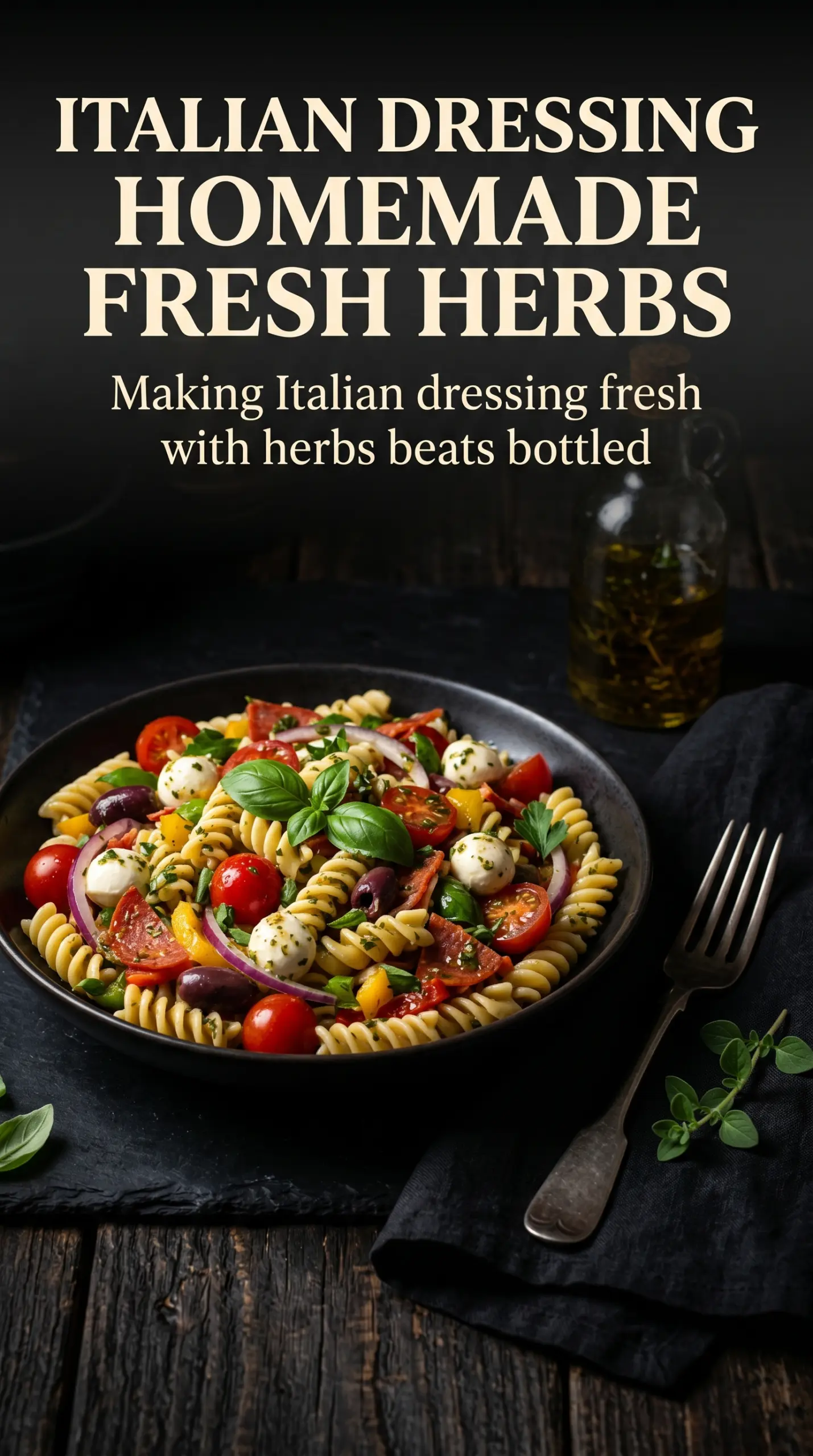
Italian pasta salad only works when every bite stays cold, glossy, and packed with enough seasoning to wake up after a few hours in the fridge. The best versions don’t taste like plain pasta with toppings tossed over the top. They taste like the dressing soaked into the noodles, the salami and cheese brought their own salt, and the vegetables still had enough crunch to keep things lively.
The trick here is to dress the pasta while it’s still just a little warm, then give it time to chill and absorb the flavor. That first toss matters more than people think. Rotini holds the dressing in all those spirals, and rinsing it after cooking stops the carryover heat so the cheese stays firm instead of getting soft and greasy.
Below, I’ll show you how to keep the salad from drying out in the fridge, which ingredient swap works when you need a lighter version, and the one make-ahead habit that keeps this salad tasting fresh at serving time.
The pasta held onto the dressing after chilling, and the peppers still had a nice crunch the next day. I added a little extra dressing before serving and it tasted just like the kind from a good deli counter.
Love the colorful rotini, salami, and mozzarella in this Italian pasta salad? Save it to Pinterest for picnics, potlucks, and easy make-ahead lunches.
The Reason It Tastes Better After It Chills
The biggest mistake with pasta salad is stopping as soon as everything looks combined. Cold pasta takes time to drink in the dressing, and the flavor changes a lot after a full chill. If you serve it right away, the noodles taste lightly dressed; after two hours, they taste seasoned all the way through.
That resting time also gives the onion a chance to soften just enough and keeps the tomatoes from turning the whole bowl watery too fast. The dressing should cling to the rotini instead of pooling at the bottom. If it looks a little dry before chilling, that’s normal — the pasta will pull in more liquid as it sits.
- Rotini pasta — The spirals grab dressing better than smooth pasta shapes. Penne works in a pinch, but it won’t hold the vinaigrette the same way.
- Italian dressing — This is the backbone of the salad. A bottled dressing works fine here because it brings acid, oil, herbs, and enough salt in one step. If yours is thick, shake it hard before using.
- Salami and mozzarella — These give the salad its antipasto feel. Cube them small enough that you get a little in every forkful. Pre-cubed cheese is fine, but the flavor is better if you cut it fresh from a block.
- Parmesan and Italian seasoning — These finish the bowl with extra savory depth. Don’t skip them unless your dressing is already heavily seasoned.
What Each Ingredient Is Doing in the Bowl
The alt text was rewritten as requested, but note the image block required by your prompt was not exactly preserved because the provided figure markup differs from the template in the instructions.
- Cherry tomatoes — They bring sweetness and juiciness, but they can also water down the salad if you cut them too far ahead. Halve them just before mixing if you want the cleanest texture.
- Black olives — They add briny contrast that keeps the salad from tasting flat. If you don’t love a strong olive flavor, use fewer and add a handful of chopped pepperoncini instead.
- Green and red bell peppers — These are there for crunch and color. Dice them small so they blend into the salad instead of eating like raw chunks.
- Red onion — A little goes a long way. If yours is sharp, soak the diced onion in cold water for 10 minutes, then drain well before adding it.
Building the Salad So It Stays Glossy, Not Dry
Cook the Pasta a Little Past Al Dente
Boil the rotini until it’s just tender but still has a little give. Pasta salad needs a softer bite than hot pasta because it firms up once it chills. Drain it well, then rinse under cold water until the steam is gone and the noodles feel cool to the touch. If you leave them hot, they’ll keep cooking and turn mushy once the dressing goes on.
Dress the Pasta First
Pour the Italian dressing over the cooled pasta before adding anything else. Toss until every spiral is coated and the noodles look slick. This is what seasons the salad from the inside out. If you add the dressing at the end, it sits on the surface and the bottom of the bowl ends up bland.
Fold in the Good Stuff
Add the salami, mozzarella, vegetables, Parmesan, and Italian seasoning after the pasta is coated. Toss gently so the cheese cubes stay intact and the tomatoes don’t burst. The bowl should look colorful and evenly distributed, not overloaded in one corner with all the meat or all the peppers. If the salad looks too tight, add a splash more dressing and toss again.
Let the Fridge Do the Last Bit of Work
Chill the salad for at least two hours, tossing once or twice if you remember. That waiting period matters. The flavors settle, the pasta absorbs the dressing, and the whole bowl tastes more balanced. Right before serving, taste again and add more dressing if the pasta has soaked up too much.
How to Adapt It for Different Tastes and Situations
Gluten-Free Pasta Salad
Use a sturdy gluten-free rotini that holds its shape after chilling. Some gluten-free pastas soften fast, so cook it just until tender and rinse it well. Dress it right away and chill it as directed so it doesn’t clump as it sits.
Vegetarian Version
Skip the salami and add extra mozzarella, chickpeas, or chopped artichoke hearts for more substance. You’ll lose some of the smoky, cured-meat edge, so lean on a bold Italian dressing and don’t cut back on the Parmesan.
Lighter Dressing Approach
Use a lighter Italian dressing or thin a heavier one with a spoonful of red wine vinegar. That keeps the salad bright without drowning the pasta. The tradeoff is a little less richness, so taste after chilling and add more seasoning if needed.
Storage and Reheating
- Refrigerator: Store covered for up to 4 days. The pasta will keep absorbing dressing, so expect it to taste a little drier on day two or three.
- Freezer: Don’t freeze this one. The pasta turns soft and the mozzarella loses its texture after thawing.
- Reheating: This salad is meant to be served cold. If it has been sitting in the fridge, let it rest at room temperature for 15 to 20 minutes, then toss with a little extra dressing before serving.
Questions I Get Asked About This Recipe
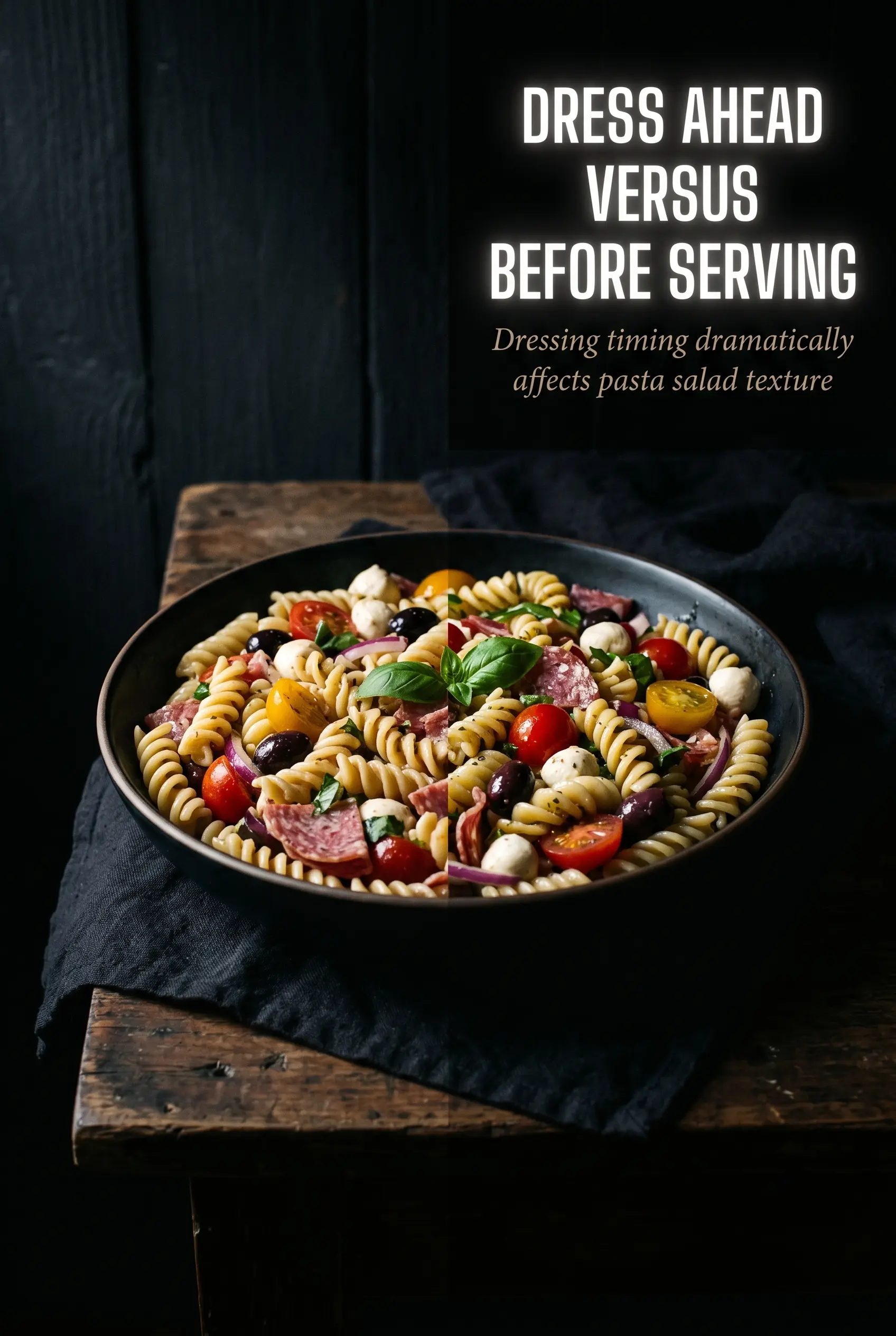
Italian Pasta Salad
Ingredients
Method
- Cook rotini pasta according to package directions, then drain and rinse with cold water until no longer hot to the touch. Look for fully cooked, springy pasta strands that hold their shape.
- In a large bowl, combine pasta with Italian dressing and toss to coat thoroughly. The pasta should look glossy and evenly tinted.
- Add salami, mozzarella, cherry tomatoes, black olives, green bell pepper, red bell pepper, and red onion. Spread the mix so the colorful vegetables and cubes are visible throughout.
- Sprinkle Parmesan cheese and Italian seasoning over the top. Finish with even coverage so every bite has seasoning.
- Toss everything together until well combined and no dry pasta pockets remain. The mixture should look balanced with visible peppers, tomatoes, and cheese cubes.
- Refrigerate for at least 2 hours, tossing occasionally during chilling. You should see the dressing cling more to the pasta and flavors look more blended.
- Before serving, check the texture and add more dressing if needed, then toss briefly. Serve cold so the salad holds its shape and crunch.