Grilled salmon earns its place in the regular dinner rotation when the skin turns crisp, the flesh stays tender, and the fillet lifts off the grates in one clean piece. The difference between good salmon and great salmon usually comes down to two things: dry fish and a hot, well-oiled grill. Get those right and you get smoky edges, a juicy center, and no sticking drama.
This version keeps the seasoning simple on purpose. Olive oil carries the garlic and lemon across the surface, while a short rest gives the salt time to settle in without curing the fish into something dry or hammy. Skin-on fillets are the right choice here because the skin acts like a built-in shield on the grill, helping the salmon cook gently from the bottom while the top picks up just enough char.
Below, I’ve included the small details that matter most: how to keep the fish from tearing when you flip it, how to tell when it’s done without cutting it open, and the easiest ways to change it up if you’re cooking for different tastes.
The salmon released from the grates cleanly and the skin got crisp without sticking. I used the 15-minute rest, and the middle stayed moist all the way through.
Love the crisp skin and juicy center on this grilled salmon? Save it to Pinterest for an easy salmon dinner that never turns dry.
The Reason Salmon Sticks to the Grill When You Rush the Prep
Most sticking problems start before the fish ever touches the grates. Salmon needs a dry surface, a hot grill, and enough oil on both the fish and the grates to create a barrier before the proteins seize. If the fillet goes on wet or the grill is only halfway heated, the skin fuses to the metal and tears when you try to move it.
The other mistake is flipping too early. Skin-on salmon usually releases on its own when that first side has enough color and the flesh has firmed up about halfway. If it still clings, give it another minute. Forcing it is how you end up with shredded fish instead of neat fillets.
What the Olive Oil, Lemon, and Garlic Are Actually Doing Here
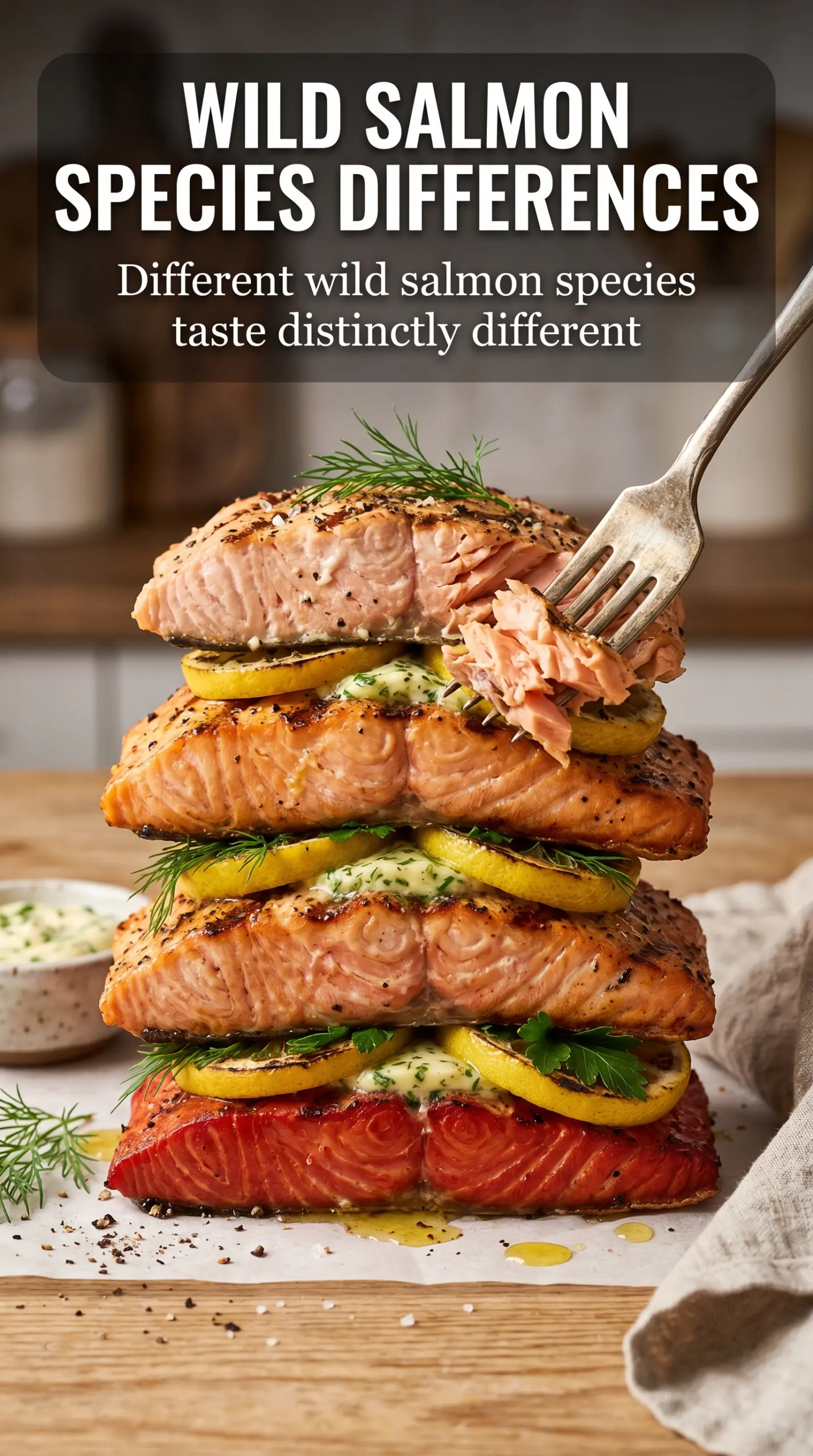
- Salmon fillets — Skin-on fillets hold together better on the grill and give you that crisp bottom layer. Thicker fillets are easier to cook evenly; very thin tail pieces cook fast and can dry out before the center is ready.
- Olive oil — This helps the seasoning cling and protects the surface from drying out over the heat. A neutral oil also works if that’s what you have, but olive oil gives the fish a softer, rounder finish.
- Lemon juice — A small amount brightens the salmon without overwhelming it. Don’t soak the fish for a long time in lemon, or the surface will start to cure and turn mushy instead of clean and juicy.
- Garlic — Fresh minced garlic gives the salmon a sharp, savory edge. If you want a milder result, grate it finely or use garlic powder so it doesn’t burn as easily on the grill.
- Fresh dill and lemon wedges — These are the finishing touches that make the salmon taste fresh and balanced. Dill is the right herb here because it stays light; heavier herbs can compete with the clean flavor of the fish.
Getting the Salmon Off the Grill in One Piece
Drying and Seasoning the Fillets
Pat the salmon dry with paper towels until the surface feels tacky instead of slick. Brush on the olive oil, lemon juice, and garlic mixture, then season generously with salt and pepper. Let the fillets sit for 15 minutes so the seasoning settles in, but don’t leave them much longer or the acid in the lemon starts changing the texture on the outside.
Heating the Grill the Right Way
Preheat the grill to medium-high and oil the grates well right before the salmon goes on. You want steady heat, not raging fire, because salmon cooks quickly and high flare-ups scorch the outside before the center catches up. If your grill is too cool, the skin won’t crisp; if it’s too hot, the sugars and oil will burn before the fish releases.
Cooking on the First Side
Place the salmon skin-side down and leave it alone for 6 to 8 minutes. Don’t try to nudge it around in the first few minutes; the crust needs time to form before it can release cleanly. You’ll know it’s ready to turn when the fish looks mostly opaque up the sides and lifts from the grate without sticking.
The Quick Flip and Final Finish
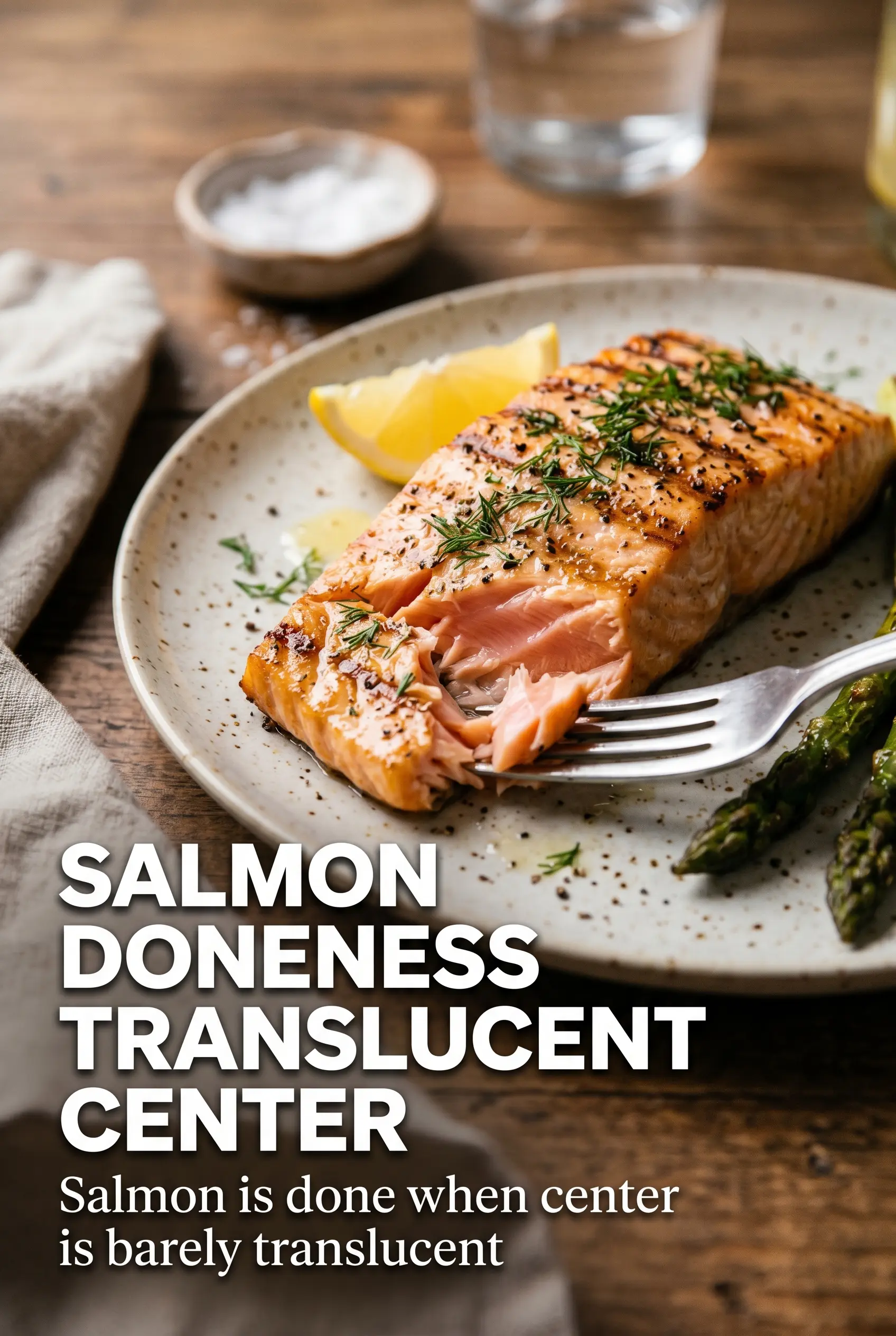
Turn the fillets carefully and cook for 2 to 3 minutes more, just until the thickest part reaches 145°F or the center flakes with gentle pressure. Pull it a touch early if you like salmon a little translucent in the middle, because carryover heat will finish the job while it rests. Serve immediately with dill and lemon wedges so the bright finish stays fresh.
How to Adjust This Grilled Salmon for Different Tables
Dairy-Free and Naturally Gluten-Free
This recipe already lands in both camps as written. The key is keeping the seasoning simple and the grill clean, since heavy sauces or butter glazes can burn before the salmon finishes.
No Skin-on Fillets
You can use skinless salmon, but it needs extra care because there’s no protective layer between the flesh and the grates. Oil the grill well, shorten the first side by a minute or two, and use a thin metal spatula to turn it before the fish gets soft enough to break apart.
Swap the Herb, Keep the Method
Dill gives the cleanest match, but parsley or chives work if that’s what you have. Use soft herbs at the end so they stay bright; sturdier herbs like rosemary can overpower the fish and are better left for heartier proteins.
Cedar Plank Variation
If you want extra smoke and a more forgiving cook, move the salmon to a soaked cedar plank and grill it over medium heat. The plank slows the cooking a bit and adds a woody note, but you lose some direct grill marks and a little of that crisp skin.
Storage and Reheating
- Refrigerator: Store leftovers in an airtight container for up to 2 days. The skin softens, but the salmon still tastes great cold or gently reheated.
- Freezer: Cooked salmon freezes, but the texture gets a little drier after thawing. Wrap it tightly and freeze for up to 1 month if you need to, then thaw overnight in the fridge.
- Reheating: Rewarm low and slow in a covered skillet over low heat or in a 275°F oven just until warmed through. High heat dries salmon out fast, which is the main mistake that turns leftovers chalky.
Questions I Get Asked About This Recipe
How To Make The Best Grilled Salmon
Ingredients
Equipment
Method
- Pat the salmon fillets dry and brush them with a mixture of olive oil, lemon juice, and minced garlic. Make sure the seasoning is evenly spread over the surface.
- Season generously with salt and pepper, then let the salmon sit for 15 minutes. Keep it at room temperature while it marinates so the surface flavor clings.
- Preheat the grill to medium-high and oil the grates well. The hot, well-oiled surface helps the skin stay crisp and releases cleanly.
- Place the salmon skin-side down and grill for 6-8 minutes without moving. Look for the skin to turn deeply golden and for the edges to look opaque.
- Carefully flip the salmon and grill for 2-3 minutes more until desired doneness. For medium, pull at 145°F, and the flesh should flake easily but still look juicy.
- Serve the grilled salmon immediately with fresh dill and lemon wedges. Add lemon at the table to brighten the tender flesh.