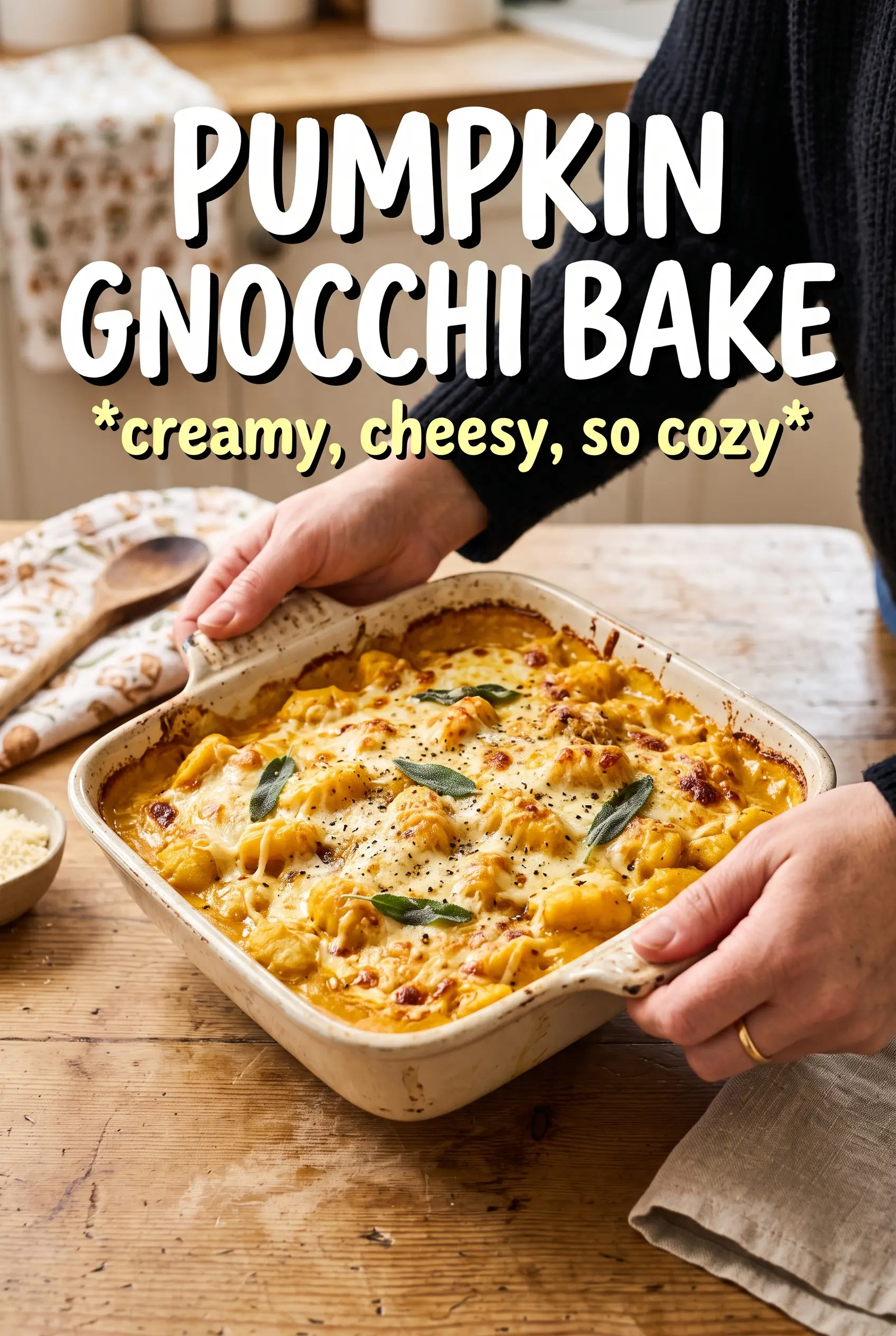
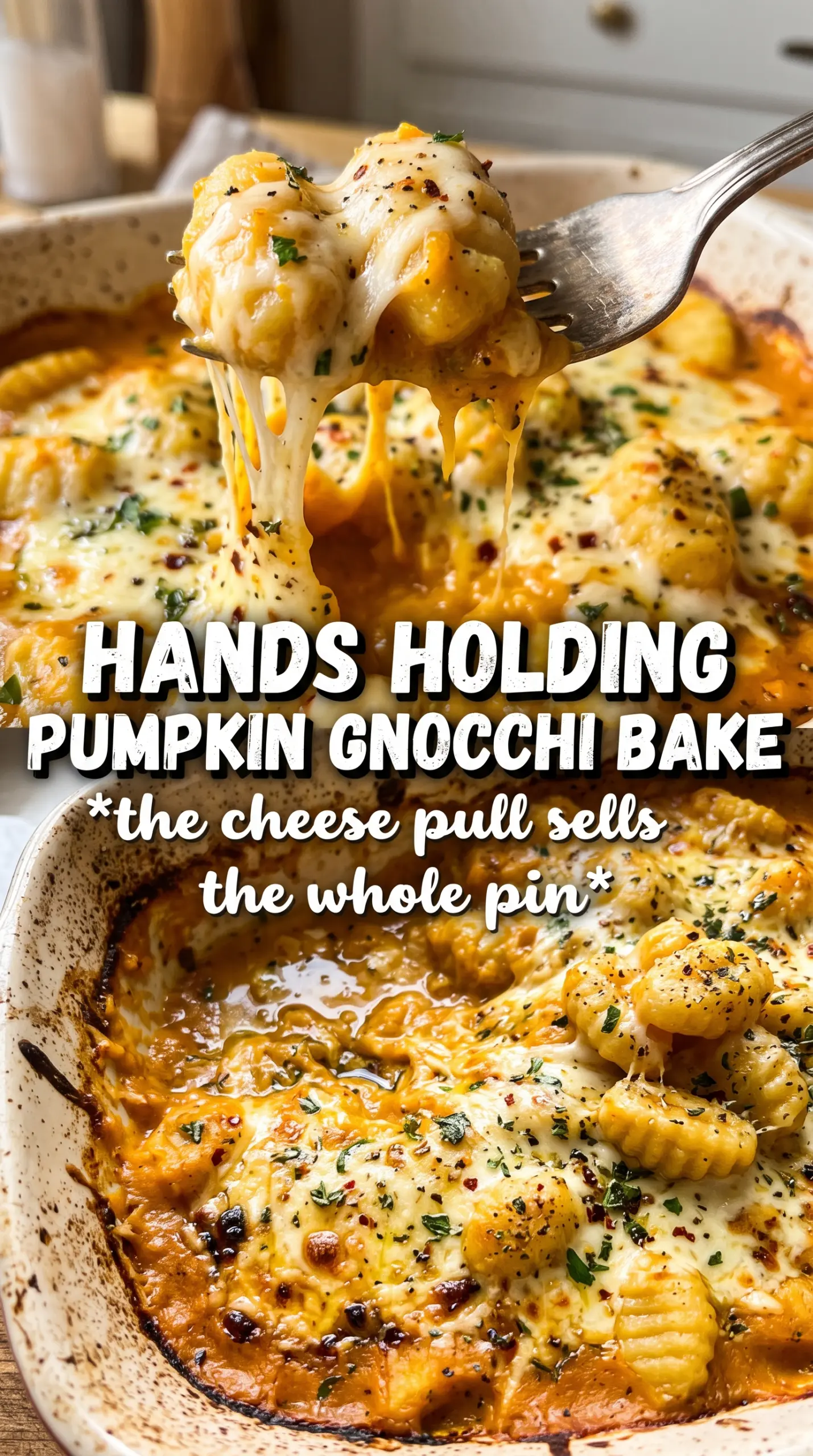
Pillowy gnocchi, creamy pumpkin sauce, and a golden mozzarella crust make this bake feel like comfort food with a little more personality than the usual casserole. The gnocchi cook right in the sauce, so they stay tender instead of turning dense or gummy, and the pumpkin gives the whole dish a velvety body without needing a long simmer. It lands rich, savory, and just a little bit earthy from the sage and nutmeg.
The trick is building the sauce before the gnocchi ever hit the oven. Pumpkin puree needs a little fat and liquid to loosen up, and the sausage drippings add depth that plain cream alone can’t give you. Once everything is mixed in the baking dish, the gnocchi soak up flavor as they bake, which is why this method tastes more integrated than boiling the gnocchi separately and tossing them in at the end.
Below you’ll find the one step that keeps the sauce smooth, plus a few smart swaps if you want to make this work with what you already have on hand.
The sauce baked up creamy and the gnocchi stayed pillowy, not mushy. I loved that the pumpkin and sage tasted savory instead of sweet, and the top browned beautifully in 35 minutes.
Save this pumpkin gnocchi bake for the nights when you want a creamy baked pasta-style dinner with a crisp cheese top and barely any cleanup.
The Part That Keeps the Gnocchi from Going Mushy
Gnocchi bake fails when the sauce is too thin or the dish spends too long in the oven before the cheese goes on. In this version, the sauce starts a little loose in the skillet and then finishes thickening around the gnocchi as it bakes, which keeps the texture creamy instead of soupy. The gnocchi don’t need to be boiled first; they cook through in the sauce and absorb flavor as they soften.
The other thing that matters is getting the sausage browned before the sauce is built. That step gives you the savory base the pumpkin needs, and it keeps the whole dish from tasting flat. If you skip the browning or leave too much fat in the pan, the sauce can turn greasy instead of rich.
- Italian sausage — This does more than add protein. It seasons the whole dish from the bottom up, and the browned bits left in the pan are part of the flavor foundation. If you use chicken sausage, expect a lighter result with less built-in richness.
- Pumpkin puree — Use puree, not pumpkin pie filling. Pie filling is sweetened and spiced already, which throws the balance off fast. The canned puree gives body and a mild earthiness that plays well with sage and nutmeg.
- Heavy cream — This is what turns the pumpkin into a silky sauce instead of a thick paste. Half-and-half can work in a pinch, but the sauce will be looser and a little less stable in the oven.
- Fresh sage — Fresh sage blooms in the butter and garlic and brings the whole dish into focus. Dried sage works, but use less because it can turn dusty if you overdo it.
- Mozzarella and parmesan — Mozzarella gives you the melt and stretch, while parmesan sharpens the top so the bake tastes finished, not just cheesy. The parmesan matters more than it looks here.
What Each Ingredient Is Actually Doing in This Recipe
- Primary ingredient (the star) — Quality matters most. Choose the best you can find.
- Cooking medium (oil, butter, or broth) — This carries flavors and prevents dryness.
- Seasonings (salt, pepper, spices, herbs) — Layer flavors so nothing overpowers. Build depth gradually.
- Aromatics (garlic, onion, herbs) — Cook with fat to bloom flavors. Become the foundation.
- Supporting ingredients — Complement the main ingredient without overpowering it.
- Sauce or liquid (if applicable) — Brings flavors together. Balance richness with acid.
- Acid (lemon, vinegar, wine, or other) — Brightens and prevents flat-tasting results.
- Final finish (garnish, glaze, or sauce) — Prevents one-dimensional taste and adds visual appeal.
Building the Pumpkin Sauce Before It Hits the Oven
Brown the Sausage First
Cook the sausage until it has deep browned edges and no pink remains. You’re not just cooking it through; you’re building the flavor for the sauce. Drain off the excess fat, but leave a thin coating in the pan if it’s not greasy. That little bit helps carry the garlic and sage.
Bloom the Garlic and Sage
Melt the butter in the skillet and stir in the garlic and sage for just 1 to 2 minutes. The garlic should smell fragrant, not sharp, and the sage should darken slightly without burning. If the heat is too high, the garlic will turn bitter before the pumpkin ever goes in, so keep it moderate and steady.
Finish the Sauce Until It Looks Coated, Not Loose
Stir in the pumpkin, cream, broth, nutmeg, and red pepper flakes, then simmer until the mixture looks smooth and thick enough to coat a spoon. It should still pour, just slowly. Season it at this stage, before the gnocchi go in, so the sauce tastes balanced all the way through the bake. If it seems too thick, add a splash more broth; if it seems thin, give it another minute or two on the stove.
Let the Oven Do the Last Bit of Work
Toss the uncooked gnocchi and sausage directly in the baking dish with the sauce, then scatter the cheese over the top. Bake until the sauce is bubbling around the edges and the cheese is golden in spots. The center should be hot and the gnocchi should feel tender when you press one with a spoon. If the top browns too quickly, lay a piece of foil loosely over the dish for the last few minutes.
How to Adapt This When You Need a Different Version
Make it lighter with chicken sausage
Chicken sausage works well here if you want a less heavy bake, but the dish will lose some of the richness that pork sausage brings. Add an extra tablespoon of butter or a little more parmesan to keep the sauce from tasting too lean.
Make it gluten-free without changing the texture
Use certified gluten-free gnocchi and check the broth label. The sauce itself doesn’t rely on flour, so the texture stays the same as long as your gnocchi hold together in the oven.
Make it dairy-free with a different finish
Use full-fat coconut cream or an unsweetened dairy-free cream in place of heavy cream, then finish with a dairy-free mozzarella-style shreds. The sauce will taste a little less savory and a little more mellow, so keep the sage and parmesan-style seasoning bold if your substitute allows it.
Swap in spinach for a little green
Fold in a few handfuls of fresh spinach with the sausage and sauce before baking. It wilts down quickly and adds color without changing the structure of the bake, though it will make the dish a touch looser if you add too much.
Storage and Reheating
- Refrigerator: Store covered for up to 4 days. The sauce thickens as it chills, and the gnocchi will soften a little more.
- Freezer: It freezes, but the texture changes after thawing. If you do freeze it, cool it completely, wrap it well, and thaw overnight in the fridge before reheating.
- Reheating: Reheat covered in a 350F oven with a splash of broth or cream until hot. The biggest mistake is blasting it in the microwave until the sauce separates and the gnocchi turn rubbery.