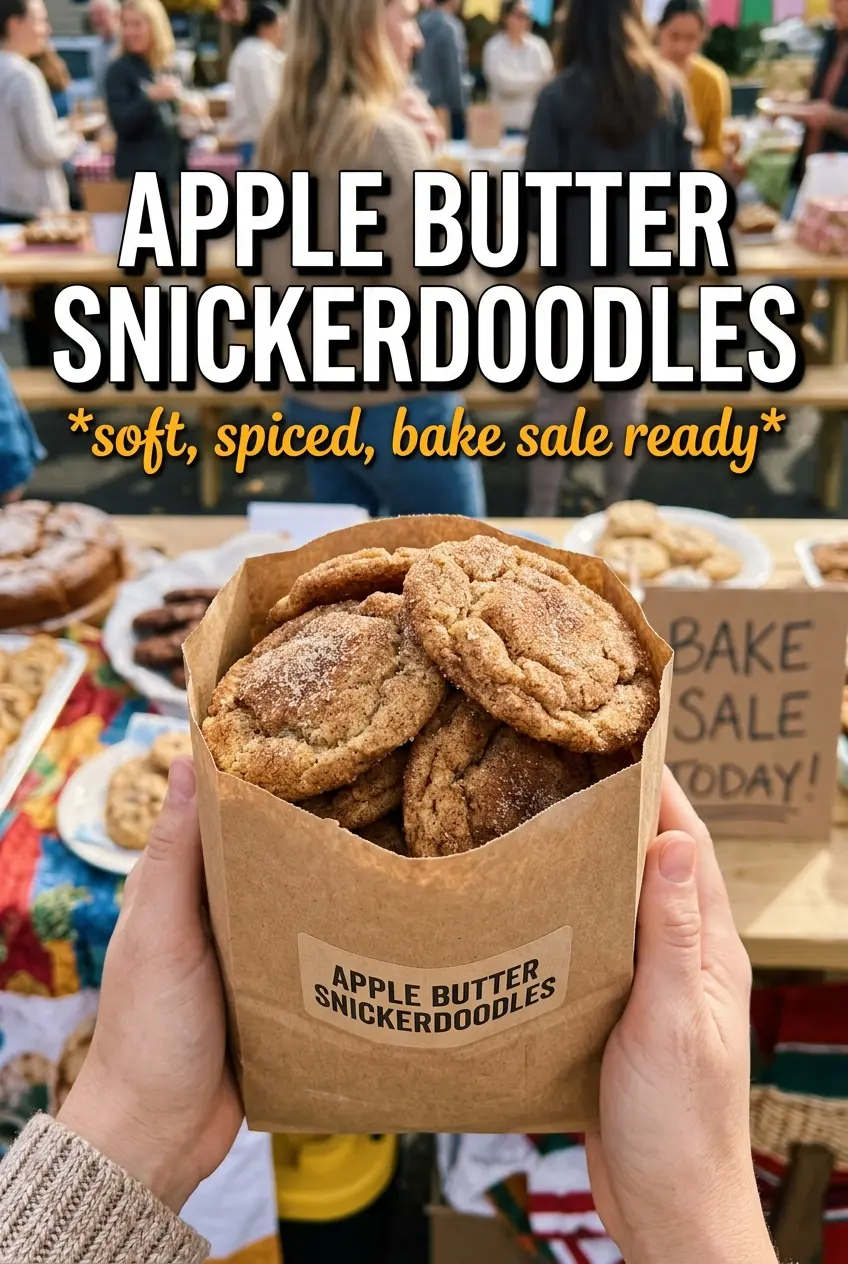
Apple butter snickerdoodles bake up with the kind of soft center and crinkled cinnamon-sugar shell that disappears fast from a cookie plate. The apple butter doesn’t make them cakey; it gives the dough a deeper, mellow fruit note that sits right under the warm spice and makes each bite taste a little richer than the usual snickerdoodle.
What makes this version work is the balance between cream of tartar, baking soda, and that sticky apple butter. Cream of tartar keeps the classic snickerdoodle tang, while the apple butter adds moisture without turning the cookies loose or greasy. The dough starts soft, and that’s the point. A short chill gives it enough structure to scoop and roll without losing the tender texture that makes these cookies worth repeating.
Below, I’ve included the small details that matter most: how to tell when the cookies are done before they dry out, what to do if the dough gets too sticky, and a few smart swaps if you want to adjust the spice or make them work with what’s already in your pantry.
The dough was soft but easy to scoop after chilling, and the cinnamon-sugar coating baked into those crackly tops just like the bakery cookies I used to buy.
Like these apple butter snickerdoodles? Save them to Pinterest for the days you want soft, crackly cookies with a warm spice coating and a hint of caramelized apple.
The Trick to Keeping Apple Butter Snickerdoodles Soft, Not Puffy
Snickerdoodles can go two ways: crisp and flat or soft and thick. Apple butter pushes this dough toward soft, but the real difference comes from the way the cookies bake. If they stay in the oven until they look fully done in the center, they’ll overbake by the time they cool. Pull them when the edges are set and the tops look crinkled but still a little pale in the middle. That leftover warmth finishes the job on the pan.
The other thing that keeps these from turning cakey is restraint with the flour. A soft dough is correct here. If you add too much flour while trying to make it easier to handle, the cookies lose that tender bite and the apple butter gets buried. Chill the dough only until it’s scoopable, not firm like pie dough.
- Cream of tartar gives the cookie its signature tang and helps the texture stay tender. There isn’t a great substitute if you want a true snickerdoodle flavor.
- Apple butter adds moisture and concentrated apple flavor without extra chunks of fruit. Use a thick, spoonable version, not a runny sauce.
- Butter should be softened, not melty. If it’s too warm, the dough spreads before the sugar crust has time to set.
- Flour is where people go wrong. Spoon and level it, then stop there. Packing the cup adds enough extra flour to dry out the cookies.
What Each Ingredient Is Doing in the Dough

- All-purpose flour gives the cookies their structure. Bread flour would make them tougher, and cake flour would make them too delicate to hold up to the sugar coating.
- Apple butter is the ingredient that sets these apart. It adds body, sweetness, and spice depth in one shot, so regular applesauce won’t give the same concentrated flavor.
- Cinnamon, nutmeg, and apple pie spice work in layers. The dough gets a gentle spice base, then the outside gets a more obvious cinnamon-sugar crust that bakes into the crinkles.
- Granulated sugar does double duty here: it sweetens the dough and helps the outer coating bake into that classic crackly shell. Brown sugar would make the cookie softer and heavier, which changes the texture more than you’d think.
- Vanilla rounds out the apple and spice. It doesn’t stand out on its own, but you’d notice if it were missing.
Mixing, Chilling, and Baking the Dough at the Right Moment
Building the Dry Base
Whisk the flour, cream of tartar, baking soda, cinnamon, nutmeg, and salt together before anything else. That step keeps the leavening and spice from clumping, which matters more than it sounds when you want even crinkles on every cookie. If the baking soda isn’t distributed well, some cookies spread too fast while others bake up dense.
Whipping the Butter and Sugar
Beat the butter and sugar until the mixture looks pale and fluffy, not just combined. That air you whip in helps the cookies rise without turning them cakey. Add the eggs one at a time if your mixer tends to splash, then mix in the apple butter and vanilla until the dough looks smooth and a little glossy.
Bringing the Dough Together
Fold in the dry ingredients just until no dry streaks remain. The dough should feel soft and sticky, almost like a thick batter that can hold its shape on a spoon. If you keep mixing after the flour disappears, the cookies can turn tougher than they should.
Rolling for the Crinkle
Mix the rolling sugar and spices in a shallow bowl, then scoop the dough into 1 1/2 tablespoon portions. Roll each one generously so the surface is fully coated; thin spots won’t crackle the same way in the oven. If the dough sticks to your hands, chill it a little longer instead of adding more flour.
Baking Until Just Set
Bake at 375°F for 10 to 12 minutes, and watch for the edges to set while the centers still look soft and slightly underdone. That’s the moment. Let them sit on the pan for 5 minutes before moving them, because they finish setting as they cool and that rest keeps the centers tender.
Make Them a Little More Spiced
Add another 1/4 teaspoon cinnamon to the dough or a pinch of cloves if you want the apple butter to read warmer and more autumn-like. That pushes the spice forward without changing the cookie structure.
Gluten-Free Version
Use a 1:1 gluten-free flour blend that includes xanthan gum. The cookies may spread a touch less, but the apple butter keeps them tender instead of dry.
Dairy-Free Swap
Use a plant-based butter stick with a similar fat content to regular butter. Tub spreads tend to hold too much water, which can make the dough looser and the cookies thinner.
Storage and Reheating
- Refrigerator: Store in an airtight container for up to 5 days. They stay soft, though the spice coating softens a bit by day two.
- Freezer: Freeze baked cookies for up to 2 months, or freeze the portioned dough balls and roll them in sugar right before baking.
- Reheating: Warm baked cookies in a 300°F oven for 3 to 4 minutes. Don’t use a long microwave blast or the centers can turn rubbery instead of soft.