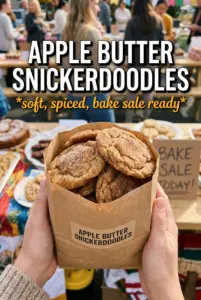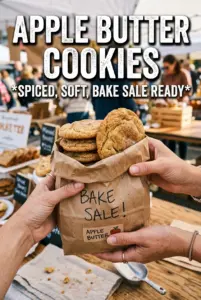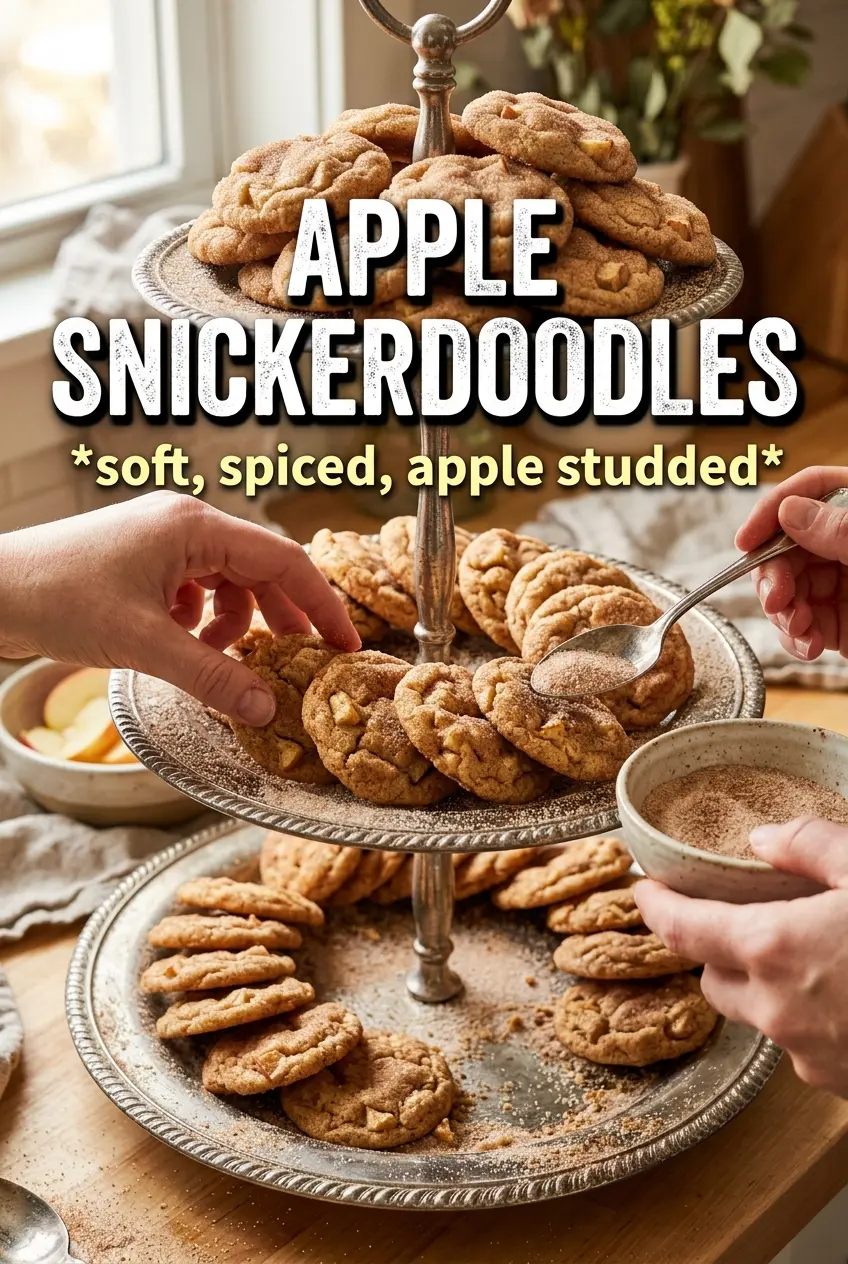
Apple snickerdoodles bake up with the crackly cinnamon-sugar shell people expect, but the inside stays soft and fragrant with little bits of dried apple in every bite. The dough spreads just enough to give you those rounded edges and tender centers that make a cookie tray disappear fast.
What makes this version work is the balance: cream of tartar gives the classic snickerdoodle tang and chew, while dried apple pieces add sweetness without dumping extra moisture into the dough. That matters. Fresh apple would throw off the texture and leave you with cookies that bake up unevenly or turn cakey instead of tender.
Below, I’ve included the small details that keep these cookies soft in the middle, the best way to chop the apples so they disappear into the dough instead of tearing it, and a few simple swaps if you need to adapt the recipe.
The cookies came out soft in the middle with those crackly cinnamon tops, and the little apple bits stayed chewy instead of disappearing. I baked mine for 11 minutes and they were perfect with coffee the next morning.
These apple snickerdoodles are the kind of cookies you’ll want to keep on repeat for their soft centers and crackly cinnamon-sugar tops.
The Trick to Keeping Apple Snickerdoodles Soft, Not Puffy or Dry
The biggest mistake with snickerdoodles is overbaking them. These should come out when the edges are set and the tops are crackled, but the centers still look a little underdone. That carryover heat on the baking sheet finishes the job, and it’s what keeps the cookies tender instead of dry.
Another thing that matters here is the apple. Finely chopped dried apple pieces disperse through the dough and give you concentrated little bursts of fruit without releasing extra liquid. If the pieces are too large, they can make the dough harder to scoop and leave you with uneven bites.
- Cream of tartar — This is what gives snickerdoodles their signature tang and a soft, slightly chewy bite. There isn’t a true substitute that behaves the same way, so if you want the classic texture, keep it in.
- Dried apple pieces — These add apple flavor without watering down the dough. Chop them finely so they fold in cleanly and don’t poke out of the cookies while baking.
- Warm spices — Cinnamon, nutmeg, allspice, and the cinnamon-sugar coating work together here. The dough should taste warmly spiced before it even goes into the oven.
What Each Ingredient Is Actually Doing in These Cookies
- All-purpose flour — This gives the cookies enough structure to hold the apple bits and the sugar coating. Spoon and level it if you can; packing in too much flour makes the cookies dry and dense.
- Butter and sugar — Beat them until the mixture looks pale and fluffy. That step traps air, which helps the cookies bake up tender instead of heavy.
- Eggs — They bind the dough and add enough moisture for a soft center. Add them one at a time and mix just until combined so the dough stays light.
- Dried apple pieces — Fresh apple sounds tempting, but it adds too much water. Dried apple gives you a more reliable cookie and keeps the center from turning cakey.
- Rolling sugar and spice — This outer coating gives you the crackly finish and a little extra crunch. Roll the dough balls generously so the tops bake into that classic snickerdoodle look.
Building the Dough So the Cookies Stay Tender
Whisk the dry ingredients first
Combine the flour, cream of tartar, baking soda, cinnamon, nutmeg, allspice, and salt before you touch the butter. That keeps the leavening and spices evenly distributed, which matters in a cookie that depends on an even crumb and a consistent rise. If you skip this, some cookies taste heavier or spice lands unevenly from batch to batch.
Beat the butter and sugar until it looks airy
The butter mixture should turn noticeably lighter in color and look fluffy around the edges of the bowl. That usually takes a few minutes, and it’s worth the time because this is where the cookie gets its lift and soft texture. If the butter is too cold, it won’t cream properly; if it’s greasy and melted, the dough spreads too much.
Fold in the apples last
Once the flour is nearly mixed in, switch to folding so you don’t overwork the dough. Stir in the finely chopped dried apples at the end, just until they’re distributed. Overmixing here tightens the dough, and that’s how you lose the soft, plush middle these cookies should have.
Bake until the centers still look soft
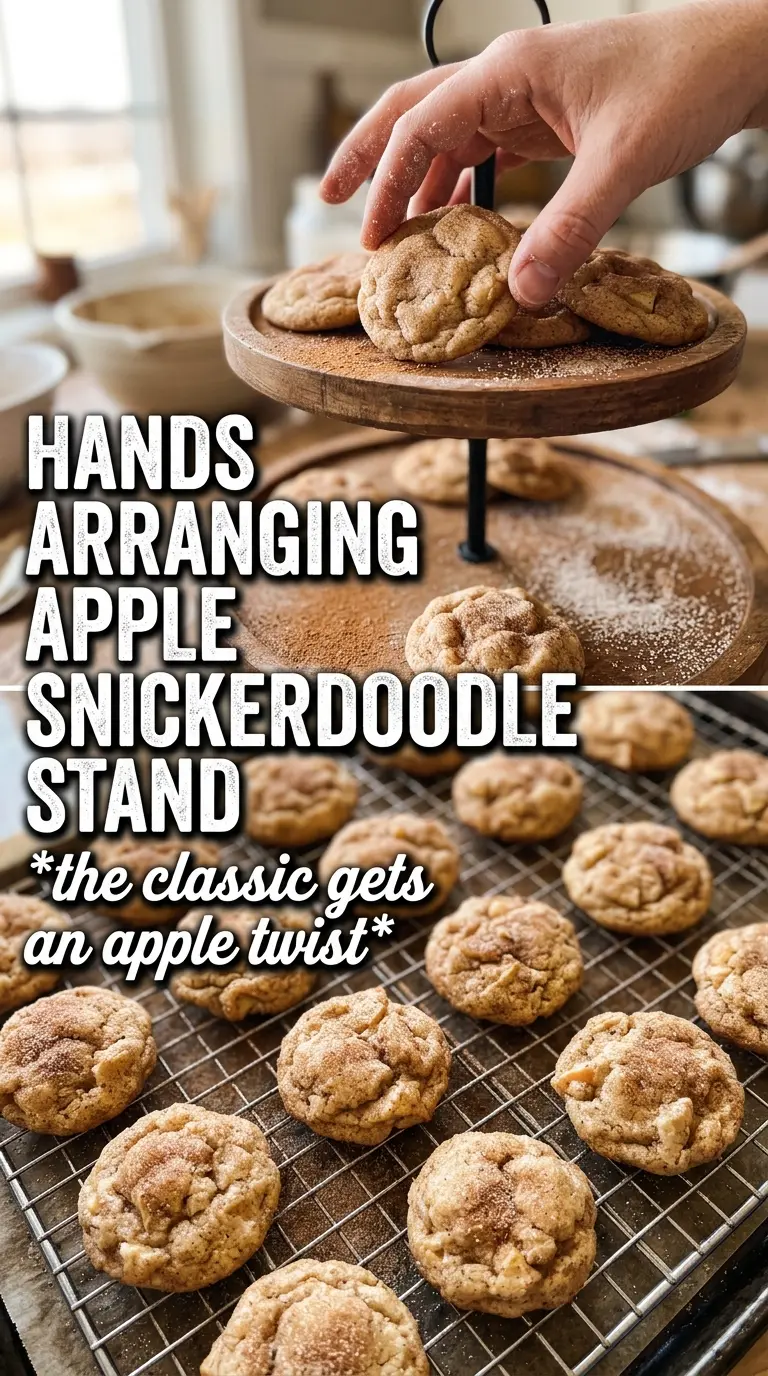
Scoop the dough into 1 1/2-tablespoon balls and coat each one in the cinnamon-sugar mixture. Bake until the edges are set and the tops are crinkled, but the centers still look a little soft and puffy. Pull them out then. They finish on the pan, and that short rest is what keeps them chewy instead of dry.
Three Ways to Adapt These Cookies Without Losing the Good Part
Gluten-Free Version
Use a good 1:1 gluten-free flour blend that already includes xanthan gum. The cookies will be a little more delicate, but the cinnamon-sugar coating and apple flavor still come through clearly. Don’t swap in a single gluten-free flour on its own; the texture gets gritty and crumbly.
Dairy-Free Swap
Use a plant-based butter that’s meant for baking and has a firm stick-style texture. The flavor changes a bit, but the cookies will still hold their shape and bake up with those classic crackled tops. Avoid tub-style spreads, which often contain too much water and make the dough loose.
Extra Apple Spice Version
Add a little more apple pie spice to the rolling sugar if you want a stronger spiced finish. You can also use a touch more finely chopped dried apple, but keep the amount modest so the dough doesn’t get crowded. More fruit sounds good in theory, but too much makes the cookies less cohesive.
Storage and Reheating
- Refrigerator: Store in an airtight container for up to 5 days. The sugar coating softens a little, but the cookies stay chewy.
- Freezer: Freeze baked cookies for up to 2 months, or freeze the dough balls before baking. Roll them in the cinnamon sugar first, then freeze on a tray and transfer to a bag once solid.
- Reheating: Warm cookies in a 300°F oven for 4 to 5 minutes or microwave one at a time for about 10 seconds. Don’t overheat them or the centers dry out fast.